Monday, April 08, 2019

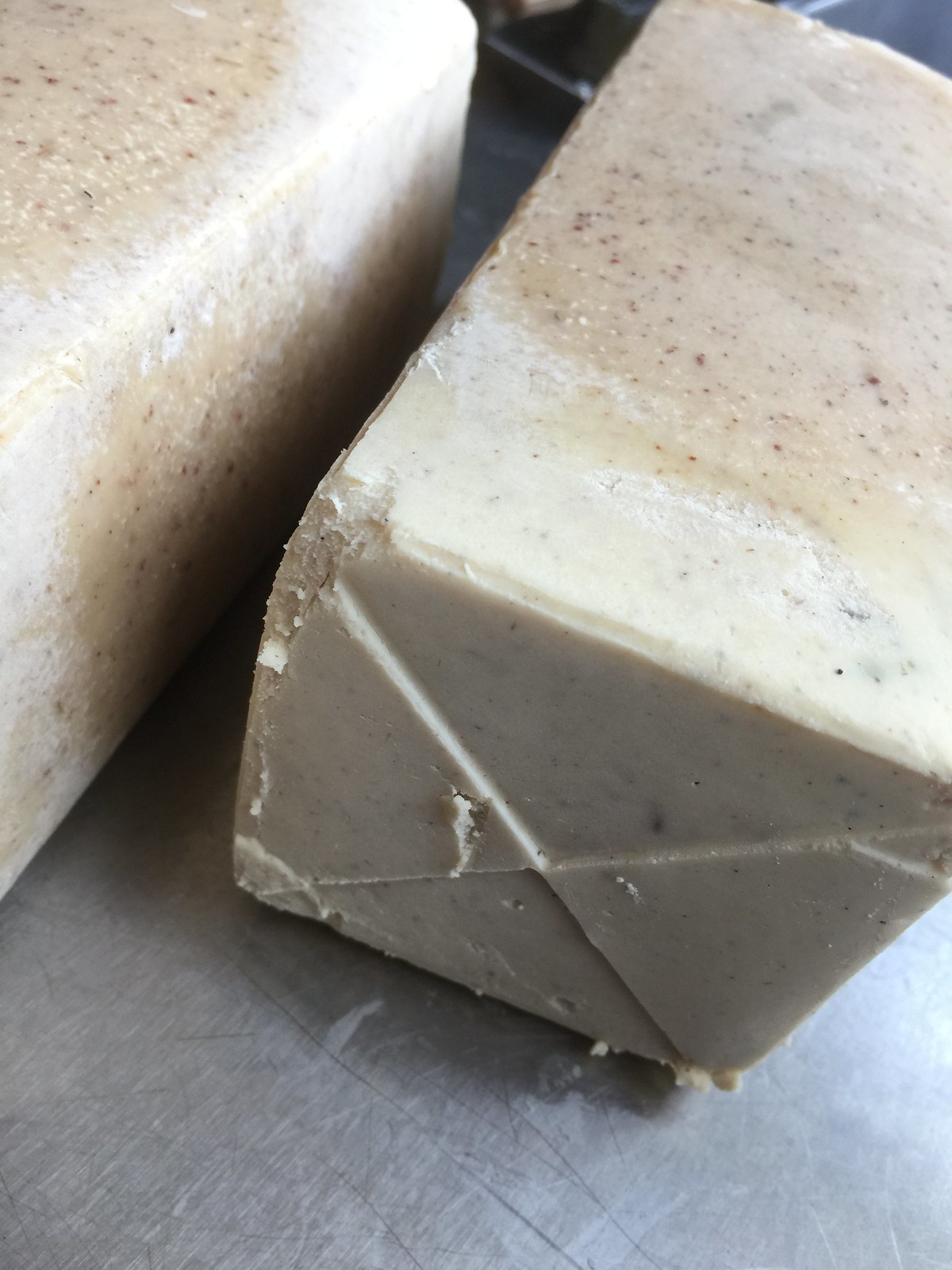
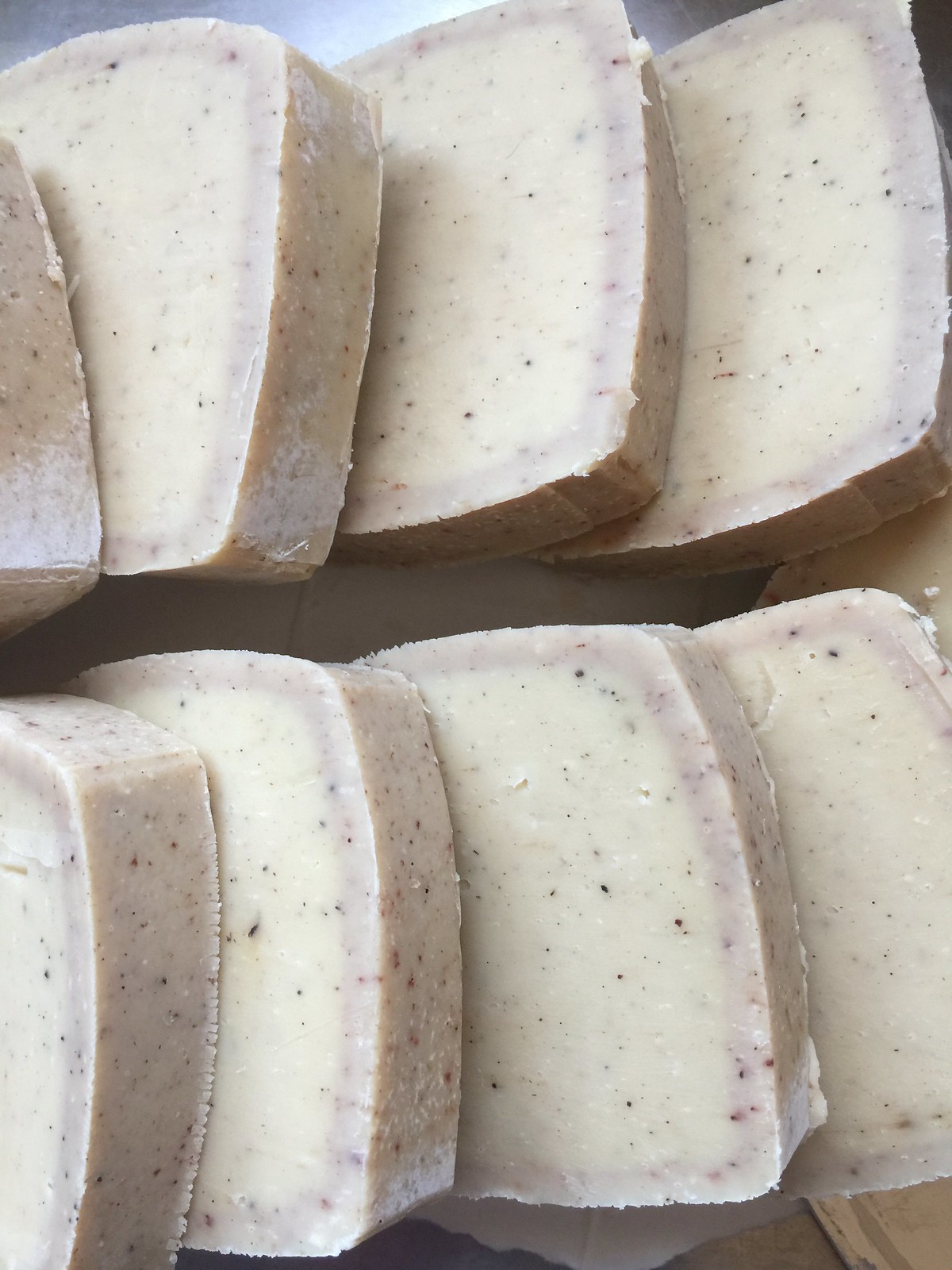
Immortelle l'Amour Soap

Helicrysum italicum

It takes a bit of imagination and creative formulation adjustments and changes to translate some of the perfumes into soaps. Last month, I've whipped up the first version of Immortelle l'Amour soap, which was tricky because immortelle (Helicrysum italicum) is one of the most expensive perfume and aromatherapy materials. The bars have been curing nicely for a month now, made with decoctions and oil infusions of the fresh and dried plants from my organic garden; as well as cinnamon, chamomile, marigold and vanilla beans and powdered cinnamon bark. A little bit of maple syrup added in the as well!

The result is delicious, albeit not exactly like the perfume. It has the same sweet intensity but a little more fresh and light because I did not use the heavy, curry-like immortelle absolute (otherwise nobody would have been able to afford it).

The soaps will be ready and wrapped April 17th, but you can already order them online now!

IMG_4566
Ingredients (In order of presence in the formula):
Saponified Virgin Coconut Oil
Saponified Olive Oil
Saponified Shea Butter
Saponified Palm Kernel Oil
Saponified Cacao Butter
Jojoba Oil
Maple Syrup
Vanilla Paste
Natural Immortelle l'Amour Perfume Blend (Benzoin, Peru Balsam, Sweet Orange, Cinnamon Leaf Oil, Marigold, Chamomile)
Cinnamon Powder

IMG_4613


Labels: , , , , , , , , , , , ,

Thursday, November 22, 2018

Vanilla Is The New Silver


Vanilla is synonymous with the aroma of pastry baking as well as pleasing the common taste of the masses. It is the most popular ice cream flavour in the world, and is what makes Shalimar and a myriad of other Oriental-Ambery fragrances so beloved. But vanilla as a spice or flavouring has not always been associated with sweetness. The Aztecs steeped their sacred cacao beverages with vanilla and chilli, and the savoury is practiced in contemporary Mexican cuisine. Due to climate change and natural disasters in Madagascar, the country that is responsible for the majority of the world's production, we may not be able to enjoy vanilla ice cream as often as we are accustomed to. At least not with pure vanilla beans.

The term "Plain Vanilla" is the simplest, most basic form of things, lacking innovation or pizzazz in its design or characteristics. "Vanilla Software" is code that is so generic it can be potentially sold to any client, but at the same time be rather unsatisfactory because the customization hasn't been put in place yet. "Vanilla Sex" is a rather judgemental term for conventional sex, alluding to the persons preferring it being unadventurous, unimaginative, and generally boring. 

True vanilla extract, however, is anything but boring! 

Up until the 15th Centruy, vanilla was closely guarded by the Totonac people - first people of Mexico. In the mid 1400s, they were conquered by the Aztec and used vanilla fruits to pay them. The Aztecs adopted "Tlilxochitl"and incorporated it into their ceremonial cacao libation (along with masa harina). In 1520, Hernán Cortés conquered the Aztecs and was greeted with this beverage. He took with him to Europe many of the botanical treasures he found, including cacao, vanilla beans, tomatoes and chilli peppers. It was not until about 300 years later though, that vanilla would produce any fruit - which happened in one of the French colonies in the Rénunion. But more on that later. 
The name vanilla originates from vainilla - a dimuniative for "vaina" (from the Latin word "vagina", meaning "sheath"). So "a little sheath" because of the shape of the vanilla fruit (or seed pods), which looked like a tiny sheath for placing a sword or a dagger. 

Botanical name(s): Vanilla planifolia

Synonyms: Vanilla fragrans, Common Vanilla, Mexican vanilla, Bourbon vanilla, Reunion vanilla, Madagascar Vanilla.

Other species of vanilla: Vanilla pompona (AKA West Indian Vanilla), which is grown in the West Indies, Central and South America. This variety is less known commercially. 

Vanilla tahitinesis (Tahitian Vanilla), which grows in the South Pacific (cultivated in French Polynesia), is possibly a hybrid between V. planifolia and V. odorata. It is speculated that it originated in Guatemala, and arrived in the Philipinnes by the Manilla galleon, and finally brought to Tahiti by the French admiral François Alphonse Hamelin. This vanilla species has a distinctively different aroma, more floral and less woody-animalic than the V. planifolia, and with a very sweet-pastry-powdery presence, reminiscent of heliotrope.

Most of the world's production (about 80%) of vanilla beans is in the island of Madagascar, off the southeast coast off Africa (the closest neighbouring country on the continent is Mozambique). In March 2017, the cyclone Enawo struck the island of Madagascar, damaging two of the largest vanilla-growing regions in the country. Because ripe and cured vanilla beans are such labour-intensive to produce, as you will shortly discover; and because new crops begin to bloom and produce fruit only when mature (which takes between 3-4 years), this cyclone has a global effect on the availability and price of vanilla. In 2018, vanilla prices have risen to 30-fold their price comparing to 2013 ($600 vs. $20 per kilo), which is more than the cost of silver! Prices have began to decline but are still prohibitively expensive, to the point that many ice cream producers are taking their vanilla-ice-creams off the menu or replacing it with artificially flavoured ones. As a result of this astronomical hike in price, crime has gone rampant in Madagascar, with the crops that remain stolen and vanilla farmers living in constant fear for their livelihood. Some measures have been taken, such as stamping each vanilla bean with the farm's serial code. But in reality, this hike has done more damage to the producers than any good (and of course the pastry chefs and natural perfumers aren't enjoying it either). Despite the grim predictions in 2017 that vanilla bean production (and prices) will be problematic for about seven years, and forecast now seems more optimistic. Additionally, more countries who can and have grown vanilla (some in Africa, such as Ghana, Ivory Coast, Cameron, and Nigeria; and India and Indonesia in Asia; and even Mexico) - are taking advantage of this gap and finding new markets. This is hopefully solving a problem that is not to blame on this one cyclone only. In reality, Madagascar's monopoly on vanilla was threatened by other poor crops since 2014. And it has for many years been a goldmine for various opportunists who use vanilla as a money-laundering channel, for example: illegal Madagascan rosewood traders would dispose of their cash by purchasing vanilla beans, a commodity in much demand that can easily be sold to about a dozen of intermediaries who distribute it world-wide. 
However, this cyclone's stark results has forced the world to take a closer look at the corruption surrounding the vanilla trade (as well as other commodities, such as cacao and coffee beans), and take more responsibility over how its done. It is a tragically ridiculous situation, when crops get such high prices and the communities who farm them are still living in extreme poverty and are increasingly threatened by crime.
Vanilla is a climbing orchid native to Mexico and Central America, and is the only orchid whose extract is used for its fragrance in perfumery (other "orchid" fragrances are usually manmade compounds, either imaginary or "fantasy" floral formulas, or based on real-life by using headspace technology - which recreates the scent the flower emits from synthetic molecules). Vanilla grows like a vine and needs to climb on a structure to come to its full potential of flowers and fruit. It may appear to be a parasite, because it supports itself on tree trucks with tiny and very strong hooks - but in fact it does not rely on the tree for nourishment, which it derives honestly from the soil and sun.  
Vanilla flowers are greenish-yellow in colour, with a diameter of 5 cm (2 in). The bloom only for a day, providing a very short window for pollination in the morning hours, in order for them to bear fruit. In their natural habitat in Mexico, the flowers are pollinated by the Mellipona bee - a tiny insect with very long trunks, who transfer the pollen from one part of the flowers to another (the anther to the stigma). The insect provide only a 1% pollination rate among the flowers - the remaining 99% drop to the ground the next day. This scientific discovery was made in 1836 by the Belgian botanist Charles Morren. He also tried, to develop a pollination alternative that will make vanilla a commercially-viable crop, but to no avail. His technique was too cumbersome. 

In commercially grown vanilla, the flowers need to be hand-pollinated even in its native country - because one cannot count on minuscule bees to do all the pollination and let the rare flowers go to waste. The technique for hand-pollination was developed in 1841 by Edmond Albius, a slave boy in the Réunion. He was only 12 years old at a time, and found a simple and quick solution using a blade of grass and his thumb to do the job. He remained a slave until 1848, when the French laws were changed and banned slavery. His ingenuity and contribution to the cultivation of vanilla (and as a result to perfumery and flavouring, and the entire world of pastry) was recognized and even gave him clemency after being five years in prison (to which he was sentenced after being caught stealing jewellery in his new job as a kitchen servant). However, he did not receive enough recognition and died in poverty at the age of 51.

The fruit grows only in plants that reached maturity and are over 3 m long. The fruit looks similar to tiny bananas or green string beans - but are not beans at all. They would mature on the plant only after 8-9 months of growth, but are picked at 5 when still green, and undergo a curing process that was learned from the First Nations of Mexico. Although vanilla curing methods around the world vary, they all contain several steps, which essentially are:

Killing: Stopping the plant's growth and encouraging the beginning of enzymatic action. Various methods are used, including heating in water, freezing and scratching - each of these produces slightly different aroma profile as it puts different enzymes to work. 

Sweating: hydrolytic and oxidative process in which the fruit is kept tightly packed and insulated as to keep the temperatures at around 45-65 degrees celsius. In order to do so, the fruit may be dipped in hot water or exposed to the sun. By the end of the sweating process (which is really a type of fermentation), the beans will gain the characteristic brown colour, but will still be too moist (about 60-70% water).  This process takes between 7-10 days. 

Drying: In the drying process, the beans will lose moisture down to only 25-30% of their weight. This process helps preserve the vanilla beans' aroma, and prevent them from spoilage. This process is the most sensitive, in which much of the vanillin can get lost from uneven drying. To prevent this, extra care is taken and the beans are constantly monitored for changes needed in their environment - they are moved from sun to shade, and being exposed to the air in various ways to ensure their quality remains consistent. This process may take several weeks. 

Conditioning: After all this process, the beans need to be stored for additional 5-6 months in closed boxes, and this is where they develop their final fragrance and aroma. Good beans should have about 2.5% vanillin content. 

Grading: Once ready, the beans are graded, sorted, bundled and wrapped to preserve their qualities. Grading systems vary, and include attention to the beans length, thickness, appearance (colour, sheen,  pliability which shows moisture content, blemishes, etc.). The highest grades are kept whole. The beans with blemishes or "defects" are treated to remove those visible, or if they are too dry they are saved for preparations in which appearance is not as important - i.e.: vanilla extract, vanilla paste. In fact, the drier vanilla beans are far more suitable for tincturing (producing vanilla extract), as they don't have water content to weaken the alcohol's solvent powers. 

Vanillin Crystals
Constituents: 1.3-2.9% vanillin, hydroxybenzaldehyde, acetic acid, acetaldehyde, isobutyric acid, caprice acid, eugenol, furfural, hexanoic acid, 4-hydroxybenzaldehyde, methyl cinnamate plus over 150 more molecules in trace amounts. Tahitian vanilla (Vanilla tahitinesis) would have a different chemical structure, much lower in vanillin. 

Vanillin (4-hydroxy-3-methoxybenzaldehyde) is a perhaps the most important component which gives cured vanilla and its product the characteristic flavor and aroma. Vanillin was first isolated from vanilla pods by Gobley in 1858. By 1874, it had been obtained from glycosides of pine tree sap, temporarily causing a drop in prices of natural vanilla. Vanillin can be easily synthesized from several sources, but most food-grade vanillin (which must be > 99% pure) is made of guaiacol - usually created by the pyrolysis of lignin (a by-product of the paper industry). 

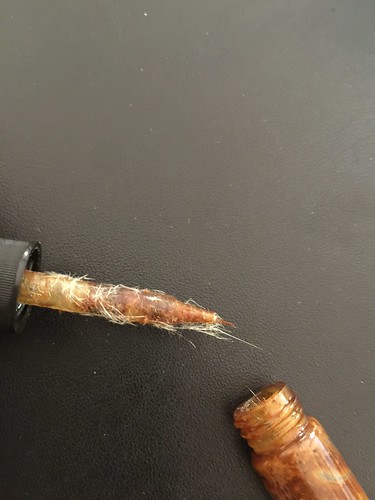
Physical appearance & characteristics: Thick, dark brown, viscous liquid with vanillin crystals often forming, particularly in cooler temperatures. Powdery granular white particles typically float inside the dark fluid, but as the temperatures drop, it will become increasingly difficult to pour and white “needles” of the vanillin crystals will form inside the “empty” part of the container. In this scenario, a bain-marie is recommended to return the vanilla absolute to its pourable and more workable state. 

Odour description: Sweet memories of licking vanilla ice cream, discovering vanilla extract at my grandmother’s kitchen, baking cheesecake and other grandmotherly associations, scraping vanilla beans. Vanilla has a balsamic, rich aroma with a woody hint, very strong (it behaves like 5 fold its actual presence) - a little goes a long way. 

Volatility rate: Base note and a fixative 

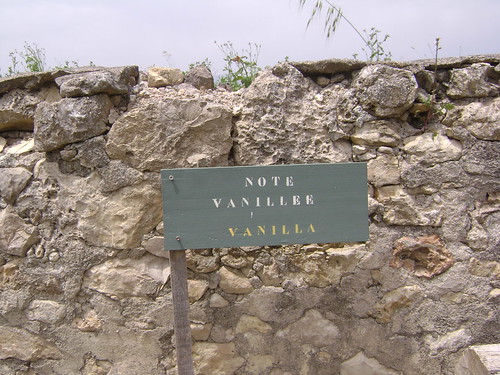
Note Vanilee (Vanilla Notes)

Roles in perfumery: Fits with everything, as long as it’s not overdone - in which case it will dominate! Remember, every time you're adding vanilla, imagine you're adding 5 times the actual amount. Vanilla absolute is a key component in amber bases, ambreine accord, Ambery Orientals, in flavouring tobacco and giving tobacco fragrances their characteristic deep-sweet nuance. In Fougère vanilla absolute proves very useful in smoothing out the rough edges of all the herbaceous notes, and sweetening the bitterness of the oakmoss and coumarin notes. 


Vanilla in Flavour: Vanilla is the world's most popular ice cream flavour, and is used in the confectionary world almost in the same way salt is used in the savoury one. 

Perfumery Uses/Blending Tips:
Vanilla goes with everything, but in particularly shines when paired with tonka beans, orris butter, leather notes, sandalwood, rose, frankincense, galbanum absolute, labdanum, styrax, bergamot, yang ylang, tuberose, tobacco, mandarin, sweet orange, blood orange, vetiver, oakmoss, patchouli and lavender (so no wonder it’s included in Fougère course). 

Vanilla may seem tame and agreeable, but in fact it fortifies itself overtime and can take over a blend. Keep in mind that whichever amount you put is equivalent to 5x vanilla. Which is a good thing - because vanilla is a very popular and costly material. If you find vanilla overbearing even in its tiniest amounts, consider using vanilla tincture instead, from the cured vanilla pods. Recipe for doing so appears in my book (formula 10.1.4). 


Examples: Shalimar (Guerlain), L (Lolita Lempicka), Immortelle l’Amour and Espionage (Ayala Moriel)

Formula 10.1.4 Vanilla Tincture 
36 g Vanilla Pods (about 16-18 pods)
100 mL Alcohol
Split the pods lengthwise and scrape the “seeds.” Finely chop the pods. Put in a jar and cover with alcohol. Shake frequently. Ready for filtering after a minimum of 1 month.
This is more concentrated than vanilla extract used in cooking and baking, but less concentrated than a 50% dilution of vanilla absolute, so it can give a nice, subtle woody-vanilla effect without being overpoweringly sweet.


Labels: , , , , , , , , , ,

Thursday, October 08, 2015

Cured: The Science & Art of Decay

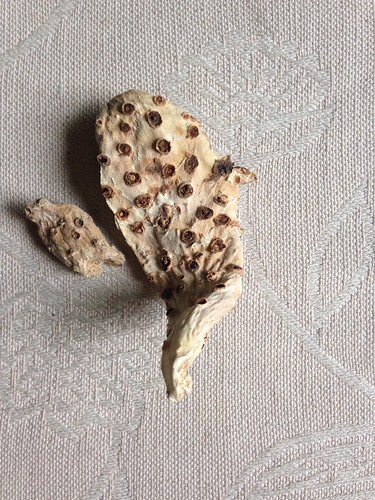
Orris Root

The challenge of some raw materials is that they might be rather unpleasant in their original state. At best, they lack any aroma and depth whatsoever. The cure for that lies in a process called curing (pun intended). Curing takes many shapes and forms. Sometimes the process is long and at times it's rather short. Either way, the results are nothing short of magic that tantalizes the palate and the olfactory bulbs!

We've all heard of curing meats and tobacco leaves, and it's common knowledge that wine gets better with age. But the culinary world is not the only one that benefits from time and fermentation. For some fragrant crops, growing and harvesting them is only a tiny portion of the process to make them edible, smellable or worth any mention at all. The starting material may be extremely stinky, bitter, astringent, or just plain flavourless at best. The processes by which the desired result is achieved is usually referred to as "curing" or "aging". It ranges from a few days, weeks or months and up to several years. The extra time and care that is invested in those crops makes all the difference in the world. And this will be evident and felt in the raw material itself as well as the finished product where it will be used - in our case, perfume.

Several aromatic botanicals used in perfumery require a fair amount of processing before being used (or extracted). For example: vanilla beans must be left in the sun to cure to bring out the vanillin; patchouli leaves must be dried and matured for quite some time to improve their scent; and iris rhizomes must be peeled, dried and stored for 3 years before they are extracted to produce orris butter.  Let's explore some of these unusual raw materials in more detail, as they specifically relate to the world of perfume and aromatics:
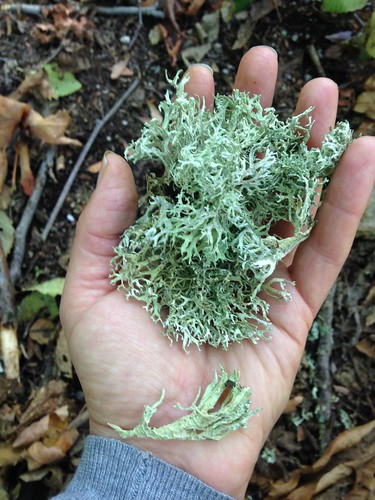
Oakmoss

Oakmoss (Evernia prunastri) actually is a lichen native to former Yugoslavia, and which also grows in the rainforests of the Pacific Northwest. You may know it under the name Antlered Perfum; however, it is practically odourless when found fallen on the forest floor. Once placed in hot alcohol, and undergoes a process of extraction - a fragrance that personifies the aroma of the forest floor's dark and mysterious hidden life emerges - fungi, decay, moss and undergrowth. No wonder Chypre, the most beloved fragrance family that relies on oakmoss, is strongly associated with fall.
Perfumes that give oakmoss its proper due are far and few - so reach out for vintage of Miss Dior,  Vol de Nuit or Chamade; or check out some of my Chypre (and Fougère) fragrances, namely Ayalitta, Megumi, Rainforest and Autumn.
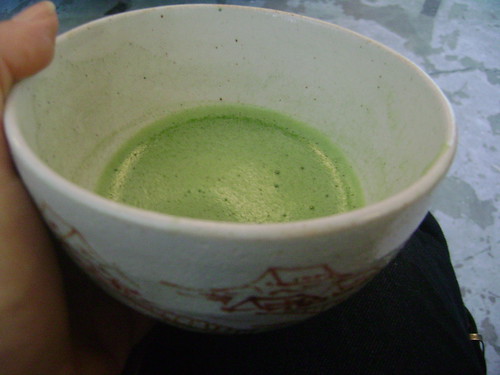
Chawan with Matcha

Tea is so unusually diverse - there are white, yellow, green, blue (AKA oolong), red and black teas - that it's hard to believe it comes from only one plant: Camellia sinensis. It is the process of  curing - namely, oxidation, fermentation, roasting, and sometimes even smoking, that creates the unique effects of texture, aroma and nuanced flavours in tea. Some teas are even left to age for decades and up to a hundred years!
Tea leaves come in all sizes, shapes and forms, at times they are twisted to break the cells and release the enzymes that will start the oxidation process (as in oolong teas), other times they are rolled into little balls (dragon pearls or jasmine pearls), hand-tied to look like a flower that will open its "petals" once steeped in water, to reveal a colourful real flower in the heart, and many other ancient traditions involving teas. In perfume, we use tea notes rarely, because they are so subtle. The first "tea" perfume was Bulgari's Au Parfumeé au Thé Vert (which utilized ionone in conjunction with hedione to create the effect of freshly steeped green tea) and the series continued to even include a "red tea" scent based on rooibos (not from the tea plant).  But my favourite is, not surprisingly, the Bulgari Black, which is based on Lapsang Suchong (pine-smoked tea), and even more so - l'Artisan Parfumeur's Tea for Two, which is a more refined play on the same tea leaf. If you're a tea love, taste a sip of Kinmokusei, our osmanthus-scented tea with hints of tobacco, Gaucho (with the tannin South American Maté) or The Purple Dress (black tea).
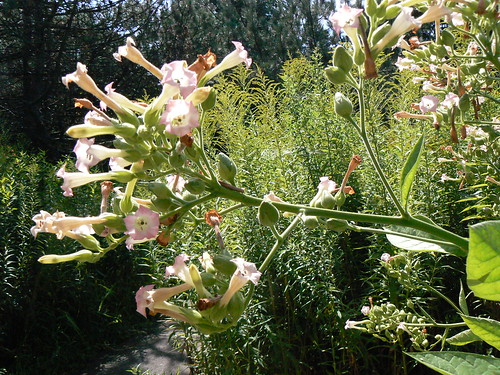

Tobacco Flowers

Few other ingredients stir the imagination as much as tobacco. The raw leaves have a bitter taste and not a particularly pleasant smell either. After all, nicotine, the substance that gives tobacco most of its medicinal (and addictive) properties, is meant to protects it from insects. Although the raw leaves have medicinal uses, it is hardly the sophisticated aromatic that we have learned to recognize as tobacco. This is achieved via a careful drying process that takes several days to a week, and usually followed by an additional fermentation period of about 8 weeks. This will develop the characteristic tannin,  full-bodied chocolate-vanilla undertones and hints of coumarin, violet and tea notes in tobacco products that some of us are so fond of (or hooked on). Additionally, tobacco leaves are treated with various perfume and flavour materials to enhance and accentuate this character. If you like your tobacco leaf clean and dry - try Sabotage  The tobacco in or Rebellius is exotic and spicy-sweet, not unlike shisha,  To experience pipe tobacco or Cuban cigar in all their glory, dab some Espionage.
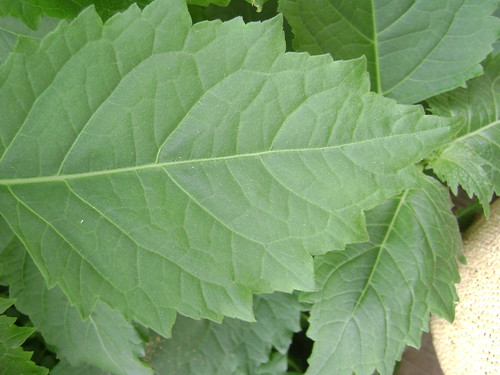
Patchouli Leaves

Patchouli leaves, an odd member of the mint family, do not smell like much when they're green and fresh. The sun-dried leaves are ideally stacked and occasionally turned in a process of interrupted fermentation. This way they will yield 2.5-3 times more oil than the green leaves. This process helps to rupture the cell walls and release the oil. However, that is not sufficient to develop their charactesritic aroma of patchouli. Exceptional patchouli oils undergo an additional step of aging, in which all the off notes (grassy, oily, tar-like) dissipate and make room for rounded, warm precious-wood aroma that you'll find in fine quality patchoulis - which can take another 1-4 years. Patchouli really does get better with age, and when this desired effect is achieve - the scent will remind one of both dark red wine, oak barrels and the cellar where it is kept. Patchouli is earthy, woody, musky, a tad funky, spicy and dark-chocolate-like. Examples of this can be found in  Patchouli Magique and Patchouli AntiqueFilm NoirRazala, and Palas Atena (Ayala Moriel).

Ambergris

Ambergris is a rare secretion that occurs in about 1% of sperm whales to heal their stomach from the scratches of the cuttlefish they swallow. This sticky mass floats on the ocean, and by exposure to the sun and the salty water it changes its originally foul smell into one of the most delicate and sought after fragrances: Ambergris. Ambergris is sweet, soft and slightly powdery. We use ambergris only occasionally – when we can find ethically harvested ambergris that was beach harvested. It is than tinctured and used as a base note in oriental and floral compositions. Best scents to experience this though are LesNez' mystical l'Antimatiere  by Isabelle Doyen; and my own Orcas, Etrog and Razala.
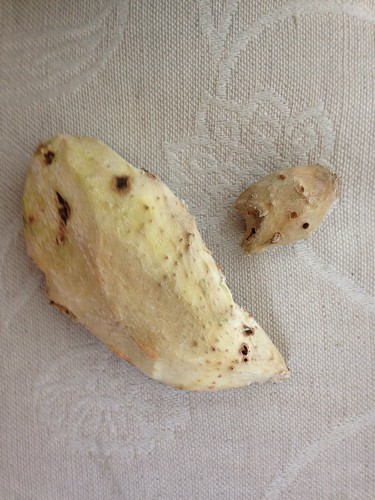
IMG_8605

Orris Root: Orris root essential oil (AKA Orris Butter) is one of the most precious perfume materials. The roots need to be peeled and aged for three years before extraction or distillation. During this time, the glucosides in the rhizome gradually metabolize into irone - the violet-like molecule that gives orris root its desired violet-blossom aroma. It is invaluable in perfumery for its delicate powdery delicate aroma and ability to fix lighter scents. Orris is a welcome addition to any perfume whenever a delicate softness is required. Orris butter is both powdery, milky and smooth - reminiscent of a baby’s head and soft skin. Experience the highest quality of orris, with 15% irone (the unique orris molecule) in Sahleb parfum. For a lighter, paper-thin iris, try Hiris, and for a more sophisticated, abstract, modern yet old-fashioned you must experience Après l'Ondée!
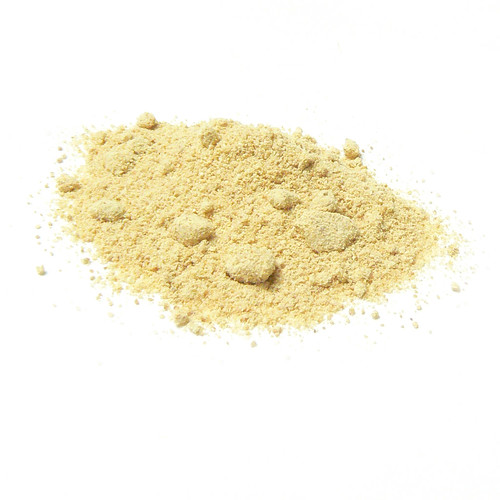
Iris (Iris pallida)

Coumarin has may sources, and in all of them, it is not felt all that much in the original product but only appears after a process of drying or curing takes place. Tonka is soaked in rum and then dried, to coax the coumarin crystals out of the "beans". Liatrix (deer's tongue) smells like nothing when it's fresh, and like hay - needs to be dried and even slightly fermented to bring out the coumarin potential locked within them, which smells like "new mown hay". Classic coumarin examples are YerbamateBiche Dans l'Absinthe. and Brut. To experience natural coumarin try l'Herbe Rouge, Sabotage or White Potion.
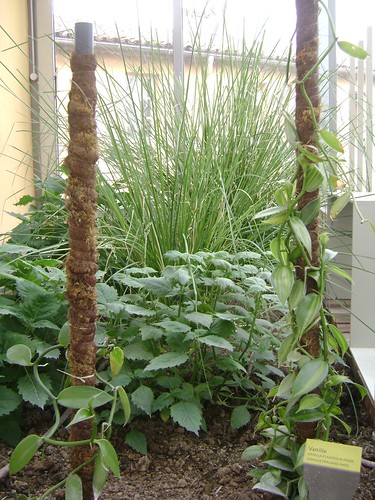
Climbing Vanilla Orchids, Patchouli and Vetiver

Vanilla Beans are left to cure in the sun so that they turn from green to black and develop their vanillin content. But vanillin is only one component that makes vanilla so special. In reality, this is one of the most compelling and complex natural aroma, inimitable by any manmade compounds.  Some 100 molecules were identified in vanilla (Vanilla planifolia), in addition to vanillin (4-hydroxy-3-methoxybenzaldehyde), including: Guaicol, creosol, acetovanillone, vanillyl alcohol and methyl salicylate and vitispiranes.
Tahitian vanilla (Vanilla tahitensis) has a much lower content of vanillin, and has a scent reminiscent of heliotropin - but contrary to some literature, this is not a compound that naturally occurs in it. Rather, it's the anisyl compounds that are responsible for its soft, floral, almond-like, sweet heliotrope-like nuances, including anisyl alcohol, anisaldehyde, dianisyl ether and anisyl ethyl ether. (Bo Jensen). To experience true vanilla absolute in perfume, try Shalimar (the extrait has handcrafted vanilla tincture), My Vanilla (Anna Zworykina),  Vanille Galante (Hermessences), Espionage and Immortelle l'Amour (the latter has 5 types of vanilla, including absolute, CO2 and handmade tinctures by yours truly).


Labels: , , , , , , , , , ,

Monday, July 06, 2015

Jasmine Creamsicle

You know, I think the large trees are easier.

The show must go on, and to distract myself from the wild forest fires, I'm testing out jasmine perfumes in my nearly forgotten stash of samples. Some perfumes have very obviously jasmine-y name, so I'm beginning my little jasmine expedition with those. As it turns out, it is rather difficult to find a true jasmine perfume out there. The main reason? Jasmine is expensive, and most companies use very little if at all of genuine jasmine absolute. And with my particularly spoiled nose, that is accustomed to either smelling the fresh living flowers, top-notch jasmine teas or fine absolutes from India and Egypt - I'm hard to impress.

Additionally, even the jasmine reconstitutions or floral bases out there tend to be low on the indole, because it is supposedly too old fashioned and/or offensive to most; and also gives a bronish-orangey tint to whichever product it is suspended in... In my pile of fake jasmines, Jasmin de Nuit stood out as a bit unusual because I could smell real jasmine in it, and also true vanilla absolute, in all its complex, woody charm.

Jasmin de Nuit was Celine Elena's first scent for the Ellena family's endeavour, The Different Company, and refreshingly it bares very little resemblence to her father's austere style. It opens with full-bodied fruity jasmine (Egyptian jasmine has lower indole content than Indian, and also is a bit more fruity and peach/apricot like). Before long, a prominent vanilla absolute base is revealed. And an hour or so later, sweet orange notes - not so much the zest, but rather the actual orange juice emerges, making it smell rather like an Orange Creamsicle. Lovely, fun but not quite jasmine-y enough to my taste. I'm also smelling a reference to Tocade, with its exaggerated ambreine accord of amber and bergamot, accentuated with musk. The spices take a very modest role of simply accenting the composition and adding interest 0 which is why it does not smell entirely of Creamsicle, but rather smells fun and intriguing.

Top Notes: Blackcurrant, Star Anise, Cardamom, Bergamot
Heart Notes: Egyptian Jasmine, Cinnamon, Orange Juice
Base Notes: Vanilla, Amber, Sandalwood, Musk 

Labels: , , , , , ,

Thursday, May 08, 2014

Violetta Cacao


Meet Violetta Cacao: a decadent limited edition* scent of sweet violets, chocolate and vanilla.

There is nothing quite like the bond between a mother and her baby. When I just started creating perfumes, one of the first perfumes I made was Indigo, inspired by my mom’s unique Cancer personality of contrasting warm-and-cold (and maybe a little bit because I really missed the soft and gentle touch of holding her hand which is hard to do when she’s in Tel Aviv and I’m in Vancouver). Indigo captures that sense of soft motherly touch, smooth and almost glimmering like the indigo-blue velvet hoodie my mom gave me before I left for Canada, and with the two scents that remind me of her most of all: aniseed and violet flowers. At the same time, it was a very abstract creation and entirely based on my subjective experience of motherhood on the receiving end.

But it wasn't until years later (when she finally visited me in Vancouver) that I learned that besides these two distinctive aromatics (especially when they're together in the famous French pastilles, my mom also went gaga after the scent of chocolate and vanilla. That was before she lost her sense of smell, of course (Anosmia, loss of the sense of smell can become lost due to several things, such as chronic colds or sinus infections, head injuries, and trauma) but that does not stop her from enjoying the darkest, most velvety chocolate and dark chocolate sorbetto - so I was not surprised chocolate was up there on her list. But vanilla? Well, that was a surprise.

I set off to create something new in honour of my mom (and her lost sense of smell). Something that she can wear and be proud of even if she can't actually smell it. Something she can imagine herself immersed in, no matter what mood strikes (Cancers are infamous for their mood swings!). Something a little simpler and more down-to-earth, not as artsy as Indigo, but still will appeal to the Bohemian princess that my mom is...

And the name came first - a lady's name, perhaps her stage name, but still with an unmistakable first name and surname - but that still alludes directly to what she smells like. Violets and chocolate are the core of this fragrance. The violet is magnified to make her almost larger-than-life with supporting notes of leathery cassie and creamy orris butter. The leathery aspect of cassie is then alluded to in the tobacco leaf as well. Instead of tarragon, there's a tarragon absolute in the mix, which is more confectionery and multi-faceted than aniseed. Deer's tongue absolute makes the vanilla feel even more edible and sweet, yet still adds a certain leafy quality that mirrors the tarragon absolute's hints of green.


Fragrance Families: Floral Ambery (Floriental), Floral Powdery, Oriental Ambery

Top notes: Bergamot , Ginger Lily
Heart notes: Violet Leaf, Japanese Rose, Jasmine Egypt, Orris Root, Rose Absolute (Turkey),  
Base notes: Cocoa Absolute, Cassie , Deer's Tongue (Liatrix), Tabac Blond, Patchouli, Tarragon Absolute, Vanilla Absolute


Violetta Cacao is the olfactory manifestation of boho-chich: violet's fickle ionones tease and tempt and decadent cacao and vanilla are supported by notes of buttery orris, sweet tarragon and liatrix. The resulting perfume is an unconventional indulgence with a regal twist (violets are often associated with royalty). Dab some on and feel like a bohemian princess!

* Note: Violetta Cacao will be only available during the month of May, to celebrate Mother's Day.


Labels: , , , , , , , , ,

Monday, May 05, 2014

Feliz Cinco de Mayo!


Happy 5th of May to those of you celebrating Mexican culture and heritage today!
There are such distinctive aromatics associated with Mexico's vibrant culture, that I've decided to put together a few notes about key ingredients, scents and flavours and combinations that are unique to Mexico.


Cumin - or Cumino in Spanish (Cuminum cyminum) is a seed from a plant from the Umbelliferae or else known as Apiaceae family (related to anise, fennel, carrot - among others) with a unique scent of cuminaldehyde that gives its distinct oily-sweaty personality. It's taste is a little bitter and pungent when unroasted, and nutty and more delicate when roasted, pan-fried or toasted before cooking with it. It's an inseparable part of many Mexican stews such as chilli, re-fried beans, salsa and more. Now, cumin is not exactly unique to Mexican cuisine - but how it is used is: combined with substantial, hearty falvours such as chocolate and vanilla in bean dishes, or sprinkled together with raw onion and freshly chopped peppers, tomatoes and tomatillas - this is a very distinctive way of experiencing this musky seed.

Vanilla (Vanilla planifolia) - isn't it interesting that both vanilla and chocolate originate in Mexico? This magical orchid produces a fruit only if pollinated by a tiny bee that is native to North America. Therefore, at first the plantations in other tropical islands (such as Madagascar, now the largest producer of vanilla) were grown. Vanilla anywhere else but in Mexico requires hand-pollination, which is meticulous, and is one of the main reasons why vanilla is so expensive. Mexican vanilla is different from other crops, having a very rich, full-bodied flavour that is more fruity and smooth than its almost woody Madagascar specimens. And vanilla from Tahiti is a different orchid altogether (Vanilla tahitensis), and also grows in Papua New Guinea - resulting in an even sweeter, more powdery profile (due to the presence of heliotropine). What's unusual about vanilla in Mexican cuisine is that it's used in savoury dishes, (see below), not just sweet ones. It may sound a bit weird at first as we're so used to vanilla being equal to dessert. But it has a very deep flavour, and if blended with the right elements will enhance most flavours, really. Try using it in bean stew or soup, and taste for yourself!

No wonder Cacao (Theobrema cacao) had its own god in the Aztec mythology. It's got such a powerful unique flavour, aroma and texture - at once earthy, buttery, smooth, bitter... The Aztecs made an elixir of cacao cooked with vanilla and spiced with chilli as a ritual energy drink that was used ritually (and mostly by royalty). Cacao adds vigour, passion and depth. In Mexican cuisine, it's added to bean dishes. Inspired by Mexican cuisine, I make a "Chocolate Soup" which is basically a black bean soup with cumin, chilli, vanilla, raw sugar and sun dried tomatos. Sometimes I add a bay leaf or two for extra spice, or a small piece of cinnamon bark. This balancing act between savoury and sweet, salty and bitter was captured perfectly in the wonderfully addictive perfume Anima Dulcis, where cocoa, vanilla, cinnamon,


Lime (Citrus limetta) is an unusual citrus, with both woody accents (from pinene) and milky, almost coconutty notes (from the coumarin). Again, it's that particular type of citrus - as opposed to the usual lemon, that sets off the other flavours and gives them a unique character. I've tasted plenty of cumin before - say, in a beet salad, with plenty of lemon juice; but that lime (and raw onion...) take it to a different world. The New World, perhaps?

And then there's Tequila: I'm certainly not a fan, but there is something to be said about the peculiar clash between salty and citrusy-fresh that's present in Jo Malone's weird Blue Agave & Cacao. Is a bit of an oddball - mingling the illusion of saltiness with a dusting of cocoa, and a full squeeze of lime.

Cilantro is usually what we refer to as coriander leaf (Coriandrum sativum) but in fact is the Spanish word for coriander. It is yet another flavourful Umbelliferae, with many versatile uses in cuisines around the world. The seeds don't seem to be used in Mexican food as much as the leaves - those are chopped up and added to fresh or cooked salsas, and complements the oiliness of avocados in guacamole. It's also goes extremely well with fish, setting off the fishy aspects with more vibrant and fragrant counterpoint. The aroma of cilantro leaf is a little green and at the same time soapy. Some swear by it, others can't get any near it. In perfume it has a rare use though the essential oil has the vibrant green qualities of the fresh leaf and are very appealing from a perfumer's point of view - it's hard to bypass the polarizing reaction and strong culinary association that it tends to elicit. 

Flor de Jamaica is the popular name in Mexico for the flowers of hibiscus commonly called Roselle that is native to West Africa (Hibiscus sabdariffa). Both warm and chilled tisanes are made from it, and are very popular year around. In the winter, they provide protective vitamin C against colds, and in the summertime they are a cooling, tart beverage like lemonade. It also reduces blood pressure. If you want to enjoy hibiscus flowers in a unique way, pay a visit to O5 Tea Bar, where they will serve you candied hibiscus buds to go with your tea; and Terra Breads bakery or cafe for a memorable bite at their tart and vibrantly red hibiscus macaron!


Choisya (Choisya ternata) aka "Aztec Pearl", Mock Orange or Mexican Orange is an evergreen shrub from the rue family, that blooms copiously between April and June.The flowers contain a simple anthranilate which gives it a scent not unlike orange blossom - though also with underscores of vanilla or heliotropine. There was a wonderful candle by Diptyque with a Choisya scent.

Tagetes, aka Aztec Marigold (Tagetes erecta) is called in Mexico "flor de muertos" (Flower of the Dead) and is planted in cemeteries and used in rituals and ceremonies on November 2nd, which is Day of the Dead (Dias de los muertos). Interestingly, it is associated with death in several other cultures such as Honduras. The flower's intensely yellow-orange colour is due to the presence of sulfur in some of its compounds. The sulfur also gives it interesting medicinal qualities against several types of airborne germs, making it particularly effective for various skin infections (dermatitis, acne, rashes and more). In sustainable and traditional agriculture, planting marigolds next to certain plants (for example - tomatoes) will protect them from nematode pests as well as aphids. Marigold flowers also taste delicious in salads, along with tomatoes, lemon, olive oil and green onions. Marigold rarely find its way into perfume composition - at least not as a major player (except for in Liz Zorn's now defunct Chrysalis). There is a hint of it in Obsession, though. It's a peculiar note with opening note of green apples and pheromones, and that fades later into dried hay and herbs scent. It mostly finds use in flavouring to add a natural fruity nuance.

Tuberose is also native to Mexico, and the Aztecs called it Omixochitl (Bone Flower). This relative of the narcissus flower has tuberous bulby roots (the name has no connection to rose, and neither does the scent), and like the Choisya, it also owes much of its unique scent profile to methyl anthranilate, as well as salicylates (which give it a medicinal character) and paracresyl methyl ether which gives it an animalic, almost leathery quality. 

Capsicum is the chemical that gives peppers their heat. And in Mexico there isn't just one type of "hot pepper" - there are myriads of them, from the milder poblano peppers which lose most of their heat in cooking but leave a wonderfully deep pepper flavour behind; jalapenos, and smoked-dried jalapenos (aka chipotle) to the lava-heat of serrano peppers - enough to burn a hole in your tongue! Peppers also have a unique aroma, not as sharp as it's other nightshady sister the tomato, but still recognizable. Paprika Brasil did not do it justice; but I've been always intrigued by how it was presented in l'Artisan Parfumer's Poivre Piquant.


My own interpretation of the rich flavours and textures of Mexico's cuisine seems to only scrap the surface of this rich culture full of intriguing aromatics. In Lime & Cacao limited edition OOAK perfume: Contrasting colours of lime green against deep brown are the centre of this playful fresh gourmand. Inspired by the Mexican way of treating chocolate, Lime & Cacao is more piquant than sweet and balances the richness of South American balsams with zesty lime and mineral and melancholic Blue Cypress from Australia.

I'm now inspired to create something with unusual note combination such as marigold, orange blossom, tuberose, vanilla and hibiscus. Hmm...

Labels: , , , , , , , , , , , , , , ,

Thursday, May 16, 2013

Best Shavuot Cheescake Cake Ever

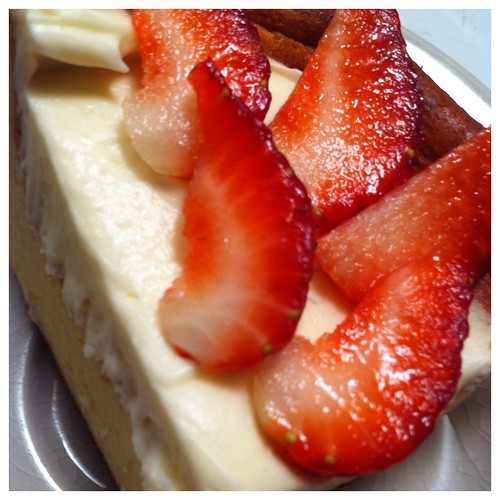
Cheesecake with vanilla cream for Shavuot

Shavuot, the holiday of receiving the Torah, and celebrating the wheat harvest, the first summer fruits and the newly born lambs and kids is here (the 2nd day of it, to be precise).
I've written before about milky notes in perfumery, and I have just updated it with some newly found and thought about notes.

For the culinary aspect of the holiday, eveyrone agrees that cheesecake is a must. Herding is the traditional, ancient lifestyle, and therefore celebrating the birth of newly born kids and lambs and the milk that flows with them is a tradition every late spring.

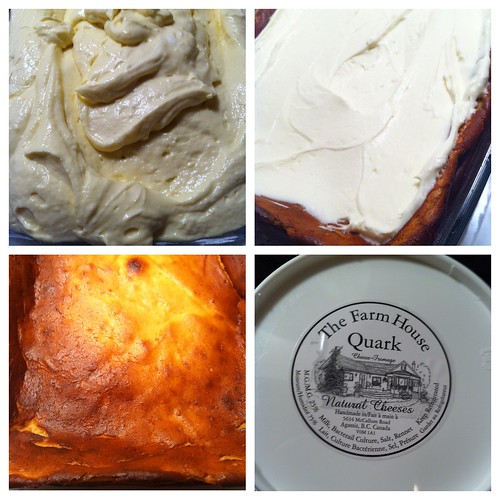
I'd like to share with you my favourite ever cheesecake. It is simple to make, but tastes and feels so extravagant, that I only bake it once a year - if I can. And if I can find quark cheese. Which should be more readily available for baking enthusiasts like me; but is not only hard to find but also ridiculously expensive. Even more than cream cheese. In Israel, the cheese used for that is a soft cheese simply titled "white cheese", and it's considered a staple food and priced accordingly. It also has far less butterfat - typically 9%, but also in lower fat (5% and 1%). Anyway, quark cheese is as close as it can get to the original recipe.

The making of a cheesecake
Ingredients:
1kg Quark Cheese
5 eggs, separated
1 package instant vanilla pudding (see notes below for alternatives)*
4 Tbs tapioca starch (or corn starch)
1.5 tsp Pure Vanilla Extract 
1 cup fine raw sugar (evaporated cane juice)
Zest of 1 organic lemon
Pinch of salt
1 cup whipping cream
1/2 cup whole milk

For the cheesecake:
- Line a springform pan with parchment paper.
- Pre-heat the oven to 160c (320F)
- Beat the egg whites with a drop of lemon and a pinch of salt, just until light and fluffy.
- Add 1/2 cup of sugar and continue whipping until soft peaks form. Set aside
- Beat the yolks with the remaining sugar.
- Add 1tsp vanilla extract and the lemon zest
- Add the quark cheese and beat until smooth
- Beat in the tapioca starch and 4Tbs of instant vanilla pudding powder and ensure the mixture is smooth and uniform
- Fold the egg white mixture into the yolk until well blended.
- Pour into the pan and spread it evenly.
- Bake in the oven for 60-80min, until the cake is golden in the centre and lightly brown on the edges.
- Let the cake cool slowly inside the oven, while you leave the oven's door slightly open.

For the vanilla cream:
- Combine the whipping cream, milk, remaining package of instant vanilla pudding and 1/2tsp of pure vanilla extract in a bowl.
- Whip on high speed until the mixture is creamy and fluffy.
- Once the cake is completely cooled down, spread the cream on the cake and decorate as desired (you can make a pattern with a fork, or use a fancy piping if desired).
- Chill for at least 2 hours before serving.
- Serve alone or with fresh fruit. This cake is so incredibly balanced in flavour that I never feel I need to serve it with anything really; but chocolate milk is an option, as is cafe au lait, fruit flavoured kombucha or a milky oolong.

* This cake calls for instant vanilla pudding, which is essential for getting the beautifully smooth and thick cream on the top. This processed product has its merits, but also tastes like fake vanilla. To improve that, I suggest adding some pure vanilla extract to the cream. But you can also seek out alternatives to instant vanilla pudding cream if you're a purist.
If you'd like to substitute the instant vanilla pudding in the cheesecake portion (not the whipped cream topping) - I suggest you substitute the 4 Tbs of instant vanilla pudding mixture with 4 Tbs of tapioca starch, and add 1/8tsp xanthan gum. It works fantastically well consistency-wise (maybe even better than with the instant powder), and you won't feel at all as if the cake is any less sweet.
For the topping I'm still experimenting with more wholesome alternatives; but for now I just want the good old fashion flavour and texture of my grandma's cheesecake.

Labels: , , ,

Sunday, May 12, 2013

Happy Mother's Day!

My mom was always an au-naturelle kinda gal who loved real flowers but not perfume. So she never wore scent, but preferred floral prints instead, and would always pick beautiful flowers to cheer me up and weave a beautiful crown of spring flowers for my birthday. She even put edible blossoms in my salad (nasturtium and wild garlic flowers), and would cut the radishes into flower-shapes to encourage me to eat them. 
Although she never worn perfume - she always loved aniseed tea and caraway-studded breads. So it comes as no surprise that to this day, I associate her with anise and and the enigmatic notes of violets and iris, which I find as soft and mysterious as herself and the midnight-blue crushed velvet she liked to wear. Kinda like what I imagined l'Heure Bleue when I read about it and before I smelled it.

It was only years later that she told me that indeed violets, anise, chocolate and vanilla were her favourite smells (before she lost her sense of smell almost permanently due to chronic colds...). And she also loved the lilacs she picked for me in her first visit to Vancouver (which sadly ends tomorrow...) Years ago,
I created Indigo perfume in her honour, and I've put anise, caraway, boronia, violet, carnation, orange blossom, frankincense and amber in it... Now I'm thinking that although I was probably on the right track - I should make her another perfume, and hopefully she could smell it occasionally - with cacao and vanilla absolutes, violets and anise.  
What perfume did your mom wear as you were growing up? Or what scents do you associate her with?

Leave a comment and enter a draw for a mini of Viola, my violet soliflore, a decant of Patricia Nicolai's Sacrebleu and a few other goodies... And - a quick reminder, that today is the last day of my Mother's Day free shipping online event.

Labels: , , , , , , , , , ,

Friday, September 10, 2010

Milk & Honey


what is kheer, you ask?, originally uploaded by jamiers!.

Another special treats for Rosh HaShanah (and year around) is my newly found body lotion love: Juliet's Room Milk & Honey series of hand & body lotions. They come in various scents, but I fell instantly in love with the Vanilla Cardamom...

Besides the light texture, the scent is so yummy you feel like you are smearing yourself with a cardamom-scented milk custard, or even better - sipping a steamed milk chai with vanilla and cardamom... It's sooo delicious!

Other "flavours" include Vanilla-Lavender, Vanilla-Caramel, and my daughter's obvious favourite: Coconut-Pineapple!

And if the scent alone was not enough to entice you, you can rest assured that the ingredients are the best as well, and they are listed fully on the website for every single product. They use no synthetic fragrance and no parabens, and apart from the emulsifying wax (which I believe is synthetic) the ingredients are all natural, and 88% of the product is actually organic. For this particular treat, they are:
Organic Aloe Juice, Milk, Rose Distillate, Organic Coconut Oil, Kosher Vegetable Glycerin, Emulsifying Wax NF, Palm Stearic Acid, Witch Hazel, Vitamin E, Grapeseed Oil, Sweet Almond Oil, Organic Honey, Pure Essential Oils, Xanthan Gum, Mannan, Organic Black Willowbark Extract, Neem Oil, Rosemary Oleoresin, Phenoxyethanol, Tetrasodium EDTA, Citric Acid

I love so many of the products I tried from this newly found local skin care line, and I will be posting more reviews of the other products here soon.

Labels: , , , , , ,

Wednesday, March 31, 2010

Mimosa Glow


Mimosa - 05, originally uploaded by Marie-Poppy2.

Early evening yesterday, I stepped into the drugstore to check my mail, and swept by the $19.99 shelf to find the tall frosted JLo Glow awaiting redemption from its place of non-glory. I thought I’d snatch it as a gift for my friend Tina, who loves spraying it on her hair and clothes (and it always makes her smell like she just washed her hair when she does). And right than and there, I decided to give it another try.

When Glow came out, I dismissed it as too sharp, too synthetic and too soapy to my taste. While this remains true for the first few minutes, I became pleasantly surprised when trying it on my skin for the first time in 8 years. In a world that sees a rapid life cycle for celebrity scents, JLo’s Glow is probably considered a classic by now, rivaled only by Sarah Jessica Parker Lovely.

What awaited me after the initial rash of synthetic orange blossom was something I did not expect. Although familiar, it took me a few minutes to figure it out… Provence! Shimmering mimosas, honeycombs and good old French milled soap. And a little bit of freesia too, which gives it just a touch of peppery greenness. And than a sweetness crept in, vanilla against mimosa, and I was in heaven for a few hours. By bedtime most of what I could smell was musk though, and that was the song I woke up to the next morning.

If Narcisso Rodriguez’s dry down resembles laundry detergent musk, Glow resembles whatever musk they like to put in milled soaps to keep your skin fragrantly “clean” for hours after washing. In that regard, the scent really is true to what it always claimed to be, starting from the ad copy, frosted glass that is reminiscent of a shower cell’s sliding doors and shaped like a yuppie shampoo bottle, to the image of Jennifer Lopez herself scrubbing all the ghetto-dirt from her perfectly carved abs and curves.

Labels: , , , , , , , , , ,

Sunday, October 18, 2009

Mermaid's Heart


137.365 - And Only for Love, originally uploaded by nikilynn.

“The little mermaid drew back the crimson curtain of the tent, and beheld the fair bride with her head resting on the prince’s breast. She bent down and kissed his fair brow, then looked at the sky on which the rosy dawn grew brighter and brighter; then she glanced at the sharp knife, and again fixed her eyes on the prince, who whispered the name of his bride in his dreams. She was in his thoughts, and the knife trembled in the hand of the little mermaid: then she flung it far away from her into the waves; the water turned red where it fell, and the drops that spurted up looked like blood. She cast one more lingering, half-fainting glance at the prince, and then threw herself from the ship into the sea, and thought her body was dissolving into foam. The sun rose above the waves, and his warm rays fell on the cold foam of the little mermaid (...)”
(The Little Mermaid, Hans Christian Anderson)


Mermaid of Stanley Park, originally uploaded by janusz l.


Shaped like a mermaid’s heart and adorned with corals, starfish and other treasures from the sea, L smells nothing like the ocean. Yet just like the waves licking warm sands, it soothes a wounded human heart with its vapours of cinnamon buns immersed in vanilla milk and musk. Immortelle gives it the barest hint of saltiness, mostly in the extrait version. The array of notes is simple, perhaps so much as to be considered bold. If the potent as the (similar) Musc Ravageur (also by Maurice Roucel) is a lustful hug, L is a soft caress on the face.

Labels: , , , , ,