Tuesday, November 01, 2016

Autumn Aromas & Fall Flavours - The Western Galilee Edition
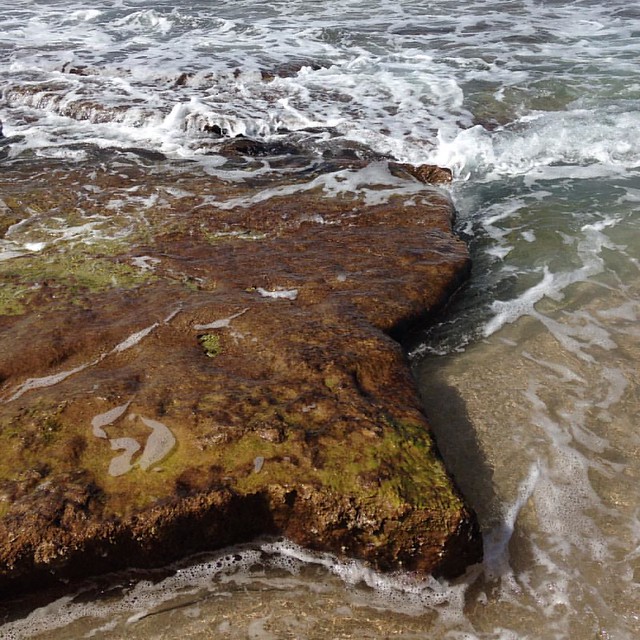
Rocky and wild #betzetbeach #perfumeryonthemove

I'm emerging from what has been one of the most challenging months of my life (and this is pretty much what I've been experiencing with every month since May of last year). Three days ago, we moved into my mom's yurt (a sort of a not-so-temporary dwelling originating in Mongolia) and after one day of total hell (predictable with major change with anyone, but particularly for autistic people) my daughter is adjusting surprisingly well to the new arrangement. So to break the doom and gloom of silence that's been hovering over this blog, I've decided to assemble an illustrated collage of scents that I've been enjoying since arriving here in Israel. It's those little things that keep me going and bring comfort in the midst of total chaos and displacement.

And what better place to begin than the beach? It's the one and only constant in our lives since leaving Vancouver (besides basic activities such as brushing teeth and eating breakfast). The north coast of Israel is fascinating with wild life and the terrain is not as monotonously sandy as the south (although this has its charm as well). Lagoons, rocks and  ancient port cities and fishing villages lace the shores, as well as remains of an ancient factory for red dye from certain sea snails.  Beach culture here is also vibrant and goes year around, with diving and surfing bringing in people who would normally complain that the water is too cold in the winter.
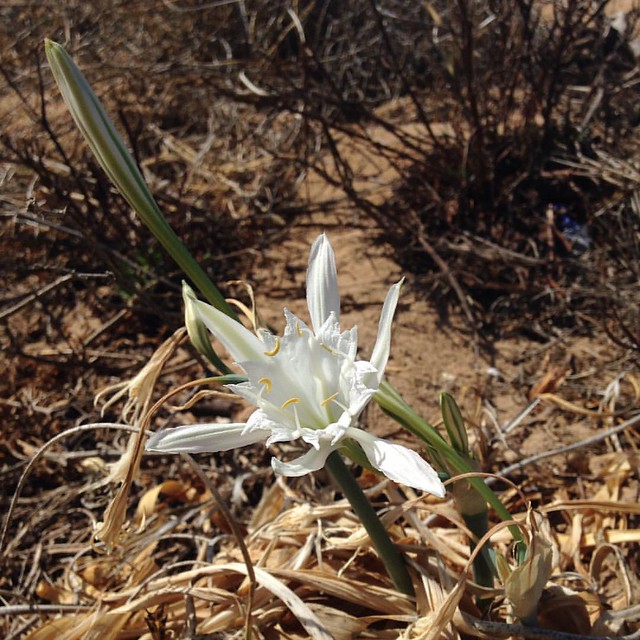
Beach lily on the dunes
And as if the beach is not wonderful enough just for its warm, azure blue water - there are also some amazing wild plants growing near it. These wild beach lilies are almost as large as the madonna lilies, and just as fragrant. But their aroma is a little different - a sultry mix of salicilates (which are typical for lilies, as well as present in ylang ylang) and hyacinth's heady green. Add to that the fact warmth from the Mediterranean sun, which beats the dewiness out of it completely - and you get a scent of slightly-cooked bulb flowers.


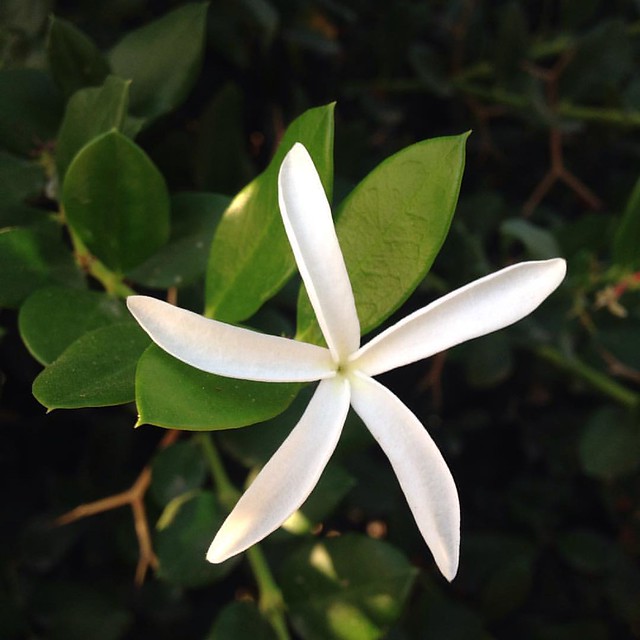
Carissa macrocarpa
Carissa (AKA Natal Plum) is another beach phenomenon, but cultivated. It can be found as a hedge plant in many coastal cities here. This plant originates in South Africa, where its oblong, bright red fruit provides an important source of food (I personally find it too astringent). The flower is what I'm more fond of, as it has shape like frangipani or tiare, and a smell that is gardenia-like, but more subtle.
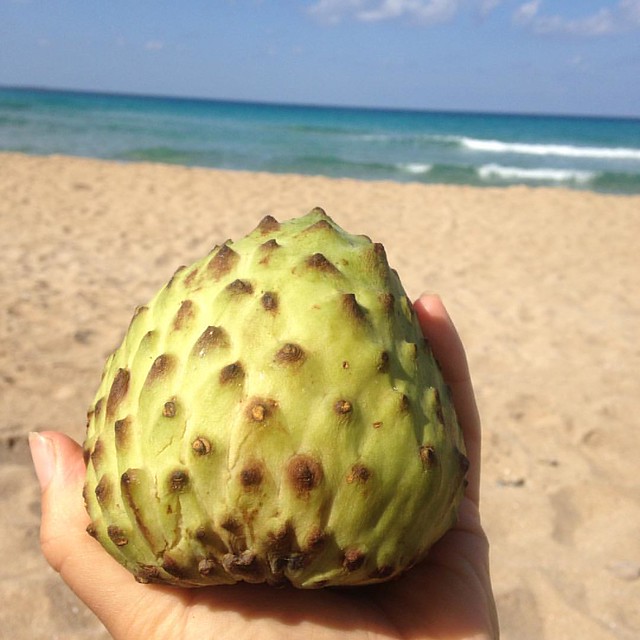
Anona #custardfruit #anona #beach #picnic
I've dedicated an entire post to guavas,  so I won't mention them again. But they are not the only remarkable fruit this season. Anona (AKA cherimoya, custard fruit or custard apple) are lovely-tasting fruit that look oddly like pine cones (especially after they get overripe and their peel hardens and completely blackens). The inside flesh has a flaky structure, similar to cooked fish, but melts in the mouth like custard. The aroma is very mild and appealing. This fruit is quite expensive, and always brings me fond memories of when my daughter was born, because my mom brought me many of them as a treat.
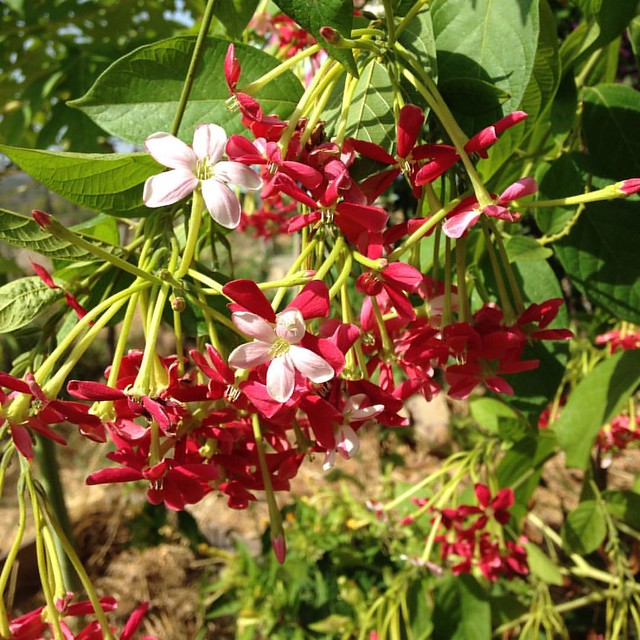
Quisqualis indica אלמון הודי. Smells like fragrant King Jade oolong.
Quisqualis indica (AKA Chinese Honeysuckle or Rangoon Creeper) greets you as you enter the veranda at my brother's house. Incidentally, this is a similar scenario to the entrance at his in-laws home. The scent is intoxicating, especially at night. Floral (vaguely jasmine-smabac-like) and heady but not overwhelmingly so, as it is balanced with green notes and overall smells like a good oolong tea, xing qin to be exact (also called King Jade).
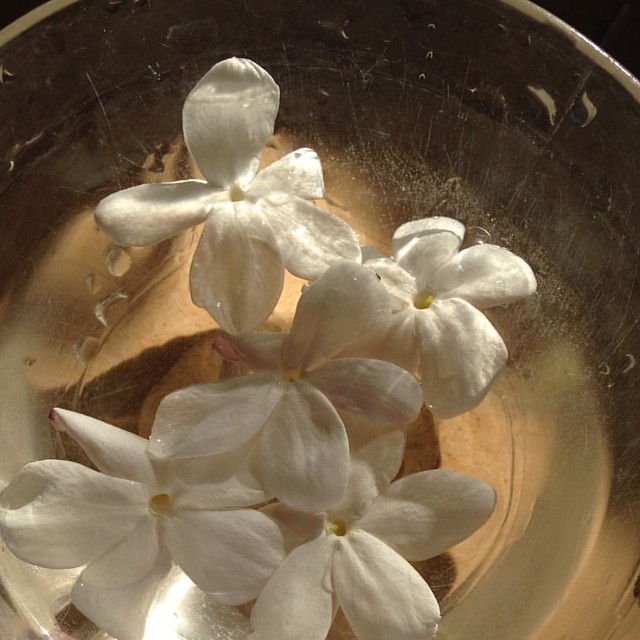
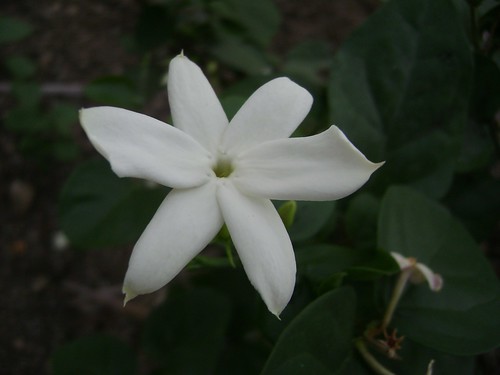
#Jasmine
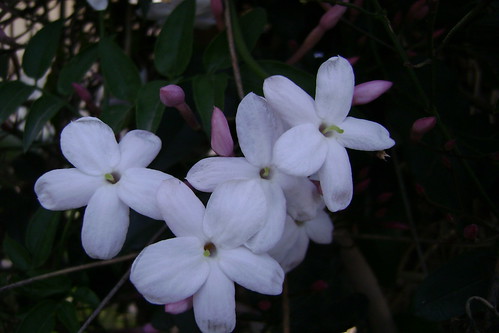
Jasmine blossoms are alive and well in this part of the world, and early morning is the best time to enjoy them. By night time most of their scent has evaporated in the sun. Sitting next to one of these bushes, with or without a cup of herbal tea (coming soon) is a most delightful way to start the day and remind me why I came here. I've been enjoying the ones near my brother's home (we've stayer with him for a month), and my own bush, planted 20 years ago, is still alive and well. There are also jasmine sambac bushes growing on my mom's property. What's fantastic is that they have no problem surviving the winters here, and can grow to be impressively large bushes with thick trunks, and they bloom many times throughout the year.
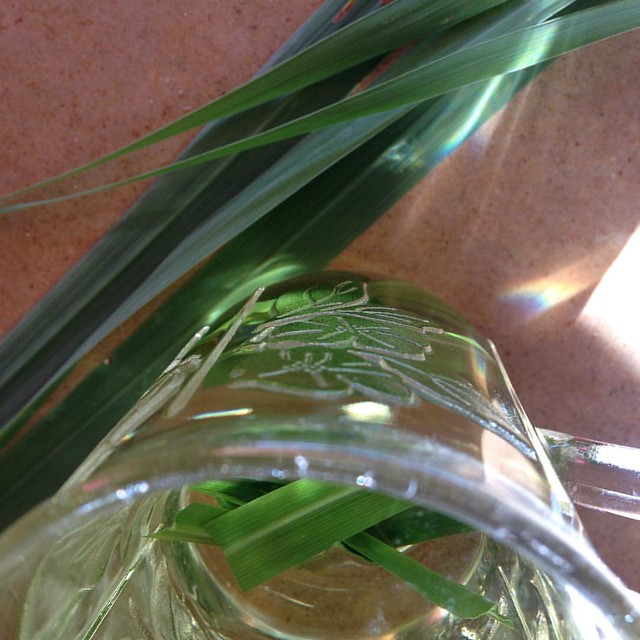
#Lemongrass #light
Fragrant herbs, especially lemon scented ones, are one of the things I missed the most about my home village. Nothing compares the taste of freshly brewed tisane from lemon verbena and lemon grass that you've just picked from the garden a few minutes ago. The flavour is so full of life and so refreshing. We like to open and close each day with this brew, sit down with family and relax; and also that's how we greet most visitors. For out of owners this is the epitome of luxury.
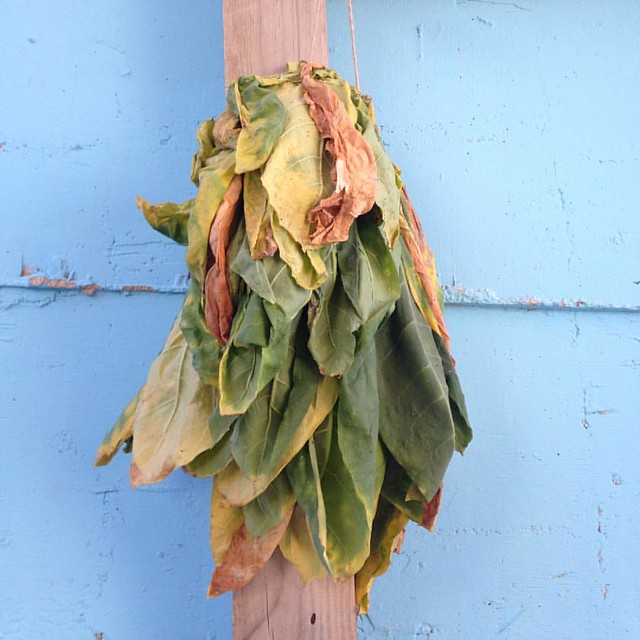
#tobacco #leaf #curing. #tarshiha
In one of my visits to the nearby town of Tarshiha, I spotted a tobacco curing joint on the roof of one of the houses. Tobacco leaves are usually harvested at the end of the summer, and can be left to cure outdoors in this climate, as the first rains won't begin till October (and sometimes even later). The scent of tobacco leaves wafted through the cobblestone lanes and many leaves that fell of the clusters on the roof could be found on the ground.
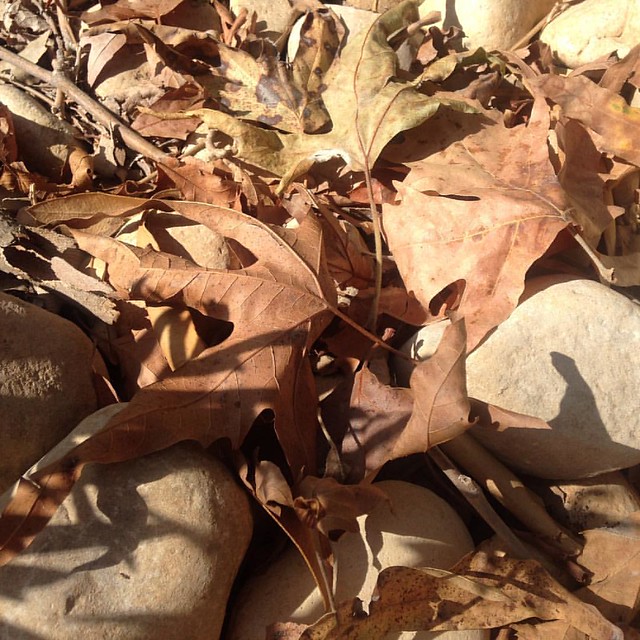
Syrian maple #fall #autumn
These are leaves of Syrian maple that I spotted in a creek nearby. They don't have any notable scent, but are significant in a symbolic way, because the season is called fall, after all. Likewise, the acorns pictured below are not particularly fragrant, but illustrious of the season's unique sights.
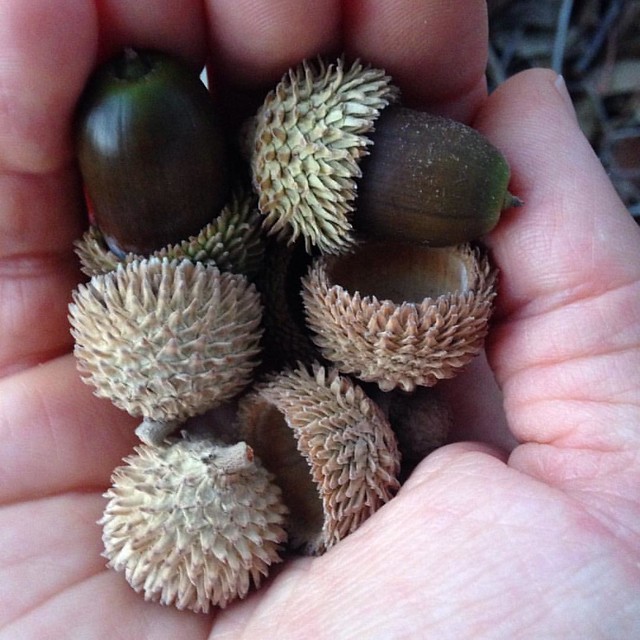
Acorns בלוטים
The acorns, I'm told, can be roasted and ground into a flour and used as a source of food. I'm going to try it this year... And serve acorn pudding from teeny tiny acorn cups. 
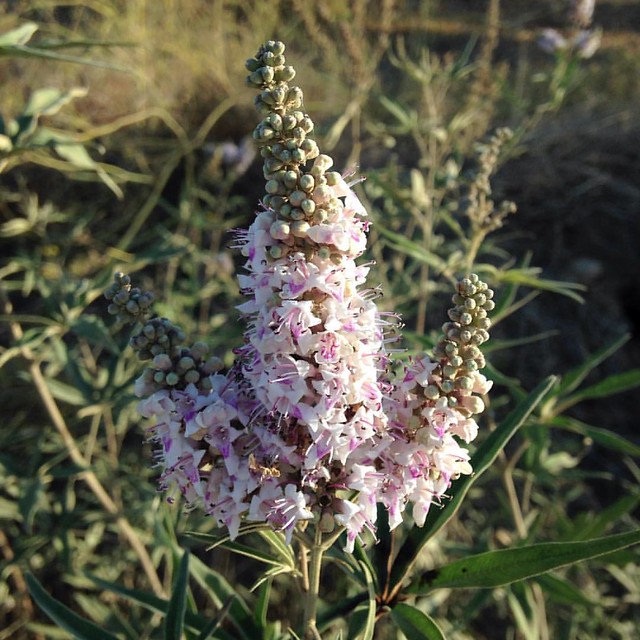
שיח אברהם/ירנך Abraham's bush (smells like #Indigo perfume( https://ayalamoriel.com/products/indigo
The flowers of Vitex agnus-castus AKA Abraham's Bush, Abraham's Balm or Yarnakh, appear in clusters like lilac, only that they are pointing upwards. They have a distinctive perfume that I can't describe. The best way to experience it outside the wild habitat is uncork a vial of my Indigo perfume.
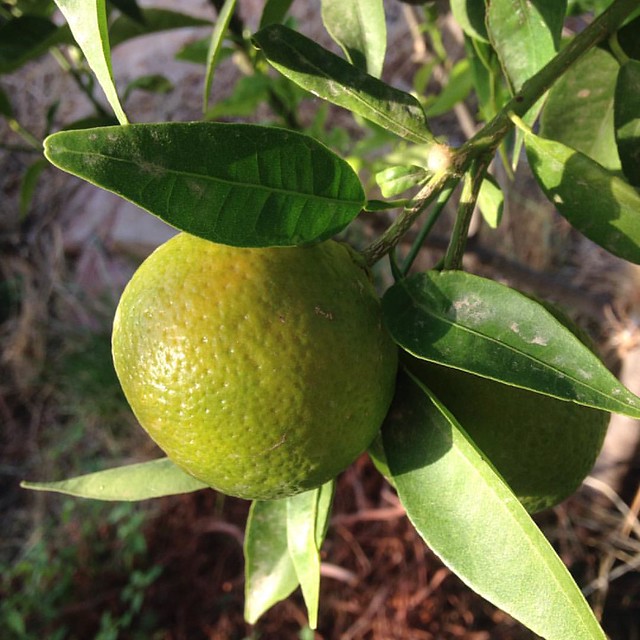
Green mandarin #greenmandarin #autumnaromas #fallflavours
The first mandarins are ripe from the inside but still green on the outside. Nostalgic scent for me, as we'd pack them for the first days of school and they marked not only the beginning of the new school year, but also the many citrus fruit that will continue to ripen and provide us with vitamin C throughout the abrupt and rather stormy Israeli winter.
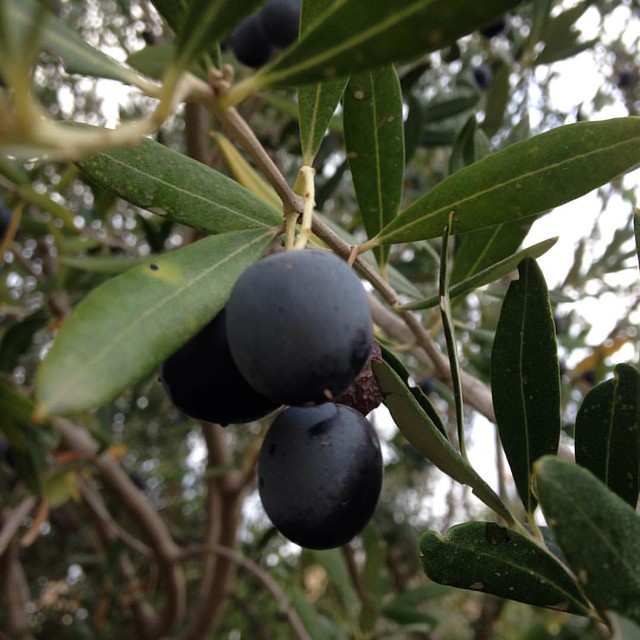
#מסיק #oliveharvest

The olive harvest season is now, and the rain wouldn't arrive to wash the dust off the olives. It was a very weak year for this crop, and many families including mine decided to not even bother picking them. My mom insisted and we helped her pluck enough olives to fill two sacks, which surprisingly yielded an entire can of oil (probably around 2 gallons). The experience was a tactile torture as there is nothing I hate more than chalky dust all over my fingers, toes and clothes. The first rain finally arrived in a short but violent outburst first thing in the morning of November 1st, so maybe now I will be more inclined to pick the remaining olives. I much prefer the smell of petrichor and olive foliage to that of dust accompanied by scorching sun.


Labels: , , , , , , , , , , , , ,

Monday, August 03, 2015

Jasmine & Lavender

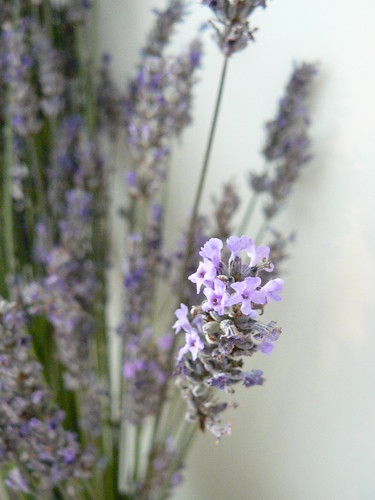
Bright Lavender

Last month was dedicated to jasmine, and in this coming month SmellyBlog will be paying extra attention to lavender as an ingredient in flavour, skincare and perfumes. I've been craving a perfume that combines both of these wonderful notes, and my lab experiments with this idea seem to be a befitting way to transition from one theme to the next.

I've approached this "brief" if you will, in a rather simple way: layer together jasmine perfumes and lavender perfumes and see if that works. I layered Brin de Reglisse over some rather dramatic white-florals to mellow down their headiness. And when I approached this in the lab - I began the day before by layering my two soliflores - Lovender and Yasmin.

I'm not a fan of layering, and I'll tell you why: what usually happens for me when layering one perfume over another on the skin is that the top one will dominate. It's a very rough way to blend two scents together, and on the way, the nuances of one are lost, and some things that are not necessarily desirable get amplified. In this case, the coumarin notes in Lovender were just too much to my liking and the mimosa in Yasmin just smelled sour and icky. That's why I hardly ever recommend layering scents... The results are so far from the original intent of the perfumer.

With those problems anticipated I set off to compose something that takes the best of both worlds (hopefully). I sort of amalgamated the two formulae, but decreased the amount of coumarin-rich components. My Jasmine & Lavender fixation was satisfied. And I got to play in the lab with some other ideas that kept me itching with curiousity. Such as another try at bringing out the tea qualities of jasmine, and rebatching limited edition Jasmine Pho - a refreshing, almost juicy-aldehydic, green-citrusy jasmine fragrance that is very enjoyable in summer.

Labels: , , , , ,

Friday, July 31, 2015

Jasmine: A Summary

Grasse jasmine

"Everybody has some sense of what good food is. 
What many of us actually eat may not taste specifically good, may not be particularly good for us, and probably comes from a farm or factory we don't want to even imagine. But that's not because we don't know what we want. It's just that we always seem to end up eating something else."
(Jeff Crump - From Earth to Table, p. 1)

I could say the very same about perfume. How many times we know what a good perfume should smell like, but buy into the marketing schemes, or make a purchase because of the bottle alone? How many times it's the persona selling the perfume (a model, celebrity, or a brand-owner we find inspiring) that convinces us it's what we should wear? The power of suggestion is even more pronounced in the fragrance industry. Tell someone there is jasmine in their perfume, and they'll find something - anything - to remind them of what the gestalt of jasmine is in their minds.

While jasmine fits in beautifully into pretty much any composition, illuminating it with its aura and creative more space where before dense matter lay flat and barely breathing - adding anything TO jasmine in order to make it beautiful is almost as ridiculous and frustrating as putting makeup on a beautiful 4 year old girl.

The essence of Jasmine is a perfect thing. To add anything to it, or to take anything away, requires both vision and manipulative skill. How can you make it less indolic but not silence the animalic purr that is so prevalent in a good jasmine? How can you make it fruity and juicy, without being too sweet, cloying and cheap-smelling? How can you take something that is essentially perfect the way it is, and create a new fragrance from it, a jasmine statement unique to you as a composer?

I've spend the best part of July testing jasmine perfumes from all walks of life: the mainstream department store types, artisan and/or natural, niche, and even the synthetic cheapie varieties. It prove to be a far greater challenge to find a satisfying, convincing jasmine that truly brings forth the beauty of this raw material while respecting it. The ones that I've shortlisted boil down to a very short list, actually, and appear in alphabetical order below. It would be interesting to note, that the most intriguing of them are those which do not possess the ambition of being overtly jasmine, but at the same time do not shy away from using impressive dosage of this note.

A La Nuit (Serge Lutens) - Straight up jasmine, and quite believable at that. 

Diorissimo (Dior) - Breathtaking Lily of the Valley masterpiece by Edmond Roudnitska. Look for the vintage or better yet - the extract, where the jasmine absolute is quite evident, as are the green notes and boronia.

Donna Karan Essence: Jasmine (Donna Karan) - realistic jasmine, even if simple. For similar effect, seek out jasmine absolute diluted at 5% or 10% or so at Intelligent Nutrients (Aveda used to have a "Jasmine Absolute Oil" but it seems to have disappeared) or at various aromatherapy suppliers. 

Drama Nuii (Parfumerie Generale) - fruity-lemony jasmine with musk 

Eau d'Hermes (Hermes) - jasmine with lemon and cumin 

Emotionnelle (Parfums DelRae) - Jasmine, violet and cantaloupe


Eau Sauvage (Christian Dior) - Hedione galore (a staggering 40%) in the heart of the father of all masculines. Masterpiece by Edmond Roudnitska, which means you must try it (look for vintage)

Jasmin de Nuit (The Different Company) - jasmine popsicle, with lemon and vanilla 

Jasmine AKA Clair-Obscur (Keiko Mecheri) - Soapy lily of the valley and jasmine 

Jasmine Tea (Artemisia Perfumes) - bejewelled jasmine green tea, with fir, osmanthus and green tea

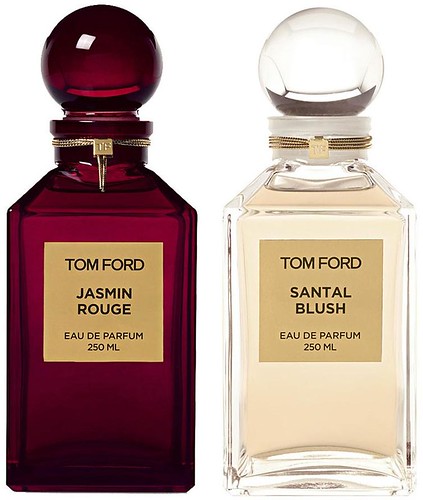
Jasmine Rouge (Tom Ford) - realistically luxurious jasmine

Joy (Patou) - jasmine and rose

Le Parfum de Thérèse - jasmine, plum and basil sorbetto. Masterpiece by Edmond Roudnitska 

Opium (YSL) - jasmine, orange, patchouli and spices

Samsara (Guerlain) - jasmine and sandalwood

Songes (Annick Goutal) - jasmine ylang ylang heaven


Labels: ,

Alba Botanica's Hawaiian Moisture Cream with Soothing Jasmine & Vitamin E

Alba Botanica's Hawaiian Moisture Cream with Soothing Jasmine & Vitamin E  used to be my favourite face cream before Persephenie came up with much more wholesome formulations, and even better perfumed, such as her Rose Paka. I got to admit though: I've abandoned all face creams in favour of my own Elixir - a hand-blended face oil, that is made of nourishing noncomedogenic oils and smell wonderfully rosy and fruity. For this jasmine fest I've also experimented with formulating a jasmine-scented face oil, using avocado oil as the base, in hopes of a greater synergistic effect for sensitive skin. I'm yet to find the right balance of jasmine to the base oil, because there is a tendency of jasmine to get completely hidden in a fatty base. When making perfumes it's not a problem, because high concentration is fine. But in body and skincare products, no more than 1-2% at the very most is recommended, and even less is advisable for the face.

So this is where Jasmine & Vitamin E cream still holds its place as the go-to jasmine-scented moisturizer. It is beautifully scented, with just enough jasmine to give it that character, and a light, heady ylang ylang to support this tropical, intoxicating aroma while keeping its costs down. The texture is very light weight, so I would use it during the day mostly. I'm not too keen on the least of ingredients, though, which seems to have its main constituent as water, seconded by sunflower oil (which is nice enough, but not as rich as I'd like my face cream to be), and glycerin as the third ingredient. Glycerin is not the most moisturizing ingredient, actually. It's humectant, which means that it draws moisture out of the air and into your skin if humidity level is 65% or over. But in a dryer weather, under 65% humidity, what it would do is actually suck out the moisture out of your skin. So I would be careful about using glycerin-based products, depending on where you plan to use the product.

Other than that, it does have some list of beneficial extracts and oil, including both jasmine and chamomile, which are both good for sensitive skin, and various nourishing oils such as borage, sweet almond, jojoba, and of course vitamin E. It's hard to tell how much impact these ingredients would have, it really depends on their exact quantity and quality. But overall, this is a fun product to use, with a lightweight, fast-absorbing texture, and a lovely scent. And you all know that I'm a sucker for the latter.

Ingredients (as appears on the packaging and on Alba Botanica's website):
Aqua (Water), Helianthus Annuus (Sunflower) Oil (1), Glycerin, Glyceryl Stearate, Octyl Palmitate , Aloe Barbadensis Leaf Juice (1), Cetyl Alcohol , Glyceryl Laurate , Tocopheryl Acetate , Aleurites Moluccana Seed Oil, Borago Officinalis Seed Oil (1), Macadamia Ternifolia Seed Oil , Prunus Amygdalus Dulcis (Sweet Almond) Oil (1), Simmondsia Chinensis (Jojoba) Seed Oil (1), Carica Papaya (Papaya) Fruit Extract, Centella Asiatica Extract , Chamomilla Recutita (Matricaria) Flower Extract, Jasminum Officinale (Jasmine) Extract , Zingiber Officinale (Ginger) Root Extract , Allantoin , Dimethicone , Panthenol , Stearic Acid, Tocopherol , Tromethamine , Xanthan Gum, Ethylhexylglycerin, Phenoxyethanol, Amyl Cinnamal, Benzyl Benzoate, Benzyl Salicylate, Butylphenyl Methylpropional, Eugenol, Geraniol, Hydroxycitronellal, Hexyl Cinnamal, Hydroxyisohexyl 3-Cyclohexene Carboxaldehyde, Linalool , Fragrance (Parfum)

Labels: , , , , ,

Carol Priest's Jasmine Flower Toner


In celebration of jasmine this month, I'd like to mention Carol Priest's Jasmine Flower Toner. I can no longer find it in town, but when I did I truly enjoyed a more light handed experience of jasmine on my face.

Jasmine offers some wonderful properties for the skin. It is particularly recommended for sensitive skin, so enjoying it in this light and safe quantity (this is not a true hydrofoil, but rather jasmine absolute emulsified into distilled water, with the aid of alcohol and carprylyl/capryl glucoside). This ingredient is vegetable-derived and has surfactant, solubalizing and cleansing properties.

Ingredients: Distilled Water (Aqua), Alcohol, Caprylyl/Capryl Glucoside, Jasminum Officinale (Jasmine) Oil. 

P.s. I have no idea why images of orange blossoms were used to illustrate this product on the company's website; but not it's a common mistake. I've even seen citrus blossoms (probably pomelo, actually) labeled as jasmine flowers in a rather famous tea-related coffee table/resource book. 

Labels: , , , , ,

Thursday, July 30, 2015

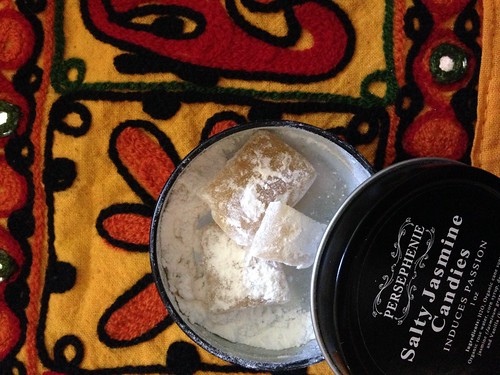
Salty Jasmine Candies

Salty Jasmine Candies

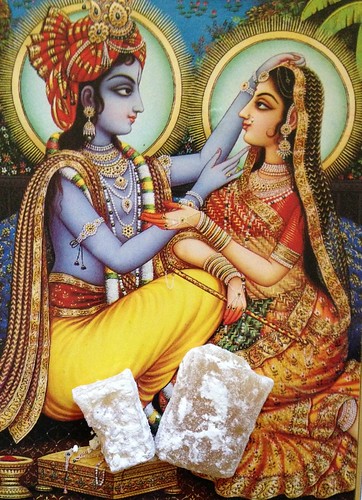
Persephenie's Salty Jasmine Candies  indeed induce passion, as their subtitle promises. This is done by taking you by surprise with an explosion of jasmine absolute in your mouth These are little, unevenly sized and shaped flat sugar candies that are dusted with powdered sugar, which gives them the appearance of a dangerous substance. They are generously flavoured with jasmine oil. The result is a very bold, uncompromising experience, not unlike licking one's nose after it has accidentally touched the bottle of jasmine absolute you've just sniffed... Its saving grace from being too perfume and soapy is the balancing effect achieved by salt and a hint of vanilla. Both these elements enhance the flavour of the candy, its sugariness transforming into a more luxurious and caramel-like sensation in the mouth (even though in reality these are hard candies*). That mineral note is really quite fantastic and like what I've experienced in saline floral perfumes such as Vanille Galante (which is more of a lily-based concoction), and Emotionelle. For extra boost, eat those while you're wearing Emotionelle, for the salty-yet-sweet effect it creates by pairing jasmine with cantaloupe and violet.

* Interestingly, in the heat of the summer, they have become more soft and taffy-like.

Salty Jasmine Candies

Labels: , , , ,

Wednesday, July 29, 2015

Pairing Jasmine

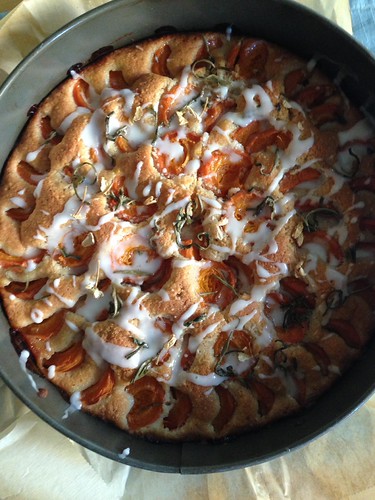
Apricot Jasmine Tea Cake

Most of us are familiar with jasmine teas, but what other culinary uses are there to jasmine?
Because jasmine absolute is so costly and hard to come by for most, and also difficult to work with at the right concentration for food preparation, it is not easy to find recipes that are jasmine-flavoured. The few that are, typically call for infusion of jasmine tea to achieve the desired aroma. 

As far as gourmet cuisine goes, jasmine as a flavour can be mostly found in desserts. Renown pastry chef Pierre Hermé created remarkable macarons that are flavoured with jasmine, and inspired macaron-makers the world over to follow suit. Mango-jasmine macarons are one of my favourites. Jasmine's complex yet light floralcy blends magically with the juicy muskiness of mango. I recommend you try this pairing with simpler mango recipes you may have, i.e. in homemade mango gelato or ice cream. 

Jasmine pairs beautifully with fruit, as it has its own fruity facet due to the presence of some esters and fruity aldehydes. The few jasminey recipes in my cookbook collection include a tropical fruit salad with jasmine tea and chile syrup - a beautiful, simple to make yet innovative flavour combination from Tonia George inspiring little book "Tea Cookbook - sweet and savoury recipes for tea lovers". In his book Aroma, Daniel Patterson (the renown chef of Coi, one of the world's top-notch restaurant), offers a recipe for a jasmine syrup that can be used creatively, either as an addition to fruit salads, or as a base for a fruit sorbetto (he's providing a recipe for White Peach and Jasmine Sorbet in p. 111), using a syrup from boiling together 1 cup sugar, 3 cups of water, and 2 Tbs of jasmine pearls. He's recommending 10min of steeping, but I would be cautious with this timing, as long steeping create a very bitter taste, and not necessarily in a good way. To maximize the flavour of any tea, use the same steeping time you would use for that type of tea; only increase the amount of tea used (that's when you really do not want to be cheap!), and make absolutely sure the tea is very fresh and vibrant with flavour (no older than a year, that's for sure, and for some teas 6 months is all you need to lose their remarkable aroma).

For jasmine tea, I'd say no more than 3-4 minutes steeping time; but use larger amount than this recipe: you normally want about a pearl or two per teacup (which is 5oz), or if you're using green jasmine tea   that is not rolled into pearls - you want to use a teaspoon for each cup; so for a stronger flavour, double that at least. That would come up to 5 teacups for the amount of water Daniel Patterson specified in his recipe (750 mL). For that I would use at least 10tsp of jasmine tea, in other words: 3 Tbs and 1 tsp.

Another step in the syrup technique that I would do differently: I would steep the tea leaves in 2 of the cups (brought to the tea's optimal brewing temperature, for jasmine green tea that would be 175 F), and would create a simple syrup from the remaining one cup of water and the entire cup of sugar. Only once both are ready and cooled off a little, I would blend the strong tea infusion with the simple syrup.

Jasmine has a strong affinity with desserts, and the only savoury pairing that I've seen where to chicken or chicken broth, and while served with dim-sum or Vietnamese pho noodle soup (which is what inspired my verdant Jasmine Pho - a limited edition perfume that is gladly back in stock as of yesterday!). In the same book, Chef Daniel Patterson also offers one savoury recipe, for Jasmine-Steamed Chicken Breast (p. 112). I cannot comment on this recipe because I neither cook nor consume poultry; but I would gladly experiment with jasmine tea within a refreshing, cool version of a noodle salad, or in a creative vegetarian version of the wonderful pho noodle soup. The jasmine tea works well as an accompaniment, so I can't see why it won't work in a simple cilantro broth, being topped with fragrant Thai basil, jalapeño and lime.

IMG_4840

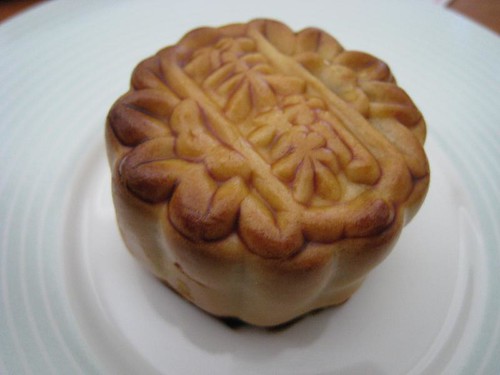
Jasmine tea is recommended for pairing with coconut desserts, and in general all mildly sweetened Asian desserts go fantastically well with it, which is possibly why you'll be served a pot of jasmine tea as soon as you sit down for dim-sum. It is also served to accompany the pho - the deliciously light and fragrant Vietnamese noodle soup, where the jasmine's aroma beautifully complements the fresh cilantro and basil leaves. Jasmine Tea Mooncakes (pictured above) are a traditional food of the Mid-Autumn Festival celebrated in mainland China, Taiwan, Vietnam and among Chinese communities the world over. It's a pastry that is filled a paste or a cream made of taro root or lotus-seed or a variety of other modern interpretations, to which other flavours (such as tea, fruits, nuts, and more recently also coffee and chocolate) can be added.

I've used jasmine absolutes countless of times in my infamous chocolate truffles: Charisma truffles (white chocolate with matcha, jasmine sambac and spearmint), Espionage (both the truffles and the chocolate bar), where it lends a complex, musky depth and helps to smooth out the smoked salt and peppery juniper notes, and countless other experiments. But using absolutes requires: a) access to high-quality, unadulterated jasmine absolute; b) expert hand at blending and knowing the challenges of using such a mind-bogglingly concentrated material: a single drop of jasmine sambac absolute carries the potency of 66 flowers!

The much safer and accessible way in which to incorporate jasmine's flavour creatively in your cooking and baking is with jasmine tea. Here are a few ideas and examples you can play with:
1) Loose-leaf jasmine tea can be easily incorporated into shortbreads and even biscotti, as you've known if you were to attend any of my fragrant afternoon tea parties.
2) Infuse chocolate ganache, pastry creams, custards, gelato/ice cream, sorbetto or créme brûlée with jasmine tea leaves to add a special nuance.
3) Use a simple jasmine syrup as a substitute for the rosewater or orange flower water used to sweeten Middle Eastern pastries (such as harissa, basboosa or baklava). Substitute a strong jasmine tea for the floral water, and only at the very end of the cooking process, once the syrup has cooled down!
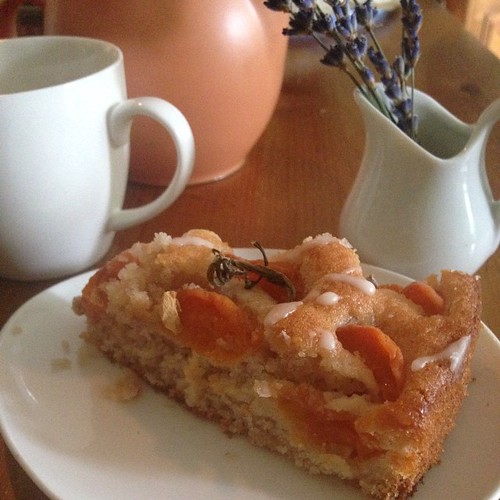
4) Find other creative ways to include jasmine flavour in your desserts, for example: chopped up infused leaves inside cakes (as in the Apricot Jasmine Tea Cake recipe I shared with you over the weekend).

Last but not least: Jasmine tea is a wonderful addition to a mixologist's repertoire, as its light colour and crisp aroma works well with many chilled cocktails: it's beautiful with spearmint, so it goes without saying it will be fantastic in a mojito with muddled spearmint and freshly squeezed lime. It will also work beautiful with gin, i.e. in a Jasmine Gin Fizz; other floral liquors such as St. Germain (an elderflower liquor) in Jasmine & Elderflower Martini, with absinthe in Jasmine Tail, with tequila and lime in Jasmine Tea Margerita, or just as a standalone, chilled iced tea with or without a shot of vodka.


Labels: , , , ,

Jasmine & Cantaloupe

Cantaloupe

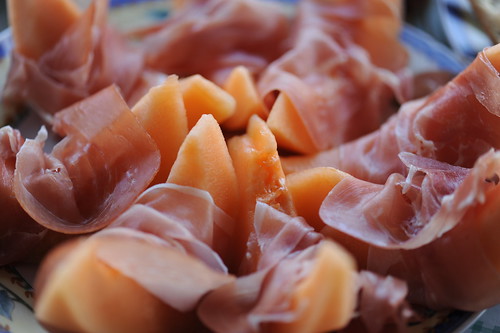
When visiting Grasse in spring 2009, I was intrigued by Salade de melon et jambon de Parme
 (AKA Prosciutto e Melone - a simple carpaccio dish that seemed rather alluring even to my eternal vegetarian-born-and-raised palate. Thin slices of cured ham were layered flat on a plate, and wedges of cantaloupe arranged on top. It seemed so odd to me to pair something so meaty and brown with something so vividly orange and juicy. But, living vicariously through the carnivore boyfriend I had at the time, I gathered that the magic lay in the contrast between the saltiness of the prosciutto and the fragrant sweetness of cantaloupe - not unlike the Balkan signature pairing of crispy sweet watermelon with creamy and heavily brined feta cheese.

Later research into the matter also informed me that pork has a coconut, peach and apricot-like notes to it from lactones, which makes it so suitable for pairing with fruit as well as certain fruity white wines or lightly oaked reds. Vegetarians may enjoy a somewhat similar experience by savouring tiny cubes of well-aged Pecorino Romano with abovementioned cantaloupe; or if you want to go overboard, find yourself a coconut-gouda and watch out for exploding tastebuds. And since we are on the topic of coconut, vegans can also enjoy the coconut and cantaloupe contrast by sprinkling fine coconut flakes on their melon; or toasted coconut curls for an even more decadent experience.

Prosciutto e melone

While in Grasse, I had the pleasure and honour to meet with Michel Roudnistka - a multi sensory and visual artist (photographer, perfumer and filmmaker who combined his videos into a film that is accompanied by five difference ambient fragrances, each for a different indigenous culture around the world), and that is when I firs experienced his magnificent perfume Emotionelle, which he created for Parfums DelRae in San Francisco. How does Emotionelle smell?

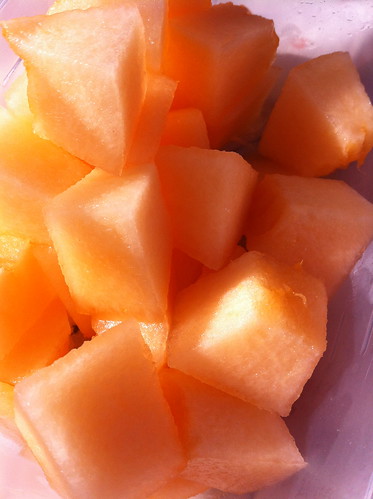
Picture this in ripe, juicy, room-temperatured cantaloupe in your mouth, with a full-bodied flavour filling your entire palate:

Crisp Cantaloupe
Suddenlly and immediately, you are interrupted by more than a whiff of this indolic jasmine:
Grasse jasmine
That is the basis for Emotiomelle, the main structure upon a complete, original and unusual perfume is built. One could argue the source for this pairing is in Le Parfum de Thérèse (which the perfumer's father created for his mother), or Diorella. However, the other two had melon, not cantaloupe. And that is a huge difference. As far as influence goes, I would suspect that a new cantaloupe molecule or base was invented that year in one of the Grasse houses, because both Emotionelle and Un Jardin Après la Mousson (which pairs this very cantaloupe note with more bracing, chilled spice notes and cooling vetiver) were released the year prior (2008).

Emotionelle opens with a big, ripe, juicy cantaloupe note and is paired with sultry jasmine and sweet violets. It’s hard to believe these will get along, but they sure do. The key is in the balancing of the animalic indole in the jasmine with softly-blended, oily violet, musk and cedar notes, almost like pastel crayons smeared with a persistent finger to create a bold picture with loud colours yet with very soft texture.

The result is magical, even if a little disturbing, like striking the right chord in the right time. After all, we are talking about pairing something very edible, with something very floral and animalic. To me Emotionelle is very sexy, sensual. I like the fact that it's a distinctive tricolour - with cantaloupe, jasmine and violet being in the centre at all times. There is a complexity and tension that all three bring to the composition, but there are also other subtle layers underneath that keep it from being too simplistic and ordinary. Those who yell "cantaloupe" and dismiss it (most of the reviews I read, actually) miss the entire point. There are many composition styles, and Michel Roudnitska's is one that takes a theme and goes all the way with it. It's also what I smell in Noir Epices: it's very bold combination of geranium, cloves, orange and cinnamon. But it's brining a new, modern meaning to the ages-old pomander scent (the root of all Oriental-Spicy scents, if you ask me) - by not trying to play it quieter, but rather amplifying the seeming dissonance between those notes. Those who pay attention will find it actually humorous, playful and at the same time sophisticated. In the case of Emotionelle this is achieved with low dosage of musk to offset the animalic indole; cedar wood to substantiate the ionones; and warm, sweet notes of honey, amber and labdanum to deepen the sweetness of the cantaloup, with tiny sparkling of spices (cloves, cinnamon) for a bit of warmth and dimension.

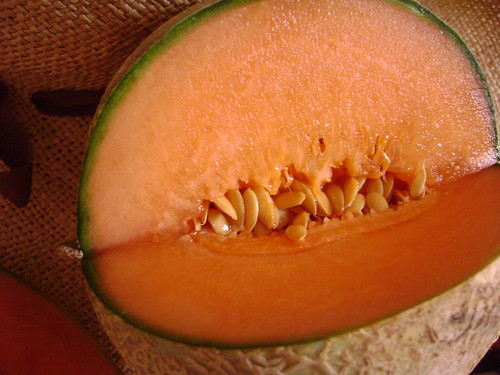
Cantaloupe

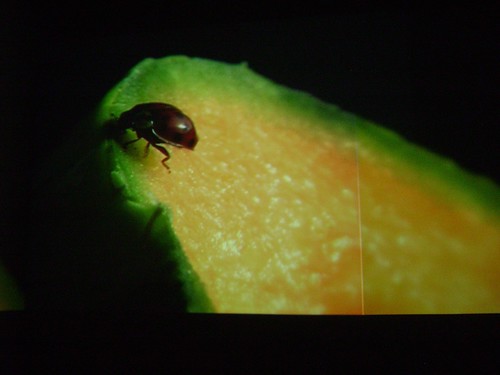
To me this perfume will forever remind of Southern France and in particular Grasse, and the visit to Michel's studio and home in Cabris where I first smelled Emotionelle. There was an osmo-art (multi sensory film) projected in one of the room of the MIP (Musée International de la Parfumerie, AKA International Perfume Museum) of which an image of a ladybug crawling along a split cantaloupe was the olfactory if not visual highlight. And lastly, the cantaloupe in the above photo is one I bought and ate there, in its entirety, one afternoon. I didn't have a big enough refrigerator in my hotel room there, so I had to eat most of it room-temperature (which is actually delicious, by the way: it makes the fragrance more apparent than when chilled). It is the perfume of a hot spring day up on the mountainous Alpes-Maritimes-Cote d'Azur, where the sun shines generously, people are warm and hospitable, life is slowly savoured with the people you love, lunch breaks span over two hours minimum, and an afternoon siesta to follow is not a bad idea at all, especially when the room is permeated with a fragrant cantaloupe.


Top notes: Cantalupe, Tangerine, Bergamot, Ylang Ylang, Prune
Heart notes: Jasmine, Violet Flower, Violet Leaf, Rose, Cinnamon, Honey
Base notes: Vanilla, Cedarwood, Cloves, Patchouli, Musk, Amber, Labdanum

Labels: , , , , , , , , , , , , , ,

Tuesday, July 28, 2015

Madini's Jasmine


Madini is a provider of various fragrance oils * in the like that is sold in many Middle Eastern souks' perfume booths. Some of their oils are single notes compounds; some are replicas of commercial designer fragrances (i.e.: Angel, No. 5 and other best-sellers), and some remain true to the Arabian style of perfumery, even if made with cheaper raw materials. Traditionally, a perfume business runs in the family, and the father passes the art and wisdom (selecting oils, etc.) to his sons (it is primarily a patriarchal system, though it is changing), and I gather Madini have been around for 400 years.

The vendor (who nowadays rarely is the perfumer) will either bottle it as it is in an ornamental-looking bottle with a dauber, or in a simple roll-on - or if you wish, will blend it for you in some alcohol so that you can spray it. DPG can be mixed in both oil and alcohol, and that's the advantage of this material, besides it being very cheap (unlike jojoba oil).

"The sweet and most celebrated flower of North Africa. Considered by many to be the most precious of floral ingredients, certainly one of the costliest". Given that it is sold for $25 for a 6 mL bottle (which brings it to roughly $125 per oz), I can see how someone may be inclined to think they are purchasing pure jasmine. This is not the case. This is simply a jasmine-like concoction of mainly (if not solely) synthetic molecules that is designed to replicate jasmine. It is not far off the jasmine base that I've described in my earlier article on jasmine, and is very potent. Certainly not something that I'd recommend wearing neat on the skin. It's just way too potent and harsh that way, and goes up your nostrils with a bit of a stinging sensation.

Okay, now I've diluted it to a normal eau de parfum concentration (in alcohol). Much better... But still, it's very cheap-smelling, and not convincing enough as a jasmine. I'm pretty sure that if it were to be blended with other notes, it would be okay, for example: if it were to be blended with fresh, citrusy or herbaceous essential oils, or with a true patchouli essential oil base - it will give it some more soul. Overall, it still smells flat, chemical (a combination of acetone and something else that still maintain a green sharp ice-needles in my nose, even after dilution). There is a hint of indole in the base that makes it feel a tad more real than other cheap jasmines I've smelled lately, but I would not wear it on its own as a soliflore, because it is just too harsh and sharp this way. But either way, I'm sorry to say that this goes down as a scrubber. I couldn't even do that too well - so I layered it with Brin de Réglisse and now I can breathe a little better... At least for a little while - the jasmine creeps up again after an hour or so, making both a scrubber once more!

For that price, or a little bit higher, you can get yourself a sample of pure jasmine absolute from a reputable supplier such as White Lotus Aromatics or Eden Botanicals, and dilute it in an oil of your choice (or get the jojoba-oil 10% dilution). I guarantee you will enjoy it much more. If you are interested in authentic, modern-day Arabian perfumes that are all-natural and beautifully crafted, I recommend you visit Amal Al-Kuwait's website. They are the real deal, and their Fatima perfume has loads of natural jasmine grandiflorum absolute, along with oud.

* “A compound of various raw materials (synthetic and/or natural) that are usually suspended in a base of DGP (dipropylene glycol).” 
- Excerpt From: Ayala Moriel. “Foundation of Natural Perfumery: A Practical Hands-on Guide for Creating Your Own Fragrances.” iBooks

Labels: , , , , ,

Monday, July 27, 2015

Ikat Jasmine

BD011 (detail)

The most interesting thing about Ikat Jasmine is its name. Ikat is an elaborate resist-dyeing and weaving technique in which rather than dyeing the finished, woven fabric - the individual threads or bundles of yarn are tightly tied or resistance-treated before being dipped in the dye, and only then woven into elaborate patterns that (unlike printing a pattern) are visible on both sides of the fabrics. This is an ancient technique that is labour-intensive and requires both skill and artistry. It is extremely difficult to create accurate patterns with the pre-dyed yarn, especially when trying to create elaborate designs with multiple colours. Therefore there is always a blurry quality to it - which adds to its charm and character. Ikat fabrics made with finer threads (such as silk) and several colours require an expert weaver, and usually are more accurate and costly. In many of the cultures where Ikat is produced, the fabric is considered to possess magical powers, endow its wearer with good luck, or at least be a symbol of status.
Ikat Looms

The technique can be found among specific weaving traditions, all over the world: Central Asia, Southeast Asia, India, Japan, Africa and the Andes indigenous people of South America. Most of these cultures use either a warp or weft ikat; while only very specific locations produce the even more elaborate double ikat, in which both the warp AND the weft are resist-dyed, for example: India (Pochampally Saree from the Bhoodan Pochampally village in Telengana State; and Puttakapa Saree from the Puttakapa village in Andhra Pradesh). The Balinese village Tengan (Indonesia) produces the beautiful geringsing; and in Okinawa, Japan (where it is called tate-yoko gasuri). In Okinawa there is an additional uniquely Japanese ikat technique called Oshima, which is used for stiff fabric and is so labour intense it is reserved for royalty).
ikat
Reading up about it was probably the best thing that came out of this short-lived perfume experience. I now have an even greater appreciation for the art of weaving. But also am more disappointed of this perfume, whose only connection to its name is its blurry, nondescript quality. However, while the blurriness of an ikat fabric shows its handmade origin and gives it a one-of-a-kind value - Ikat Jasmine perfume smells impersonal, industrial, synthetic and showcases neither jasmine nor ikat-like craftsmanship in its design and execution. To begin with, its only resemblance to jasmine is to star jasmine, which is not a true jasmine at all. In other words - there is no indole and no other dirty secrets to discover. In addition, there are absolutely no fun surprises of twists-of-plot for this number. From a nondescript floral frolic it smoothly and stretches into a yawn-inducing musky-ambery vagueness. To be fair, it is a pretty and wearable whitish floral ambery-musky thing, and all in all not bad if you place it next to, say, Halle Berry Exotic Jasmine. But compare it to what true jasmine absolute smells like or one of the more successful renditions of the theme (Jasmin de Nuit, Jasmine Rouge and A La Nuit), not to mention something a tad more imaginative such as Alien - it hardly demands mentioning.

Another point of reference is the price: for $125 CAD plus tax, you can do better than that: Either save yourself $26 and get Pure Poison, which is basically the same thing (minus pretending it's a high quality jasmine fragrance) add $25 more and get A La Nuit by Serge Lutens, both available at Sephora on Robson Street (for some reason they don't have the Serge Lutens on their website). To be fair, though, it is so much better than California Star Jasmine by Pacifica. Like, 100 times better. But that says more about Pacifica's disappointing launch rather than the topic of this blog post.

The notes are supposedly Tuberose Fleur, Jasmine Sambac, Jasmine Egypt Infusion, Honeysuckle, Tuberose Infusion. What my nose is smelling is Star jasmine, orange blossom, white musk and a hint of powdery, sheer amber. 

Labels: , , , , ,

Sunday, July 26, 2015

A La Nuit

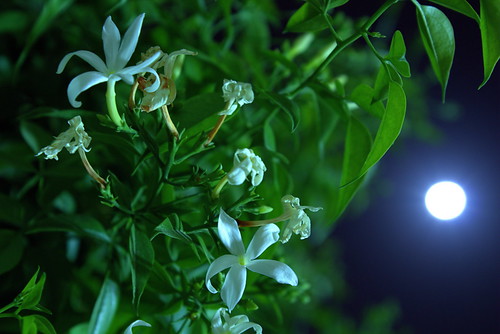
Under the moonlight

A La Nuit is moonlit jasmine in all its glory. Jasmine is both radiant and forceful, delicate and at the same time larger-than-life.

This jasmine night opens with the intoxicating perfume of the flowers as they intensify in the dimming sunlight of summer sunset. As the light turns from burnt orange and hot pink into deep indigo, silvery streaks of moonbeams shine light on the little flowers on a climbing vine.

I've already expressed the difficulty to describe jasmine as a standalone. How can one explain its scent, dissect its facets and do it justice? I feel the same about A La Nuit, because it is a true jasmine perfume. It shows jasmine's complexity and beauty without sugar-coating it, prettyfing it with a bunch of musk and/or vanilla, nor exaggerating its already outspoken character.

The first time I smelled A La Nuit I thought to myself "It smells like jasmine, what's the big deal?".  If it wasn't for all the jasmine garbage that's out there (and which much of which I've been testing in the past three weeks), I would have dismissed this remarkable achievement. A La Nuit is a rare case that smells like the living and breathing flower, or the freshly picked blossoms before they undergo any extraction - by solvent, enfleurage or any other method. It's the pure scent of the tender flowers as you tickle your nostrils with their cool petals and just dive into this otherworldly, yet at the same time very earthly indulgence. The description on LuckyScent is quite neat and accurate, also just as a writeup on jasmine. Smelling A La Nuit also reminds me of Mandy Aftel's words:
"Its small, white, waxy blossoms exhale a perfume so peculiar as to be incomparable. TO walk past the flowering shrub in the evening is to be enveloped in the most glorious door, which turns an ordinary street corner into a boudoir." (Fragrant, p. 205)

My only reservation about this perfume is not exactly its longevity, but its evolution. On me the sensational stage of jasmine lasts a very brief, even if euphoric time. But perhaps this is a blessing in disguise - as I find too many floral fragrances to be cloying and headache inducing. It does, however, paint a jasmine-y picture without boiling down to the redundant musky-vanilla boredom that I've been mostly smelling in the last few weeks. Of all the jasmine-themed perfumes I've tested, this is by far the best, rivalled only by Jasmin Rouge. But given that my buying priorities usually favour purchasing raw materials over fragrances - I'd take the nearly $400 that both bottles cost, and spend it on an ounce each of the best ever jasmine grandiflorum and jasmine samba absolutes!


Labels: , , ,

Saturday, July 25, 2015

Apricot & Jasmine Tea Cake

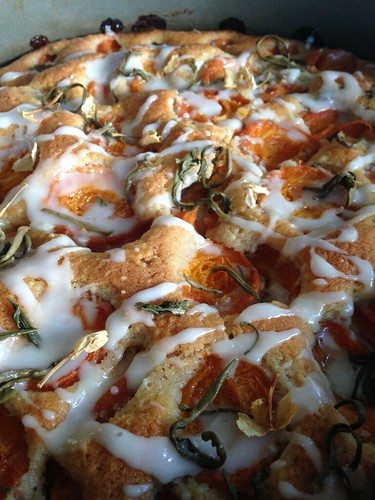
Apricot Jasmine Tea Cake

Jasmine has a hint of a fruity, almost apricot-like aspect. So I felt inspired to try this combination, using infused jasmine tea leaves as a fragrant variation for my classic Apricot & Almond Torte, in which jasmine tea has been infused into the cake and also added to the top of the cake in the form of a drizzled icing.

10 Tbs. salted butter, room temperature
2/3 Cup sugar
1/4 tsp. Haitian vanilla extract
3 eggs
1 cup unbleached white flour
1 cup almond meal (100gr)
2 tsp. double acting baking powder, or 1 package German Backpulver
1/2 cup STRONG jasmine tea, at room temperature (see more on that below)
1 Tbs finely chopped, infused (wet) jasmine tea leaves
About a dozen fresh apricots – or enough of them to cover the cake’s surface

For the icing:
3 Tbs icing sugar, sifted
1 Tbs strong jasmine tea at room temperature
A few drops of freshly squeezed lemon juice

Preparation:

• To prepare the jasmine tea, infuse 1 cup of water at 175F with 1Tbs of fine and fragrant green jasmine tea or dragon pearls. Infuse for no more than 2-3min to avoid it becoming too bitter, and reserve the brewed tea leaves to add to the cake later, and also for serving more with the cake once its baked!
• Use an 11 inch springform pan, lined with parchment paper.
• Cream the butter with the sugar and vanilla extract.
• Beat in eggs, one at a time.
• Sift the flour with the baking powder Beat into the egg mixture. Add the buttermilk and mix well.
• Add the chopped-up, infused jasmine tea leaves
• Spread the batter into the baking pan.
• Place the apricots on top, slightly overlapping, with the cut side facing UP.
• Bake at 350°F for 30-40 minutes, or until a knife inserted in the middle comes out pretty clean (as long as you don’t insert it through the fruit!)
• Prepare the icing by stirring all the ingredients with a fork or a mini wire whisk
• Once the cake cooled down, drizzle with the jasmine tea icing, and scatter a some whole, infused jasmine tea leaves for decoration on the top.
• Keeps well for a 2-3 days (if it lasts!). If you refrigerate, bring to room temperature before serving.

Apricot & Jasmine Tea Cake #Jasmine #Apricot


Labels: , , ,

Jasmin Rouge

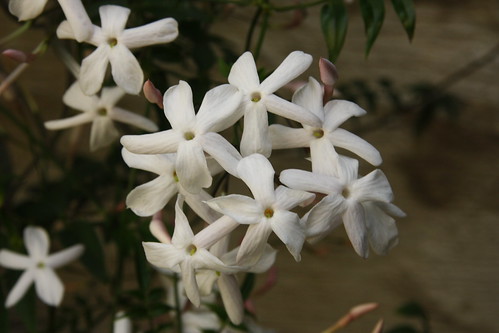
Jasmine in bloom

As much as I love to hate Tom Ford and his excessiveness (especially with anything noir and/or oud-related) - when it comes to floral his artistic direction is just right. Velvet Gardenia is haunting, beautiful and with an intriguing candle-wax and labdanum base notes; and Shanghai Lily unusual yet strangely pretty. While I was a bit disappointed with Champaca Absolute's intensely fruity-fresh and shampoo-like quality, I still find it oddly interesting, and many of the other seasonal floral releases were intriguing even if not enough to warrant a full bottle purchase (that only happened with Velvet Gardenia), and the entire floral Jardin Noir collection (with purple label) smelled promising, namely Café Rose and Ombre de Hyacinth - even I did not get around to try them on yet.

I didn't make much of Jasmin Rouge when I tested it on scent strip at Holt Renfrew, where I was also given a sample of it just because they had one in stock. It just did not smell like jasmine on paper, so I didn't bother trying it on my skin. Admittedly, it was not until this jasmine series and noticing it was mentioned favourably in a few jasmine features by other blogs. They were right. Jasmin Rouge turned out to be one of if not the best jasmine perfume I've sampled in the last three weeks. It was created by nose Rodrigo Flores-Roux, a most prolific and productive perfumer who knows both how to create expressive florals, rich orientals and effervescent fresh and citrusy fragrances: He is the nose behind the magnificent Anima Dulcis (Arquiste), and many other fragrances for that line including L'Etrog; Donna Karan's Black Cashmere, Essence Wenge and Essence Labdanum, and too many others to count. He has already worked with Tom Ford on Neroli Portofino (in 2011, the same year as Jasmin Rouge was launched in conjunction with a make up collection - hence the names such as "Santal Blush" and "Jasmin Rouge"), and more recently (2013) Fleur de Chine.

Jasmine Rouge & Santal Blush by Tom Ford_1
Jasmin Rouge is a realistically convincing yet imaginative jasmine. It begins with a strong, unmistakable jasmine cloud, as if you've just passed a bush full of flowers while blindfolded, and taken by a pleasant surprise. Next you might notice an emphasis on fruity notes - plum, apricot and peach, but these are very grown-up fruits, nothing like the fruit punches you get in the teeny bopper lip-glosses, but that is not to say the fruit notes are dry or overripe either... They are subtle accents  that give the perfume an  deliciously juicy, almost edible presence to the otherwise too serious or toxically beautiful white flowers who are the true stars of this fragrance.

Next you'll notice a tuberose/gardenia/orange-blossom quality of methyl anthranilate, which also adds to the juiciness but in a darker, more sinister way (methyl anthranilate also developed in the more advanced stages of the decomposition of corpses). With all that being said, the jasmine maintains its character throughout, but there are some darker notes in there giving it more depth - hints of spices, resins and balsams. The jasmine itself possesses both the qualities of tea and of milky stone fruit, which makes me think of jasmine sambac variety - but I am also smelling jasmine grandiflorum, with its more pronounced indole. If compared to Serge Lutens A La Nuit though, the sambacness of this perfume is a little more pronounced. But on its own, I wouldn't think of it as any particular variety of jasmine.

There is also a hint of a fatty, modern-day lipstick-like quality as the perfume dries down, to prove that this perfume goes to the extreme to promote upscale makeup. And while there are myriads of spices, flowers and even leather and herbs (Clary Sage) listed in the notes, they only perform as accents to the jasmine, which is for a change truly the main focus of the perfume.

Top Notes: Bergamot, Mandarin, Cinnamon, Ginger, Cardamom, Black Pepper, White Pepper
Heart Notes: Jasmine (Sambac and Grandiflorum) Broom, Neroli, Ylang Ylang, Clary Sage
Base: Mexican Vanilla, Labdanum, Leather, Woodsy and Ambery Notes

Labels: , , , ,

Friday, July 24, 2015

Brewing Jasmine

Jasmine Tea

We had jasmine bushes growing in abundance in my village - almost in every household's garden. Even my frugal family - which had a strict policy about growing only useful things such as vegetables, medicinal herbs and and fruit trees - had one growing at our courtyard in front of the house. The poor little bush would release its intoxicating aroma even when it looked rather miserable. It never seems to give up on flowering, at any given season,  And at one point I was tempted to make a cup of homemade jasmine tea, simply by letting a single flower float on top of my cup of boiled water. It smelled like heaven, tasted as bitter as death, and left my tongue numb!

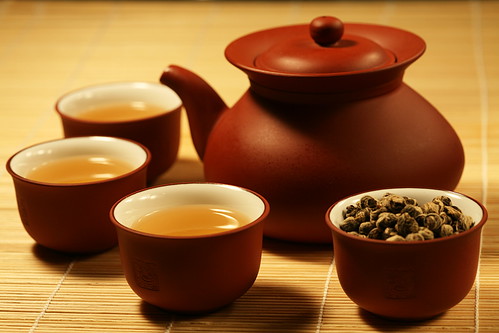
The technique of perfuming tea with flowers is an ancient art that was invented in China. During the Han Dynasty (206 BC - 220 AD), J. sambac from Persia arrived in China. By the 5th Centruy, teas were already perfumed with jasmine flowers. But it wasn't until the Qing Dynasty (1644-1912) that jasmine tea because popular the world over due to its introduction to the West.

By nature's own divine wisdom, tea gardens fortunately grow in close proximity to where some fragrant flowers can also thrive. All shades of tea can be perfumed with jasmine, including silver needle, red tea and oolong - but the most popular of them is jasmine green tea.

The technique of perfuming tea was originally developed to enhance the aroma of lower quality leaf, but because of demand and growing appreciation for this particular flavour, there are now many different grades, forms and qualities available, especially for jasmine tea.

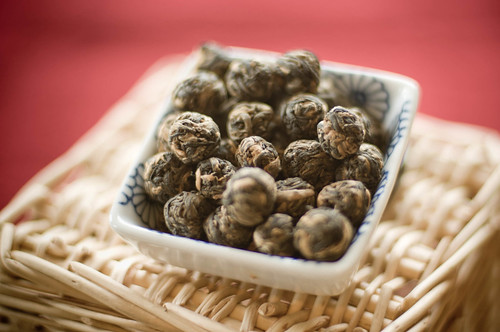
Jasmine Pearls

Green jasmine tea is mostly produced in Fujian province in China, and is harvested in September - the prime time for jasmine sambac flowers in the region. The tea leaves and flowers are harvested at dawn. The tea goes a partial process, up to the stage of "fixing" by heat. While the tea leaves are still humid they are layered alternately to form an inch-thick carpet with fresh jasmine flowers. These flowers are left there for about 24 hours so that the tea leaves can absorb their perfume. The tea leaves are then heated for an hour to set the fragrance in, and the flowers are then removed before they begin to decompose so that the scent does not deteriorate. This same process will be repeated with a new batch of flowers, between 2-6 times. Between 30-50 kg of flowers are required to perfume 100 kg of undried tea leaves.

The flowers themselves have a bitter taste when brewed, which is why they are removed. You'll rarely find a jasmine blossom in a high quality jasmine tea. Poor quality and aromatized teas will have plenty of those, as if to convince the naive buyer that they are the real deal. Originally, the process of perfuming teas was created to improve the taste and aroma of medium quality teas. It was only later on that mediocre or worse quality teas were aromatized - in other words, sprayed with a manmade flavouring to enhance their taste and mask their poor quality. Sometimes these are easy to recognize because they have some dried jasmine flowers added later on for decoration and marketing purposes.

IMG_4840

Jasmine tea is recommended for pairing with coconut desserts, and in general all mildly sweetened Asian desserts go fantastically well with it, which is possibly why you'll be served a pot of jasmine tea as soon as you sit down for dim-sum. It is also served to accompany the pho - the deliciously light Vietnamese noodle soups, where the jasmine's aroma beautifully complements the fresh cilantro and basil leaves. Jasmine Tea Mooncakes (pictured above) are a traditional food of the Mid-Autumn Festival celebrated in mainland China, Taiwan, Vietnam and among Chinese communities the world over. It's a pastry that is filled a paste or a cream made of taro root or lotus-seed or a variety of other modern interpretations, to which other flavours (such as tea, fruits, nuts, and more recently also coffee and chocolate) can be added.

black dragon pearl tea

For Jade Jasmine Pearls, the choicest tea leaf is selected: a tiny twig with the entire bud and two leaves (similar to Bai Mu Dan, AKA White Peony), which are impregnated with jasmine's perfume and rolled into a pearl-sized ball.

Jasmine Silver Needle is a fine white tea in which the tender leaves are picked when they are still closed. They look like a needle, and their silvery fuzz in clear sight, which explains their name. In the brewing process, these tiny silver hairs separate form the leaves and float to the top of the cup, creating a beautiful light-reflecting shimmer that adds to the visual enjoyment of the tea. Some flowers may be found in these teas, but this is from a different variety that is not as bitter.

Jasmine Green Tea is the most popular, and the one that you will most likely find in an adulterated form. Watch out for tea blends that have many blossoms in them - these usually serve only a decorative purpose (most jasmine flowers do not retain their aroma after drying), and are a visual clue that the tea is, in fact, aromatized.

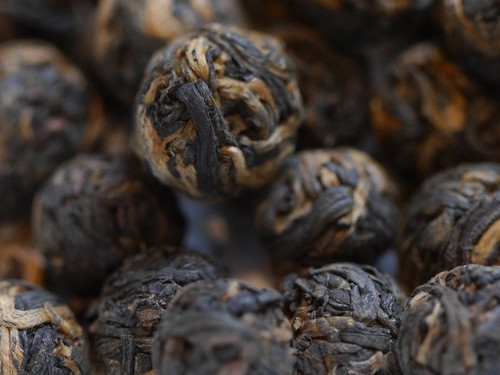
Black Dragon Pearls

Jasmine Black Tea is rare, and usually scented with a unique, fragrant variety of yellow jasmine, Jasminum odoratissimum is a Madeira (Portugal) variety but due to its quality of retaining its fragrance after drying, it is also grown in Formosa (Taiwan) where it is used to perfume tea. I've only encountered black jasmine tea in the form of hand-tied teas.

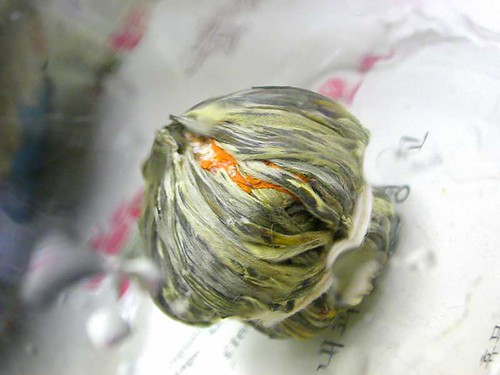
jasmine tea ball

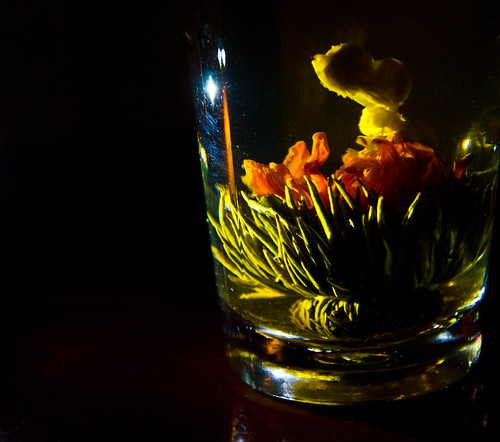
Hand-Tied Teas come in a variety of flavours, colours and designs that open up only after the "tea bud" is steeped in water for a while. The flower unfolds like a slow-motion time-lapse of a blooming bud. For best visual effect, use a clear glass teapot to brew this tea. They can be re-steeped many times, provided they are fresh.

Jasmine Beer: I've had the pleasure to experience a Jasmine IPA (Indian Pale Ale) from Steamworks, a local craft brewery located near the Waterfront Station in Gastown. It is hoppy in the most refreshing, fruity-bitter manner, which only accentuates the subtle jasmine tea notes that are hidden within. I see that there are many other jasmine IPAs produced by craft breweries. But if you can't get your paws on one, you can brew your own Jasmine Kombucha (see recipe below).

Jasmine Kombucha: When I learned that you could, in fact, used flavoured teas for kombucha brewing, I thought that my mind was going to explode from happiness (and ideas). Sometimes the best things are the simplest ones. Taking a fine ingredient, and making it even finer by a traditional, tried-and-true process. The key here is to have a good, healthy kombucha, and use the finest jasmine tea you can get. Another important component of a successful flavoured kombucha-making is that if you are using flavours, only to make them occasionally. The oils in flavoured teas do not add to the health of the culture. So you must alternate between making flavoured ones to plain ones. Follow the recipe for kombucha provided on this blog, using high quality jasmine-scented tea. You may also use flowering (hand-tied) teas, though this may be a bit of a waste of a beautiful thing (visually speaking).


Labels: , , , , ,

California Star Jasmine


I wasted my afternoon skin glow on trying California Star Jasmine by Pacifica. A perfume so bland and synthetic-smelling that I don't even know why anyone would bother to create something like that. The rest of the line is rather fun and well-done, with some gems (Spanish Amber and French Lilac), and we all know it's possible to create a great scent for under $25 (Old Spice, anyone?), but I wouldn't even waste a dollar on a roll-on of this (and this runs for $11.99). It can't even pass as a decent fake jasmine... And any resemblance to driftwood in the dry down makes one question the copywriter's state of mind.
Too bad.
In any case, my search for jasmine continues.

Labels: , , ,

Thursday, July 23, 2015

Keiko Mecheri's Jasmine

Humble Beauty

What's in a name? Plenty. Expectation, mood, and as a result how we perceive a scent has everything to do with what is on the label. And Keiko Mecheri's Jasmine is case in point. Not so much because it was recently renamed Clair-Obscur, but more so because when something is called "Jasmine", "Jasmin", "Gelsomino" or any other variation on the name, once expects it to smell like a Jasminum of this variety or another. Like many other jasmine-named fragrances, this sample was left unattended for many moons until I finally got all obsessed with this note for the July Jasmine summer theme. The reason it was neglected, among the rest, is because it did not really smell like jasmine to me (Did I mention yet that I'm spoiled with all the pure jasmine absolutes I have on hand?).

Jasmine (or Clair-Obscur, if you will), begins as a green, fresh jasmine with a fruity, soapy, shampoo-like personality. It seems to focus on the tea aspects of jasmine, but that does not make it in the least tea-like. Rather, the result is a triple-milled bar of jasmine-gardenia soap. While I can enjoy this type of soap - I would like a jasmine perfume to have more depth and complexity. It took me a few more wears to realize the soapiness comes more from a lily of the valley note than from gardenia, actually. Lily of the valley is a note widely used in functional perfumery, soaps in particular. The notes listed are Sicilian night blooming jasmine and Absolute jasmine. And thankfully, once the soapy-tea-greens dry out, there is more of the absolute coming through.

bubble and squeaky clean

It's overall pleasant and agreeable, but smells more fake than authentic (which seems to be a repeated problem with all but a couple of the jasmine perfumes I've sampled so far), and does stand out as particularly original or true to the flower either. But thankfully, this is rectified about an hour or two into wearing it, at which point I felt quite ridiculous for not recognizing the Lily of the Valley sooner. It has something in its evolution reminiscent of non other than Diorissimo! Once the soapy green notes and lily of the valley (not quite realistic as Diorissimo) dissipate, I'm left with a true jasmine absolute on my skin. A development that I've only experienced with Diorissimo. So far - most of the jasmine fragrances I've sampled, if they smelled compelling at all, had a rather brief jasmine phase, and were quickly replaced by a repeated theme of musk and vanilla. Kudos for Keiko Mecheri for creating something that smells like true jasmine in the dryout, and remain that way for a while so we can enjoy it.

So what's in a name, you ask? If the name had alluded to lily of the valley in some manner, I would have enjoyed my first wear better, instead of being disappointed that it smells like soap. Anticipation plays an important role in how we experience the world - and fragrance in particular. Now that I told you what you're up for, go and try it out and enjoy a well-made lily of the valley and jasmine perfume.


Labels: , , , , , ,

Wednesday, July 22, 2015

Drama Nuii

Bunch of Jasmine
Drama Nuii is a rather jasmine-y concoction from Parfumerie Generale. Not my favourite among their offering, but worth mentioning in our jasmine-context this month. It is not all dark as the name suggests, but rather a fun, fruity rendition of the flower, with a rather convincing, semi-realistic jasmine opening counterbalanced with a surprisingly melony note. It's not as watery-powdery and obvious as this may read - but rather a juicy and surprisingly balanced; almost like candied zucca - with a hint of salt.

It dries down into a musky-lemony thing. Not bad, but quite disappointing after the rather interesting opening, that was both original and far more jasmine-like than half of the perfumes I've been testing since this jasmine marathon began... It's neither particularly dramatic, nor night like (I think Nuii is a play on a Thai word that would translate this into "über-drama" or something along these lines; but also sounds like "Nuit", night in French). More like the morning after, perhaps.

Notes include: petitgrain, absinthe, jasmine, spices, guaiac wood, sandalwood, musk (but what I'm smelling is jasmine, peach/apricot, cantaloupe, vanilla, lemon and musk). 


Labels: , , , ,

Tuesday, July 21, 2015

Peach-Scented Jasmin

Peach Scented Jasmine

Maître Parfumeur et Gantier's Jasmin is from Les Fleurs Divines collection - which seems to be a dedicated to soliflore fragrances. This particular perfume was inspired by the jasmine plantations near Fez in Morocco.

Jasmin begins with a musky-woody jasmine accord, a tad rosy with a hint of tart citrus - almost lemony but note quite. There are particular aspects of jasmine that seem to dominate in this composition, namely the animalic/indolic part, and a fruity note that gives off a suade-like texture, like peach's fuzz (perhaps undecalactone, or so-called aldehyde C-14).

Jasmin is very pretty, delicate and ethereal but still with some substance. It reminds me a lot of Yvresse (formerly Champagne) by YSL, with its sparkling, fuzzy peach top notes - fruity but also slightly milky and skin-like. But it's more subtle and less obviously Chypre (the moss here is just a tiny hint). Another surprising similarity is to Petit Guerlain, of all things - a similarity that becomes more apparent in the dry down, which makes me wonder if there is any lavender as well hidden in its formula.

Jasmin also brings to mind of Narcotic Flower by 1000 Flowers, which also has similar fruity and indolic accents only it's more light and less of a beachy Floriental. It is more like a garden on a humid, rainy summer day. There is no big statement in Jasmin.  It's beautiful, and that is enough. In addition, there is more authenticity to it than most of the jasmine fragrances I've smelled so far. The photo above is of a Jasminum officinale that I've photographed in Jerusalem many years ago and titled "Peach-scented Jasmine". Jasmine truly can smell quite peachy!

Top notes: Lemon, Rose, Peach
Heart notes: Jasmine, Indole 
Base notes: Oakmoss, Musk

Labels: , , , ,

Monday, July 20, 2015

Alien

Alien orchid

When Alien initially came out  in 2005, I was disappointed. It seemed so tame in comparison to its predecessor Angel, and even when placed against the more subdued flankers of that one (Angel Innocent), it stroke me as a cacophony of nondescript synthetic florals.

Ten years have gone by, maybe my sample has improved with time, or maybe I'm just more able to appreciate some of the thinking behind this strange perfume. Now it smells like an upscale version of the sweet florals that celebrities are overeager to endorse, but also - it smells like it has a bit of the Angel DNA in it, and not in the form of cotton candy, patchouli or berries - but rather with the spacious, watery-ozonic Helional that matches to a T the hideous, dangerous-looking bottle that looks like it comes from Lady Gaga's stash of torture gadgets.

alien by thierry mugler 2

The opening has a peculiar camphor off-note, that makes it smell almost genderless or even a tad masculine. It's not quite green but there is also a hint of menthol as well. These two consecutively confusing impressions disappear within a few seconds, and there is a hit of jasmine sambac's gardenia-like quality, a hint of its grassy, oily greeness, the type you'd get in a disastrous Jasmine auriculatum absolute - but thankfully, that also is very short lived. Next up is a vaguely fruity, lactonic, sweet-floral phase. There isn't a particular fruit involved, but just an overall juicy luscious aroma of methyl anthranilate and perhaps undecalactone and peach lactone, and then it bounces off to camphor/menthol territory again. With all of this movement upfront, at least I it's not boring for the first few minutes.

While I can't say I'm enamoured with Alien, I can see something in it beyond the generic and notice hints of odd, off-beat nuances. It's not as striking as you'd expect by the washed-out face of the Tilda Swinton-esque model, who seems startled by the headlight of a passing spaceship. If you look past the yawn-inducing aspects of it that bring to mind Chanel's Allure, you'll notice a tiny bit of Lolita Lempicka in there, something yummy yet not quite chocolate-y, not quite licorices-like, but a subdued spicy-vanilla of sorts that makes it quite enjoyable overall, actually. Another surprise for me was, though, that a few hours in, it morphs into a fragrance very similar to Tocade - a powdery, vanillin ambreine floral, though unlike Tocade, there is nothing rosy about it, even though the jasmine is mostly gone by then. Just a similar balance between powdery, clean yet sweet amber and musk.

Top notes: Camphor, Menthol, Bergamot 
Heart notes: Jasmine sambac, Jasmine auriculatum, Methyl anthranilate, Helional
Base notes: Vanillin, Musk, Amber, Anisaldehyde 

Labels: , , , , ,