Monday, August 22, 2016

The Life Aquatic - Beyond Beach Scents Cliché

Life Saver

Even though most people don't think of water as having a scent - the most favourite nature smells among my clients are that of rain and ocean. This is based on a 15 year long ongoing voluntary data that customers provide me about their fragrance preferences.

I can't imagine what it would be like in summer without the wonderful beaches, lakes and streams. Even summer rains are welcome in my world, as they make the season feel more precious and allows us to continue enjoying greenery and worrying less about forest fires and dreadful droughts. Therefore I'd like to dedicate August's newsletter to water-inspired scents.

There's saline water and freshwater. In a similar manner, water-inspired fragrances can be divided into two: Aquatic and marine. Aquatic perfumes are usually ethereal, light and inspired by water gardens and flowers such as waterlily, lotus and iris and the wet-woods watery quality of cassie as well as the cucumber-like personality of mimosa and violet leaf absolutes. Marine fragrances tend to be more masculine (usually they're a sub-genre of Fougère) and include mineral notes that allude to salt such as ambergris, seaweed, oakmoss and vetiver - and even notes that suggests savouriness, such as parsley, dill, celery and angelica.

Bon Zai is perhaps the first aquatic perfume I've created, and the only one that has absolutely no saltiness to it. I often suggest it to clients who like the smell of rain, because it has the same freshness and crisp qualities the air has when it rains. It's a quite, non-dramatic, peaceful scent. Think about gentle West Coast rain in a Zen garden - no thunder or lightning, only soft rain on pine needles.

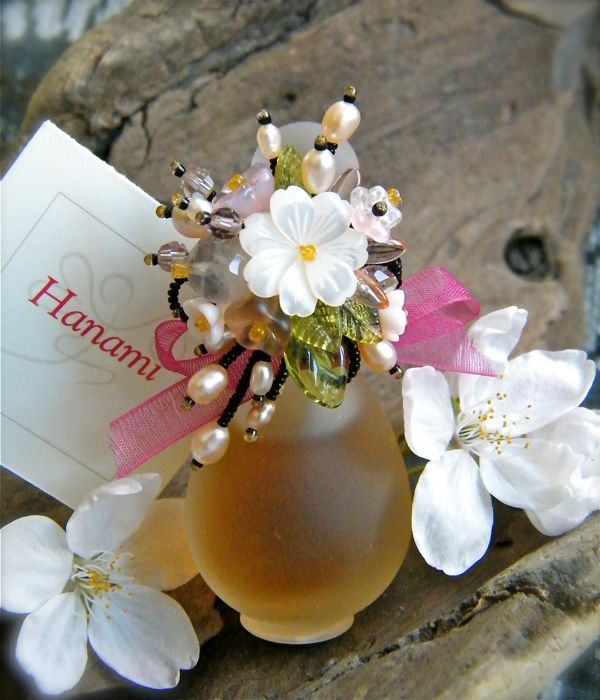
Since 2009, with the launch of Hanami, water has been a recurring thread in my perfume creations.  And as you will soon see, I often combine the qualities of freshwater and saline water in the same composition - which gives it a rather sheer quality and a compelling lightness. Although on and of themselves, cherry blossoms are particularly watery - Hanami plays on the theme of wet wood, after spring rain, and that scent mingling with that of cherry blossom and the urban surrounding: metal, wet pavement, and the commotion in and out of the underground train station. The scent is abstract, yet compelling. And for those who are familiar with sakuramochi and brine-preserved sakura and sakura tea - there is also a savoury connotation that balances the otherwise cloying sweetness of the flowers involved, and which makes Hanami perfume even more intriguing.

l'Écume des Jours (2004) was my first watery creation. Inspired by the perfect symmetry and profound beauty portrayed in Boris Vian's most praised novel by the same name. Cheerful Pianola top notes of cassis and freesia lead to Chloe’s deadly Lung Water Lilly. The melancholy base of green moss and watery marine seaweed reflects the tragic conclusion of the tale. l'Écume des Jours is a strange perfume of unusual harmony that inspires appreciation for the simple beauty that is found in all things – especially the Jazz of New Orleans...

And speaking of New Orleans: I also created a perfume that invokes the haunting scents of the Louisiana wetlands with salty seaweed and oakmoss underscoring heady flowers of magnolia, osmanthus, orange blossom and tea rose. There is also Meyer lemon and rosemary that truly cut through the sweetness and add a savoury touch that echoes the salt notes. For a scent so rich with florals, it is surprisingly refreshing, light and easy to wear.

Orcas, the first natural Fougère-Marine fragrance that was nominated for the 2012 Indie FiFi Awards,  now celebrates its 5th year anniversary. Inspired by the breathtaking scenery of the Wild Pacific Trail, a place where ocean meets forest and whales blow and sing above the stormy weather. Orcas perfume is an innovative all-natural marine woody, a unique combination of scents from sea and seashore. Brisk and pungent citrus and herbaceous notes suggest ocean breeze and tea-like clarity, and an array of oceanic treasures such as seaweed and ambergris meet seashore and rainforest notes.

My newest perfume, Lost Lagoon is a Chypre with s a powdery-sweet softness from the juxtaposition of amber, orris and magnolia that balances the bite of galbanum, rhododendron leaf and lemon. It is not aquatic per se, but it was inspired by the dreamy Rhododendron Garden that trails along Lost Lagoon. Again, we find a place where the freshwater is very close to the ocean, and this reflects in the perfume as well. The oakmoss contributes the saltiness, but the flowers are luscious and has a watery air to them - the crispness of violet leaf and iris being the main contributors to that effect.

The last bit of cliché I'd like to tackle is that of beach scents. This popular sub-category of Florientals (or Floral Ambery) tends to be fruity, sometimes even cloyingly sweet, and smells very artificial. It is a strange category because it takes after the scents of ancillary products - namely suntan lotion, suntan oil and sunscreen products. These are usually rather chemical concoctions of white flowers and fruit esters over synthetic musks and amber bases, and sometimes even a bit of aquatic smelling compounds. If you love beach, this would smell fantastic to you; but even if you do - too much of a good thing can get a little overwhelming, or boring at best.

What I tried to do with Sunset Beach, is create a perfume that is neither watery nor marine in character, but rather works with the tropical materials in a more authentic way. To start with, the inspiration is driftwood and the fragrant flowers that might bloom near the beach. So it's entered around sandalwood from both Hawaii and India. I've used massoia CO2 as well as handcrafted tinctures of milky oolong tea and pandanus leaf to intensify the milky quality that is sadly lacking in most modern sandalwood oils. And I've used champaca CO2 for its fruity, spicy and incense-like qualities that I find irresistible, and ylang ylang for its fruity esters and creamy-coconutty qualities. Whenever I wear it I feel like I'm on vacation, and I hope you do too.

In the same way that Hanami contrasts urban and natural elements, my upcoming perfume Coal Harbour juxtaposes the smells that co-exists in my oceanside city's harbour: the salty-animatic notes of seaweed and marine animals at low tide with the rank of jet fuel from the aquaplanes. This disturbing contrast (both smells are quite intense, and together they can be very unpleasant, especially when locked up in a bottle!). To soften this blow, I've added notes of fresh cut grass that wafts off Harbour Green Park, as well as pleasant-smelling local tree blossoms, namely linden, elderflowers and balsam poplar buds.


Labels: , , , , , , , , , , ,

Tuesday, August 20, 2013

Floriental Week: My Short But Sweet Taste of Perfume Making

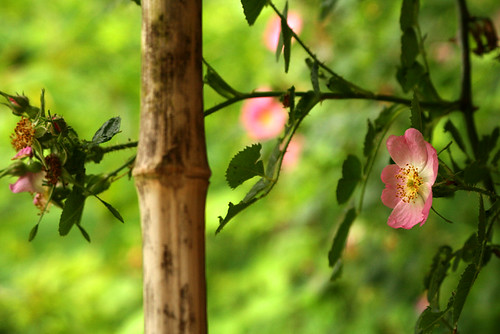
Trailing Roses
Trailing Roses, briar roses at Horton Bay in Mayne Island - a photo by Laríssa on Flickr.

I remember quite clearly the first time I ever met Ayala and came across her fragrances. I was in my first semester of the Fashion Marketing Diploma program at Kwantlen Polytechnic University and I met Ayala at Portobello West very briefly while I was in the process of completing an assignment. I have always loved fragrance as more than just a sensory pleasure but also as a complex and powerful art form - the sense of smell is the sense that is most closely linked to emotions and memories. I was immediately intrigued by her unusual scent combinations (urban inspired Hanami and simplistic but powerful Roses et Chocolat were the scents that left the biggest impression on me) and by the stories that were behind each one and I never forgot about our discussion or her fragrances. I met Ayala again a year later at her Etrog tea-party after writing an article about her custom fragrances for a bridal fashion website. We talked about fragrance and bonded over the fact that we are both chypre-lovers (from Ayala's collection I particularly adore Rainforest and Ayalitta). I told her that I loved her product and that if I could ever be of help to her in any way that I would love to volunteer. Another year later and I am lucky enough to have the privilege of working for Ayala Moriel Parfums.

While I was interning for Ayala in July, I was fortunate to be able to sit in on one of her classes and participate in the solid-perfume workshop during her five-day Floriental Perfume Course. While I do have a passion for fragrance and spend a fair amount of time researching fragrance myself, I knew very little about florientals and what key components make a scent a floriental versus a floral or oriental.

Many people think of floriental fragrances as being heavy, rich, ambery, and spicy. But truthfully, Florientals can be best described as a Floral-Ambery: a sub-category of the floral family, and the love child of two harmoniously mingled fragrance families - heady White Florals, and smooth Ambery Orientals. Opulent, smooth scents like Guerlain's iconic Samsara or Chanel's Allure often come to mind but floriental fragrances, while having a similar structure and similar notes, can vary greatly in smell and spirit. They can be light and sparkling, creamy and beachy or dark, smoky and seductive, depending on the composition and accent notes used.

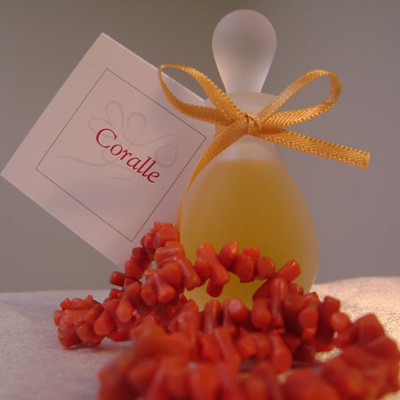
Coralle
Coralle parfum, an all-natural floriental from Ayala Moriel Parfums' archives

Floriental perfumes can vary greatly but are unified in their composition structure. Those who are familiar with fragrance know that notes are only a percentage of what leads to the final smell of a perfume. Florientals are more base heavy than other florals. Amber is always in the base, along with other heavier notes such as incense, sandalwood, vanilla, massoia bark or myrrh. The heart is where the richer flowers (roses, violets etc.) and white florals reside and the top is reserved for the airy citrus notes and lighter flowers (i.e.: mimosa), cool spices (i.e.: coriander, ginger, cardamom), balsams and woods. Perfumers will play around with the composition of fragrances but that is the basic outline of what the formula for a floral-oriental fragrance would look like.

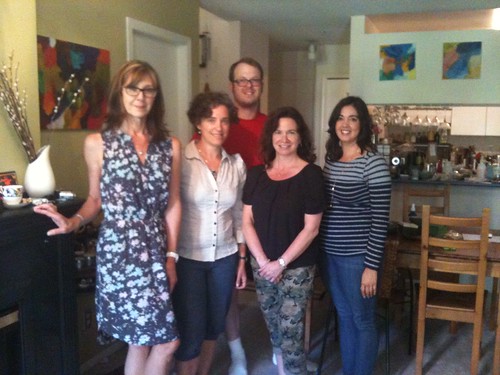
Class Of Summer 2013
Class of Summer 2013 (Floriental Week)

It was fascinating to listen to Ayala explain how the different components and ingredients of a floriental perfume could work together. Perfume is often explained and described in terms of the ingredients or "notes" within a fragrance. Ayala stressed that the ratio of notes within a fragrance is as equally important as the notes themselves. There may be several different versions of a fragrance with similar or the same notes, but each version will smell entirely different based on the amount of each note and the concentration. The subtle but distinct differences between fragrances of the same family was illustrated most vividly when Ayala began passing around different examples of floriental fragrances, some her own creations, some commercial perfumes, and some truly intriguing indie and vintage scents.

I was particularly intrigued by a vintage fragrance that she presented to us called l'Heure Bleue. The perfume was released in 1912 and I was truly surprised at how modern the fragrance smelled.When I used to think of vintage perfumes I would think of heavy abstract florals, thick spices, and animalic, aldehydic notes reminiscent of those on my great-grandmother's dresser. This perfume, created more than one hundred years ago could easily be worn and enjoyed today which made me appreciate the perfume and the perfumer all the more for being able to create a fragrance that can transcend time - not an easy task for an art form as personal perfume.


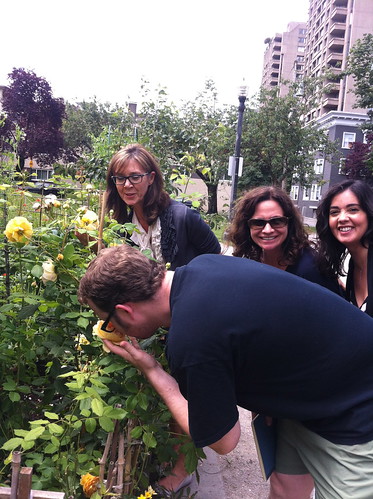
Floriental Week July 1-5, 2013
Students smelling tea roses at Nelson Park community gardens

During my time as a stand-in student of Ayala Moriel's I found that I most appreciated the way Ayala would connect science with more artistic side of creating a fragrance. What I mean by that is she would tell us about the chemical components of an ingredient and how that would affect a fragrance but would also describe it in imaginative and sensory terms that made it relatively easy for someone like me, with no background in science or chemistry to understand. I also appreciated the way that every lesson was illustrated with examples. If she was trying to show us how carnation blossoms smell similar to clove essences because of their high eugenol content, she would pass around the essences and have us describe any detected differences as well as similarities. Ayala thoroughly saturates you in the content of her lessons, urging you to use every sense while learning. Fragrant snacks (elderflower tea, floral-flavored cookies and bitterly rich dark chocolate), and garden walks allow her students to experience fragrance and explore the different components of fragrances in different ways. It is amazing how one flower, or spice, or balsam can produce essences with completely different aromas. The different facets of natural ingredients are fascinating and really made an impression on me in terms of how complex an art-form perfume-making is. It made me think of music or painting, where tiny brush strokes and notes combine together to create something abstract or simplistic but always emotionally/intellectually impacting. Everyday we are surrounded by different smells, some pleasant and some not so pleasant but they have a strong impact on our perceptions of our environment and on our memories. Fragrance can transport you to a different time, place, or emotional state depending on what you associate with different smells.

Grating Beeswax
Grating beeswax for making solid perfumes
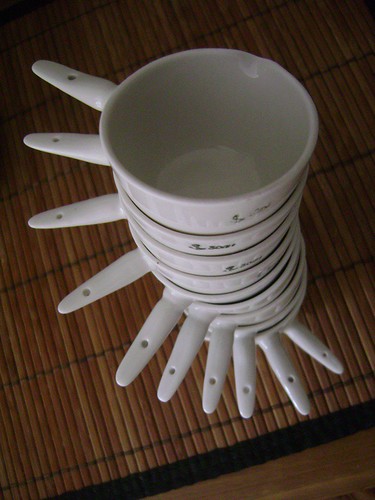
Ceramic Casseroles
Ceramic casseroles for solid perfume making.

The highlight of my week as Ayala's student was the solid perfume workshop. Using beeswax, jojoba oil, and essences we were encouraged to close our eyes and transport ourselves to a place that really represents ourselves and where we feel most alive, inspired, safe etc., a place that we would want to capture and carry with us always. For me that place is Mayne Island, a gulf island close to Vancouver Island. Briar roses, sun-baked blackberries, spruce, pine, broom and salty ocean air are the aromas that are closest to my heart. Using notes of Rosa rugosa, lavender absolute, vanilla absolute, wild frankincense, and ylang-yang I created a fragrance that reminds me of my home away from home and that smells just a little bit vintage-esque because of the frankincense. I named it Marion after my great grandmother who helped build my family's cottage on Mayne Island. It was a meditative but somewhat nerve-wracking experience because of how much a subtle change in the amount of each essence and even the slightest variations of notes can change the entire fragrance. The process of creating the solid perfumes felt similar to cooking and is definitely something I would like to explore for my own enjoyment in the future.

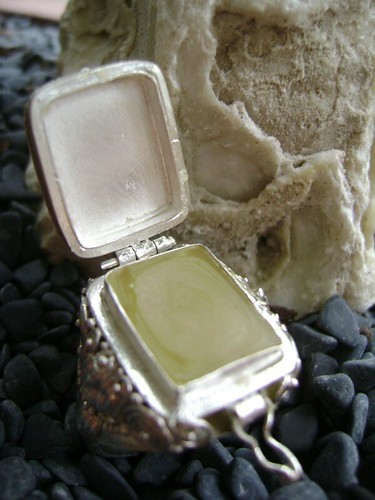
Labradorite Poison Ring
Solid perfume in a vintage poison ring 

Overall what I would say about Ayala's classes are that they are intensive, artistic and scientific, and very hands-on. These are not classes where you will simply sit, read, and memorize. Every one of your senses will be involved while taking her classes. Perfumery is a rich and complex subject and there is always a lot to learn. Ayala has been practicing perfumery for years and years and as she says, even she is learning on a regular basis. In my opinion, the mark of a good teacher is to be able to take a fairly complicated subject and to be able to explain it in easy to understand terms. As Albert Einstein said, "If you can't explain it to a six year old, you don't understand it yourself.". I learned a lot from my couple of hours as Ayala's student even without a base of knowledge to reference.

Truly, perfumery is an art-form that should be further explored and celebrated. It is an incredible form of expression even for those who perhaps don't necessarily want to pursue it as a career. Not only will you develop a new creative skill and outlet but you will become more aware of the aromas and environment around you. I, for example, will never look at a tuberose the same away again after meeting and talking with Ayala about it (such a mesmerizing, multifaceted flower). I encourage anyone who has an interest in aromatherapy or perfume to take one of Ayala's courses, such as her Orientals week-long course from September 30th to October 4th 2013. Registration for this course closes Friday, August 30th at 12 noon PST. 

Labels: , , , , , , , , , , , ,

Saturday, April 13, 2013

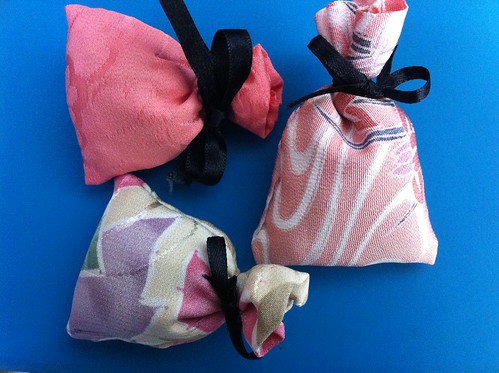
Hanami Sachets

Hanami Sachets by Ayala Moriel
Hanami Sachets, a photo by Ayala Moriel on Flickr.
It only took me 2 years from when I received these incredible fabrics (vintage kimono silk) from Japan, to actually making and filling them.

They are hand-stitched (I still need to sew a few more), so very labour intense - a labour of love, if you will. But that's not the true reason for my procrastination. I just did not know what to fill them with!

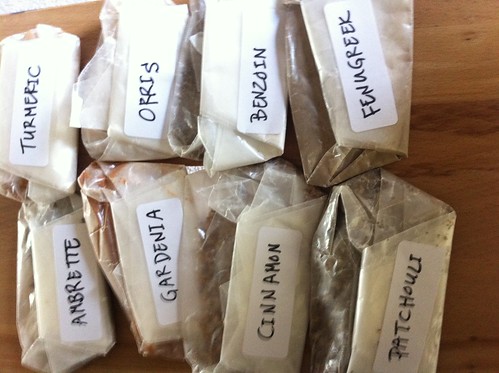
The solution was partly serendipity, and partly luck. On my last day in Berkeley, I visited Yuko Fukami. She generously gifted me with high-quality Japanese herbs, spices and resins that she in turn received from our mutual friend Ross Urrere. In true Japanese fashion, she beautifully wrapped them with wax-paper, similar to how a TCM (Traditional Chinese Medicine) doctor packages his custom-dosed powdered "herbs" (for all I know, these can range from true herbs and plant matter to minerals and crushed sea-horses, tiger bones, dragon's tails and other mythical creatures body parts).

Japanese Spices, Herbs & Resins
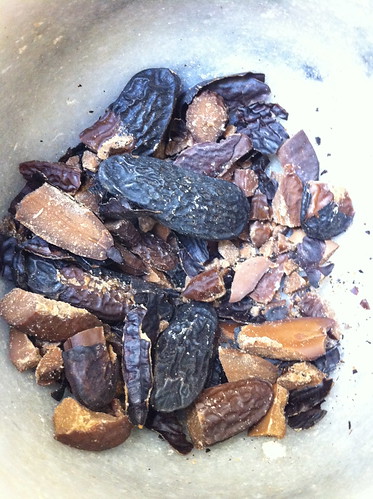
Upon my return to Vancouver, I immediately set to mix together these glorious components, as well as some of my own stashed-away botanicals: dried ume (Japanese sour plum) blossoms, whole tonka beans, and others that for now will remain secret. Crushing the tonka beans with a marble set of mortar-and-pestle was a truly sensual experience. Although there is mostly coumarin in tonka, there is also something else that is nutty and spectacular that you just don't get from the isolate/synthetic molecule alone. I love it! French chefs grate it on microplane and add to chocolate desserts (ganaches, macarons, ice-creams...). In North America it is illegal to use it due to carcinogenic effects. Personally, I think that we are exposed to far more dangerous carcinogens in daily life (your seemingly innocent ink on your grocery receipts has a plastic that is highly carcinogenic, as are most cans used to preserve foods). So I don't feel bad at all making myself a tonka-dessert once in a blue moon.

Crushed Tonka Beans
The sachets were supposed to be a studio-exclusive for my Hanami tea party. Unfortunately, we had to cancel it and will host it either in early May, or next year... So you can now get them online on my virtual boutique. These are very limited edition - I only have enough fabrics and filling for 12 sachets.

The Japanese used incense and sachets just like that to scent their kimonos and stationary so that they will be recognized for their good taste by their lovers (or suiters)... Use these sachets to scent your lingerie drawer, linen closet or stationary. You can also throw it in your suitcase when traveling, or tuck into a wool sweater or jacket's pocket for a lingering scent and to keep moths at bay.

Labels: , , , , , , , , , , ,

Thursday, April 04, 2013

April & May Events Calendar on the West Coast

Who said life on the West Coast is boring? Or scent-less?
I spotted at least 4 events that are taking place within the next 4 weekends alone.


April 11th in Vancouver
 
Photo by Noriko Mahoney

Hanami Tea Party at Ayala Moriel Parfums Studio - co-hosted with Dancing Leaf Design
Awaken your senses this spring with a modern and relaxed tea ceremony!
We will welcome spring with elements that will engage all your senses and delight your soul: 4 hand-blended teas incorporating seasonal local plants, visually inspiring flower arrangements, soothing music, stunning jewellery by Japanese-Canadian designer Noriko Mahoney of Dancing Leaf Design, and of course - the most delightful spring perfumes by Ayala Moriel Parfums.

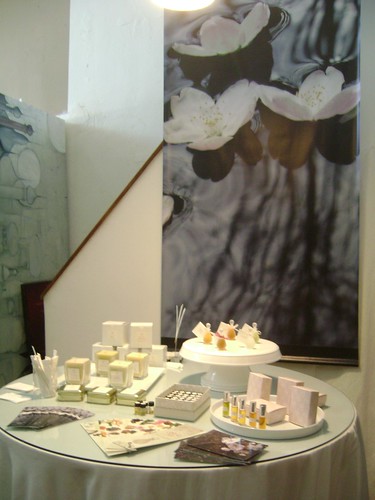
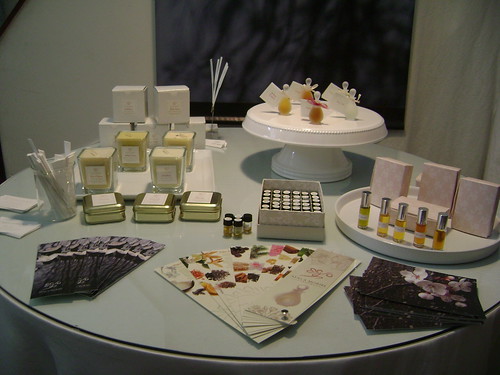
The party is also a special opportunity to celebrate the new packaging launched for the brand's 12th anniversary; as well as limited edition Hanami sachets (hand-stitched from vintage silk kimonos), and two new soaps. 

Noriko and Ayala will be preparing delightful spring sweets and savoury appies inspired by our Japanese and Middle Eastern heritage. 

For more details, including menu, visit our event page or newsletter.
This event is limited to only 20 people, 10 are already taken - so please RSVP early!

Where:
Ayala Moriel Parfums Studio

314-1230 Haro Street, Vancouver
When:
2-5pm


April 13th in Seattle
Northwest Perfumers Circuit at Blackbird Apothecary in Ballard - hosted by Blooming Dream
Portland-based erfumer and landscaep architext Suzinn Weiss will present her new perfume created espeically for the shop -Blackbird Vert.
Where:
Blackbird Apothecary 
5404 - 22nd Avenue
Seattle, WA 98107
When: 6-9pm

May 5th in Seattle
Artisan Fragrance Salon is heading up to Seattle!
So far the list of perfumers participating includes:
MIKMOI, Artemisia Natural Perfume, Meshaz Natural Perfumes, Blooming Dream Natural Fragrance, Pirouette, Imaginary Authors, Sweet Anthem Handmade Perfumes, Olympic Orchids, Gabriel's Aunt, Rebel & Mercury, House of Matriarch, Jolie Laide Perfume, Coeur d'Esprit Natural Perfumes, and Roxana Illuminated Perfume.
Great opportunity to meet with perfumers and creators face-to-face and make new perfumista friends!

Get your tickets in advance and save


Where:
Pier 66, 2211 Alaskan Way

Seattle, WA 98121
When:
11am-5pm 

May 11th in Los Angeles
LA Scentsation - hosted by Perfume Posse
LA Scentsation will be taking novices and experienced perfumistas alike on an extraordinary day of sniffing, presentations, partying and shopping.  Participating stops on the Scentsation schedule include:
·        Luckyscent Scent Bar
·        Beautyhabit
·        Barneys New York
·        Opus Oils

Registration is limited to about 45 people, and half is already sold out already.
 
Register at PerfumePosse.com

May 11th in Seattle
Northwest Perfumers Circuit at Blackbird Apothecary - hosted by Ayala Moriel Parfums.
Join us for an evening of aromatic tonics and fragrant truffles to celebrate the new scent Ayala Moriel designed for Blackbird Apothecary. More details TBA - the scent is, for now, a secret...!
Where:
Blackbird Apothecary 
5404 - 22nd Avenue
Seattle, WA 98107
When: 6-9pm

Labels: , , , , , , ,

Wednesday, March 21, 2012

24HRS Features Hanami Perfume

Hanami perfume is featured in today's 24HRS beauty section, recommended for both men and women: "Floral and woody, this nature lover's scent is just as sexy on men as it is on women. And because it's not pumped full of chemicals, just a dab of this romance enhancing, pure essence will do".

This spring it's available for the first time in 15ml EDP ($180), and we have a very limited edition of the pure extrait in the beautiful flacons ($300).

Labels: , , , ,

Monday, March 22, 2010

Spring-Welcoming Tea Ceremony

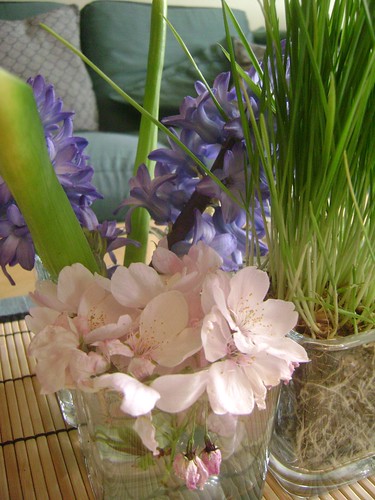
In this very modern and laid-back tea ceremony, I have incorporated botanical symbolism from a few cultures to create a modern tea celebration to welcome spring. The botanical symbolism was also included in the flower arrangement. The centerpiece at the tea table was this 4 piece bouquet of cherry blossoms, hyacinths, sprouted wheat and white magnolia.


Spring Botanical Symbolism, originally uploaded by Ayala Moriel.

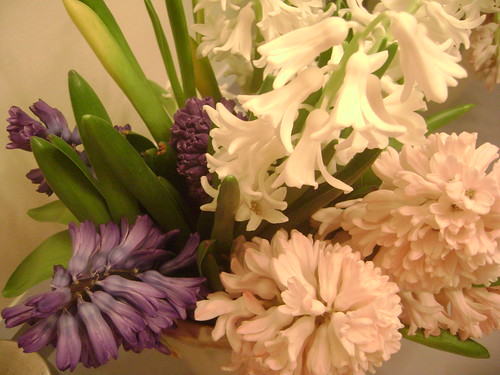
Hyacinths (sonbol - سنبل)and sprouted wheat (sabzeh - سب) are both part of the "Haft Sin" - the 7 S's in Persian botanical symbolism for new year, which occurs every year on the day of the Vernal Equinox. The hyacinths symbolize spring, and the sprouted wheat symbolizes rebirth. Some of the other symbols are a wheat-germ pudding, garlic, sumac, apples and vinegar and coins (read more here), all to invite different blessings into the new year.

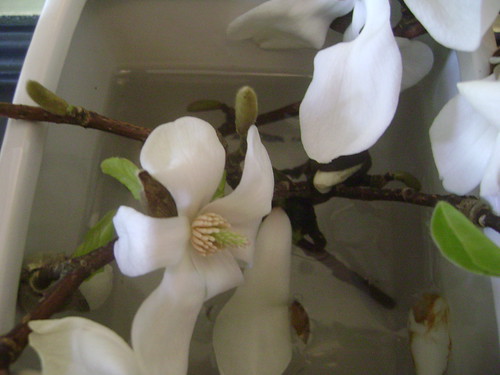
Magnolias were chosen simply because they are in season. In the European language of flowers magnolia means nobility and love of nature. I think the love of nature in this celebration is quite self evident!

Sakura (Japanese for Cherry blossoms) are a symbolic flower in Japan. Cherry blossoms and tree blossoms in general mark the return of spring. It is the happiest time for Japanese people as they celebrate the beauty of the trees in full bloom (the peak of which lasts only but several days), and even appreciate the beauty of the petal's falling down like snow... Sakura's beauty is intense and short-lived, and it is spiritually symbolic of the samurai warrior's short life: the samurai will sacrifice his life at any time to serve and protect his master, and lives a short but fulfilled life. Sakura symbols are incorporated into numerous family crests and also in the Japanese, and is Japan's national flower.

Interestingly, in Israel, there is a celebration surrounding the blossoming of the almond trees (also from the same family as cherry and plum). It occurs a lot earlier - usually sometime in late January to mid February. It is called Tu BiShvat and is considered the "New Year of the Trees". It is the best time to plant trees, and this is what the whole holiday is about. Other traditions include eating dried and fresh tree fruit, and most commonly - fruit salad containing dried fruits, almonds and nuts. The Kabbalists also celebrate Tu BiShvat with a "Seder" - a seasonal ritual incorporating different blessings, prayers and symbolic foods. The Seder of Tu BiShvat, similarly to that of Passover, calls for drinking 4 glasses of wine. However, instead of them being all red (as in Passover), each glass of wine is a different colour, to symbolize the four seasons, the four elements, and the four worlds of Kabbalah (that would be too esoteric to get into now); as well as the changing of colours of the flowers in the region from fall through late spring: in the beginning of the year (which for the Jewish faith begins in the fall), wild flowers are all white (Chaztav in September). Therefore, the first glass of wine is all white. Next come lightly coloured flowers (i.e.: Cyclamen and Karmelit during the winter), so the second cup is white wine mixed with a few drops of red; The third cup is the other way - red with a little bit of white wine; and lastly, the fourth cup of wine is pure red wine, which reflects the colours of flowers at the peak of spring - red anemonies and poppies.

I have decided to adopt the four cups concept, but use tea instead. I thought it would be neat to celebrate spring with the different phases of tea and how it's processed, from the most pure form of tea to the more fermented and oxidized etc. And I've also used some flowers in the process to make it even more fun and spring-like!

The different degrees of oxidation of tea leaves also affect the theine levels (aka the caffeine that is found in tea). White tea has the least, green has more, oolong is somewhere in the middle and black tea, which undergoes the most oxidation, has the highest theine levels. The white, green and oolong teas also have higher levels of anti-oxidants than black teas.


White Teas, originally uploaded by Ayala Moriel.

White tea is prepared from the first buds of tea leaves in early spring, and is the least processed of all teas. The buds are hand-picked, than steamed, slowly dried and does not undergo a process of oxidation like green and black teas. The result is the most delicate tea, the finest quality of which is called Silver Needle (Bai Hao Yinzhen), which you can see in the above photo and looks like needles covered in fine white silvery plume. The next grade is White Peony (Bai Mu Dan), which has the top bud and also the next two young leaves, which also have some of the same plume. Both are grown in Fujian province in China. Both produce a very light liquor and have a fine, delicate taste that I can only describe as slightly peppery.

For our first cup of tea, I've used a blend of equal amounts of Silver Needle and White Peony, with a little bit of crystalized ginger and vanilla bean that I chopped up.


Ume Sencha, originally uploaded by Ayala Moriel.

Sencha is the purest green tea, and like white tea (and unlike Chinese green teas), is not roasted. Steaming prevents it from oxidizing, than rolled, dried and finally - fired in order to preserve them and give their distinct flavour. The result is a very fine, fresh and aromatic tea with a very vegetal and at times even seaweet like aroma. Other sencha tea leaves have a more nutty aroma, or in the case of the one I've picked (organically grown), a little fruity too (similar to peach or osmanthus). I blended it with ume (plum) blossoms, which I picked and dried myself during spring break in Victoria's Esquimalt neighbourhood.


Magnolia Oolong, originally uploaded by Ayala Moriel.

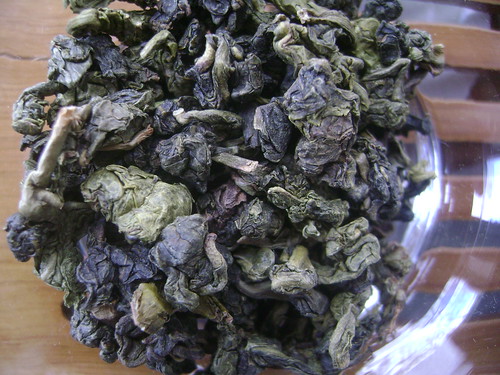
Oolong teas are like the champagne of teas. They are classified as somewhere in-between green and black tea (some are closer to green and some are closer to black). The best oolong teas grows in Taiwan or Fujian. The leaves are rolled into balls or longer curls. Many oolongs have a flowery aroma on their own. Some are further perfumed with flowers - such as this gorgeous magnolia scented oolong. Since the magnolias are out I thought it was a perfect occasion to brew this beautiful tea and share it with my guests. It is one of my favourite teas, and the more I get into teas, the more I discover how much I love oolongs in general. They are extremely different from one another and are just perfect on their own, with no sweeteners or any other flavours added. They are very rich in flavour, and are brewed rather concentrated, which gives off a bitter taste at first that turns very sweet aftertaste. They can also be re-steeped for many times (even as many as 7 with high quality oolongs!).


Rose Congou, originally uploaded by Ayala Moriel.

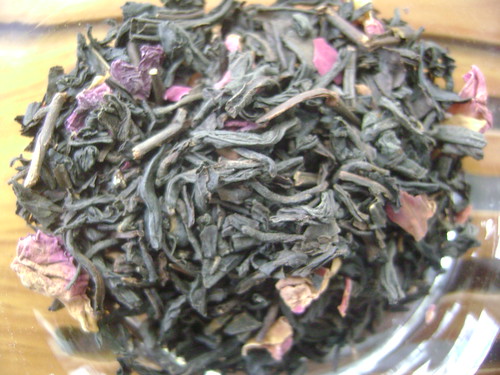
Rose Congou (or Gongfu) is a perfumed black tea that is formed into thin strips from unbroken tea leaves. It is oxidized with rose petals, which give off their sweet, fruity-floral aroma, and some of the rose petals are left with the tea for decoration. It gives off a liquor that is a little lighter than some other black teas, but is very rich in flavour.

Labels: , , , , ,

Hanami Tea Party


It's all in the details..., originally uploaded by Ayala Moriel.

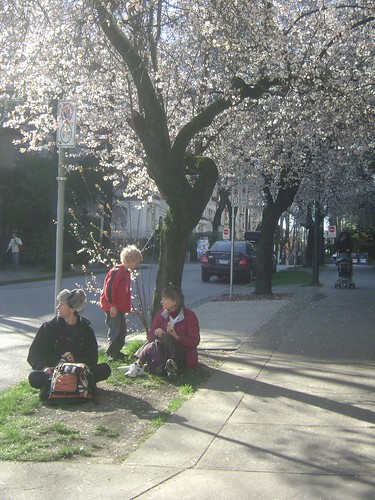
This weekend was dedicated to the Vernal Equinox and welcoming spring with a flower-viewing tea party aka Hanami. Hanami is the Japanese flower-viewing parties, taken place under blooming trees in nature as well as urban Japanese gardens everywhere during the sakura peak blooming season.

From a very young age, I had high regard to Japanese culture and everything Japanese seems to possess such refinement and poise. My mental vision of hanami comprised of geishas and samurai (or just modern day people dressed up in kimono and obi) writing haiku poetry on rice paper under the cherry trees, playing the koto and performing chado ceremonies. I could not have been more far than the truth: Hanami is for the most part a picnic under the cherry trees, where everyone gets completely drunk with sake. An outdoors happy hour of sorts. The most popular spots for Hanami get packed pretty quickly, so companies and offices send their rookie employees to go early in the day and reserve a good spot while the more senior staff keep getting work done till the end of the day. By than, I heard, the rookies are quite thoroughly drunk and can be easily made fun of for the rest of the evening…


Spontaneous Hanami Picnic on Bute street, originally uploaded by Ayala Moriel.

The custom of drinking sake under the cherry trees originates in Shinto (the native religion of Japan) tradition of making a sake offering to the spirit of the trees during the sakura blossom season.


The weather was a fickle spring day, not nice enough to do a picnic (which is how a hanami should be celebrated!). And in any case, drinking outdoors is illegal in Vancouver and I did not want to get into trouble with the authorities so I would have felt really guilty if it was a beautiful picnic day and had to keep everyone indoors for my tea brewing and perfume sniffing!

Ambiance

In my Japanese sachet..., originally uploaded by Ayala Moriel.

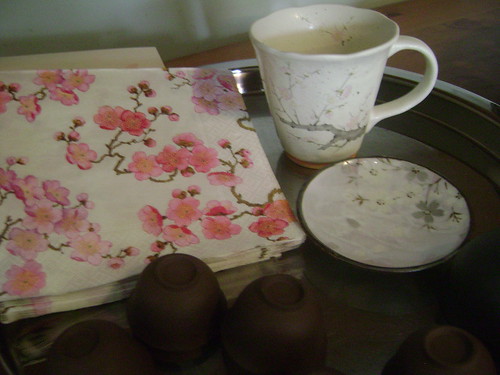
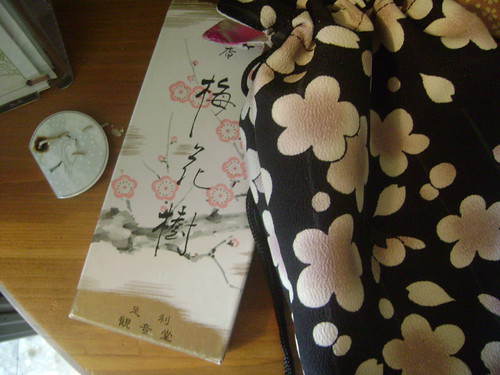
I love creating ambiance with small details, which sometime I can get carried away with. The napkins, for example, were almost too pretty to use (they are made of pearlescent paper!). I also burnt a Japanese ume incense before the guests arrived, and they could even smell it from the hallways. Another part of the ambiance was flowers, and lots of them. Including a giant bouquet of hyacinth which ended up in the guest bathroom because otherwise no one would have been able to smell the perfume or taste their teas and food without thinking about hyacinths! They are so strong.

The Flowers


Camellias, originally uploaded by Ayala Moriel.

Did you know that Camelias are from the same family as tea?

The flower arrangements, like the incense, create an ambiance. I didn't think I will be able to get the flowers I need in a flower shop, so I just picked them up myself all over the West End. I even got scolded once by a passer-by's "you're not suppose to". But I felt that since I was doing this for my guests, it's still part of sharing the community's flowers and I didn't really feel guilty at all (I don't normally roam around the neighbourhood picking up flowers after all, the most I would do normally is steal their soul by taking a photo).

I tried to keep it all quite minimalistic, a-la-ikebana, which I no very little about and was happy with the result. It was my modern and personal interpretation of the season and I also incorporated some botanical symbolism into it (more about that later though!).


Early B-Day Gift, originally uploaded by Ayala Moriel.

One of the tea party guests was so thoughtful and sweet: she noticed on FB that my b-day is only two days away and got me a bouquet of my favourite flowers: freesias!


Magnolias, so fragrant and surprisingly spicy. Unfortunately they wilted a little faster than I hoped (the same evening as picking...).


Hyacinths, originally uploaded by Ayala Moriel.

The Menue


Tea Tray, originally uploaded by Ayala Moriel.

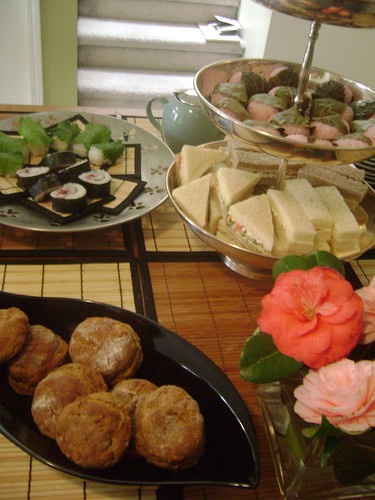
1st Tier: Sushi & Savouries

Ume-Shiso Sushi, originally uploaded by Ayala Moriel.


Tea Tray, originally uploaded by Ayala Moriel.

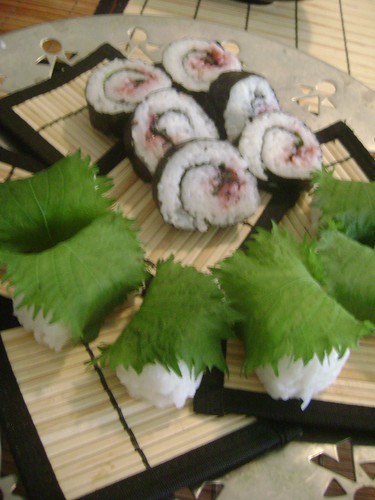
Ume-Shiso Sushi
Avocado & Japanese Pickled Ginger Tea Sandwiches
Ginger-Carrot Tea Sandwiches
Cucumber-Wasabi Tea sandwiches
Kosho (Hot Green Pepper & Yuzu paste) Tea Sandwiches

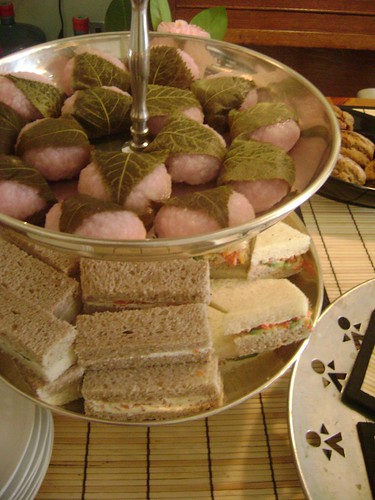
The ume-shiso sushi was something I tried last summer at the sushi bar in K-Mart (the Korean market on Robson street, which is also where I get the perfect bread for the tea sandwiches). I wanted to order from them a bunch for the party, but they stopped making them (it is not exactly shiso season yet, so that's understandable). Thankfully, the konbiniya (aka Japanese convenience store on Robson) had some fresh shiso leaves, so I was able to try to mimic what the restaurant did (total failure, because I always put too much rice in my rolls, and also the seaweed would have gotten too soggy by the time the guests arrives; so I stopped myself after one roll). Instead, I invented these little nigiris, using the rice molds in Tamya's sushi kit. I filled them with some ume paste and black sesame seeds, and wrapped them in shiso leaf, which remained fresh and pretty for hours.

As for the sandwhiches - the avocado is drizzled with yuzu juice to prevent it from discolouring. I've really enjoyed the tea-time-meet-Japanese cuisine adventure!

2nd Tier: Scones
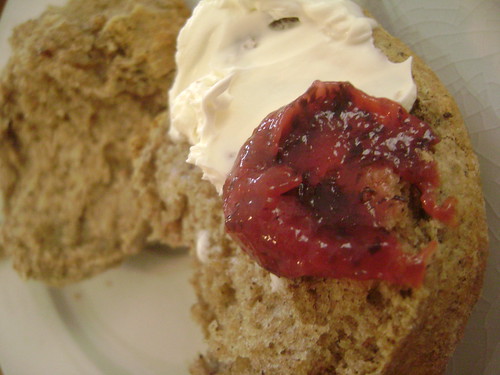
Buckwheat Scones & Povidel (Eastern European Prune butter)

Buckwheat scones, originally uploaded by Ayala Moriel.

I tested these prior to the party with three different condiments/jams - ume (sour plum) paste (see above) and cherry & carnation jam, and povidel (prune preserve). The last choice seems to complement the buckwheat the best so that's how they were served in the end.

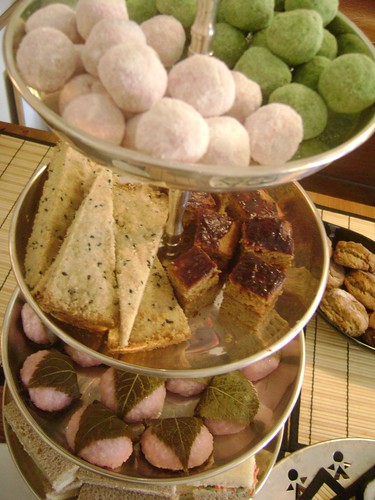
3rd Tier: Sweets

Tea Tray, originally uploaded by Ayala Moriel.

Sakuramochi (Cherry Blossom pastries)
Charisma Truffles - with matcha, spearmint and jasmine
Hanami Truffles - with ground tonka bean, lotus, tuberose and magnolia
Black Sesame Shortbread Cookies
Torti di Grano Saraceno (Northern Italian buckwheat and almond torte with raspberry filling).

The Teas


DSC09930, originally uploaded by Ayala Moriel.

First guests at the tea party are experiencing the white tea blend.

Sake and a fine selection of teas were served, including white, green, oolong and black teas.
More about the teas in the following post about the spring-welcoming tea ceremony.

Labels: , , ,

Monday, February 15, 2010

Spring Blossoms


Spring, originally uploaded by Dragan*.

Spring and all its flowers
now joyously break their vow of silence.
It is time for celebration, not for lying low;
You too - weed out those roots of sadness from your heart.
- Hafiz

Winter hibernation gives man and nature time to restore energies and contemplate life while seemingly listless and lifeless. Everything has a different way to cope with cold and darkness: Trees withhold their foliage until the sun provides sufficient amounts of energy; seeds and bulbs hiding from rot in the cold hard earth covered with snow and ice; animals and people laying low, keeping warm and preserving energy, or sleeping the winter off.

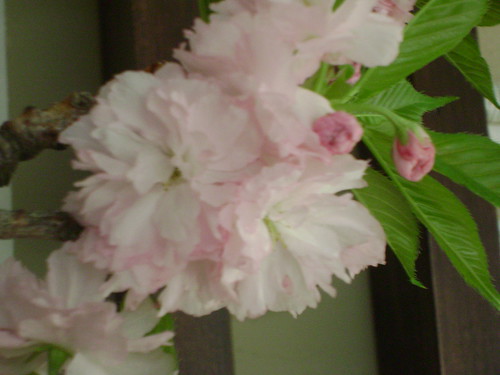
With the return of sun with its light and warmth, the world reaches a resolution of returning to life, with full force. And nothing expresses this drive better than the spring blossoms: set against dark barks and cold earth, barely defrosted, the abundance of delicate pink flowers of cherry, almond and plum are the boldest statement of life and optimism. They can also be seen as symbolizing enlightenment.

Spring blossoms are two months early this year, blooming as early in the winter as late December and reaching impressive peaks by early February. The trees have reached the verdict to continue on living without even taking an afternoon nap. Somehow, this seems all wrong... Denying the stillness, the darkness of winter and refusing to look into the depths of despair, this mirror of misery for the true meaning of life that can help us reach the next phase of enlightenment.

Or could it mean, that nature is telling us to stop grieving, gather our optimism and cheer up faster when things look down and gloomy? Taking that risk, sending the best of the best out to the world, risking to waste all your flowers for another possible cold draft… With the hope that these flowers will, if not bear fruit, at least put a smile on the face of one sad person.

It was just a little less than two years from when I created Hanami perfume. And it still amazes me what these few poetic words and the visions of cherry blossoms in the city bring into my life.

P.s. Yesterday I spotted a blooming rhododendron bush! These don't come out till MAY!!!

Labels: ,

Monday, May 11, 2009

Scents and Serendipity

Visit Scent Hive blog to read Part I of duVergne's impressions from the Hanami exhibition at Blunda April 18th. Part II will be published on Tuesday.

Labels: , , ,

Friday, May 01, 2009

Hanamai on Perfume Smellin' Things

Tom of Perfume Smellin' Things reviews Hanami and reports about the event at Blunda.
Thank you for coming to the event and for blogging about it! I'm touched.
And I absolutely LOVE the image chosen for illustration. It's perfect for Hanami.

Labels: , ,

Monday, April 27, 2009

Hanami Exhibition @ Blunda - More Photos

These are photos by Andre' Schnyder, an artist and photographer and Persephenie's partner:

Me and the perfume display.

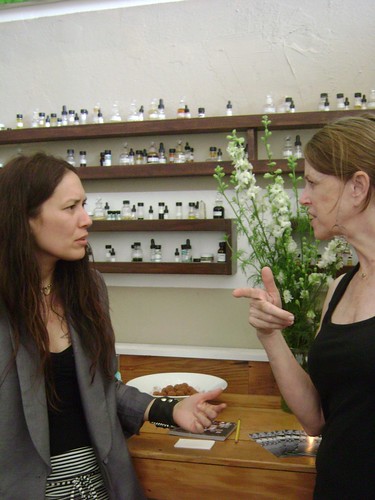
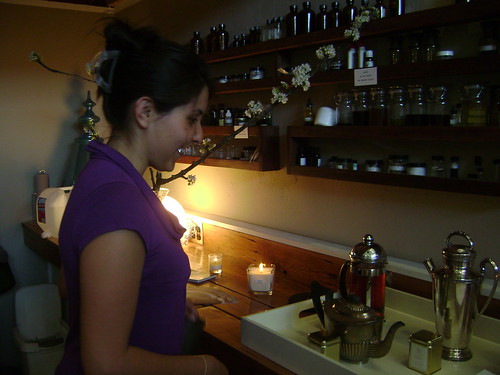
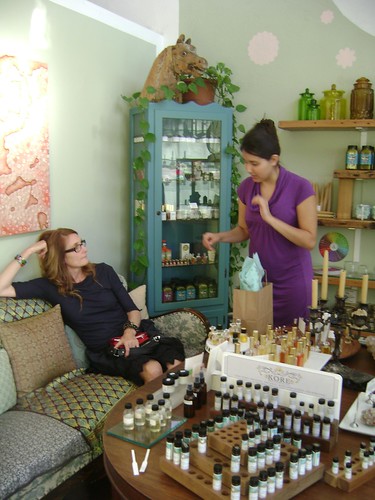
Guests at the Blunda Perfume Lounge. Everything here is comfortable and smells good, naturally.


Persephenie's perfume organ can be seen on the wall, and on the counter below there is the whole spread of the afternoon tea treats we made. From left to right:
- my 3 perfumed teas (Charisma, Immortelle l'Amour, Roses et Chocolat)
- tea sandwiches (cucumber & watercress, carrot & ginger and minted radishes) - recipes to follow
- Sakuramochi (from the Japanese market) - the special pastry for Girl's day and the Hanami aka flower viewing festival)
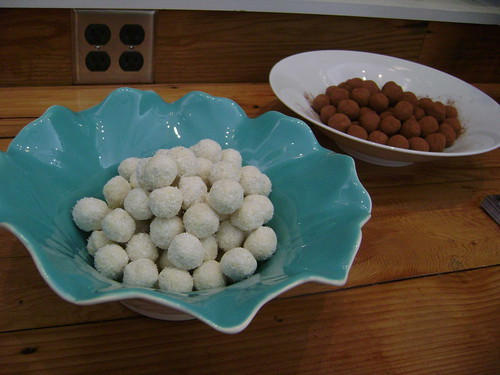
- White Potion & Guilt chocolate truffles that Persephenie, Maribel and I rolled the day before.
And there were even sakura branches from the nearby flowershop to decorate the table!

Getting ready for the presentation...

I'm sniffing the Hanami scent-strip fan (my demo included a breakdown of the notes for hanami, divided into accords - i.e. metallic wood accord, Sakura accord, etc. - and the perfume's structure - i.e. base, heart & top.


The Hanami banner is so big. Or maybe I'm just really tiny... It's all relative.


Some favourite shots of Persephenie & me:


And last but not least - with back-lit cherry blossom branches:


Labels: , , , , , ,

Saturday, April 18, 2009

Hanami Perfume Launch @ Blunda Natural Botanical Perfume Exhibition #2

The exhibition at Blunda was great, meeting lots of passionate perfume people. The following posts are mostly photos as I'm too tired to write and need to do a lot tomorrow before flying back to Vancouver. I have a feeling this is not going to be my last time in California though - this place rocks! The people, the food, the sun, the perfumes - it really feels like the centre of it all. I hope the rest of the series will be very successful for Blunda and the other perfumers.

THE PRESENTATION


Hanami Perfume Launch @ Blunda Natural Botanical Perfume Exhibition #2, originally uploaded by Ayala Moriel.

In the presentation, I spoke about the creative as well as technical process of creating Hanami.
Selecting the notes - wet woody notes for the base, and the sakura accord for the heart. Using scent strips, I demonstrated how each notes stands out on its own with its unique characteristics. And than showed how they combined together to create Hanami.
I also talked about the inspiration, and how I finally arrived at selecting the name.

THE FOOD

Sakura Mochi, originally uploaded by Ayala Moriel.

Hanami Flower Arrangements, originally uploaded by Ayala Moriel.

We served all three perfume teas (Charisma, Roses et Chocolat & Immortelle l'Amour) and afternoon tea treats, including Sakura Mochi, perfumed chocolate truffles and fresh tea sandwiches the Maribel & I made that morning - cucumber & watercress, minted radishes and carrot-ginger (all with cream cheese).


The Truffles!, originally uploaded by Ayala Moriel.

We made 2 perfumed chocolate truffles - White Potion and Guilt. White Potion really complements the sakura accord in Hanami as it was made with both magnolia and tuberose. The almond essence kind of mimics the coumarin notes of tonka (which is really not good for consumption use).


THE PEOPLE
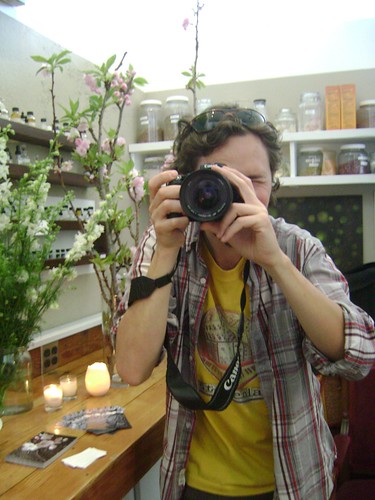
Andre', Persephenie's husband and business parter, who took photos of the event (I'm sure his turned better than mine - look at that camera!).

Andre', originally uploaded by Ayala Moriel.

Persephenie talking to a guest at the exhibition. In the background is her incredible collection of natural essences - a perfumer's organ arranged on the shelves.

Persephenie & Janet, originally uploaded by Ayala Moriel.

Maribel, Persephenie's assistant who was more helpful than I can even begin to tell. And very sweet too!

Maribel, originally uploaded by Ayala Moriel.

Maribel helping Janna at the perfume lounge area in the store front.

Janna & Maribel, originally uploaded by Ayala Moriel.

Andre' and a friend in front of Blunda

Outside Blunda - Andre' & Friend, originally uploaded by Ayala Moriel.

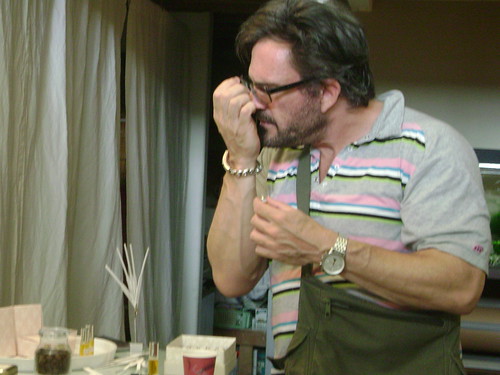
One of the guest sniffing away after everyone else is gone...

Sniffing away..., originally uploaded by Ayala Moriel.

Labels: , , , , , ,