Sunday, May 21, 2006

Saturday at the Rhododendron Garden

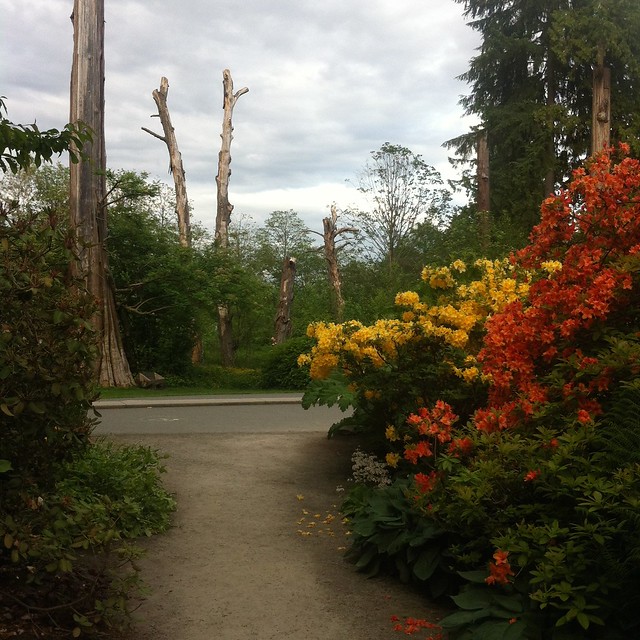
A couple of weeks ago, I was welcomed every morning by the refreshing and intoxicating lily-like scents of the yellow rhododendrons in my back garden and every evening reminded me that it’s time to go visit the rhododendron garden in Stanley Park. If you happen to be visiting in Vancouver at this time of the year, don’t miss a stroll along the paths of this extraordinarily beautiful and romantic garden. And if you live in Vancouver you can enjoy it year around – it is a lovely stroll even when the rhododendrons are not in full bloom as they are now…

Although there are a number of rhododendrons native to Europe and North America, for the most part – we owe the beauty and variety of rhododendrons to Asia – where there is are numerous species growing wild on the Himalaya, in Tibet, China, Japan and in the Sikkim region in India (to name just a few instances). If you like, you can read more on the history of rhododendrons.

In Greek rhododendron means “Rose Tree”. And like roses, there is an incredible amount of hybrids. The diversity of fragrance found amongst rhododendron flowers is very much like that of lilies. Therefore, I will not hide my puzzlement at why does rhododendron not have a more respected place in perfumery. Besides a few perfumes in my own line (Fetish and Rebellius which both use wild rhododendron from Nepal), I have only seen it listed as a note in Estee Lauder’s Intuition. For some reason, despite the abundance of flowers and the fact that the leaves and stems themselves possess a sweet, green-balsamic and slightly floral aroma – it is hard to procure rhododendron oil or absolute. Perhaps the toxicity of some of the varieties (the leaves, nectar and pollen of some of the species are toxic, and it is said that the honey from rhododendron or azalea flowers can make people ill). Maybe I need to join one of those secret rhododendron cults to find the answer…
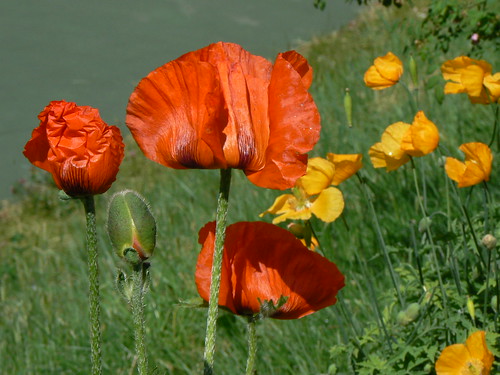
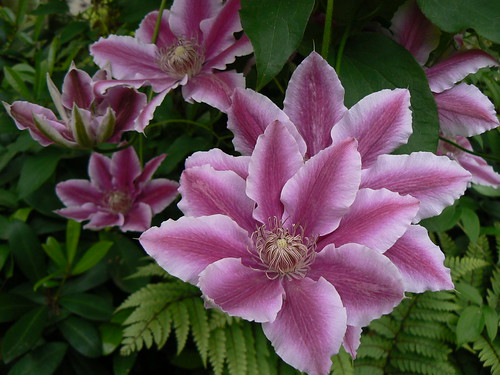
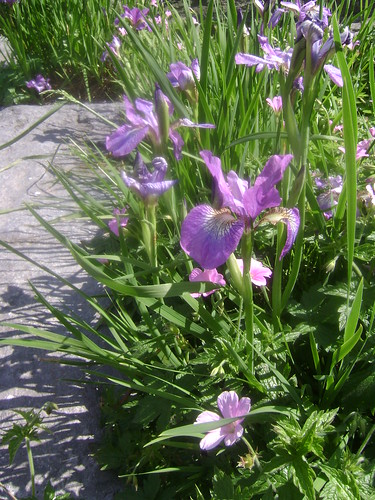
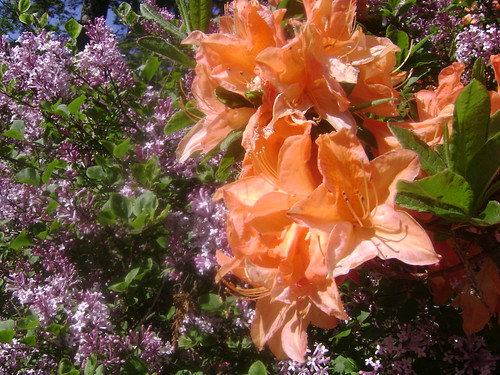
The following photos were all taken last Saturday, May 13th 2006. I decided to include both varieties that had a significant odour and those that were a mare visual delight… Rhododendrons present quite a variety of colours, sizes, scents and also the shapes of the flowers vary tremendously. I noticed that the ones that had a lily shape were the most fragrant, and for the most part smelled like lilies.

Labels: , , ,

Wednesday, May 05, 2010

May Flowers

This post is part of Roxana Villa's May Flower blog project. Visit her Illuminated Blog for a full list of participants and links to their articles.

I'm going to take you for a little walk in the gardens I frequent in the West End. Summer arrived here early, after a very long spring that began sometime in December. Spring and summer flowers are blooming in succession as well as simultaneously. These photos were actually all taken on April 24th. Vancouver is one big flower party these days!


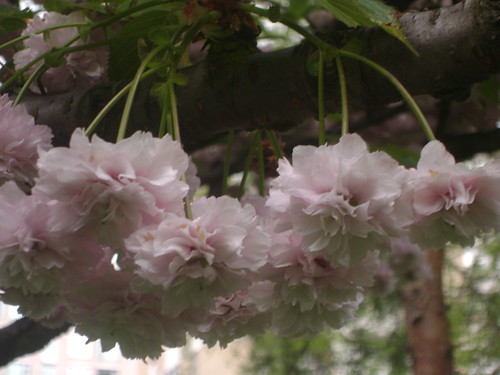
Cherry Blossoms, originally uploaded by Ayala Moriel.

Cherry blossoms, certainly the symbol of spring, or even early spring if you wish. They are still decorating the city by the hundreds, refusing to leave the party. They want to observe the summer flowers too!


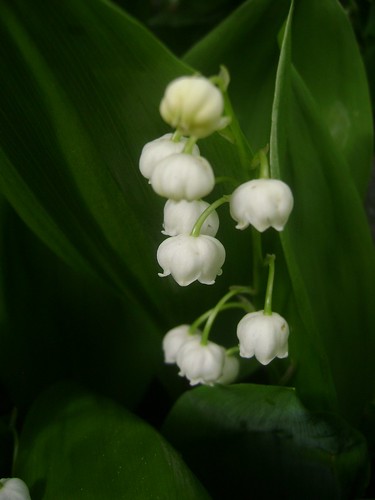
Lily of the Valley, originally uploaded by Ayala Moriel.

Lilies of the valley are rather rare in these parts, and this is the very first time that I've seen them in such abundance. With their tiny bells they announcer of summer, just like snowdrops announce the end of winter. They remind me of hidden gardens and all things bright and green.


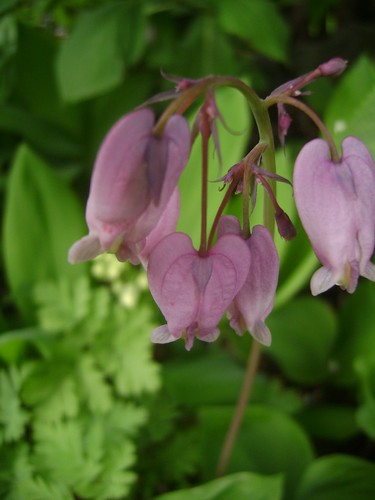
Bleeding Hearts, originally uploaded by Ayala Moriel.

Wild bleeding hearts are perhaps not as impressive as the cultivated and more defined variety, but they are such a romantic reminder of love gone wrong. I imagine their scent to be green and poisonous, although in reality they have very little to offer in the world of scents.


Chocolate Lily, originally uploaded by Ayala Moriel.

Chocolate lilies are an alpine surprise that is always a little funny to find, with their queer checkered petals shaped like chocolate Easter eggs...


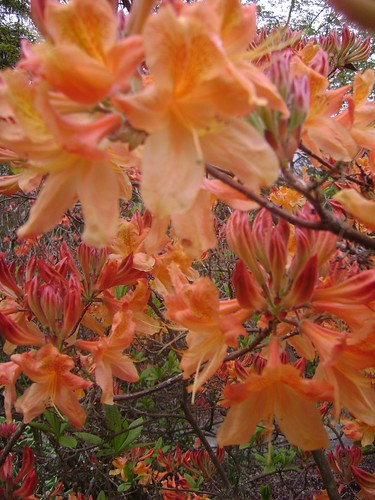
Coral Rhododendron, originally uploaded by Ayala Moriel.

These rhododendrons smelled exotic and tropical, like a giant indolic lily. The yellow rhododendrons in my building's garden are already in full bloom and greet you at the door with a hit of lily-scented cloud...


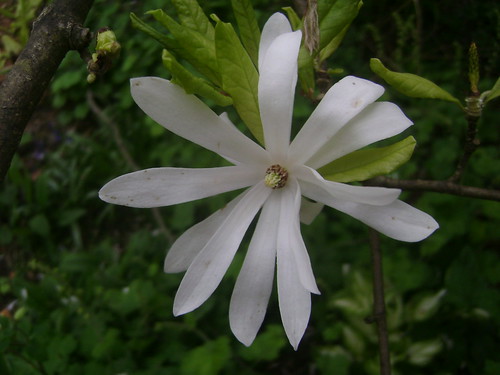
White Magnolia, originally uploaded by Ayala Moriel.

Star of the show, this dwarf white magnolia is such a beauty, even if not as fragrant and gigantic as the others that were blooming earlier this spring.


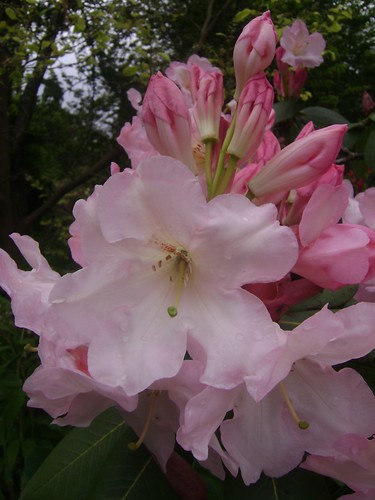
Pink Rhododendron, originally uploaded by Ayala Moriel.

This big pink rhododendron was a surprise to me, because the large bell-shaped ones tend to be nearly odourless. This was a complete perfume, and smelled like a dewy orchid. It was simultaneously sappy, resinous and a little pine-like and soapy.


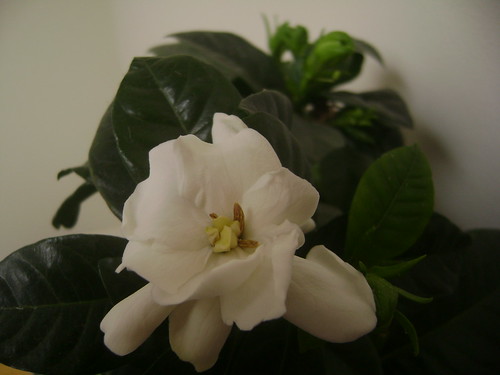
Gardenia, originally uploaded by Ayala Moriel.

Even my gardenia plant, which always refuses to open its buds, has opened several flowers that were tightly sealing their fragrant secret written on white petals and coiled in a green capsule that only summer knows its access code.

We already have lilacs and peonies blooming, as well as elder flowers. I wonder: what will be left for summer?

Labels:

Thursday, June 11, 2009

Week of Teaching

Antique perfumer's organ at the Musée International de la Parfumerie

Perfumery students evaluating the scent of roses in Stanley Park, Vancouver

It's been a week of teaching at my studio has come to an end, which explains why I was unable to blog recently. And now that it's over I can share a few moments captured with my little digital iBall.

This week focused on technique and olfactory memory: sharpening the students' skills of remembering, recognizing, categorizing and identifying notes in different contexts. Understanding the different relationships between notes and which molecules they have in common helps greatly in achieving balance in perfume compositions and preventing clutter (the slippery-slope of natural perfumery since the materials are so complex on their own).

Simplicity was an important theme this week as well, learning restraint and sticking to the basics to achieve clear, concise olfactory statements. The fragrance families of citrus and Eau de Cologne for newer students and the intense challenge of creating all-natural soliflores pose a challenge of creating something that is focused on a simple theme yet not boring and also has enough sillage and longevity.

Perfumery student evaluating the fragrance of the living flower of white magnolia at the Rhododendron Garden in Vancouver

Nature is not only a source of materials, but also a source of inspiration. So I always make a point of taking my students outdoors as much as possible and study fresh living plants and notice the aroma in the air. When near water, or in the forest, or near the ocean or on the mountains - the surrounding plants, earth and air changes and so does the scent. This week we went to Ted and Mary Greig's Rhododendron Garden, to view the last blooming azaleas and find other fragrant surprises - which happen to include one rose that smelled intensely of musk and aldehydes (I found it extremely disturbing actually! It smelled like a perfume, not like a rose at all...), a dark red rhododendron redolent of spicy ylang ylang, and a white magnolia that smelled like fresh peeled tangerines and carob blossoms. We also found a white blooming tree that smelled precisely like styrax (Liquidambar orientalis).

In September, a new group of students is being accepted into this 2-year perfumery program. There are still 2 spots available. For information, inquire here.

Labels: ,

Wednesday, June 18, 2008

Olfactory Quilt: Spring 2008 in Vancouver


Urban Daisies, originally uploaded by Ayala Moriel.

Spring is about to come to an end come June 21st. And since I usually prefer to spend my Springs in Israel, this might be my only chance to create this type of collage on SmellyBlog, capturing my impressions of Spring in sequence from March till June. Besides, I feel this Spring was the first one I actually “got” – just like an obscure and fleeting perfume that won’t easily let you discern it’s different notes. Being spoiled with Middle-Eastern Springs, that are all about a showy explosion of flowers – both colours and smells – the subtleties of a West Coast Spring have escaped me for years.

Spring in Vancouver always seem to arrive early, with the first brave tree blossom – plum and cherry. But it is the daffodils and the tulips that announce it more explicitly, encouraging kindergarten and schoolteachers to decorate their classrooms with yellow cutouts of certain floral shapes.

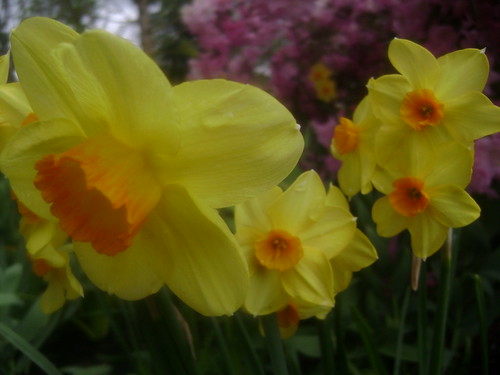
Daffodils
Daffodils have a scent that I am yet to be able to describe. It’s altogether clean and soapy and at the same time has that dirty indolic floral underlining it all. And tulips have no scent at all for all I can tell from a floral perspective – perhaps one can smell a green hint from the petals and the stingy odour of pollen.

Mysterious and invisible blossoms
It seems that here, the tinier the flower, the more fragrant it is. If the air is not completely washed out by air, you may detect an overall floral intoxication lingering in the air. Deemed urinal-smelling by some, to me this is very similar to the scent of wild narcissus from back home. However, this is happening at the very beginning of spring, when there are hardly any blossoms to be seen – definitely not narcissus. It took me 10 years to gun down the source of this olfactory pollution: privet blossom.

Magnificent Magnolias
Magnolia Highrise, originally uploaded by Ayala Moriel.

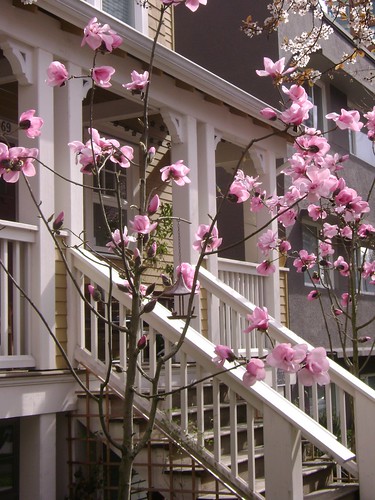
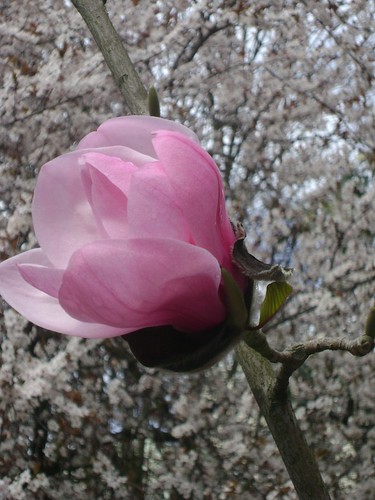
Magnolias are not just a Southern thing (although the porch pictured below may as well pass for one). There are trees in every shape, size and colour spread around the city, and I am very thankful for that. There are white magnolias, pink magnolias and even very dark red-wine magnolias. The most beautifully fragrant are the white and the pink (with some exceptions – each tree has it’s own unique scent it seems). The flowers are outrageously beautiful. Glorious really.

Magnolia, originally uploaded by Ayala Moriel.


Magnolia, originally uploaded by Ayala Moriel.


Cherry Blossoms

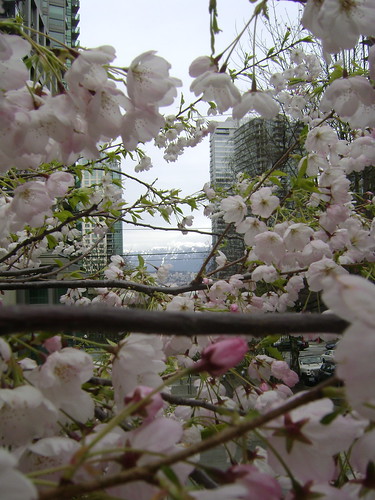
Cherry blossoms are the never-tiring cliché of spring just as much as almond blossoms are in Israel’s Tu BiShvat. With the strong influence of Japanese culture in Vancouver, there is in fact a (quite) Sakura festival happening in the city, the centre of which takes place on the weekend, under the cherry blossom boulevard of Burrard SkyTrain Station. I have missed this year’s festival but you could say I constantly celebrated with my own perfume tribute to the poem “In A Station of the Metro” which is my interpretation of this exact locale. With this and thanks to the whimsical hot-and-cold weather prolonging the season (freezing the flowers and than defrosting them, almost literally!) -it’s been certainly a Sakura spring for me in more ways than I can reveal in such a short paragraph.


Parallel Horizons and Vanishing Points, originally uploaded by Ayala Moriel.

Hyacinths and the 7 S's
Hyacinths hold a special place in the Persian New Year’s celebration. They are presented as an offering on the table with the 7 S’s (Haft Seen) – various objects (mostly living objects – such as fish and sprouted wheat) to bless the new year. Hyacinth symbolize life and beauty. Within closed quarters, these grape-like clusters of blue, pink or white flowers may be overbearing, but outdoors in the gardens on the typical chilly spring days, they are green, fresh and beautiful and positively intoxicating.


Hyacinth, originally uploaded by Ayala Moriel.

Tulips
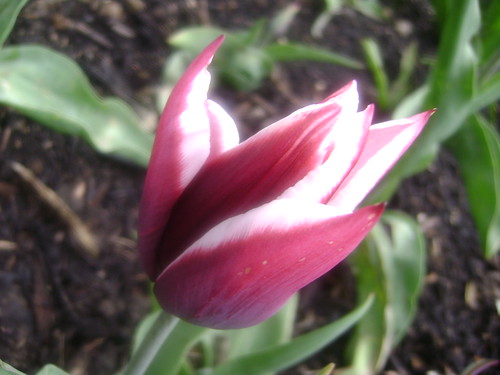
In contrast to the fragrant hyacinths, these bulb flowers have no scent at all to write home about. Perhaps there is some greenness about them, but if there is any scent at all I suspect it comes from the pollen-covered stamens. Tulips of all shapes, colours and patterns take over the city for a short period of time, and if you are not careful you may get convinced that you are actually in the Netherlands during early April. This particular tulip in the photo looks like a flame, with its dark (nearly black) petals trimmed with gold.

Flaming Tulip, originally uploaded by Ayala Moriel.

Lily of the Valley
Come late April, and silver bell-like offerings of lily of the valley pop up in high end flower shops around the city. Although they could, you will rarely see them growing in gardens. This year I have made a point of filling my home with little bunches as long as I could find them. Needless to say, I did not regret it one bit!


Lily of the Valley, originally uploaded by Ayala Moriel.

Miscellaneous beautiful flowers, of now particular scent
The following is literally a collection of flowers that caught my eye and that have become iconic symbols of Vancouver’s spring for me. Bleeding hearts, with their drop-dead-gorgeous jewel-like designs; Irises, both yellow and purple, popping up in skunky marshes and ponds; poppies with their strange un-red colours or the cultivated gigantic vermillion awe-inspiring opiatic presence. And lastly, this strange passionflower-like climbing shrub that I discovered in the back garden and I have no idea what it is.


Bleeding Hearts, originally uploaded by Ayala Moriel.


Sun-washed Poppies, originally uploaded by Ayala Moriel.

Sort of a passionflower, originally uploaded by Ayala Moriel.


Iris, originally uploaded by Ayala Moriel.

Peach Scented Flowers
The identity of this bush/shrub is unknown to me and it bloosm with the most enchanting peach scent that reminds me of both lilac, osmanthus and of course - peach. If you know its identity, please do tell.

Peach Scented Flowers, originally uploaded by Ayala Moriel.


Rhododendrons and Lilacs
I’ve already raved about the beautiful rhododendron gardens of the city before and I could probably blog about them every day when they’re in bloom. Needless to say – I’m smitten with rhododendrons and the variety of colours, shapes and fragrances they add to this green & gray place I’m living in. The particular combination of rhododendron flower on a backdrop of lilac bush in full blossom is like adding a cherry on the top. Now, this is a perfume.

Rhododendron & Lilac, originally uploaded by Ayala Moriel.

Summer Just Around the Corner

Jasmine after the rain, originally uploaded by Ayala Moriel.

You know summer is at the door when the peonies start to bloom and when you can smell the jasmine flowers in my balcony. I picked a little bunch of jasmines for a building-block photoshoot (the results of which I hope will be of much use in the not-so-far future on both my website and printed guides). Just three of these small blossoms were enough to perfume my entire bedroom. This was your daily-dose of an aphrodisiac.


Pink Penoies, originally uploaded by Ayala Moriel.

Labels: , , , ,

Monday, July 02, 2007

Corpse Flower


Corpse Flower 30-06-2007, originally uploaded by Ayala Moriel.

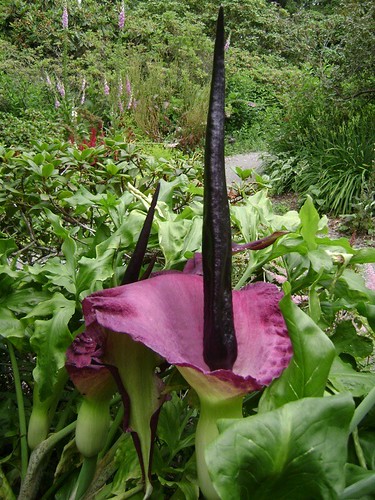
Now, on a far less pleasant note, I did find this corpse flower in the rhododendron garden earlier that Saturday... It's the first time I'm seeing it here at the rhododendron garden, which is usually known for far more pleasant habitants. In Israel, we have a much smaller variety which smells like old human feces. Just like this corpse flower you can see above, it also attracts flies (which it feeds on once they get caught in its juicy trap). I'd take that any day over the smell of this particular corpse flower.
And how did the one in the picture smell? Rotten fish! Now I can almost understand what Grenouille was trying to avoid by becoming a murderous perfumer... I'd do anything to avoid this stench, it was sickening and I could barely stand there long enough to take a few close up shots...
There were no rhododendrons left in the garden (except for one bush, which was not of a fragrant variety), so I had to run for my life after that and go straight to the sea... Grenouilles favourite smell until he got spoiled on virgin body odour... I'll stop now before I frighten myself too much!

P.s. I am not so sure that "Corpse Flower" is the accurate name for this particular variety. This is not the Titan arum although you must admit it has quite an impressive phallic centerpiece... If you have a clue of the true name and/or Latin name, please share it with me. I am sure it's a type of Amorphophallus, but the exact species, I am not sure...

Labels: , , ,

Sunday, May 01, 2016

New Perfume: Lost Lagoon

 Inspired by a hidden garden of azaleas

Lost Lagoon

Happy May Day!
I'm excited to share with you my new perfume for spring and summer: Lost Lagoon.

Every spring, the rhododendrons awaken - first slowly, building anticipation. By early May, they simply burst with colour and aroma, some of the bushes so dense with flowers that you can't even see their leaves and branches...

These fragrant azaleas paint the edges of Lost Lagoon with myriads of flowers of tropical colours and exotic scents as versatile as the number of hybrids planted there: some are reminiscent of lily, others are like ylang ylang and some smell like cool suntan lotion. Bluebells, violets and other bulb flowers and annuals are planted among them; and magnolia, lilac and syringa contribute their luscious perfume to the already fragrant air. Freshly cut grass from the Pitch & Putt is the only reminder you're still in the Northern Hemisphere and not in the tropics...

Lost Lagoon

In case you can't experience this extravagant botanical explosion in person - don't be sad: I've bottled that scent especially for you!

Lost Lagoon is the third installation in "Perfume For A Place" series, which is inspired by my favourite places in Vancouver. This perfume will transport you to a secret lagoon surrounded by tropical flowers. Lost Lagoon is a refreshing Chypre with exotic floral notes of magnolia and ylang ylang and loaded with bergamot and green notes of rhododendron buds, violet leaf and galbanum.


Top Notes: Bergamot, Lemon, Galbanum, Violet
Heart Notes: Rhododendron, Magnolia, Ylang Ylang
Base Notes: Oakmoss, Amber, Iris


Labels: , , , , , , , , , , , , , ,

Friday, September 09, 2011

Peaking Through Leaves

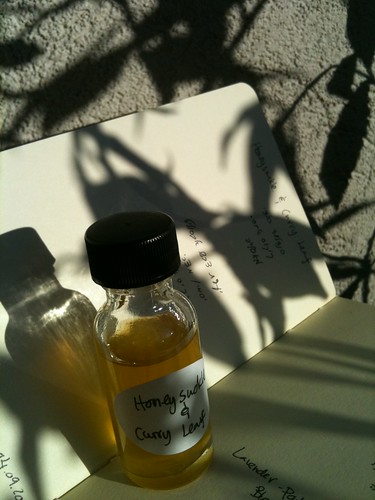
Honeysuckle & Curry Leaf

Testing my Honeysuckle & Curry Leaf perfume this morning, and filtering the remainder of the previous batch of Fetish (getting it ready for Adhesif - a new boutique on Main street! My perfumes will be there beginning Tuesday!!!) got me thinking of more leaves that need to be included in this perfume.
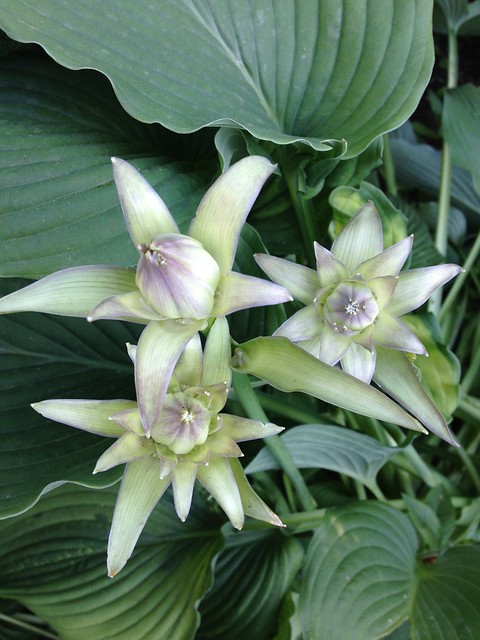
Kaffir lime leaves and rhododendron buds, to be exact. Hmm... perhaps even some hemp!
I returned to the trial vat a few moments ago, adding a little bit of this and that, while being very cautious about not putting too much kaffir lime - I added very tiny bit of my hand crafted tincture of the leaves. It adds a bit of a clean, fresh bite to the perfume that is similar to what a fresh curry leaf will do if you were to bite into it - which I did when I had that amazing dessert at Dosa! The curry leaf was a freshly crystallized one, and was pretty and crisp and odd biting into, crunching the leaf and releasing the aroma in my mouth, along with slightly gritty sugar... Really quite the culinary experience!

The rhododendron leaf adds a bit of sweetness I hope. I've decided to steer clear of the hemp oil (it's actually from the seed, but smells utterly green and fresh) even though I'm sure many people in San Francisco will enjoy that reference ;-)

At this point, the perfume is still a tad too heavy and dense because of the honeysuckle absolute, and not quite as brisk and fresh as the fresh flower is. There might not be escaping the use of jasmine in there after all to lighten things up a bit... But how do you make honeysuckle smell more sweet? And honeyed? This will have to wait for the next post.

Labels: , , , ,

Sunday, May 21, 2006

Orchid

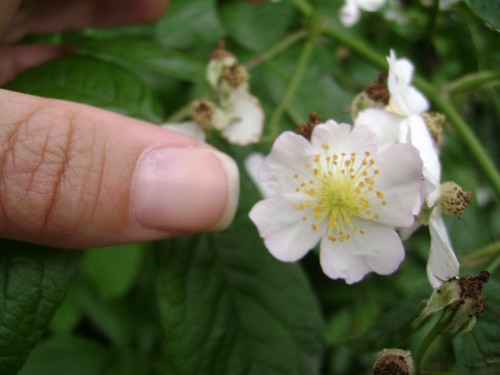
The variety of rhododendron is quite incredible. This rhododendron flower was not very fragrant, but it looks like an orchid.

Labels: , , ,

Two White Rhododendrons

A rhododendron tree:


Here is a classic white rhododendron:

Labels: , , ,

Monday, August 22, 2016

The Life Aquatic - Beyond Beach Scents Cliché

Life Saver

Even though most people don't think of water as having a scent - the most favourite nature smells among my clients are that of rain and ocean. This is based on a 15 year long ongoing voluntary data that customers provide me about their fragrance preferences.

I can't imagine what it would be like in summer without the wonderful beaches, lakes and streams. Even summer rains are welcome in my world, as they make the season feel more precious and allows us to continue enjoying greenery and worrying less about forest fires and dreadful droughts. Therefore I'd like to dedicate August's newsletter to water-inspired scents.

There's saline water and freshwater. In a similar manner, water-inspired fragrances can be divided into two: Aquatic and marine. Aquatic perfumes are usually ethereal, light and inspired by water gardens and flowers such as waterlily, lotus and iris and the wet-woods watery quality of cassie as well as the cucumber-like personality of mimosa and violet leaf absolutes. Marine fragrances tend to be more masculine (usually they're a sub-genre of Fougère) and include mineral notes that allude to salt such as ambergris, seaweed, oakmoss and vetiver - and even notes that suggests savouriness, such as parsley, dill, celery and angelica.
Bon Zai is perhaps the first aquatic perfume I've created, and the only one that has absolutely no saltiness to it. I often suggest it to clients who like the smell of rain, because it has the same freshness and crisp qualities the air has when it rains. It's a quite, non-dramatic, peaceful scent. Think about gentle West Coast rain in a Zen garden - no thunder or lightning, only soft rain on pine needles.

Since 2009, with the launch of Hanami, water has been a recurring thread in my perfume creations.  And as you will soon see, I often combine the qualities of freshwater and saline water in the same composition - which gives it a rather sheer quality and a compelling lightness. Although on and of themselves, cherry blossoms are particularly watery - Hanami plays on the theme of wet wood, after spring rain, and that scent mingling with that of cherry blossom and the urban surrounding: metal, wet pavement, and the commotion in and out of the underground train station. The scent is abstract, yet compelling. And for those who are familiar with sakuramochi and brine-preserved sakura and sakura tea - there is also a savoury connotation that balances the otherwise cloying sweetness of the flowers involved, and which makes Hanami perfume even more intriguing.

l'Écume des Jours (2004) was my first watery creation. Inspired by the perfect symmetry and profound beauty portrayed in Boris Vian's most praised novel by the same name. Cheerful Pianola top notes of cassis and freesia lead to Chloe’s deadly Lung Water Lilly. The melancholy base of green moss and watery marine seaweed reflects the tragic conclusion of the tale. l'Écume des Jours is a strange perfume of unusual harmony that inspires appreciation for the simple beauty that is found in all things – especially the Jazz of New Orleans...

And speaking of New Orleans: I also created a perfume that invokes the haunting scents of the Louisiana wetlands with salty seaweed and oakmoss underscoring heady flowers of magnolia, osmanthus, orange blossom and tea rose. There is also Meyer lemon and rosemary that truly cut through the sweetness and add a savoury touch that echoes the salt notes. For a scent so rich with florals, it is surprisingly refreshing, light and easy to wear.

Orcas, the first natural Fougère-Marine fragrance that was nominated for the 2012 Indie FiFi Awards,  now celebrates its 5th year anniversary. Inspired by the breathtaking scenery of the Wild Pacific Trail, a place where ocean meets forest and whales blow and sing above the stormy weather. Orcas perfume is an innovative all-natural marine woody, a unique combination of scents from sea and seashore. Brisk and pungent citrus and herbaceous notes suggest ocean breeze and tea-like clarity, and an array of oceanic treasures such as seaweed and ambergris meet seashore and rainforest notes.

My newest perfume, Lost Lagoon is a Chypre with s a powdery-sweet softness from the juxtaposition of amber, orris and magnolia that balances the bite of galbanum, rhododendron leaf and lemon. It is not aquatic per se, but it was inspired by the dreamy Rhododendron Garden that trails along Lost Lagoon. Again, we find a place where the freshwater is very close to the ocean, and this reflects in the perfume as well. The oakmoss contributes the saltiness, but the flowers are luscious and has a watery air to them - the crispness of violet leaf and iris being the main contributors to that effect.

The last bit of cliché I'd like to tackle is that of beach scents. This popular sub-category of Florientals (or Floral Ambery) tends to be fruity, sometimes even cloyingly sweet, and smells very artificial. It is a strange category because it takes after the scents of ancillary products - namely suntan lotion, suntan oil and sunscreen products. These are usually rather chemical concoctions of white flowers and fruit esters over synthetic musks and amber bases, and sometimes even a bit of aquatic smelling compounds. If you love beach, this would smell fantastic to you; but even if you do - too much of a good thing can get a little overwhelming, or boring at best.

What I tried to do with Sunset Beach, is create a perfume that is neither watery nor marine in character, but rather works with the tropical materials in a more authentic way. To start with, the inspiration is driftwood and the fragrant flowers that might bloom near the beach. So it's entered around sandalwood from both Hawaii and India. I've used massoia CO2 as well as handcrafted tinctures of milky oolong tea and pandanus leaf to intensify the milky quality that is sadly lacking in most modern sandalwood oils. And I've used champaca CO2 for its fruity, spicy and incense-like qualities that I find irresistible, and ylang ylang for its fruity esters and creamy-coconutty qualities. Whenever I wear it I feel like I'm on vacation, and I hope you do too.

In the same way that Hanami contrasts urban and natural elements, my upcoming perfume Coal Harbour juxtaposes the smells that co-exists in my oceanside city's harbour: the salty-animatic notes of seaweed and marine animals at low tide with the rank of jet fuel from the aquaplanes. This disturbing contrast (both smells are quite intense, and together they can be very unpleasant, especially when locked up in a bottle!). To soften this blow, I've added notes of fresh cut grass that wafts off Harbour Green Park, as well as pleasant-smelling local tree blossoms, namely linden, elderflowers and balsam poplar buds.


Labels: , , , , , , , , , , ,

Thursday, March 21, 2013

Osmanthus Conversation with Perfumer & Candlemaker Nikki Sherritt

Tea Party of Love by Ayala Moriel
Tea Party of Love, a photo by Ayala Moriel on Flickr.
In the second conversation in our Osmanthus Series, I invited Nikki Sherritt to join the conversation. Candlemaker for Gabriel's Aunt where she creates naturally perfumed soy wax candles; perfumer in her newly launched Rebel & Mercury natural perfumes line - and an all-around wonderful lady with whom I had the pleasure to work for many years. We collaborated on several candles for under my brand, hosted events together, and participated at the 1st Artisan Fragrance Salon in San Francisco in July 2012. We initially met when Nikki drove up to Vancouver for a brief day for a private lesson and consultation way back when. We immediately "clicked" and I was so impressed with her candles that just had to commission her to handcraft a collection of them for me. Since the very beginning of our interaction and working together, we both felt that we have similar aesthetics and a similar passionate attitude about our work, being almost overly enthusiastic about it - and being quite proud about our self-taught knowledge in our areas of expertise.

In everything that Nikki does, there is a sense of free-spirit, innovation, and an unpretentious commitment to purity, independence and quality. This conversation will let you in to Nikki's experience of working with osmanthus in general, and her creative process behind her new perfume, Osmanthus Red and her other osmanthus prominent perfume, Cerise en Cocoa for her perfume line, Rebel & Mercury.

Ayala Moriel/SmellyBlog: How would you describe the scent of osmanthus?

Nikki Sherritt (Rebel & Mercury/Gabriel's Aunt): Mostly, for me it is like Violet meets Blackberry jam. I get this slightly powdery, sugary sweetness that is just too good to not use.

Ayala: Time and again I'm surprised at the varied responses to osmanthus. Although we seem to all find fruity notes there - they are all quite different. So far we had apricot, peach, cherry and plum - and now also blackberry!

Nikki: I am so surprised at how time and time again I get a powdery note from it. I love reading other perfumer's or perfumistas descriptions of notes or perfumes. We all get different nuances!

Ayala: Have you ever smelled the fresh flowers?

Nikki: Sadly, no, just the dried flowers. I have had my fair share of Osmanthus Tea too. I have always loved this delicate tea and how it just has hints of the absolute. Adding some raw honey to that tea is one of my favorite treats.

Ayala: You are fortunate! It took me eons to find osmanthus tea in Vancouver - let alone served in restaurants. Shaktea is the only tea lounge that serves it plain. And for years I was searching for it in traditional Chinese tea shops - but without the proper Chinese name for it, it was pretty futile… It wasn't until a friend of mine who speaks fluent Cantonese and Mandarin gave me a caddy of dried flowers that I was able to enjoy it in its pure form.

Nikki: Every time we go out for Vietnamese or Pho here in Seattle, it is the house tea served (very lucky). Although, they love to put lots of sugar in it. I thought that the absolute would be more like Rhododendron in scent from drinking the tea, but it was so much more! 

Ayala: Do you have any scent memories associated with osmanthus? Or memories that are triggered by this note? 

Nikki: For me, Osmanthus is a more recent discovery (the absolute anyway). I have had the tea many times since I moved to Seattle 7 years ago (it is prevalent in the Vietnamese restaurants here) and always had a bit of a fascination with it. When I finally got my hands on my first absolute, I knew that I had to create a perfume that would feature it.
Ayala: Same for me - it's a relatively new experience - a note I would have had no "relationship" with if it wasn't for my perfumery work and exposure to it. I was on a big hunt for florals early on in my learning stages to become a perfumer. Osmanthus was one of those elusive, exotic names that I had no idea what to expect before smelling it. The first time I smelled it was in a dilution in a tea shop, of all places (they had quite an impressive collection of floral absolutes in their "aromatherapy" collection - way back in the early 2000's when aromatherapy was very hip). It was very faint, as it was diluted in jojoba oil, and I was under impressed. Fortunately, however - my first purchase of it was from Eden Botanicals (years ago) and was a good quality one (though not nearly as good as the one they carry now). 

Nikki: It's funny how so many of us have just (fairly) recently stumbled across this or found out it's true potential. I, like you, knew I wanted this fruity floral note added to my library. Little did I know I would become a bit obsessed! I have also had the pleasure of using Eden's absolute of Osmanthus (the one I use in Osmanthus Red) and it is truly gorgeous. 

Ayala: What were the main challenges for you when incorporating this note into your perfumes?

Nikki: I knew that it was a very dominant note with a distinctive scent so I wanted to feature it without making it an "Osmanthus" perfume or soliflore type. I loved that mixes with things like Rose and other florals, it added such a gorgeous, deep berry/powdery aspect. My goal was to use it to create an idea: like the cherry cordial note of Cerise en Cocoa.

Ayala: Have you noticed anything unusual about the behaviour of osmanthus in a blend?

Nikki: For me, Osmanthus goes very, almost cough-syrupy, on me plus the drier side comes out towards the end. Of course, depending on what you blend it with, it can do one of the other more. 

Ayala: How do you evaluate a new raw material like this? Do you wear it on your skin in dilution first without any other notes mixed in? Or just use scent strips? Contrary to the classic way of studying raw materials, I find that I learn the most out of blending them intuitively with other materials. It's not very systematic (and not a good example for my students) but it's how I work the best and come up with the best ideas.

Nikki: Ayala, I don't know if I picked that technique up from you via osmosis, but that is how I have always done things. Only when I get a new aromatic do I put it on a scent strip or my skin. After that, I know the character of it and what it might bring to the table paired with something else. Again, I sort of visualize combinations so I don't stop to evaluate one note time and time again. 

Ayala: I am pretty sure you had that technique before you met me - I smelled it in the very first perfumes and candles you showed me when we first met. You have a knack for pairing together very strong-willed notes. In Osmanthus Red, there are both tagetes (marigold and osmanthus - none an easy note to work with on their own; and definitely not together. How did you come up with this combination? Can you lead us through your train of thoughts while you blend and design your scents? 

Nikki: I have noticed that sometimes I have a color palette in my head when I got to blend something new. With Osmanthus Red, I kept seeing rich, oranges, reds, ambery/golden types of colors in my head. I kept reaching for things that either reminded me of those colors because of the color of their flowers, or just made me feel that way. Marigold was a way to add some sweet, herbal richness to the blend. Something different and that added a honeyed sweetness without making it a sweet perfume.

Ayala: Do you ever wake up with the feeling of "I don't know what to wear" or "I don't have that in my perfume closet" and just make it? That's how I come up with most of my perfumes!

Nikki: With many of my blends, I wake up with the idea or just get inspired by a new essence and know what I want to do to feature that note. Some are stories I want to tell, some are just a way to show off my favorite essences.

Ayala: It's interesting that you saw red and golden colours with osmanthus. For me osmanthus was initially more green and tea like; and it wasn't till I was deep in the making of Kinmokusei, that the golds crept in - with the wild orange. It really made me think of "Eternal Sunshine of the Spotless Mind", and I would have called it that way if there was only enough room on the label…I find the colour association very powerful and helpful when composing. And it's not surprising - colours and emotions are very strongly linked together! 

Nikki: I love that you wanted to name a perfume that! I have found myself getting ready to go somewhere and thinking "I want to smell like like this". Then, these notes will pop in my head and I will immediately go to my perfume table and put things together. I am constantly thinking of the perfect perfume for me and that is also how so many of mine start (like you). I guess that is what makes them your own, but then they take on a whole new life!

Ayala: Your osmanthus perfume is themed around a colour. Where did you get the inspiration? Do you "see" notes in colours? How did you interpret the colour into the formula? How do you "paint" with scent?

Nikki: I touched on this above a little, but Osmanthus Red was an extension of how I use/get inspired by colors when reaching for essences. This blend had started out as a Ginger/Frankincense blend, but it was calling out for some jammy notes and then, with the addition of more and various types of Ginger and Cedarwood, it was clear it was going to be a slightly spicy robust osmanthus blend. I tried to figure out a name for a long time, then realized that sense of color is what I wanted to convey, so Osmanthus Red was it!

Ayala: Fascinating turn of events!

Nikki: This perfume took many turns! Yes, it amazes me how a perfume can start with one idea and move into something so different at the end. Love that!!

Ayala: Have you noticed a great deal of different between osmanthus essences from different sources? Do you have a favourite - and why? 

Nikki: I have noticed some slight variations. I have 2 that I use. The more powdery/violet/jammy one is the one I use in Cerise en Cocoa and I have another rich, jasmine-y/jammy one with slight licorice notes that I use for Osmanthus Red. They both are the same distillation, but from different suppliers. Just subtle differences. I don't prefer one over the other. They both are lovely. I had the chance to smell someone's tincture of osmanthus and it was gorgeous. That is my next goal, to get my hands on that. :)

Ayala: Osmanthus tincture would be a brilliant idea! I have a feeling it will lend itself beautifully for an alcohol infusion. I think the powdery one is perhaps more high on the ionones - and more subtle and difficult to work with, in my humble opinion. Did you find one easier to work with over the other?

Nikki: Ah! There are so many perfumers who create such beautiful tinctures; an area I am getting into more and more. I would love to have this as a tincture! The 2 I have were equally as easy with which to work. They just had subtle differences. I have finally reached a point where I want a many varieties of an essence as possible. I am sure every perfumer gets to that point, which is why it can be difficult for any of us to make money! :)

Ayala: Thank you so much for your time and your insightful answers! 

Nikki: Ayala, thank you for doing this!!! I love this idea of a virtual conversation!!!!!!

Tune in to SmellyBlog in a few days to read my reviews of Osmanthus Red and Cerise en Cocoa, which I sadly left behind on my trip to San Francisco's 2nd Annual Artisan Fragrance Salon. Fortunately, I have packed some dried osmanthus flowers and I'll be thinking of Nikki every time I brew this tea. 
 

Labels: , , , , ,

Monday, February 15, 2010

Spring Blossoms


Spring, originally uploaded by Dragan*.

Spring and all its flowers
now joyously break their vow of silence.
It is time for celebration, not for lying low;
You too - weed out those roots of sadness from your heart.
- Hafiz

Winter hibernation gives man and nature time to restore energies and contemplate life while seemingly listless and lifeless. Everything has a different way to cope with cold and darkness: Trees withhold their foliage until the sun provides sufficient amounts of energy; seeds and bulbs hiding from rot in the cold hard earth covered with snow and ice; animals and people laying low, keeping warm and preserving energy, or sleeping the winter off.

With the return of sun with its light and warmth, the world reaches a resolution of returning to life, with full force. And nothing expresses this drive better than the spring blossoms: set against dark barks and cold earth, barely defrosted, the abundance of delicate pink flowers of cherry, almond and plum are the boldest statement of life and optimism. They can also be seen as symbolizing enlightenment.

Spring blossoms are two months early this year, blooming as early in the winter as late December and reaching impressive peaks by early February. The trees have reached the verdict to continue on living without even taking an afternoon nap. Somehow, this seems all wrong... Denying the stillness, the darkness of winter and refusing to look into the depths of despair, this mirror of misery for the true meaning of life that can help us reach the next phase of enlightenment.

Or could it mean, that nature is telling us to stop grieving, gather our optimism and cheer up faster when things look down and gloomy? Taking that risk, sending the best of the best out to the world, risking to waste all your flowers for another possible cold draft… With the hope that these flowers will, if not bear fruit, at least put a smile on the face of one sad person.

It was just a little less than two years from when I created Hanami perfume. And it still amazes me what these few poetic words and the visions of cherry blossoms in the city bring into my life.

P.s. Yesterday I spotted a blooming rhododendron bush! These don't come out till MAY!!!

Labels: ,

Thursday, December 22, 2016

Mastic

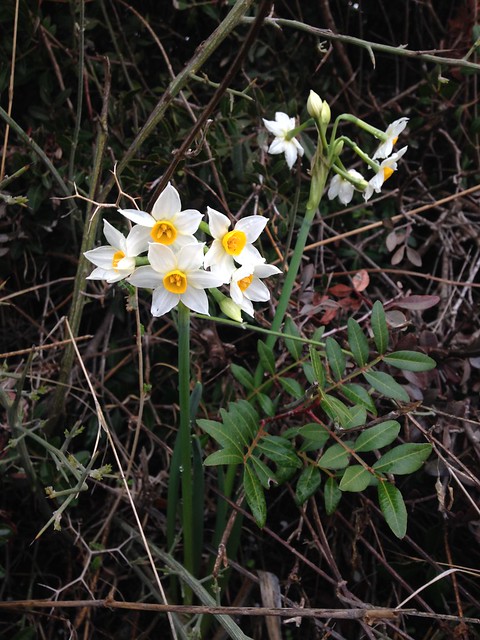
Narcissus and Mastic

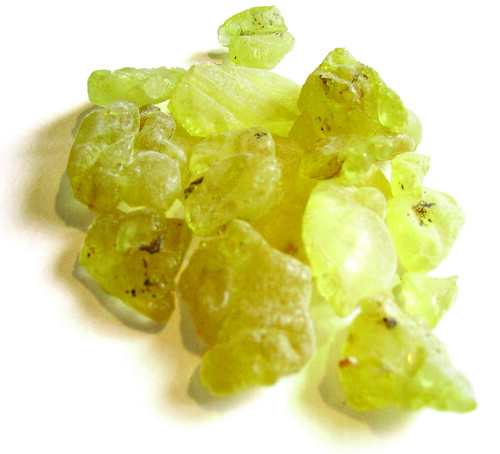
Place a piece of brittle mastic resin in your mouth. Notice how the dusty, powdery coating that happened during the commute overseas in a jar turns pliable as it comes into contact with the moisture in your mouth... Start to chew and feel the resinous, slightly smoky, piney aroma fill your palate and nasal cavity... A nostalgic aroma, like tasting "glida mastic" for the first time in Jaffa some late summer night, or like sipping warm sahleb in midwinter - cooked from a packet that your mom sent especially from Israel all the way to Canada, just because you asked her to... The tinctured resin, although smells heavenly like these old fashioned ice creams and above mentioned sahleb (it is also used to flavour malabi, by the way), is very tricky tow work with as it is not 100% soluble in alcohol and leaves blobs of chewing-cum consistency at the bottom of beakers and vials, and sticks to all the utensil one tries to desperately stir it with. Mastic resinoid are also possible to produce, although I've never encountered ones (in those products, greater amount will be alcohol-soluble).

Mastic essential oil, on the other hand, is easy to dissolve but does not smell all that exciting. It comes from the mastic bush leaves and twigs, which are an inseparable part of my childhood's daily aromatic landscape. Those bushes grew everywhere, and we played among them, crushing some leaves along the way and scratching a branch here or there - which also releases a wonderful green, fresh scent. The essential oil, however, does not smell quite so similar to this experience, and is rather more like the rhododendron leaf oil. There is a resinous and slightly funky aspect to it, and hardly any remnants at all to the utter freshness of the living plant.

Mastic Resin

Mastic (Pistacia lentiscus), AKA Mastic lentiscus is from the same genus as the edible pistachio nut, and the other native that is commonly found here - Pistacia atlantica (P. atlantica is often used as a base for grafting pistachio trees). This is a very common evergreen bush that rarely exceeds the size of a bush, but is capable of becoming a small tree (up to 7m tall) if it escapes bush fires, logging and is not continuously consumed by grazing wildlife and goats.

The word mastic derives from the Latin word "Masticare" (to chew), in Greek: μαστιχάω verb mastichein ("to gnash the teeth", the English word comes from the Latin masticate) or massein ("to chew").

Although mastic bushes are in abundance all around the Mediterranean basin, the gum is only produced in a handful of countries - Algeria, Morocco and the Canary Islands. But Greece is the only place where it is grown commercially especially for production of its fragrant gum-resin - especially in the southern part of the island of Chios (close to Izmir, Turkey). The gum is obtained by making incisions in the bush's trunk, and they drip tears which harden over time and become the translucent-yellowish-white "tears" that one can find in Greek stores to be used as a "spice", and can also be used as incense.

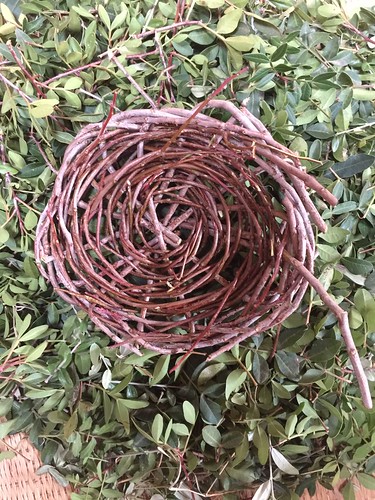
Basket from #mastic
Medicinal and Cosmetic Uses:
Mastic is most commonly chewed as a breath freshener, and that's the main thing it is famous for. Mastic resin was used in the original recipe for Egyptian Kyphi - a perfume that was also chewed as a remedy. Mastic is generally used for stomach complaints, especially diorama in young children. Due to the gum's properties, it is used in many cosmetic preparations such as toothpastes, hair and skin lotions, etc.

Culinary Uses:
Mastic was used first and foremost as a chewing gum and breath freshener - before there was any chewing gum. Try it! It really works - nature's own original sugar-free chewing gum.  In the heat of the Middle East, it was a key ingredient in ice creams, to which is added not only a distinctively fresh-resinous flavour, but also a plasticity that helped it resist instant melting.
Mastic is used in several pudding-like and spoon desserts, including the above mentioned sahleb and malabia.
In Greece, it is used in festive pastries such as the challah-like tsoureki and vasilopita (in which a coin is hidden for New Year's Eve).

Flavouring Beverages: 
Smoke from mastic resin is also used to flavour water in Morocco. Finally, in the Levant mastic resin is used as a spice (to a lesser extent) also to flavour poultry and fish dishes, giving them a very peculiar flavour. There are several liquors prepared with mastic resin, such as Mastiha which is native to Chios, as well as a fizzy beverage called Mast.

Role in Perfumery:
Mastic resin is a great fixative, and makes a great addition to mimosa fragrances. The leaf oil is useful in green florals, Chypres, Fougères, etc. Mastic is not a very common ingredient in perfume, yielding only 39 items on Basenotes directory - two of them produced by yours truly (although they are not the only mastic fragrances by Ayala Moriel Parfums). Sahleb is a smooth, buttery orris fragrance; while Virgo zodiac parfum oil is more of a balsamic-woody floral with accessory notes of spicy-green aspects (cardamom and fennel among them).
Other perfumes I perceive as having a mastic note, are Nature Millénaire pour Homme (Yves Rocher, 2000), Kyoto (Commes de Garçon), both having the mastic resin note. As for the mastic leaf and twigs and branches - an allusion to them can be found in green, crisp Chypres (the likes of Eau de Sisley 2).

Religious Uses:
The Greek use mastic in preparation of Myron, an anointing oil used in the Greek Orthodox churches' chrismation ceremony.

Traditional & Practical Uses: 
Oil of mastic is used much like turpentine is in the West, in paint Freshly picked branches of P. lentiscus are a traditional raw material for Mediterranean-style basket-weaving. The abundance of available material and the ease of use (aside from removing the leaves, there is no need for pre-soaking or any other kind of processing prior to weaving).


Labels: , , ,

Monday, July 02, 2007

Rosy Surprises


Rose Woody Clusters 30-06-2007, originally uploaded by Ayala Moriel.

As I was enjoying a weekendly stroll in Stanley Park this Saturday, I was surprised by series of roses with completely different smells lined up on the pathway that leads from downtown to 2nd Beach, and runs parallel to the Rhododendron Garden and Lost Lagoon’s trail.

The first rose I was so familiar with I didn’t even bother to take a photo. It was single-tiered, and with a luscious, fruity rose scent, very much like the one I’ve mentioned earlier this summer.


Roses Under Fir 30-06-2007, originally uploaded by Ayala Moriel.

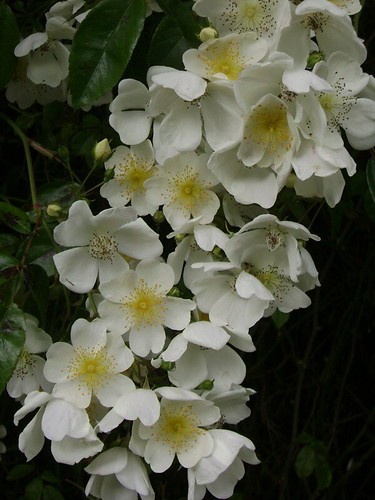
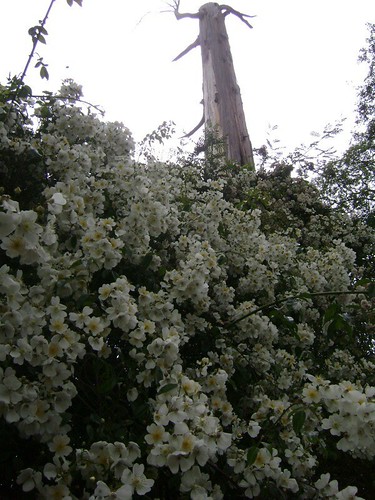
The next bush, however, was like nothing I’ve either seen nor smelled before. It was a tall, thick bush, laden with cluster of single tiered white roses, and so abundant that I almost lost track of time sniffing and photographing different clusters and individual roses. It was so peculiarly different from other roses: although the scent was intense and magnificent, it was also very light. It was what I can describe as both woody and airy. A similar feel comes from Atlas cedarwood and cabreuva oils, only with the added florally of rose. It was so light it almost reminded me of a water lily…


Rose Pink Indolic 30-06-2007, originally uploaded by Ayala Moriel.

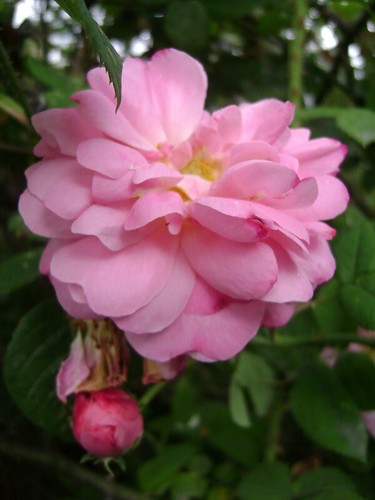
The second bush was less abundant and the roses were larger and pink. What struck me about this one was not so much its look as the scent of the flower: this pink rose was like no other pink rose. It was so shamelessly indolic that I could swear I smelled notes of jasmine and civet in there… Certainly not “innocent as a rose”…

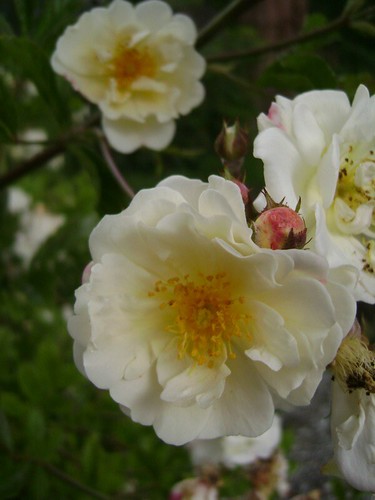
The next bush of white roses had tiered flowers whose scent was closer to what I would expect a white rose to smell like: the purity of a rose, perhaps with a certain peach-like qualities about it.

Rose Tiny 30-06-2007, originally uploaded by Ayala Moriel.

Last and of least significance was another white rose bush, single tiered again, with not particular odour that I could comment on, but it was every so tiny that it was about as wide as my thumbnail!

Labels: , ,

Thursday, September 28, 2017

Farewell Anniversary

Coal Harbour in the Autumn

Exactly a year ago that our ship had sailed so to speak, and we bid farewell to Vancouver, with the release of Coal Harbour perfume... In some sense it feels like yesterday, and in others I feel like I'm a completely different person than I was then. So much has happened, I've accomplished so much in just twelve months, that sometimes it feels like twelve years. But whenever I smell one of the many perfumes I've created over these crazy 18 years of my life there, it feels as if not only did I just leave yesterday - but as if I could be there right now. A whiff of perfume is all I need... The other perfumes in the Perfume4aPlace collection, all deliberately dedicated to my favouirte places in Vancouver, include:

Komorebi, which smells like the rainforest in fall - a unique smell that always brings me back to my favourite spots in Stanley Park. Scent of Redcedar and Douglas Fir with decaying moss and sunshine. 

Sunset Beach, which is inspired by my favourite beach in Vancouver, practically my 2nd home throughout the summer. But as a scent it is very much a cold weather scent, warming your skin with precious, creamy sandalwood and a hint of exotic flowers. 

Lost Lagoon, which is very much a "spring" perfume. The lake where formerly were wetlands and forest, has an adjacent rhododendron garden that is so lovely and magical especially in the springtime when they are in bloom as well as the magnolia trees. This perfume is sweet from the flowers but also has some balancing notes of oakmoss, lemon and bergamot. It could be a retro Chypre but also has a very fresh, modern feel to it. 

Coal Harbour, where I would go every morning on a faux commute to work - meditate and clear my head before I settle into my lab or writing work. It smelled especially lovely in the summertime, with the fresh cut grass mingling with jet fuel, and the honeyed scent of linden blossoms hanging from the trees. This is not a perfume for everybody, a marriage of a few very unrelated fragrance families - green, leathery, oceanic. But it works better than it sounds! 

To commemorate this moment of finishing a full year circle, I've created today a special page for the Perfume4aPlace Collection. Hope you'll enjoy them at least as much as I do! 


Labels: , , , , , ,