Saturday, February 22, 2020

Green

Green
Every month, I join a group of ten other women, for a Friday of unusual fun. We are led by our two sages, who choose a surprise spot for us outdoors, where we will spend a the day soaking up beauty. Being outside in a natural environment and discovering beauty in unexpected places (not always so wide and wild, as those areas are fast vanishing from the horizon). We start the day alone for about an hour of solitude, meditating, contemplating, or just staring at our surroundings in quiet time along. Some of the day is dedicated to photography exercises, using simply our smartphones and learning how to take better ones, with very little focus on technique and more focus on a specific topic that is seasonal and we tackle it from the twelve different angles that each of us provide. We mostly lavish in the luxury of having time for ourselves away from family, home and work responsibilities. And just with ourselves and sharing time, space and love for nature with one another. We share a meal and sometimes also our thoughts and feelings. It's very simple yet so hard to come by these days.

Yesterday, I drove through a wide gravel road leading to some of the country's last wheat fields of Yizrael Valley, behind Bethlehem of Galilee (possibly and logically, where Jesus was truly born, but not traditionally considered his birthplace). And from the midst of the fields, we were lead through two gates to a naked oak grove amidst the green.

The theme for this month is "Green". The colour of life, renewal and the heart chakra (along with pink). Yet in contrast to all of that, I have to admit I was not particularly excited to tackle this topic aesthetically. It seemed too easy. Too lovable. I felt strangely uninspired.

Moss Green
On the artist's palette, as well as in nature, there are more shades of green than any other colour. Forget about fifty shades of grey. We're talking about 295 shades of green! Can you name any of them? There are precious gems like emerald, jade and peridot; There's sea green and forest green, and then there are myriads of plants and foods with distinguished greens, such as sage green and olive green, pistachio, avocado, lime and many more; The beloved mushroom green (which is the shade I use for my logo), fern and moss green (both dark and light), and of course grass green. The names alone make me feel rejuvenated and recharged.
Sea Green
And rejuvenated I did return from this week's outing, because despite my reservations I did go. I didn't find any earth-shuddering shots or any other ground-breaking revelation. And that is totally okay. I marvelled at the fields of green wheat, and the green pastors among the naked oak trees. Cyclamens galore with their heart-shaped leaves of green snake-like patterns, and plenty of mandrakes just going into fruit, Jerusalem sage, mullein, watercress and stinging nettles  are just a few of the more distinguished plants among a sea of green grass, mostly. I placed a little wicker mat among the white anemones and cyclamens and realized what a ridiculously simple luxury it is to just sit or lie down on the grass facing the sky and the trees like this. And how precious it is to just be in my body in this place. I took in the green, stretched my limbs and spine in the pleasantly caressing rays of the winter sun, and when I looked around I also so moss on the rocks, so bright and vivid. I wondered why I do this lying down and doing nothing only at the beach and promised myself to do it anywhere else I can lay my body on and feel like doing so.
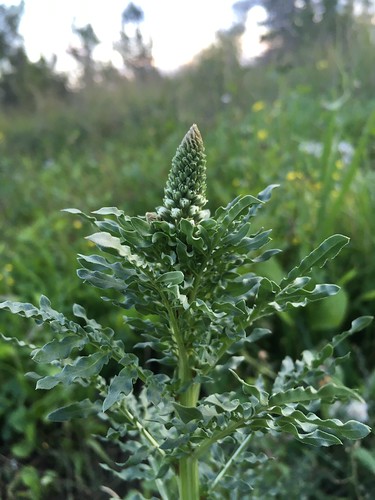
Reseda Green
Reseda odorata, AKA Mignonette (pictured above) is just one of a few typically "Green" notes on the perfumer's palette. But it is not the only one. And it is also rarely available now as an absolute, so I would love to try my hand at extracting it using the enfleurage method. The leaves themselves smell pungent and more than a tad repulsive - almost like rotten tomato leaves or goosefoot leaves (a stinky relative of quinoa). But the delicate cluster of tiny white flowers smell surprisingly amazing! Reminiscent of tuberose dipped in a field of green, it is heady and heavenly with hints of orange blossoms. This note can be found in the stunning Private Collection by Estee Lauder, and is what gives it its unique personality above all other components. When I smell reseda, I find it really hard not to think of this perfume.

Green Grass
For the perfumer, "Green" is not just a colour, but a whole category of aromas that bring to mind imagery of leaves other than aromatic herbs (rosemary, sage and eucalyptus don't count as "green" even if their colour is). The smell of fresh cut grass, one of the most beloved among the thousands of people I interviewed throughout the years, is a universally loved scent. The molecules (Z)-3-hexenol and (Z)-3-hexenyl acetate are what give the distinct fragrance of fresh cut grass. They develop once the grass blades are crushed. These are not extractable into essential oils, perhaps because their concentration is very low. However, they have a high odour intensity which gives off a scent that is associated with relaxation, summer lawns and poolside giggling. They are now synthetically produced to create a very realistic impression of something fleeting that can't be captured otherwise. When trying to bottle an impression of the grassy lawn of Harbour Green park in Coal Harbour perfume, I've used a combination of galbanum oil, tart pine absolute and linden blossom.
Green Mask
Another synthetic molecule that is very frequently used to create a green character or nuance in a perfume is spirogalbanone. This is a manmade molecule is intensely green and powerful, sharp and persistent, and not at all found in nature, but that takes its inspiration if you will from the natural essential oil of galbanum. The resin from this Persian native of the Apiaceae family gives off a most characteristic bright and GREEN personality that is like intensely heady and sharp parsley with hints of balsam, grass blades and freshly squeezed lemon rind, dripping with green juiciness. Galbanum can be found in many classic perfume compositions, the key one being Vent Vert, the Godmother of all green perfumes. Then there are Miss Dior, Ma Griffe, Chamade, Crystalle, Ivoire, No. 19 and more. Galbanum is THE natural perfumer's key green resource, and you'll find it in Ayalitta, Rainforest, Lost Lagoon and Grin.
Edamame
There are other green notes in natural perfumery: violet leaf absolute (which appears in quite a few of the perfumes discussed today), hay absolute and even oakmoss has an inherent green quality to it. And there are a few categories as well - Floral Green or Chypre Green. Perhaps there is a green nuance in a perfume you love that belongs to a completely different category - for example, the legendary Vol de Nuit, which also contains galbanum, oakmoss and sage but is walking the tightrope between Oriental and a Chypre and manages to smell both mysterious and natural.

For now I will just let you meditate on green wherever you are - be it a green garment, a mundane object such as a garbage bin, or the lovely and nutritious food you eat. Notice the colour and the exact shade of green. Do you see other colours in it and other associations? Does the green you meet have a scent? Do you like it? What does being meeting the green make you feel?

Labels: , , , , , , , , , , , , , ,

Friday, August 17, 2018

Forest Medicine


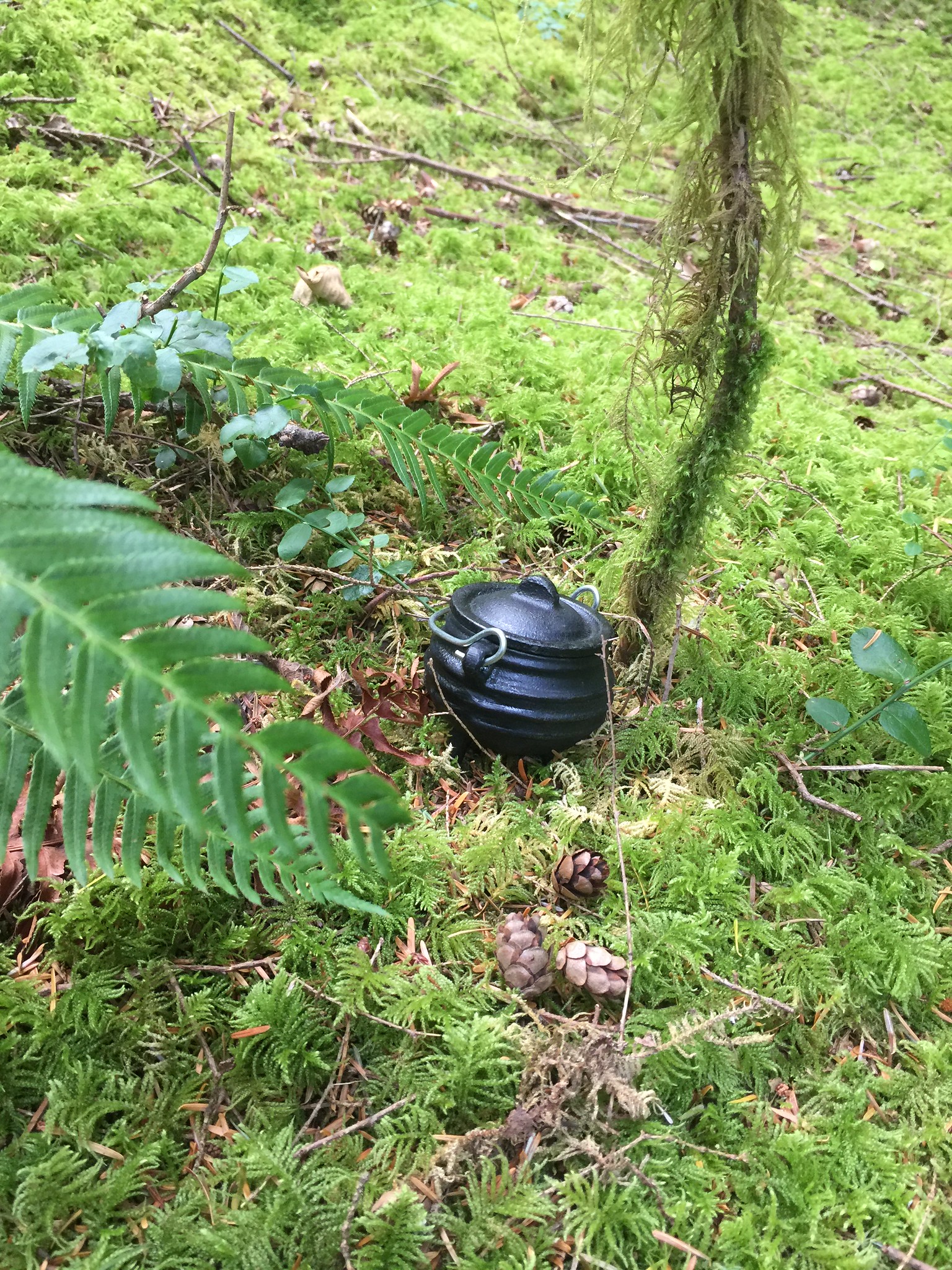
Mini Witch Cauldron
Anywhere in nature, including deep in the woods, the trees teach us self-healing and the plant-teachers provide medicines for body and soul. I brought my little witch cauldron to burn incense (redcedar chips and Palo Santo) without risk of burning the forest with me.

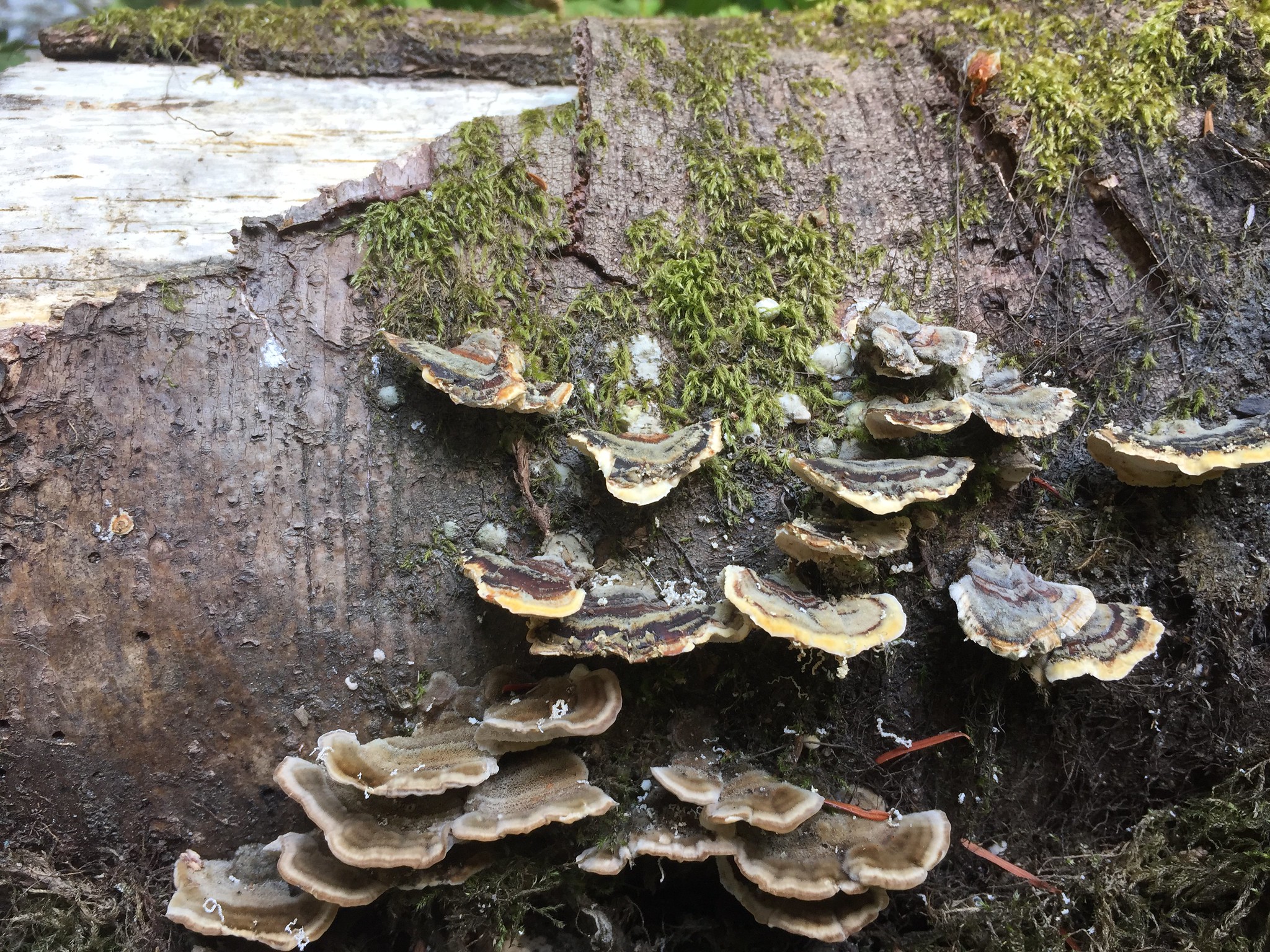
Forest Medicine
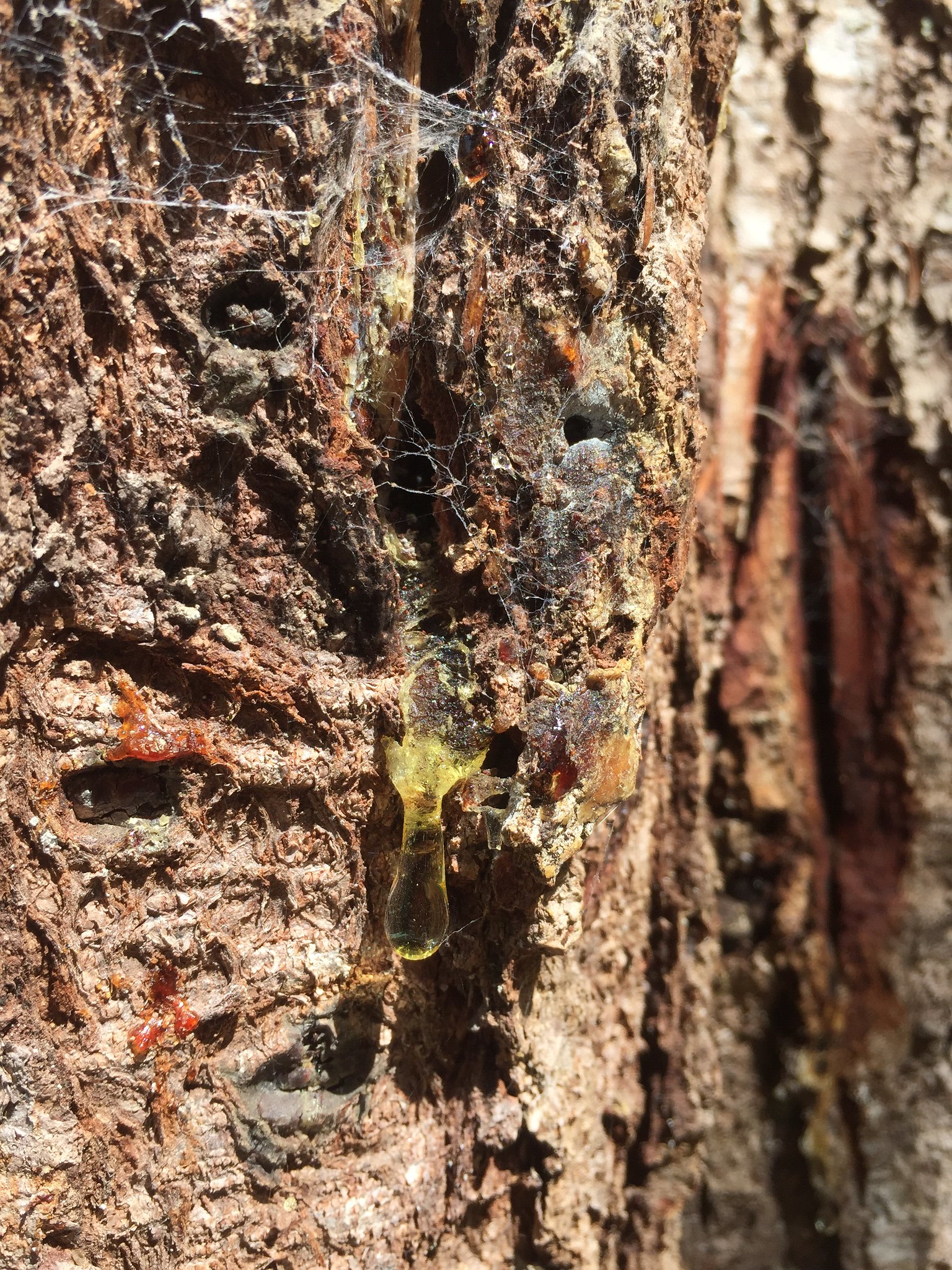
There were so many witch-inspiring finds in the forest, from intimidating-looking fungi (of which I'm yet to know any medicinal properties, but I know some of them do have that gift). To saps dripping from trees' wounds. Reishi mushrooms (Ganoderma lucidum) is a famous one (it is NOT the one in the photograph!), which is used for protecting the liver, for anti-inflammatory conditions, boost the immune system, ureduces anxiety and depression, aids sleep and more. In Chinese it is called lingzhi mushroom, which literally means "mushroom of immortality" and is used by many TCMs. In any case, you should not be foraging it in the woods without getting proper training in mycology, and also use it responsibly with the guidance of an herbalist or trained TCM. 

Forest Medicine
Spruce pitch and sap, for example, can be infused into oil and made into a salve that can be rubbed on the chest and relieve coughs and respiratory infections, and massages onto aching muscles. 
Plant Medicine
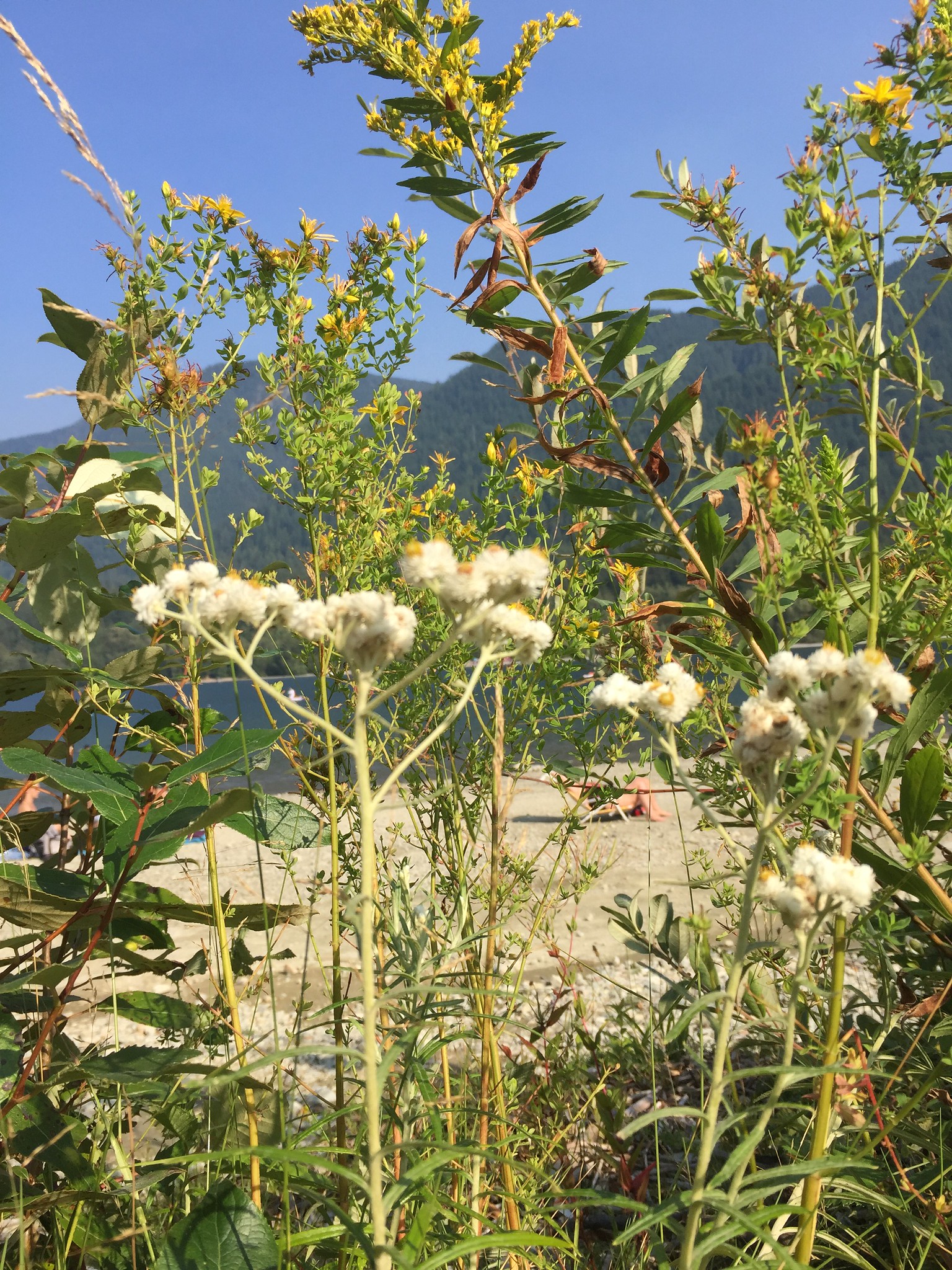
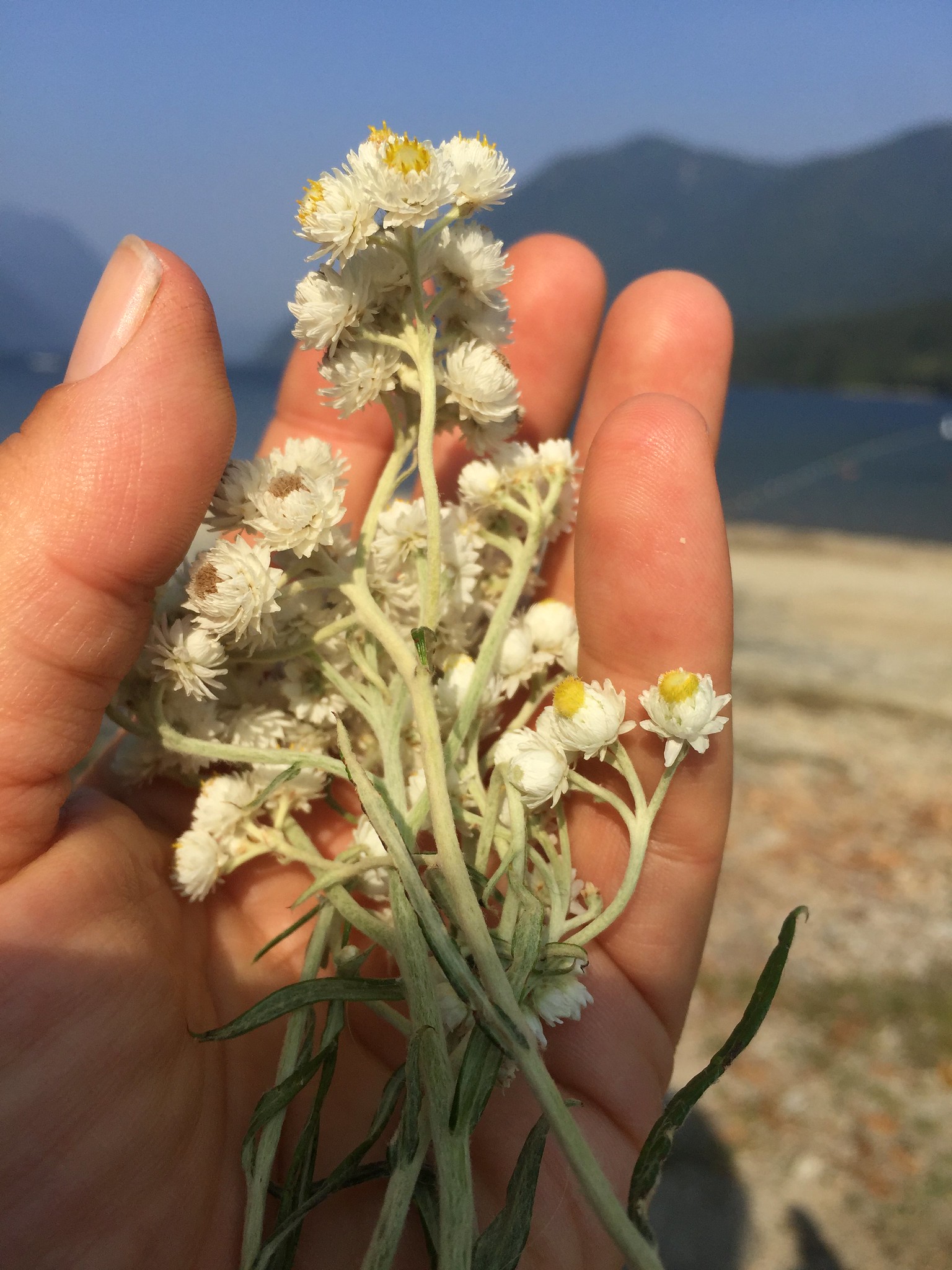
This collection of plants grow side-by-side on Alouette Lake. Can you recognize them all?

Plant Medicine (Pearly Everlasting)
First, as seen clearly on the foreground, there is Pearly Everlasting (Anaphalis margaritacea). Although it is similar in appearance, and also from the Asteraceae family, it is not as closely related to immortelle (Helicrysum). It is not so much in use in Western herbalism or medicine, but was used by First Nations to treat mostly respiratory ailments, including asthma. This is because it has both antihistamine and expectorant qualities. It is also an anti-inflammatory, astringent, diaphoretic and a mild sedative. It is used for treating headaches, colds, fevers, sore throats, allergies and asthma. To read more about how to use it, visit Wildness Within and Natural Medicinal Herbs.  It can also be used as incense - preferably on a hot stone or Japanese Koh-Doh technique on a micah plate.

Next to it also grows St. John's Wort (Hypericum perforatum), the world one and only incredible medicinal plant that can actually treat depression. It is why it is so heavily regulated in the USA, because it's properties would threaten the existence of fluoxetine (or in its famously known brand name, Prozac) and other very profitable antidepressants. Additionally, St. John's Wort oil extract (an oil infusion that has a deep red colour) is used for treating skin diseases such as eczema and also joint pains. This is a powerful plant, and must only be used with the guidance and supervision of a licensed Herbal Medicine practitioner. Some of the side effects known for St. John's Wort are photo-toxicity (burns upon exposure to sun), and counter-acting certain drugs.

Last but not least, the shiny green leaves (more at the bottom of the pic) are those of Black Cottonwood, AKA Western Balsam Poplar (Populus trichocarpa), which contains salicin (the aspirin compound that also present in willowbark). The buds' extract (either in oil or alcohol) is also used medicinally, mostly as an anti-infalmmaroty, especially for joint and muscle pain. A salve can also be prepared from the oil infusion. Also it smells great - sweet-balsamic and ambery, which makes it a good medicine for the soul. I used it in Komorebi perfume to create the beautiful amber-like scent of the rain forest in autumn. 

Labels: , , , , , , , , , , ,

Thursday, May 26, 2016

Thunder and Berries

Lighthouse Park

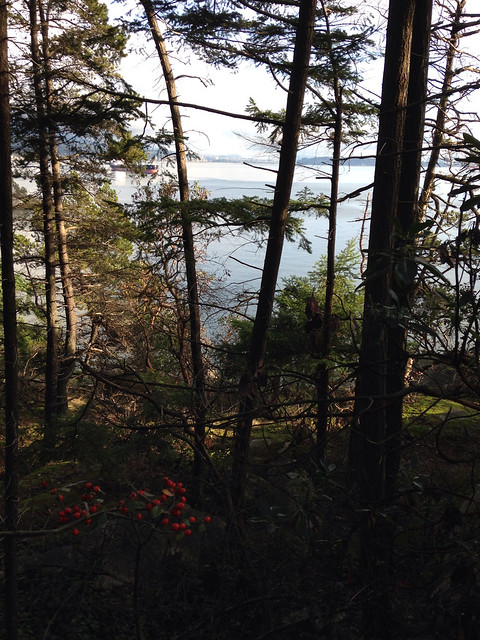
Our evening walk in the woods turned into a little thunderstorm adventure. After many dry days and static humid air, the thunder started roaring and gotten nearer and nearer. The rain began to drop gently, tapping on a leaf here and there, and then tap-tap-tap it went on, chasing us from the forest back home and even though we ran part of the way, we got soaked to the socks.

Thunderstorms are a rare occurrence on the West Coast, and it always reminds me of home, because even though the smells are different -  there is always the excitement of the noise and the bolts of lightning. And there is still something familiar, even though the petrichor here was wrapped in luscious smells of salmon berries and blackberry leaves as we were meandering through the forest; and the wet earth mingled with the smell of white roses and the last indolic rhododendrons in the garden... And then the smell of wet pavement and concrete, wet hair and breathless warm skin of a child as we ran all the way home from the park. Strange as this may sounds, to me this smells like a prelude to a summer.

Labels: , , , ,

Friday, November 13, 2015

Cedrechor

Komorebi

Naming perfumes is no easy feat. And in the case of KOMOREBI I invited you to the brainstorm with me not only for finding an evocative name for my creation, but also attempt to coin a word that will describe the olfactory phenomenon that inspired the perfume.

I've contacted talented fragrance writer and fellow perfume lover Elena Vosnaki of Perfume Shrine to collaborate with me on coining a new word for describing the phenomenon that Komorebi was inspired by. Elena's knowledge of the Greek language was paramount to this process, and I've learned much from the process - similarities to other languages, myths and lore that encompass the entire globe, well beyond the Greek archipelago.

If petrichor is the scent of earth after rain, then this perfume accurately captured the wonderful cedrechor scent - "blood of the cedar" - the smell of the forest after the sun. Cedrechor can be experienced in late summer and early autumn in the Pacific Northwest rainforests: It emanates from the sun-dappled fragrant forest floor on those warm days when the sun brings out the sweet smells of redcedar, moss & Douglas fir…

The idea behind this ambitious act of smell-naming was to give fellow perfume lovers and writers another word for the scent that is as recognizable as petrichor - and I can only hope it will gain traction and be used well beyond the ad copy for my perfume. There are so few words unique to the realm of scent.

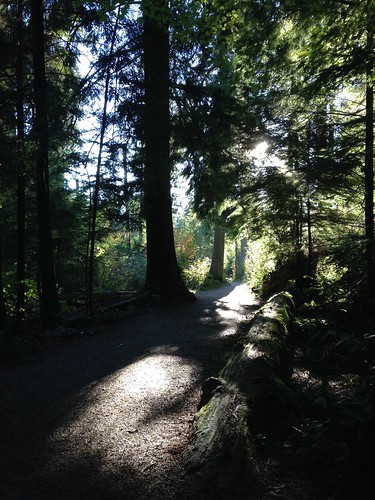
Komorebi is the first in a series of four perfumes dedicated to special places in the Pacific Northwest. Place of inspiration: Cathedral trail in Xwayxway (Stanley Park), which is pictured above.

Notes: Redcedar, Fir, Oakmoss, Black Cottonwood

Fragrance Families: Woody, Ambery, Chypre

Labels: , , , , , , , ,

Wednesday, April 22, 2015

Springtime in the Forest

On this beautiful Earth Day, I'd like to share with you the wonders of my part of the planet. Subtle scents permeates the air in the Pacific Northwest at this time of the year: Soft tassels of new growth fir and spruce trees - their scent reminiscent of citrus and fresh-cut grass. Fiddleheads emerge from the damp forest floor. They spiral towards the light and their shoots are tender and delicious. Miniature galaxies of elderflowers, with their blackcurrant-like aroma dot the forest like little fragrant stars. And last but not least: the balsamic sweetness of the budding black cottonwood trees, which envelop the forest trails with a promise of sweet, warm sunny days. 

All of these are nature's reminder to steer away from the floral cliches and celebrate spring with other plant-parts. If you are like me, spring is the time of year to rediscover the classic Fougeres in your wardrobe, and discover new plants that are coming to life, as well as discover new wild plants to forage and bring nature home, literally, after our long hibernation.

1. Fiddleheads

Fiddleheads are the budding, coiled “leaves” of ostrich ferns  (Matteuccia struthiopteris). The fiddleheads are present in early spring, and are considered a delicacy. They have a very similar to asparagus in both flavour and texture - but a lot more tart. 

Perhaps it's the fiddleheads - spring to me is the best season to enjoy fragrances from the Fougère (fern in French) family. Namely, l'Herbe Rouge. You might also want to try my idea for an Edible Fougère Recipe: Fiddleheads in Lavender Butter

2. Fir Buds & Violet Leaves

A wonderful way to enjoy the scents of the forest all day long is place a few of these conifer buds in your water bottle. Douglas Fir is the most delicious of all - and the needles can be used that way year-around. You'll stay hydrated and also benefit from the vitamin C that is naturally occurring in these leaves (the only local source of those until the summer berries ripen). They smell like a Christmas tree and have delicious, slightly tart lemon-tangerine aroma.   


Rainforest perfume captures the scent of the temperate Pacific Northwest forests - the largest of the temperate forests in the world, and with the most productive biomass. It combines the fragile, crisp cucumber notes of violet leaf with damp forest floor with sprucejuniper and pine
Rainforest also makes use of my very own wild-harvested elderflowers essence - which is our next topic! 

3. Elderflowers

If you've ever visit my studio in April and May, you'll be served the fragrant and refreshing elderflower"champagne" - effervescent soda infused with wild-foraged elderflowers that I make at home. You can create your own by following my recipe on SmellyBlog. Also, you may enjoy a subtle nuance of elderflowers in Sandal Ale - where it adds a fruity aroma to balance the sweet apricot and funky hops notes.

4. Cottonwood & Balsam Poplar Buds

I'm yet to try this Cottonwood Bud Oil Recipe, an infusion that has healing properties for muscle aches and damaged skin; but I've been inspired to capture this scent in a perfume by tincturing it. 
Etrog Oy de Cologne, however, uses a different part of a tree from the same family: balsam poplar buds absolute. It gives it a unique, honeyed aroma that echoes the sweetness of the rare citron fruit. And speaking of citrus - have you heard about the Citrus & Cologne Week-long Course (May 4-8)? It's perfect for beginner students of perfumery, and there are 2 spots available. 

For more ideas on how to celebrate the beauty and diversity of this planet with local, handcrafted perfumes made with wild-harvested botanicals, visit ayalamoriel.com

Labels: , , , , , , , , , , , ,

Monday, January 26, 2015

Marriage of Life and Death

Earlier this winter, as I went deeper into the forest trails, my eyes met with a devastating sight. After several days of rain and wind storms, two beautiful, tall and rather ancient Douglas fir trees (well over 200 years in my estimate, although this is probably young in fir years) were uprooted and simply flipped over. It's a sad sight, and one that literally pierced my heart and brought tears to my eyes. The air around the trees was filled with their tragedy, and I heard their screams and shrieks of pain from being uprooted and losing their life-giving connection to the earth.

Here is the strange thing about an ancient fallen tree: it dies a slow painful death. Perhaps even move the course of several weeks when in such moist conditions that as the rainforest. Maybe it's not that slow in tree years, but it sure seemed prolonged to me, as I was walking by the same trail several weeks in a row, and still saw signs of life in these two fierce yet fallen giants.

First the roots alone feel the change: they are accustomed to life of darkness and the cold yet nutritious moisture of the earth. All of a sudden they are exposed to the foreign presence of air and light. The tree's equivalent of nervous system must have felt the pain of the roots as they leave the ground and disconnect from the smaller rootlets, and the shock along the tree's spine as it hit the ground. Over the next few days, if not weeks, the tree's storage of moisture will get used up, perhaps slower than before. The roots will attempt to cling to any moisture they reach from the damp rainforest air, but circumstances are largely not in their favour.

I get closer to the tree. Touch its rain-soaked bark. Feel the tremendous pain its in. The tree that once had stood so proud and high above all creatures is now lying horizontally. I can feel its pulse, weak, trembling but still there. I pat the damp moss on the base of its bark and on the formerly superficial portion of its root system. What about all the lesser life forms on the tree? Did they notice the change? Are they worried about their future? Perhaps not. The tree's body will nourish these fungi, fern, lichens and moss strands for countless years to come. And water is present in abundance for these plants from prehistoric kingdoms.

And this is how life meets death. Or perhaps the other way around - death is the one that greets life and reaches out to it. In the rainforest the coexistence of these two opposites is the most obvious, natural. And if it weren't for the drama and tragedy of the storm, those two states of being just weave in and out of each other seamlessly. The trees took about four weeks to use up their water, shut down their entire systems of livelihood, and say their farewells to the world as they lay horizontally and stare at the barren skies through the space their missing canopy left behind. After checking their plus this weekend, I am pretty sure that they are now among the dead. Not only are the needles no longer green, many have already began falling to the ground. And there is something you cannot see, but only feel, that tells me they are now just inanimate objects, vegetal corpses providing nutrients to the new generation of trees, bushes, housing birds and squirrels, bugs and microorganisms that will take many years to penetrate the strong essential oils in the heartwood to completely break it down. It will become, eventually, part of the soil and part of the root system of those new plants and create an intricate piece of the rainforest ever changing landscape. 


We humans are strange creatures. Life should be life; and death should be plain and simple, cut and dry. But how many of us live in a state of a dream (or a nightmare) and constantly attempt to escape the present moment? How much of our lives we wish we were somewhere else than where we are, and be someone else - or be with somebody else than the people and creatures that are present in our lives? I am beginning to think that constant discontent with the present moment is the root of all illnesses. That and the lack of gratitude to what IS in our lives, what is present, what we "have" so to speak (at the end of the day, I don't believe ownership truly amounts to much). That obsession of what would happen next - after we finish work, or after we finish resting; after we finish living, or once we stop dying. This mindset is so futile, counter-productive and ultimately shows very little gratitude. We should be thankful every moment that we are alive, and literally, live up to what that entails. 

Labels: , , , , ,

Wednesday, November 12, 2014

The Best Scents for Men this Winter - via Men's Journal and Business Insider:

Read Michael Malone's expert advice article on Men's Journal, featuring Orcas and Rainforest by your truly!
The article was also published in Business Insider.

Labels: , , , , ,

Tuesday, August 06, 2013

To The Ends of the Earth: Ten Fragrances That Will Transport

It is no secret that we are huge advocates for travel. There is nothing more enriching, exciting, or educating than bursting outside of your own familiar, cultural bubble and traveling somewhere far outside your country and possibly comfort zone. Summer is one of the best times to travel because most people get a little more time off and it usually means that the weather is going to be nice wherever you go. Even if you’re operating on a busy schedule and/or tight budgets don’t allow for summer travel this year - there is no excuse for not experiencing the cultures of countries far, far away this summer: Books, restaurants, recipes, movies, and of course, perfume will transport you to the desired destination fast and effortlessly!

Espionage – Destination: London, England

A subtly sexy scent that blends seamlessly with the scent of one’s natural skin, Espionage is a captivating and elusive blend of precious woods, classic florals and edgy leathery notes. With tonka bean, vanilla absolute, cedar wood, and nuances of cigar smoke and leather, you will find yourself transported o a mysterious London bar in the dead of night. 

Recipe idea: Lavender Ice Cream

  Film Noir – Destination: Hollywood, California

 
The golden age of Hollywood, the captivating thirties and forties, was a time of drama, intrigue, unadulterated luxury and true mystery – something that seems to be all but lost in today’s over-exposed culture. Film Noir’s decadent cacao, myrrh, and patchouli fragrance will help you channel Greta Garbo and Marlene Dietrich and the effortless power and unapologetic femininity that these femme-fatales conveyed.

Etrog - Destination: Israel 

Etrog is the Hebrew name for citrus medica, a truly rare citrus fruit that is prized for it’s delicate floral aroma and flavor. Etrog is one of the four species in Sukkot and symbolizes the heart while representing a whole and complete person, one who has wisdom and knowledge but also compassion and who commits good deeds. This fragrance is composed of ingredients that are reminiscent of Israel such as olive tree resin, opoponax (sweet myrrh), frankincense, petitgrain cedrat (leaves and twigs from the citron tree), and crisp green myrtle. A truly captivating fragrance with rare Mediterranean  ingredients.

Pales Atena – Destination: Greece 

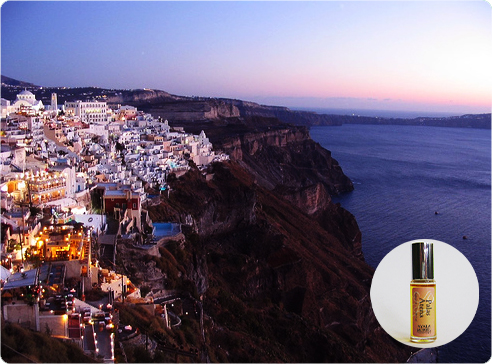
Named after the Greek goddess of Wisdom,  Pales Atena combines spices like cinnamon with a base of patchouli, amber and sandalwood, which sets the warm tone for the fragrance. These warm base notes form a powerful foundation for lavender, sweet orange, vibrant jasmine grandiflorum, and the exotic and rounded flowers of champaca (a tropical golden-coloured magnolia).

 Sabotage – Destination: Acores, Portugal 

The beauty of the Portuguese islands is incomparable in its tranquility. There is something about the vast azure sea, rolling green hills, and sharp cliffs that have captured my heart since visiting my family there in 2009. The streets lined with hydrangeas and the fragrant aroma of “maracuja” (passionfruit) and sun-baked grass and earth are what I remember most about my summer spent in Sao Miguel and Terceira.  Sabotage’s citrusy notes of orange flower, lemon zest and lemon leaf combine with earthy Haitian vetiver, pimento berry (a spice often used in Portuguese cooking) and pungent green give a little spicy twist to this scent, reminiscent of Portugal’s invigorating coast and islands.

Recipe idea: Queijadas (Portuguese Custard Tarts)


Rainforest – Destination: British Columbia


British Columbia is renowned for its breath-taking natural scenery. It’s majestic mountains, calm seas, and abundant forests define B.C as a province and make it a beloved home to its locals and a thrilling and truly stunning destination for travellers. Rainforest is a coniferous, woody, chypre fragrance that encapsulates the fragrance and feeling of walking through the rain-kissed forest, inhaling the damp moss, pine needles and soft wild flowers. Cedar-wood, oakmoss, juniper berry, violet leaf and spruce are some of the notes that compose this refreshing, very west-coast fragrance.

Recipe idea: Fresh Rhubarb Compote

Cabaret – Destination : Caribbean
With creamy vanilla absolute, tropical magnolia, dark coconut, orris root and Turkish rose, Cabaret evokes images of nights spent on Caribbean beaches with the azure waves frothing against the sandy shore. It’s a sexy, sweet, and subtle gourmand, perfect for your sensory tropical vacation.

Recipe idea: Raw Coconut Macaroons

New Orleans – Destination: New Orleans, Louisiana

For those who have always dreamt of going to a Mardi Gras but have never gotten the chance to go, New Orleans is a fragrance that celebrates the Louisiana coast with oceanic seaweed and ambergris supported by uplifting notes of Meyer lemon, Murcott mandarin, osmanthus, rosemary, vetiver Haiti, tea rose and white magnolia. It’s a fresh soft scent that captures the lively and irrepressible spirit of New Orleans.


 Finjan – Destination: Turkey

 Finjan is a darkly sweet, oriental gourmand fragrance that celebrates the fragrant flavor and aroma of Turkish coffee with coffee absolute, clove, cardamom, blood orange, rose maroc, and balsam tolu. It’s a spicy unisex fragrance that will take your heart and senses to the fragrant Middle East.

Bon Zai – Destination: Japan

Japan is an island of delicate yet striking natural and historical beauty. Bon Zai, inspired by the art of miniature bonsai trees, captures the tranquility of a Japanese garden with it’s its simple and minimalistic composition of agarwood, juniper berry, lemon verbena, Virginia cedarwood and sandalwood. The fragrance is characterized by shiso (perilla), a an herb often used as a garnish in Japanese cooking and has a striking aroma that transcends seasons.

Whether you are able to physically leave your home city, province, state or country this summer or not, we hope that you enjoy your sensory travels this summer! 

Labels: , , , , , , , , , , , , , , , ,