Friday, August 17, 2018

Forest Medicine


Mini Witch Cauldron
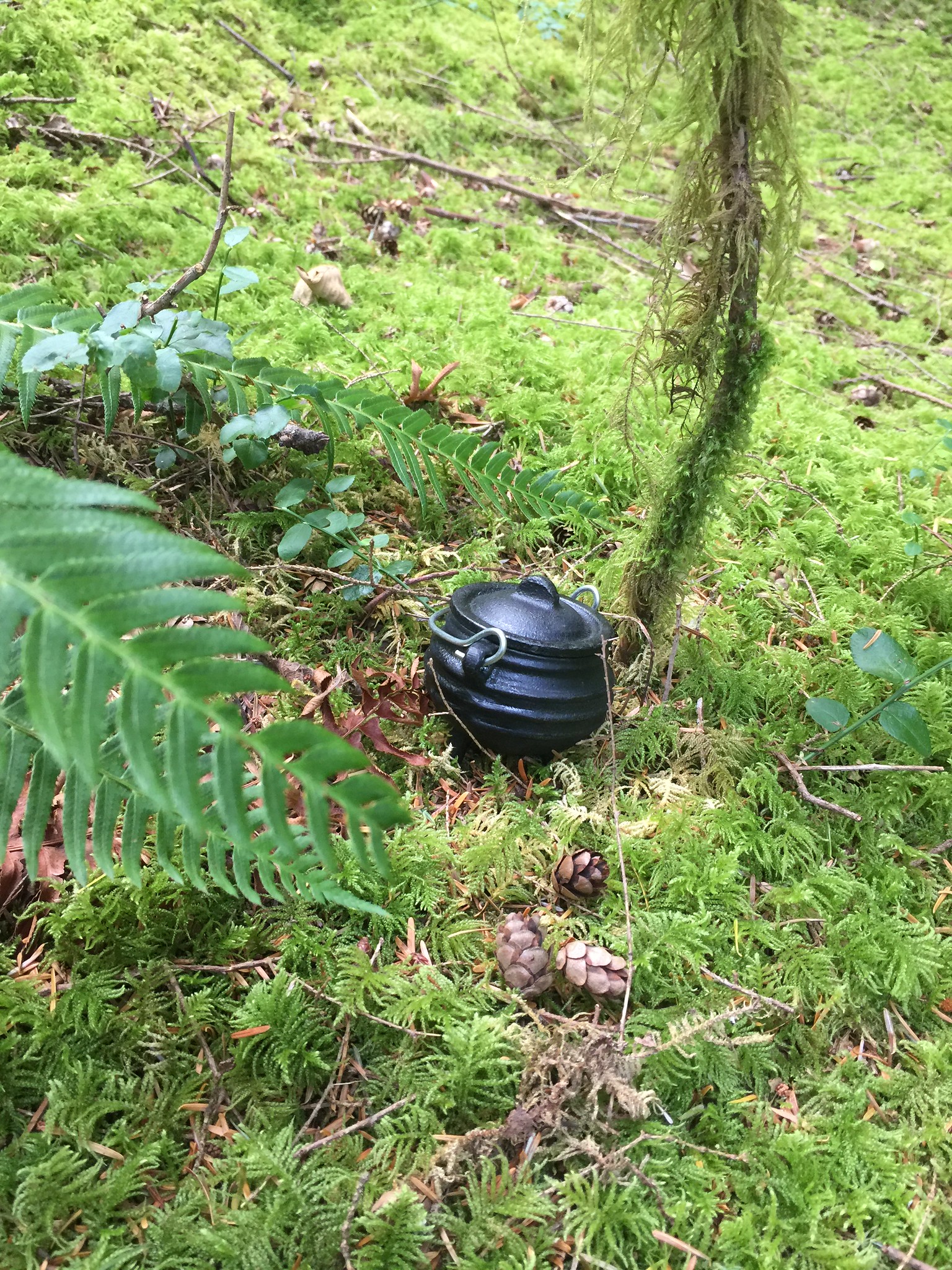
Anywhere in nature, including deep in the woods, the trees teach us self-healing and the plant-teachers provide medicines for body and soul. I brought my little witch cauldron to burn incense (redcedar chips and Palo Santo) without risk of burning the forest with me.
Forest Medicine
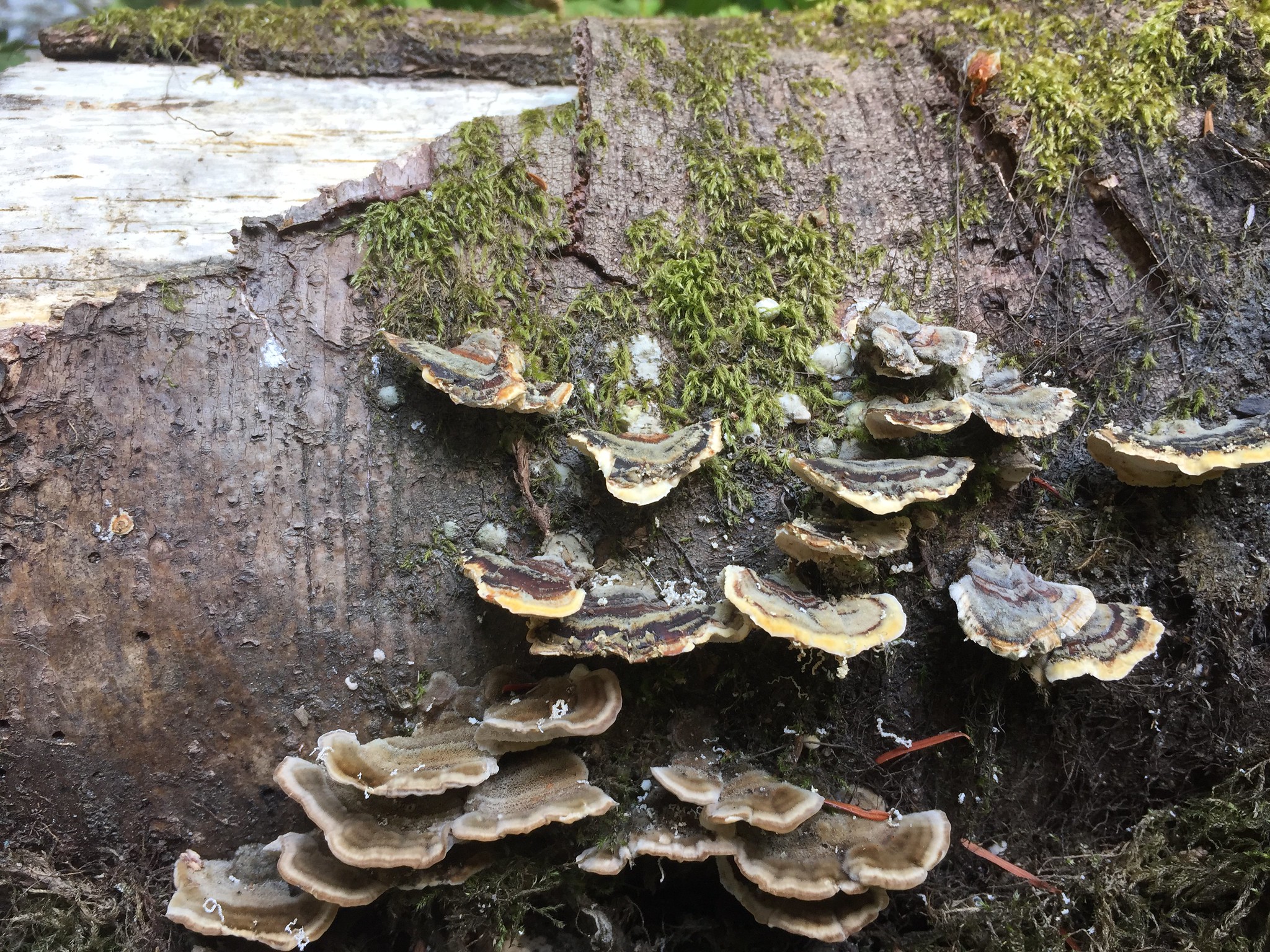
There were so many witch-inspiring finds in the forest, from intimidating-looking fungi (of which I'm yet to know any medicinal properties, but I know some of them do have that gift). To saps dripping from trees' wounds. Reishi mushrooms (Ganoderma lucidum) is a famous one (it is NOT the one in the photograph!), which is used for protecting the liver, for anti-inflammatory conditions, boost the immune system, ureduces anxiety and depression, aids sleep and more. In Chinese it is called lingzhi mushroom, which literally means "mushroom of immortality" and is used by many TCMs. In any case, you should not be foraging it in the woods without getting proper training in mycology, and also use it responsibly with the guidance of an herbalist or trained TCM. 
Forest Medicine
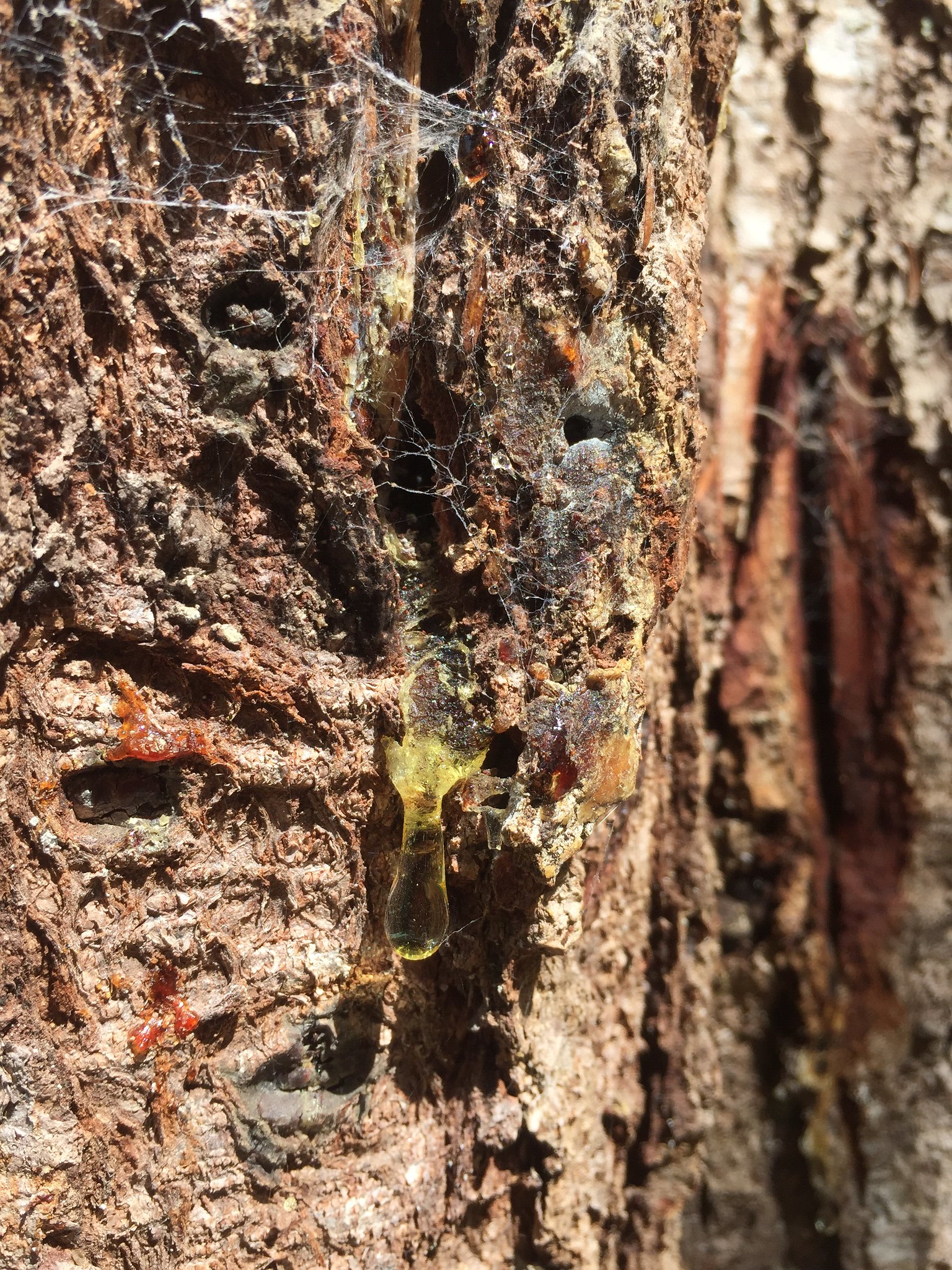
Spruce pitch and sap, for example, can be infused into oil and made into a salve that can be rubbed on the chest and relieve coughs and respiratory infections, and massages onto aching muscles. 
Plant Medicine
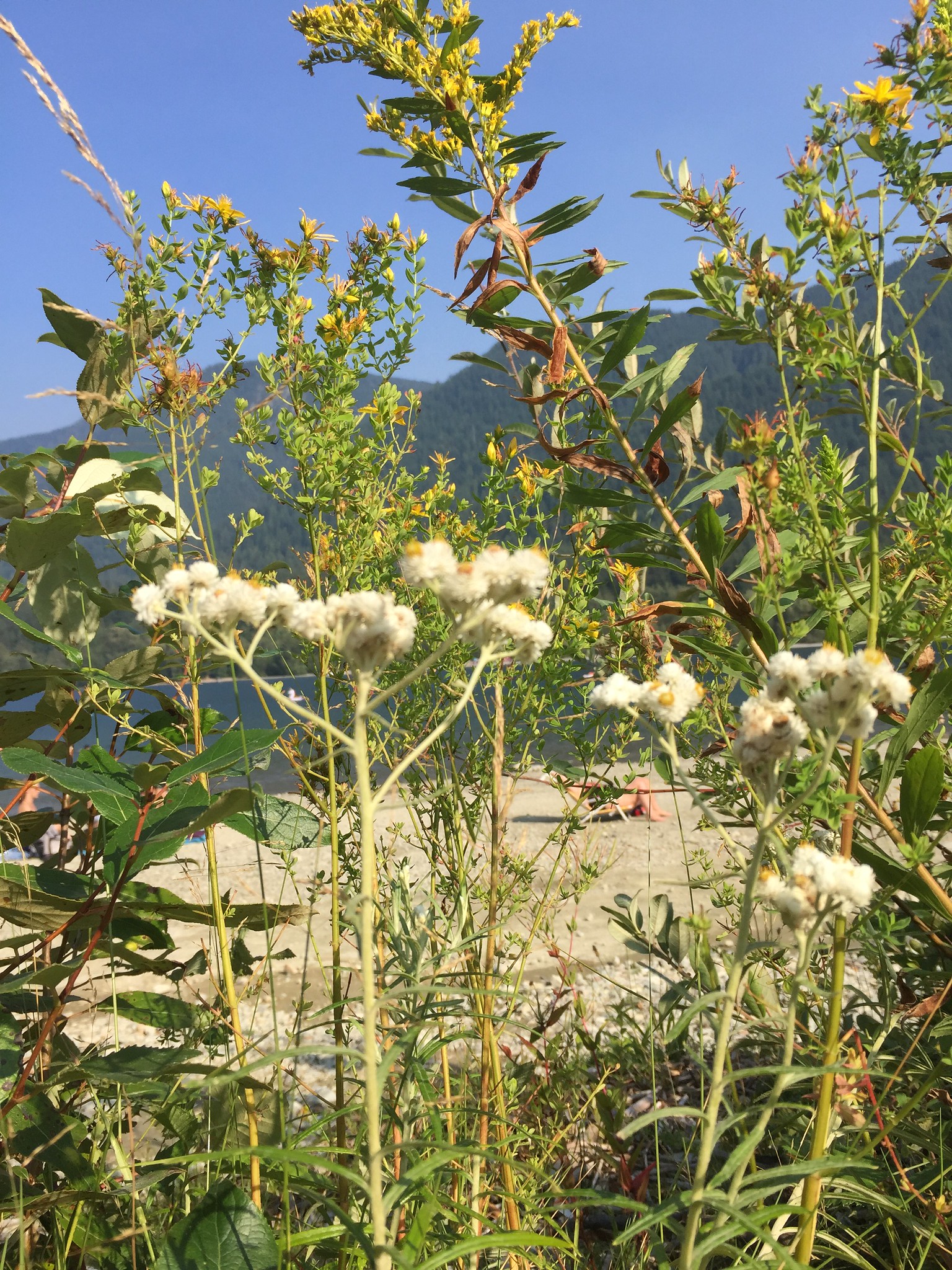
This collection of plants grow side-by-side on Alouette Lake. Can you recognize them all?
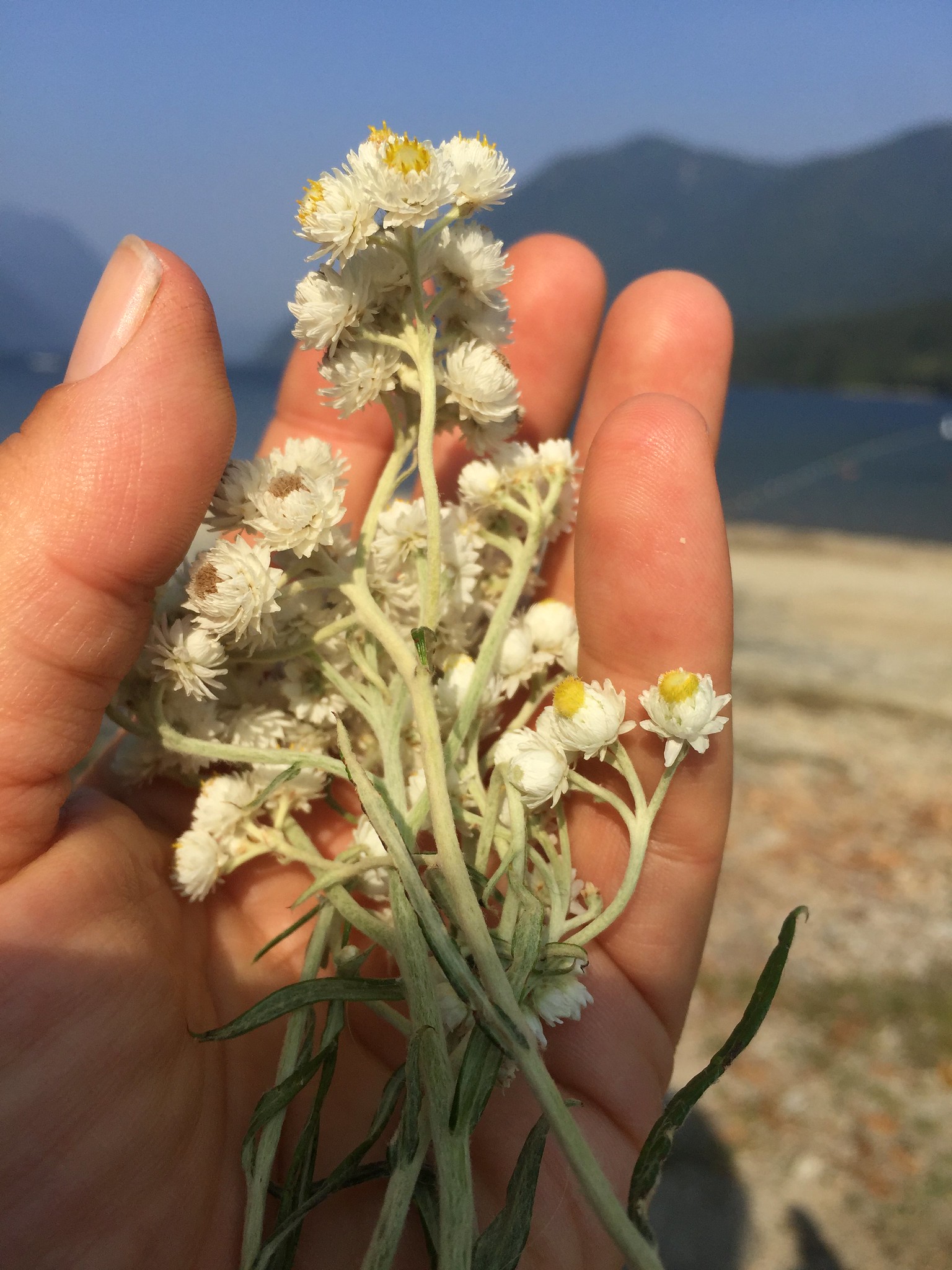
Plant Medicine (Pearly Everlasting)
First, as seen clearly on the foreground, there is Pearly Everlasting (Anaphalis margaritacea). Although it is similar in appearance, and also from the Asteraceae family, it is not as closely related to immortelle (Helicrysum). It is not so much in use in Western herbalism or medicine, but was used by First Nations to treat mostly respiratory ailments, including asthma. This is because it has both antihistamine and expectorant qualities. It is also an anti-inflammatory, astringent, diaphoretic and a mild sedative. It is used for treating headaches, colds, fevers, sore throats, allergies and asthma. To read more about how to use it, visit Wildness Within and Natural Medicinal Herbs.  It can also be used as incense - preferably on a hot stone or Japanese Koh-Doh technique on a micah plate.

Next to it also grows St. John's Wort (Hypericum perforatum), the world one and only incredible medicinal plant that can actually treat depression. It is why it is so heavily regulated in the USA, because it's properties would threaten the existence of fluoxetine (or in its famously known brand name, Prozac) and other very profitable antidepressants. Additionally, St. John's Wort oil extract (an oil infusion that has a deep red colour) is used for treating skin diseases such as eczema and also joint pains. This is a powerful plant, and must only be used with the guidance and supervision of a licensed Herbal Medicine practitioner. Some of the side effects known for St. John's Wort are photo-toxicity (burns upon exposure to sun), and counter-acting certain drugs.

Last but not least, the shiny green leaves (more at the bottom of the pic) are those of Black Cottonwood, AKA Western Balsam Poplar (Populus trichocarpa), which contains salicin (the aspirin compound that also present in willowbark). The buds' extract (either in oil or alcohol) is also used medicinally, mostly as an anti-infalmmaroty, especially for joint and muscle pain. A salve can also be prepared from the oil infusion. Also it smells great - sweet-balsamic and ambery, which makes it a good medicine for the soul. I used it in Komorebi perfume to create the beautiful amber-like scent of the rain forest in autumn. 

Labels: , , , , , , , , , , ,

Friday, August 03, 2018

Balmy Breeze

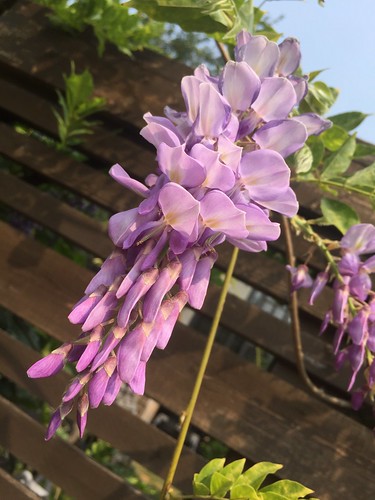
Wisteria

Balmy breeze with remnants of freeze. Black cottonwood buds (Populus balsamifera ssp. trichocarpa) lightly scent the air, bring to mind chilly spring morning that are warmed up by their cozy balsamic aroma. The beginning of spring (and allergies). Except that it's August. What a strange experience, on a warm summer day to be greeted by this scent and no other on my arrival to Vancouver!

This smell is like walking along the defunct train tracks from Granville Island to my daughter's speech therapist on False Creek. Breathing in the cotton-candy sweetness of these mysterious trees, which I was never able to recognize. Or walking by a vanilla-and-balsam-scented tree on Sunset Beach and never really understanding where the scent comes from. It took me years to pinpoint the source - not a flower, but the resin-protected young leaf, wrapped in sticky matter honeyed and persistent like propolis.  

I'm tempted to craft something from them - tincture, dry - anything to preserve this gorgeous scent that I will not find when going back home. But it's just the beginning of the trip and I can't get my suitcase filled with too much liquid mess already. Liquids are just not travel friendly. So I wear Komorebi instead...

Next peculiar encounter is with wisteria. I am immediately transported to the Petit Trianon garden in Versailles - a miniature village with an ancient wisteria vine that was in bloom in the spring I was visiting. Again, this is an out-of-place and out-of-season experience, disorienting as jet lag itself.

Labels: , , , , ,

Sunday, August 21, 2016

Approaching Coal Harbour

Buoys

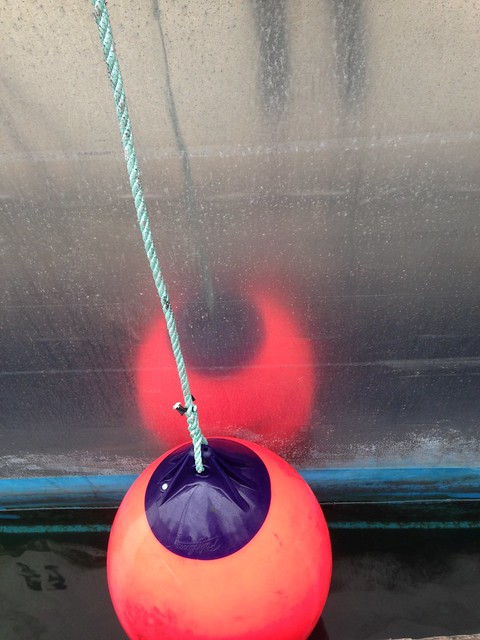
This week I've finally created a batch of Coal Harbour, which I intend to close the Perfume4aPlace series dedicated to my favourite spots in Vancouver. However, the concept of Coal Harbour perfume predated all the other scents. In fact, it was in one of those morning walks about five years ago in Coal Harbour that I knew I would soon have to leave the city. Walking there and watching the aquaplanes take off and land on water I felt a pang of melancholy, knowing how much I love the marine aspect of the city. And so I promised myself to make a Coal Harbour perfume before I leave, as a goodbye present to the place I've called home for nearly 18 years.

This idea of course was the seed of the entire collection. And as the time to leave approached, I began rolling out the scents. I felt reluctant to launch Coal Harbour, because deep inside I knew that would mean the last farewell. So I did this gradually, with one perfume in each season... Komorebi in the fall of 2015, Sunset Beach in the winter of 2016, Lost Lagoon in the spring, and finally Coal Harbour for summer.

The scent is now maturing in the vat - a concoction that echoes the juxtaposition of natural aromas in their urban surrounding, contrasting marine notes, fresh cut grass and linden blossoms with the penetrating aroma of jet fuel.

The perfume is still in the maturing phase, but you can pre-order a sample (or, if you know you like marine-leathery-green scents, an entire bottle in your choice of eau de parfum application - mini splash bottle, roll-on and larger spray bottle.

Labels: , , , , , , , , , ,

Thursday, March 31, 2016

Buds

Black Cottonwood Bud

In the wake of the northern spring, the world comes to life in different stages. Some trees burst with flowers long ago and are now in the decaying stages that lead to seed. Others are in the peak of their bloom. And some are still seemingly dead.

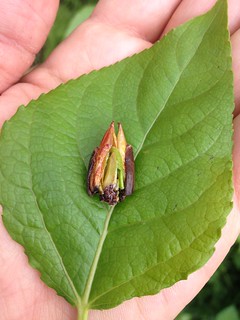
As you pass near lifeless-looking trees, a surprising smell may penetrate your nose: the scent of vanilla, resin and honey. Although it's all-around cuddly and cozy, there is also something sharp and green about it, that pierces through the nostrils like blades of grass. To the uninitiated, this smell, coming out of nowhere, is a complete mystery. To those in the know, this heavenly scent is a comforting, familiar reminder of the resurrection of black cottonwood buds, which will soon be covered with handsome, shiny green leaves, and will continue to manage this sweet scent for the months of summer.

Each bud is reddish brown, reminiscent of an insect, and green on the inside, drenched in sticky, drippy reddish-orange resin that is reminds me of propolis and pollen simultaneously. Herbalists prepare an infusion of these buds that has healing properties for muscle pains and skin ailments. I like it just for the scent, so I tincture them in alcohol (you can find this note in Komorebi).


Labels: , , ,

Wednesday, May 06, 2015

Sweet Spring Sap


Mystery tree that gives off a sweet, balsamic fragrance reminiscent of vanilla, cured tobacco and labdanum. It took me as long as several years to identify the source of this heavenly, unmistakable smell... It is hidden, because it comes not from flowers, but from the resin surrounding the budding leaves, which first appear in spring on the completely barren trees. Sources of smell are varied and many, and somehow, even though black current buds are a known fragrance material, it just did not occur to me that this sweet smell is coming from yet to be opened buds.

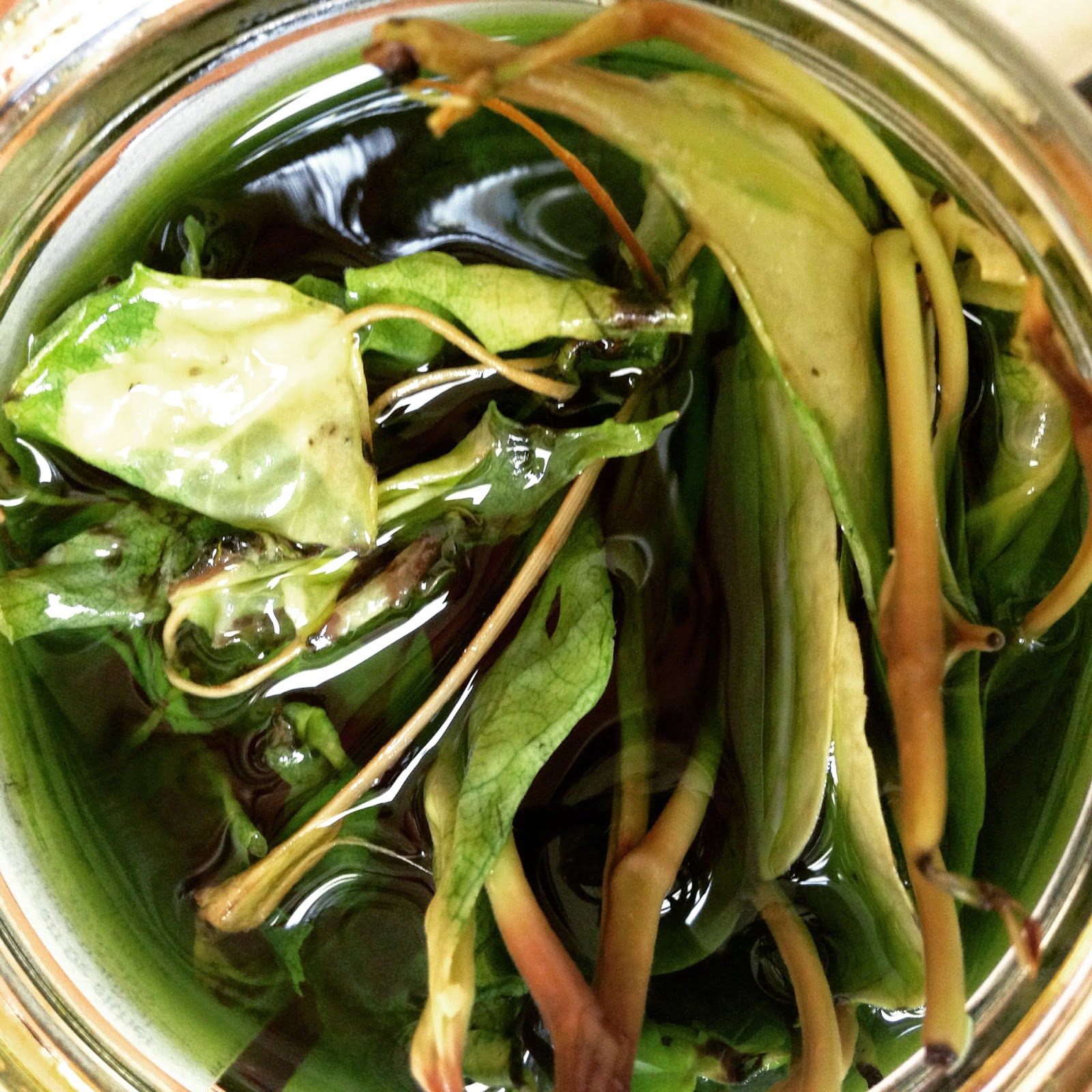
An attempt at tincturing the fragrant new leaves.


Black cottonwood buds. Sticky, fragrant - very close to balsam poplar buds absolute.

Labels: , , , ,

Wednesday, April 22, 2015

Springtime in the Forest

On this beautiful Earth Day, I'd like to share with you the wonders of my part of the planet. Subtle scents permeates the air in the Pacific Northwest at this time of the year: Soft tassels of new growth fir and spruce trees - their scent reminiscent of citrus and fresh-cut grass. Fiddleheads emerge from the damp forest floor. They spiral towards the light and their shoots are tender and delicious. Miniature galaxies of elderflowers, with their blackcurrant-like aroma dot the forest like little fragrant stars. And last but not least: the balsamic sweetness of the budding black cottonwood trees, which envelop the forest trails with a promise of sweet, warm sunny days. 

All of these are nature's reminder to steer away from the floral cliches and celebrate spring with other plant-parts. If you are like me, spring is the time of year to rediscover the classic Fougeres in your wardrobe, and discover new plants that are coming to life, as well as discover new wild plants to forage and bring nature home, literally, after our long hibernation.

1. Fiddleheads

Fiddleheads are the budding, coiled “leaves” of ostrich ferns  (Matteuccia struthiopteris). The fiddleheads are present in early spring, and are considered a delicacy. They have a very similar to asparagus in both flavour and texture - but a lot more tart. 

Perhaps it's the fiddleheads - spring to me is the best season to enjoy fragrances from the Fougère (fern in French) family. Namely, l'Herbe Rouge. You might also want to try my idea for an Edible Fougère Recipe: Fiddleheads in Lavender Butter

2. Fir Buds & Violet Leaves

A wonderful way to enjoy the scents of the forest all day long is place a few of these conifer buds in your water bottle. Douglas Fir is the most delicious of all - and the needles can be used that way year-around. You'll stay hydrated and also benefit from the vitamin C that is naturally occurring in these leaves (the only local source of those until the summer berries ripen). They smell like a Christmas tree and have delicious, slightly tart lemon-tangerine aroma.   


Rainforest perfume captures the scent of the temperate Pacific Northwest forests - the largest of the temperate forests in the world, and with the most productive biomass. It combines the fragile, crisp cucumber notes of violet leaf with damp forest floor with sprucejuniper and pine
Rainforest also makes use of my very own wild-harvested elderflowers essence - which is our next topic! 

3. Elderflowers

If you've ever visit my studio in April and May, you'll be served the fragrant and refreshing elderflower"champagne" - effervescent soda infused with wild-foraged elderflowers that I make at home. You can create your own by following my recipe on SmellyBlog. Also, you may enjoy a subtle nuance of elderflowers in Sandal Ale - where it adds a fruity aroma to balance the sweet apricot and funky hops notes.

4. Cottonwood & Balsam Poplar Buds

I'm yet to try this Cottonwood Bud Oil Recipe, an infusion that has healing properties for muscle aches and damaged skin; but I've been inspired to capture this scent in a perfume by tincturing it. 
Etrog Oy de Cologne, however, uses a different part of a tree from the same family: balsam poplar buds absolute. It gives it a unique, honeyed aroma that echoes the sweetness of the rare citron fruit. And speaking of citrus - have you heard about the Citrus & Cologne Week-long Course (May 4-8)? It's perfect for beginner students of perfumery, and there are 2 spots available. 

For more ideas on how to celebrate the beauty and diversity of this planet with local, handcrafted perfumes made with wild-harvested botanicals, visit ayalamoriel.com

Labels: , , , , , , , , , , , ,

Tuesday, April 14, 2015

Daffodil Dew


Back to the drawing board with my Coal Harbour perfume. It seems like the timing could not be more important now with the terrible oil spill. So I return to a perfume that is inspired by the smell of jet-fuel mingled with sundries barnacles and seaweed at low tied. That and some fresh-cut grass. And elderflowers (which are in season again - a whole month earlier than they should).


Another scent that is typical of spring, and unique to these northern parts of the world are more sweet-balsamic notes, some of which I can attribute to the cotton trees, some to a mysterious tree whose flowers I've never seen, but smells almost of vanilla and labdanum combined and always stops me on my tracks overtime I pass by it. Perhaps I shall add some sappy balsam poplar buds absolute to this perfume... Narcissus absolute does not seem like a bad idea either, although I should really keep it for special occasions! It is such a rare essence, and oh so precious. However, with its hay-like, warm-spicy and slightly balsamic attitude, I might just have to dip into that cookie jar once again for the Coal Harbour perfume. And I might as well grab some crystallized-sugar-like liatrix absolute while I'm at it!

Labels: , , , , , , ,