Sunday, October 19, 2008

The Scent of Outer Space

Apparently, outer space has a scent...!

Chemist Steven Pearce, who was commissioned to the task of re-creating the scent of outer space tells Manchester Evening News:

"We have a few clues as to what space smells like. First of all, there were interviews with astronauts that we were given, when they had been outside and then returned to the space station and were de-suiting and taking off their helmets - they all reported quite particular odours. For them, what comes across is a smell of fried steak, hot metal and even welding a motorbike, one of them said."

“We have already produced the smell of fried steak, but hot metal is proving more difficult (...) We think it’s a high-energy vibration in the molecule.” (Chemist Steven Pearce interview to The Times).

Thanks to Siobhan for the tip!


Sun in Motion , originally uploaded by Ayala Moriel.

Labels: ,

Thursday, September 13, 2007

Botanical Alchemy Series

Postcard design by Dawna Ehman

Ayala Moriel Parfums & Inner Alchemy Tea Co. Present:

Botanical Alchemy Series I - Fall 2007

NATURAL AROMATIC of PERFUMERY, HERBALISM & TEA CULTURE

Join Tea Master and Folkloric Herbalist Dawna Ehman, and Perfumer Ayala Sender for a series of workshops designed to deepen your understanding and appreciation for the nature of plant essences used in perfumery, herbalism and tea culture.

Don’t miss this unique opportunity to be guided on an experiential journey that combines beautiful visual presentations, hands-on experience, your own working manual of formulas & blending charts as well as chance to appreciate an array of plant based elixirs, teas and perfumes.

The 7-week series is ongoing throughout the months of October to December. Although each weekly class can stand on it’s own and is not reliant on a prerequisite, you are encouraged to participate in the flow of each class moving into the following one, as we build upon our new found knowledge and experience for natural aromatics.

We aim to fulfill the deepest interests of individuals about the fascinating interconnections of aromatics in perfumery, herbalism and tea culture by facilitating this series dedicated to self-directed study and passionate hands-on experience. For more information & to register please email us or call: (778) 863-0806.

You may register for a single class at the price specified, or sign up for the entire series and get an early-bird* discount.
Prices range from $25 to $75 - or $260 for the entire series.**

*If you register prior to September 27th, 2007 single class discount of 20%
**That means that you get one theoretical class for free.

CLASS 1. ORIGINS OF NATURAL AROMATICS

We begin our aromatic journey with the prehistoric origins of incense and follow the evolution of aromatic plants by noting their developments throughout recorded history up to the 21st century - including an outlook on the future of aromatic plant production for use in herbalism, tea culture and perfumery.

When: Thursday October 11, 6:30 p.m. to 8:30 p.m.
How much: $25 (Space limited to 10 students)

Part 1. History of Natural Aromatics in Herbalism, Tea Culture and Perfumery – from Antiquity to Today

Part one follows the historic evolution of aromatic plant use with a focus on incense, perfume, tea and herbalism. We journey back in time to the prehistoric ritual use of incense and then on to the ancient civilizations of Egypt, Greece and the Middle East to explore the developments of perfume. We discover tea in ancient China and take a brief look at the unique usage of aromatic plants in medieval herbal practices.

In this first class we will experience two ancient uses of aromatics:
i.) Clearing Space Ritual - using Egyptian Kyphi incense (one of the most sophisticated perfumes of antiquity – a blend of 16 different aromatics plant materials that was used both as an incense, perfume and as medicine)
ii.) Jasmine Tea Sampling - experience the first aromatized tea

Part 2. The Ecology of Herbs, Tea and Perfume Production Today and for the Future

Part two of this class looks at how the nature of aromatic plant production has evolved to define its current 'ecology'. We address the central challenges and threats to these ancient art forms alongside our current use of teas, herbs, essential oils and natural raw materials. Discussion includes the implications of bio-piracy, capitalization, economics and government regulations, large scale agriculture, globalization, etc.)

Class will close with a guided meditation on our outlook to the future and our intentions for making a positive change in the ecology of aromatics.

CLASS 2. THE LIVING LANGUAGE OF PLANTS

Learn about the powerful yet subtle language of healing & beauty in aromatic plants. In this fascinating class we will discover how plants form impressions within our own psyche and we will learn to appreciate the myriad relationships they have to our emotions and memories. This class also covers safety guidelines for using natural aromatic plants and extractions and offers a unique opportunity to appreciate some of the most precious botanical aromatics available.

When: Thursday October 18 ( 6:30 p.m. to 8:30 p.m.)
How much: $25 (Space limited to 10 students)

Part 1. Energetic Properties of Plants and Aromatics

In this lesson, we dive deep into the realm of plant energies and learn to appreciate the unique correlation between the energetic nature of a plant and what it may reveal through the emotional response of both our nervous system and our memory. We will also observe important factors that influence the energetic properties of aromatic plants (including seasonal shifts, growing methods, harvesting, processing and storing methods).

We will begin our exploration of perfumery and personality and also look at how different forms of aromatic extractions of the same plant reveal varying levels of energetic concentrations and consequent physiological responses. Finally we will explore how to incorporate aromatic plants into our lives as a way to enhance our emotional well being.

Exercise: Tea ceremony as a meditative practice and an opportunity for mindfulness.

Part 2. Determining Quality and Safety

In part two of The Living Language of Plants, you will acquire basic tools, tips and guidelines for assessing raw materials and for using them appropriately and efficiently. Through exercise and demonstration you will learn how to determine quality (i.e.: how do I know if a material is natural or synthetic? how to tell if it’s fresh or stale?). We’ll also discuss ratios and proportions, how to troubleshoot (i.e.: clean your skin of sticky resins and oils, or how to avoid skin irritations) and learn how to use plant aromatics responsibly and respectfully- to ensure your pleasure and safety are not compromised.

Exercise: Assessing qualities of synthetic vs. natural aromatics through demonstration and assessment (e.g.. pure vanilla extract vs. artificial vanilla flavor; pure attar of rose vs. rose fragrance oil).

CLASS 3. UNVEILING THE MYSTERIES OF AROMATIC EXTRACTIONS

Uncover the many methods used to extract plant essences, and experience precious botanical essences from around the world. We will also explore the mysterious connection between plants and humans, and how plants can assist us to live a full, healthy life and in harmony with our environment.

When: Thursday October 25 ( 6:30 p.m. to 8:30 p.m.)
How much: $25 (space limited to 10 students)

Part 1. Plants and Human Form - The Correlating Healing Relationship

Explore the mysterious connection of 'form and function' between plants and humans, and observe how plants can assist us to live a full, healthy life in harmony with our environment. We’ll learn about he correlation between the three layers of our skin (epidermis/dermis/subcutaneous) and the three organ sections of plants (flower, leaf & stem, root), and how to transform plant matter into healing infusions, macerated oils, tinctures and salves.

Exercises: Comparison between plant structure and the human body; making an infused oil for healing and skin care purposes.

Part 2. The Building Blocks of Natural Perfumery

Uncover the many methods used to extract plant essences, and experience precious botanical essences from around the world. By the end of this lesson, we will understand the different distillation and extraction methods of aromatic plants, and learn the difference between essential oil, absolute, hydrosol, floral wax and concrete. Sampling and demonstration of the essences that result from these processes will be presented so you can truly understand the differences between the various essences and their qualities by using your senses – sight, touch and smell.

Exercises: Learn to recognize top, heart and base notes. Compare the results of five different extractions from the same plant (i.e.: neroli, orange blossom absolute, orange flower water, orange flower water absolute)

CLASS 4. THE ART OF BLENDING

Discover the artistry and science of blending pure aromatic substances when creating unique loose leaf tea blends and natural botanical perfumes. We will also discover the unique interrelatedness of tea and perfume, such as perfuming teas with flowers and using tea notes in modern perfumery. There will be opportunity to sample tea blends, perfumes, assorted plant elixirs.

When: Thursday November 1 ( 6:30 p.m. to 8:30 p.m.)

How much: $25 includes materials (space limited to 10 students).

Part 1. The Art of Blending and Tasting Teas

In this lesson you will learn about the basic principles of tea blending and the different stages of the tea-tasting experience: you will learn how to reveal the aromatic bouquet. We will also discuss and compare the various methods of processing teas (i.e.: the differences between white, green and black teas) and learn about how teas are graded. And last but not least – we’ll demonstrate with samplings the two methods of flavoring tea - aromatizing and perfuming, and learn about the difference between the two.

Exercises: Tea Tasting Techniques and Drawing up your Aromatic Palette in Tea Tasting

Part 2. The Art of Blending and Wearing Perfumes

This lesson will be dedicated to exploring both traditional and modern approaches to blending a perfume. We will discuss the “fragrance pyramid” (i.e.: top, heart and base notes), and reveal the different methods of composing perfume such as the structured “Accord” approach (i.e.: building horizontal and vertical chords), the exploratory or intuitive approach, working from briefs, and more. You will experience first-hand the development and structure of a natural perfume - on your own skin, and as we walk you through the different aspects that went into designing it, both conceptually and structurally.

Exercises: Evaluating building blocks (top, heart and base); perfume demonstration: walking through the process of perfume creation from concept to creation, and pulling apart the notes of a particular perfume on a scent stripes to analyze its structure.

CLASS 5. BASIC FORMULAS FOR HEALING, PLEASURE AND WELLNESS

Learn how to use quality aromatic botanicals (herbs, loose leaf teas, essential oils, absolutes, concretes and floral waxes) in the formulation of teas, tisanes, herbal first-aid preparations, and perfumes – both solid and liquid. This class is entirely “hands on”. All materials needed will be provided.

When: Thursday November 8 ( 6:00 p.m. to 9:00 p.m.)
How much: $75 including materials (space limited to 6 students).

Part 1. Herbs in Formulation

We begin our hands-on workshop of formulations with a brief discussion of common aromatic herbs (including therapeutic flowers, roots and leaves) that can prepared for practical daily usage. We will explore the significance of synergy when formulating herbs for potency, longevity and efficacy. We will learn to appreciate the application of herbs in several unique and creative formulations including dream pillows, healing creams and love elixirs and take a brief look at the formulating practices of some of the world's oldest herbal traditions.

Demonstration: what to include in your herbal first-aid kit
Exercise: methods of blending an herbal tea

Part 2. Perfumes in Formulation

This lesson is dedicated to your first attempt at blending your own natural perfume. From a given aromatic palette, you will select your own favorite notes to make a perfume that will bring you both pleasure and pride. Drawing on the knowledge from the previous class – about the classifications of notes, volatility rate, perfume structure and blending approaches, you will make a perfume that is simple yet elegant and with the guidance of an experienced natural perfumer, is sure to smell good and have a good and lasting power. This will by no means make you a “perfumer”, but it will give you a hands-on idea of what being a perfumer is like, and perhaps even inspire you to further deepen your studies of natural perfumery.

Exercises: Visualization and conception of perfume idea
Planning and blending a solid perfume

CLASS 6. COOKING WITH HERBS, TEAS AND PLANT OILS

"We cook and complain that it's a waste of time, when we should be pouring our love into making that food" (Paulo Coelho, "The Witch of Portobello")

Join us for a fabulous evening of aromatic cooking- using fresh herbs, freshly ground spices, loose leaf teas, and essential oils- in both savory and sweet dishes. Your will be given a collection of recipes to try at home, and receive guidelines for aromatic cooking. As an inspiration, we will be preparing a “Winter Solstice” feast (which we will enjoy together at the end of the class, of course!) including an appetizer, a main course, a dessert and beverages to accompany the meal. We hope that by the end of the class you will feel inspired to use your own aromatic culinary mixtures at home and feel encouraged to express your creativity in the kitchen, using the best quality aromatics you can source.

When: Thursday November 15 (6:00 p.m. to 9:00 p.m.)
How much: $55 including materials (space limited to 6 students).

As we’d like to surprise you, we won’t reveal the exact menu until the class itself. We hope to repeat this workshop throughout the year, and change the recipes according to seasonal and regional availablilty - all so that we can support local farming as much as possible in our cooking & best exemplify what we believe in through our culinary actions.

However, we can say that each cooking workshop, no matter the season, will give some basic guidelines and recipes for:
Preparing from scratch your own ground spice mixtures and pastes (such as curries, garam masalas, etc.).
Using fresh herbs in savory dishes, dips, condiments and pickles.
Preparing your own salad dressings and marinades using essential oils and/or fresh herbs.
Cooking and baking with tea seed oil and other nutritious oils.
Alternatives to dairy and wheat (selected recipes prepared will be vegan or dairy and/or wheat free).
Using exotic spices and/or essential oils in desserts and baked goods.
Concocting specialty teas and beverages – either chilled or warm, according to the seasons.

The workshop is divided to three sections:

Part 1. Savory Dishes and Spice Mixtures

With a focus on preparing savoury appetizers, salads and main courses.

Part 2. Sweet Dishes and Desserts

Learn surprising ways to use freshly ground spices, hydrosols and essential oils when baking pastries and exotic desserts from around the world.

Part 3. Warming and Chilled Drinks

Learn how to concoct your own teas and beverages for entertaining or for accompanying a meal. By using herbs, spices and flower waters, you will learn how to transform an ordinary drink into an unforgettable treat!

CLASS 7. BEAUTIFICATION AND BODY CARE WITH NATURAL AROMATICS

Learn the basis of 'inner wisdom-outer beauty'. We will learn to prepare beautifully fragrant and sensual body products using simple and luxurious botanical elements that are readily available and use the benefits of essential oils and other fragrant materials to add another unique dimension to your daily body care rituals. By the end of the class, you will take home with you at least one body product, plus a handbook with additional recipes that you can safely and simply create at your own home.

When: Thursday November 22 (6:00 p.m. to 9:00 p.m.)
How much: $55 including materials (space limited to 6 students).

Part 1. Body Care Preparations and Recipes

Learn the fun and magic of making your own body care products from readily available ingredients. We will guide you, step by step through a detailed process of body care preparations using the finest natural aromatics for body care.
Class notes and formulas include tea based facial steams, washes and tonic waters; hydrosols for healing and beauty; plant based shampoos; herbal infused oils & butters; perfumed sugar body scrub; aphrodisiac perfume oil.

Part 2. Simple Self-Healing Techniques

In this final hands-on workshop we learn to perform enjoyable and safe self-healing techniques that use aromatic body care products prepared in the earlier part of the class. Discover how the benefit of incorporating such techniques with aromatic elements will nourish your mind, body and soul and encourage a daily personal ritual of pleasurable body care and beautification.

Class notes and formulas include: Cold water rinse in facial care; pre-shampoo scalp massage; self massage in an oil bath; reflexology pressure points of the hands and feet; self-massage techniques for headache and reflexology; temple massage with lavender oil.

Labels: , , , , , ,

Tuesday, September 15, 2015

Arbor Vitae: Trees of Life + Contest

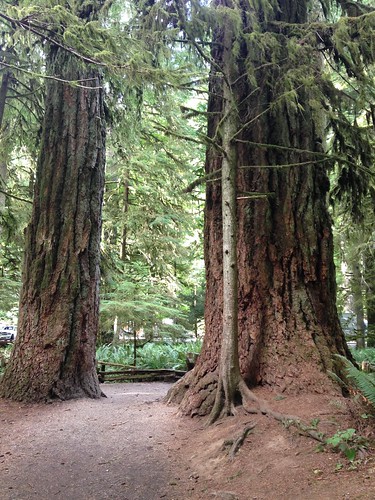
Cathedral Grove

The first days of school are saturated with mundane yet memorable scent of lumbar by-products, namely pencil shavings and sharp new textbooks bound with resinous glue. Cedar's significance goes far beyond paper and pencil shavings. While visiting the Carving on the Edge festival in Tofino - the so-called cedar (Thuja plicata - which is really a kind of a cypress, not from the Cedrus species that you'll find around the mountains of the Mediterranean and the Himalaya) that grows here in such abundance holds special significance to the First Nations of the West Coast. So much so, that some called themselves "Redcedar People".

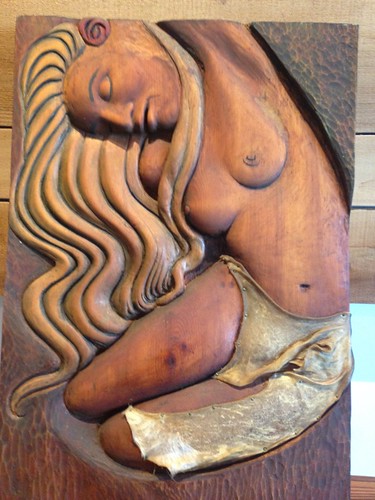
Cedar Woman

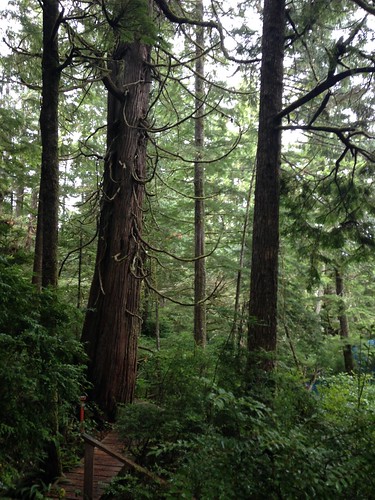
Redcedars are ginormous (65-70m high and a diameter of 3-4m are not uncommon), and live a long, rich life of hundreds and even a thousand years! They tower over the rest of the forest, and provide a home for insects, birds, squirrels and other creatures. In the lush rainforest, you'll observe other foliage gracing their branches like hanging gardens. And when a strong wind finally tips them over, they become a nursing log for new life forms and eventually - other gigantic redcedars. 

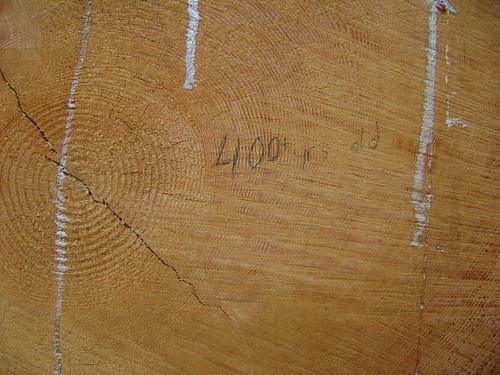
Red Cedar, 400yrs old

The tree itself in Coast Salish language was called "Tree of Life". It wasn't until visiting Tofino this past week that I really understood why - after all, it bears no fruit or edible parts (this must be my Mediterranean brain at work). For one thing, the tree plays a huge role in the ecosystem: it strives off the nitrogen-rich fish diet from the salmon that jumps upstream, and also dyes them red with its tannins, and also has the ability to filter out toxins. 

From a utilitarian human perspective, it is particularly valuable because of its soft heartwood, which makes it easy to carve. Additionally, it has a high content of essential oils that not only make it smell amazing, but also act as preservatives and insect repellent, making the wood last for hundred years if not more! Their durability and rot-resistance are why redcedar is the wood of choice for outer constructions such as homes, roofs, shingles, etc. 

Old Rededar

First Nations built and crafted almost anything imaginable from this phenomenal tree, taking full advantage of its lightweight and durable qualities: they would weave water-proof hats and clothing from strips of the bark, as well as ropes and baskets from the younger branches; and long houses and homes from planks that they've harvested from the living trees; and entire old-growth trees (either wind-stricken or actively felled in a special ceremony) were used for totem poles or to build dug-out canoes - including ones large enough to hunt whales. And of course - smaller artifacts such as masks, bentwood boxes, and other tools. Last but not least: the wood would keep you warm in the stormy and damp Pacific Northwest weather (although logs of cedar are notorious for sending out sparks - so watch your fire closely); and the leaves are bundled with sage to make incense wands that are burnt to clear off negativity from the space before the start of a ritual. 

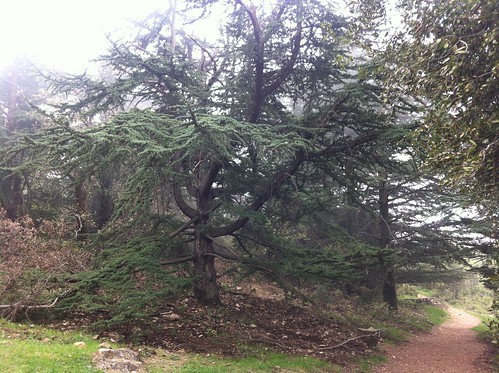
Cedars of Lebanon

In perfumery, we use all kinds of cedar - true and false. The Cedar of Lebanon (which King Solomon used to build the first temple in Jerusalem) are too sparse to use in perfumery, but are impressive, beautifully shaped trees that grace Mount Meron where they grow wild, and some other hills of Northern Israel, where they've been planted near Saafed. 

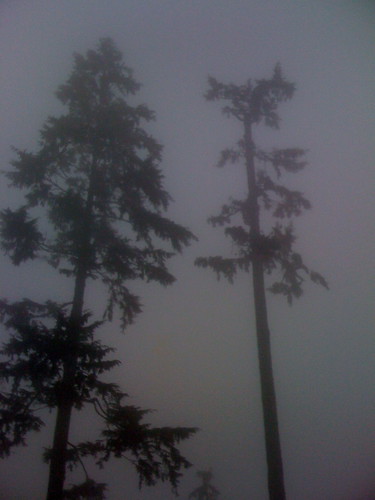
Cedars & Fog

Cedars from the Atlas mountains in Morocco and the Himalayas smell very similar - with a warm, honeyed and slightly animals aroma. The remind me of polished-wood because they're so smooth and precious smelling. The most famous perfume you can smell Atlas cedar wood is Feminite du Bois by Shiseido (now available directly from the fragrance's creative director leading niche brand, Serge Lutens). Among my creations, it is particularly noticeable in Epice Sauvage and Tamya.

Himalayan cedar, which is similar but a little more cool and clean-smelling is what you'll smell at the base of Indigo (which, incidentally, was listed among Basenotes' 500 Greatest Modern Perfumes). You an also experience it at the base of Jasmine Pho and Fetish (which also has another coniferous favourite: Fir absolute). 

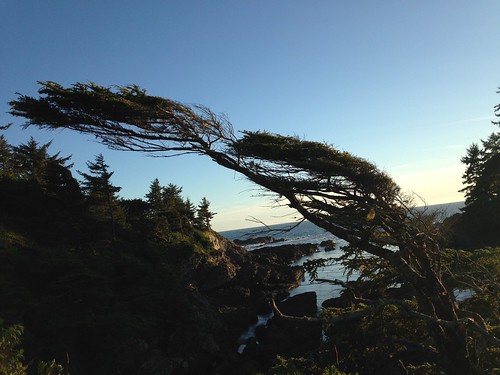
Windswept

Japan has its own unique conifers, and its own version of cedar - called Hiba (AKA Japanese cedar, false arborvitae or Hiba arborvitae). Bon Zai perfume portrays a miniature forest of windswept cedar and pine, in the best Japanese tradition. Minimalist yet haunting, the familiar notes of Virginia cedarwood, juniper and Scotch pine are joined by more exotic Japanese oils of mandarin, oud and shiso leaf. In a new version I've been working on this afternoon, indigenous Japanese woods will enhance the authenticity of this fragrance - namely Hiba (Thuja dolabrata) and Hinoki, AKA Japanese cypress (Chamaecyparis obtusa).

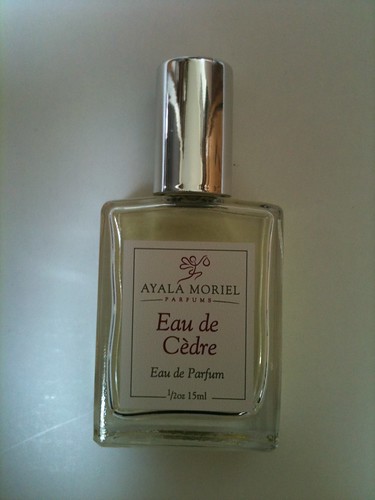
Eau de Cedre
The so-called Virginia and Texas Cedarwoods are really juniper trees (Juniperus virginiana, AKA Easter Redcedar). Their aroma is similar, but much milder than the Western redcedar. The Virginia kind has a particularly soft and rich, warm, smooth dry down that makes it second only to sandalwood. I've used it as a key note in Eau de Cedre, an eau-de-cologne type fragrance with a woody anchor and distinctive dry, spicy tones. But you'll find it in many others of my creations, such as Rainforest, in which the Virginia cedar is subtle, and makes a subtle backdrop for coniferous tree and dewy foliage - recreating the experience of a walk in the woods. Espionage, on the other hand, is cedarwood chests, cedar-flavoured cigarettes, but most of all: logs of campfire, out in the woods, or even better - on a stormy beach to warm you up after surfing the chilly Pacific. 

400 Years Old?

Essential oils from the Western redcedar have only joined the perfumer's palette some 3-4 years ago, and I've used it in Blackbeard Oil, and more recently - in a new perfume that captures the magical scent of the Pacific rainforest floor on a warm, sunny autumn day: a most peculiar scent that anyone who loves the forest and lives around here is fond of and most familiar with. It smells a bit like how you'd think Chypre should smell; but is also with resinous-sweet ambery undertone to it. I'm pleased to say that I've been able to capture it perfectly; but I do need your help naming it. Non of the names I've thought about seem right: it's not "Pacific Amber" and it's not "Emerald Amber". The name "Arbor Vitae" sounds too arcane and serious (and I'm worried no one would understand it at all). And then names of places where you can experience it - such as Stanley Park (where I first experienced it) or Gold Creek (which alludes to its warm, golden aroma) - just don't sound authentic enough. Neither truly brings across the wild nature of this fragrance, and its strong connection to core of Pacific Northwest natural life, where Hishuk Ish Tsawalk was the law of the land and . Besides - you can smell it on a sunny day almost anywhere where redcedar, Douglas fir and Western hemlock live, and that covers a rather vast chunk of land... So let there be a naming contest, and the winner who emails me (or leaves a comment on this post) with the best name suggestion by September 30th will receive a 15mL bottle of this yet-to-be-named forest elixir! 

Redcedar links for further reading:

Labels: , , , , , , , , , ,

Tuesday, June 19, 2007

CALDENDAR of Olfactory & Culinary Workshops

OLFACTORY & CULINARY WORKSHOPS

Raw Materials 02, originally uploaded by Ayala Moriel.

The following are the classes and workshops offered at Ayala Moriel Parfums studio during the next few months. There are no pre-requisites for attending these workshops, but we do recommend you register for the class as early as possible, as the number of spots is very limited (we only take 6 students for the practical workshops, and up to 10 for "theoretical" workshops such as lectures and olfactory presentations).
Thursday, August 9th

Calendar of Workshops and Olfactory Events at Ayala Moriel Parfums Studio

The following is our workshop calender. You may also book a workshop just for you and a small group of friends (up to 10). More details on available workshops can be found below.

Sunday, November 11th, 1:00-3:00pm

Rememberance Day - No Classes

Thursday, November 15, 6:00-9:00pm

AROMATIC COOKING with FRESH HERBS, SPICES & FLORAL ESSENCES

Sunday, November 18th, 1:00-3:00pm

Candle Making Workshop


Wednesday, November 21st, 6:30-8:30pm

CHOCOLATE TRUFFLES WORKSHOP


Thursday, November 22, 6:00-9:00pm

INNER WISDOM OUTER BEAUTY: BEAUTIFICATION AND BODY CARE WITH NATURAL AROMATICS

Sunday, November 26th, 11:30-6:00pm

Portobello West - No workshops

Thursday, November 29th, 6:30-8:30pm

Stunning Stationary: Scented paper and Greeting Cards

Sunday, December 2nd, 12:00-3:00pm

Crème Parfum workshop

Sunday, December 2nd, 3:00-6:00pm

The Art of Incense


Thursday, December 6th, 6:30-8:30pm

Stunning Stationary: Scented paper and Greeting Cards


Sunday, December 9th, 1:00-3:00pm

Crème Parfum workshop

Thursday, December 13th, 6:30-8:30pm

CHOCOLATE TRUFFLES WORKSHOP - for last minute gift-making!!!

Sunday, December 16th, 11:30-6:00pm

Portobello West - No workshops -last minute holiday shopping ;)

Thursday, December 20th

CHOCOLATE TRUFFLES WORKSHOP - for last minute gift-making!!!


Workshops Details

CHOCOLATE TRUFFLES WORKSHOP

Learn how to make scented chocolate truffles with fine chocolate base and precious floral essences. We will be making two types of truffles (white or milk based, and dark chocolate base), and you will be taking them home with you to share with loved ones (or not…).
How much: $40 per person including materials (limited to 6 people)

Back to Top ^


Scent Stripes, originally uploaded by Ayala Moriel.

Crème Parfum workshop

Learn how to design and create your own personal perfume from precious botanical essences. By the end of the workshop, you will have made a perfume to take with you. We will provide simple jars as basic packaging, but fancy silver compacts or porcelain pillboxes from the perfumer’s collection will be available for purchasing, for those who wish to add an extra visual and tactile touch to their first olfactory creation!
How much: $75 per person incudling materials (limited to 6 people)

THE ART OF PERFUMED CANDLEMAKING

Join our guest instructor Nikki Sheritt, an artisan candle maker of Seattle-based Gabriel's Aunt, for an afternoon of candle-making. You will learn how to make beautifully fragrant soy candles using essential oils and natural vegetable waxes. You'll be guided step-by-step in the process of blending the essences, moulding and crafting a high-quality, clean-burning candle. By the end of the class, you will take with you a specially scented candle, beautifully packaged and gift wrapped - ready to go under the tree!
Date: Sunday, November 18th, 1:00-3:00pm
How much: $45 including materials

THE ART OF INCENSE

Learn about the origins of incense and create your own incense blend using precious resins, gums, woods, spices and herbs. We will pulverize, grind and mix together raw materials that were used in incense makig since antiquity. After experiencing first hand the sensual aromatic process of incense making you may never look at incense the same way again...
How much: $35 per person incudling materials (limited to 6 people)

Back to Top ^

ICE CREAM WITH FLORAL WATERS

Learn how to make ice cream from scratch, using top quality fresh ingredients and original, all-natural flavourings such as hydrosols and resins traditionally used in Middle Eastern desserts.
This class is also open to children ages 4 and up, when accompanied with a parent.

How Much: $25/adult, $5/child

Chocolate Truffles with Kids

Learn how to make scented chocolate truffles with fine chocolate base and delicious botanical essences. We will be making two types of children's favourite truffles (white and milk), and you will be taking them home with you to share with siblings and friends (or not…).

How much: $25/adult $5/child
*This class is also open to children ages 3 and up, when accompanied with a parent.

LIP BALMS with Kids

Create your own delicious lip balm for soft glossy lips! Making lip balm is fun and easy, and a great way to engage young children in the process.

How much: $25/adult $5/child
*This class is also open to children ages 3 and up, when accompanied with a parent.

Back to Top ^

SCENTED BODY PRODUCTS PART I: BATH SALTS & MASSAGE OILS

Making your own bath and body products is fun and easy. You’ll be using high quality, readily available ingredients to make your own, custom-scented bath salts and massage oils.

How much: $45 person including materials (limited to 6 people)

SCENTED BODY PRODUCTS PART II: SUGAR SCRUBS

Making your own bath and body products is fun and easy. You’ll be using high quality, readily available ingredients to make your own, custom-scented sugar scrubs.

How much: $45 per person incudling materials (limited to 6 people)

SCENTED BODY PRODUCTS PART III: BODY BUTTERS

Making your own bath and body products is fun and easy. You’ll be using high quality, readily available ingredients to make your own, custom-scented body butters.

How much: $45 per person incudling materials (limited to 6 people)

Introduction to Natural Perfumery

This class is an interactive introduction to the art of natural perfumery. You will learn about how perfume is constructed, and will get exposed to the thinking process of a perfumer. You will learn how to sniff like a “Nose” and evaluate beautiful and strange essences from around the world, and smell how they were incorporated in some of Ayala Moriel’s perfume creations.

How much: $25 per person

DIY Booze

Learn how to make your own fine liquors from readily available aromatics and spirits.
In this class we will make homemade Limoncello, a classic for the summer!

How much: $25 per person (Including materials)

Back to Top ^

Powders and Sachets

Create all-natural sachets, scented powders and potpourri based on vintage recipes from the turn of the century. The finished products make a perfect gift and will inspire you to do more at home.

How much: $45 per person (Including materials)

Stunning Stationary: Scented paper and Greeting Cards

Make your own beautifuly scented stationary and greeting cards. We will be using handcrafted paper and blank greeting cards and botanical elements to create stunning stationary - both visually and olfactory-wise. The stationary can be used as holiday greeting cards, or as a gift with a personal touch.

How much: $40 per person (including materials)

Aromatic Cooking with Fresh Herbs, Spices & Floral Essences

"We cook and complain that it's a waste of time, when we should be pouring our love into making that food" (Paulo Coelho, "The Witch of Portobello")

Join Ayala for a fabulous evening of aromatic cooking- using fresh herbs, freshly ground spices, floral waters and essential oils - in both savory and sweet dishes. Your will be given a collection of recipes to try at home, and receive guidelines for aromatic cooking. As an inspiration, we will be preparing a seasonal feast together (which we will enjoy at the end of the class, of course!) including an appetizer, a main course, a dessert and beverages to accompany the meal. I hope that by the end of the class you will feel inspired to use your own aromatic culinary creations at home and feel encouraged to express your creativity in the kitchen, using the best quality aromatics you can source.

In each cooking workshop, no matter the season, will give some basic guidelines and recipes for:

Preparing from scratch your own ground spice mixtures and pastes (such as curries, garam masalas, etc.).

Using fresh herbs in savory dishes, dips, condiments and pickles.

Preparing your own salad dressings and marinades using essential oils and/or fresh herbs.

Using exotic spices and/or essential oils in desserts and baked goods.

Concocting specialty teas and beverages - chilled or warm, depending on the seasons.

How much: $55 including materials (space limited to 6 students).

Dolomates Dinner
Learn how to make Stuffed Grapevine Leaves and than join the feast of Dolomates and other delicious appetizers from the Mediterranean region!
How much: $45 per person

Labels: , , , , ,