Monday, January 23, 2012

Xin Nian Kuai Le!

Xin Nian Kuai Le!
Happy Year of the Dragon :-)

Today marks the beginning of another 12 year zodiacal cycle, and being a dragon myself I can only hope for the best. This year it's a black dragon, or a water dragon, and it also marks the end of the cycle of wood and the beginning of a cycle of fire. The dragon is a mythical creature of remarkable size. So big that you can't see both of its head and tail at the same time! So it always has something new to show you when you least expect it. Dragon, unlike the Western evil fire-spitting monsters are believed to brings good fortune in Chinese culture. From all that I gathered means that it's a year of unpredictable things, surprising turns of events that could change for either better or worse - according to all the sources that like to predict things... How convenient for them!

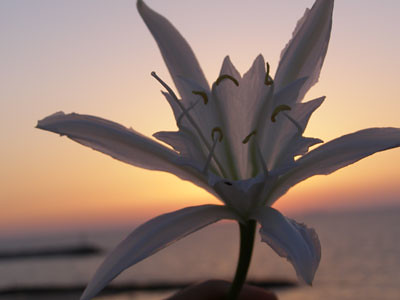
On a more on-topic for this blog notion: my spontaneous search today for a dragon-related plants (preferably aromatic) did not yield anything of interest besides what I already knew about... There is the obvious - 9 bend dragon red tea (probably not the only dragon-inspired tea in China though!) which I've tasted and reported about earlier. But I'm speaking of dragon's blood (the resin of the plant pictured above), which is blood-red, and is used in incense more than in perfumery. I've used in in my Clarimonde perfume. It is associated with the planet of Mars, and is burnt in magical rituals to return a lost love. It has a scent not unlike frankincense when burnt on hot charcoal.

The other dragon-related aromatic plant is tarragon - aka estragon - which means "little dragon". It has a sweet, balsamic, anise-like scent because of the methyl chavicol content (it might remind you of exotic or Thai basil as well), but brighter and greener than aniseed or fennel, and the absolute is out of this world lovely, with buttery, lactonic aspects that are rare to find in plant extracts. I've used it in my Vetiver Racinettes and Black Licorice. And of course - the culinary uses of tarragon are quite delightful - I use it in fennel & orange tea sandwiches, in salad dressings and on fish.

Since I've been so absorbed in my botanical research of aphrodisiacs I think writing about these two in more depth will take place later. But I hope you found this very little bit inspiring and that the year will bring you only happy surprises!

Labels: , , , , ,

Sunday, January 22, 2012

Green & Black: Cardamom's Aphrodisiac Properties & Uses Explored

Cardamom is one of my favourite spices ever, being one that I’ve been exposed to from a tender age, under the name “hel” – and in this regard I’m not different than any other Middle Eastern kid who’ve been indulging in baklava in special occasions, or been tempted to take a sip of the grown-ups’ dark roasted coffee fragrant with cardamom.

What I love so much about cardamom is its complexity and versatility as it so readily lends itself to both savoury dishes, beverages, confections and desserts. My first times using it on my own initiative have been as part of my version of an aromatic vegetable stew for couscous, along with coriander seeds, cinnamon and cloves. And later on I learned how wonderful it can work in basmati rice, not to mention myriads of aromatic curries, masalas and other spice blends, and countless desserts – Oriental sweets are the obvious ones (Baclava, sahleb, sheera, gulab jamun, rice puddings and more), but also in European pastries and baked goods (carrot cake, banana bread, gingerbread, and many Scandinavian pastries, surprisingly).

So it is both with amusement and excitement when I learned that cardamom is also considered to be a “stimulating” aphrodisiac. Green cardamom (Elettaria cardamomum) is the fruit of a tropical plant related to ginger (Zingiberaceae) is picked when unripe and dried. White cardamom is simply green cardamom that have been bleached, so do avoid buying this “spice”. Black (aka wild) cardamom (Amomum costatum) and has some common traits in its aroma profile – with the camphoreous component amplified, but also with an unusual smoky and earthy note that is absent in the green variety

It is also quite different in how it can be employed in dishes, lending itself much more freely to savoury dishes such as hearty curries, soups and stews and as a component in garam masala.

Green cardamom is perfect in Middle Eastern and East Indian desserts – often paired with the flavours of rosewater, saffron, cinnamon, coconut and other nuts (Gulab jamun, Indian Halvas, Baclava, Harissa), or to top off puddings and steamed milk beverages (Sahleb, Banana Sheera). It also works wonders with ginger, nutmeg and mace in warming European pastries (gingerbread, carrot cake, banana bread, pfeffernusse and more).

And of course – it is used to flavour Turkish coffee (usually it is the only spice added) and Masala Chai, where it is blended with fresh ginger root, aniseed, fennel or star anise, black pepper and allspice berries along with Assam tea leaves.

In savoury dishes, cardamom is an essential in many spice blends, such as the Indian garam masala, and is put to use in countless Indian curries. Morocco’s famous Ras el Hanout and in the Arabic Hawayej blends. It’s best friends in savoury spice blends are coriander and cumin seeds.

Romantic Aromatic Bath with Cardamom & Rose

Transport yourself to the orient with this simple bath-time treat that is equally majestic to enjoy alone or with your lover:

Fill your bathtub with warm water, and sprinkle with one cup of epsom salts (you may also add 1/4-1/2 cup sea salt or dead sea salts if you wish). Epsom salts relax the muscles. Sea and Dead Sea salts purify and cleanse the skin.
When the bath is full, put one drop of each pure Bulgarian Rose Otto and cardamom oil or CO2 into the tub. Soak and enjoy the sweet and exotic aromas mingle and fill the air. It feels to me like a thousand petals of roses unfold and above it, the sweet exotic aroma of cardamom reminds me of eating Rahat Loukum in a Hammam (something I'm yet to experience...).

If you don't have pure rose otto or can't afford it, rose geranium oil would be a good enough substitute, although it's aroma is ever so slightly more citrusy and herbaceous. It still gets that Oriental sweets aroma when combined with cardamom though :-)


Basmati rice with cardamom & carrots
(adapted from "Moosewood Restaurant Low-Fat Favorites" - there is it called "Golden Basmati Rice" p. 185, which includes grated carrots, orange zest and 1/2 tsp each cinnamon and turmeric).

1 cup white basmati rice, soaked for 20-30 minutes, than rinsed and drained

1 onion, diced

1 Tbs. ghee (clarified butter) or grapeseed oil

Generous pinch of saffron, soaked in 1 Tbs. boiling water for 30 minutes

2 whole cardamoms, peeled and ground with mortar & pestle (they certainly taste much better when freshly ground - totally worth the extra effort - not mention, it's so much fun to pound them and inhale the fresh aroma of the seeds released into the kitchen's air!)

1/2 tsp salt (or more to taste - I recommend not using more than 1tsp per cup of rice)

1-3/4 cup boiling water

1/4 cup sliced almonds, slightly roasted on a dry cast iron pan (for about 2-3 minutes)

- Begin by soaking the rice in cold water, and the saffron in boiling water. While they are soaking, prepare the cardamom, cut the onion and have all your other ingredients handy.

- On medium heat, warm the ghee in a small (about a quart size) pot.

- Sautee the onions until golden.

- Add the rice and the cardamom, and sautee while stirring for another 2-3 minutes.

- Add boiling water, salt and the saffron (with the water!), and bring to a boil again, without the lid. Reduce the heat to low, and cover the pot. Continue cooking for another 15 minutes, or until the rice is tender.

- Remove from heat, and keep the lid on for another 10 minutes. Be sure to keep the lid closed! This is the final stage of cooking, that will ensure your rice is well cooked, but nice and fluffy (rather than sticky...).

- While the rice is steaming quietly in the pot, prepare your almonds by roasting them gently in a cast iron pan. Be sure to stir and attend to them fully, so they don't get burnt! This will take about 2-3 minutes.

- When the rice is ready, fluff it with a fork, and transfer to a serving dish. Top with the roasted sliced or slivered almonds, and enjoy with your choice of curry, dal or Middle Eastern style casserole (such as eggplants, zucchinis or ladyfingers in tomato & pepper sauce).

SmellyBlog recipes with green cardamom:
Chai No. 1

Chai No. 2


SmellyBlog recipes with black cardamom:
Babaghanoush with Black Cardamom & Pomegranate

Spiced Italian Plum Cake

Black Beauty Chocolate Truffle (infused with Lapsang Suchong and Black Cardamom)

Perfumes with Cardamom:

Épice Sauvage

Finjan

Gigi

Vetiver Racinettes

And my two One of a Kind current offerings:

Incense & Chocolate

Sandal Tree

Labels: , , , , , ,

Saturday, January 21, 2012

Aphrodisiac of the Day: Basil


Is there any herb more refreshing, simple yet intriguing than basil?

Basil (Ocimum basilicum) is a plant native to India that have spread all around Asia and Europe and is one of the most popular herbs in many cuisines - North East Asian cuisine, Thai, Vietnamese, Cambodian in Asia - and in Europe it is most popular in Italian and French cuisine.

Basil is a stimulant and an aphrodisiac. It has such an uplifting, cheerful scent and is used in aromatherapy to combat depression and anxiety (both are probably two of the most potent anti-aphrodisiacs). So if you suffer the winter blues, take advantage of the benefit of this domestic, easy to find, grow and use little herb. You can find it fresh in most supermarkets, and even better – you can get your own plant and keep it by a sunlit window (if you have a kitchen window – all the better).

In herbal medicine, ayurveda and aromatherapy, sweet basil is used for relieving headaches (including migraines), earaches, cold and flu symptoms, sinus congestion, depression, anxiety and fatigue. Its essential oil has antioxidants as well as antiviral and antimicrobial properties. It also aids in digestion and is used to treat various conditions related to the stomach. It also has a balancing effect on the nervous system and is considered an excellent nerve tonic. Sweet basil is said to have the ability to give the mind strength and clarity and as such is regarded as a useful studying-aid to assist in focus, memory and concentration.

There are many types and cultivars of basil. Generally speaking, in warmer countries, Exotic Basil - or the chemotype methyl chavicol is dominant (70-88%), resulting in a spicier, more pungent aroma that is closer to tarragon, fennel or anise in fragrance and flavour, and with the eugenol more dominant as well. In cooler countries, "Sweet Basil" or "French Basil" or else known as the linalol type (with 40-45% linalol) will still have a significant amount of methyl chavicol (over 20%) and will produce a fresher aroma that is more green and light, perceived citrusy by some (due to the limonene and citronellol molecules coming through better). Think about the difference of flavours of basil when you eat it in a Thai curry or in a pho noodle soup; versus in pesto or in Italian dishes.

Other components of basil oil include 1,8-cineole which accounts for its respiratory benefits (this is also present in eucalyptus and rosemary), and eugenol, which gives it spicy, clove-like nuances, methyl cinnamate, which gives it a robust, fruity-spicy character, reminiscent of strawberry and cinnamon in both flavour and scent, and also attracts certain insects. And the limonene (the terpene that characterizes all citrus oils and has a lemon-orange scent) and citronellol (that gives lemongrass, citronella and geranium a fruity-citrusy-rosy personality) we mentioned earlier - which give basil it's uplifting, fresh and light charm reminiscent of citrus.

Basil has interesting folklore and myths associated with it - it was considered holy, protective, seductive and even associated with evil! Here are a few examples: In India, Tulsi (Ocimum tenuiflorum, aka Holy Basil, which is a different species of basil and is a perennial shrub) is grown on its very own altar in the temples and in every home, and is worshiped and offered to deities Vishnu and Krishna. Sweet basil is added to the holy water in the Greek Orthodox church as it was believed that this plant was found on Jesus grave. African traditions believe basil to protect against scorpions; and both in Europe and India basil leaves are given to the dead to protect them on their journey and even help them to reach God (in Ancient Egypt and Greece). In Ancient Rome it was said to be the only plant that could fight the lethal gaze and fire of the Basilisk; and yet, some European tales associate it with Satan himself.

But back to our topic - there are many customs around basil and love, such as giving basil twigs as token of love in Italy and seal an engagement in Romania; presenting a pot of basil decorated with pompoms to a loved one along with a love poem on Saint John and Saint Anthony Days in Portugal; keeping basil leaves in one's pockets to ensure that their loved one will return their love forever in Mexico. But the most touching legend involving basil is in Decameron and in the poem adapted from it by John Keats titled Isabella and the Pot of Basil.

Basil essential oil happily pairs with jasmine and citrus to create very uplifting, mood enhancing, refreshing scents that act as stimulating aphrodisiac – especially if you like the scent of basil. Burn an ArbitRary candle to bring on this happy mood. Or if you have your own little collection of essential oil, a drop of each basil, lime and jasmine in a diffuser or in the bath will lift your spirit and make you feel sexy and refreshed.


RG Tests by Giuseppe Bognanni
RG Tests, a photo by Giuseppe Bognanni on Flickr.


For those of you who prefer basil only in their food – here are two recipe ideas, one savoury and one sweet. That’s right - you can use savoury herbs in desserts to create a surprising, special effect. And there is no better time than now to experiments with such innovative combinations to spice up your life and change an otherwise mundane and familiar flavour into an extraordinary affair!

Savoury Recipe: Polenta with Basil, Tomatoes & Balsamic Reduction
This simple, tried-and-true classic can be assembled in no time, and tomatoes are also an aphrodisiac, due to their bright red and curvy, suggestive shape. I like to this gluten-free alternative to bruchetta as it’s just as delicious and feels much lighter. It will literally 2 minutes to assemble, given that you have all the ingredients on hand.

Ingredients:
1 log of polenta (you can get these in most grocery stores and supermarkets – they look like a big yellow sausage), sliced about ¼” (about 1/2 cm) thick2 Roma tomatoes, sliced
1 bunch basil leaves (I usually get organic ones and don’t wash them at all, as this can take away from the flavour; if not organic – rinse and dry using a salad spinner or gently wipe dry with a towel)
Balsamic reduction
Bocconcini cheese, sliced

Top each polenta slice with a slice of bocconcini cheese. Put a tiny bit of balsamic reduction, top with tomato and garnish with a basil leaf.

I love basil in desserts - especially in the summer in a sorbetto, which can be a wonderful palate cleanser in between courses in a fancy meal. This recipe, however, is for Lime & Basil Macarons. I saw the idea first in Ottolenghi's cookbook and immediately thought it is so brilliant I have to at least bring it up here - even before I try making them myself!

Labels: ,

Friday, January 20, 2012

Aphrodisiac of the Day: Ambrette Seed

Aromatic Aphrodisiacs

Ambrette was discussed here before in other contexts, for example: in my article about vegetale musks, and how it was employed in my newest perfumed tea. Today I want to highlight its aphrodisiac qualities, and how you can use it creatively in your own kitchen (or the bedroom...).

Ambrette seed is the seeds of Abelmoschus moschatus - an evergreen shrub from the hibiscus family, with yellow flowers with purplish-pink centre. These little innocent looking seeds are the perfumer's best choice for replacing animal-musk, although admittedly, it's far more gentle, sublime and not as sharp as animal musk.

Ambrette seed has a subtle and sublime musky odour. It is warm, but not quite like what one would call "spicy" - if anything its complexity reminds me slightly of that of coriander seed, although it's not nearly as heady (coriander has citrus elements in its chemical makeup, due to molecules such as limonene; and also light woodsy floralcy from the linalol). Ambrette is also slightly floral (probably due to the farnesol content); but has a very distinct aroma of its own, hardly sharing anything with other fragrant plants I'm familiar with. Possessing wine-like, nutty and fruity aspects reminiscent of overripe fruit or even lychee (probably because of the isoambrettolide - a macrocyclic musk that has some "red fruit" or berry characteristics). It also has some palmitic acid (which gives it a "fatty" or "oily" aspect). But most importantly - it is very rich in ambrettolide, which smells like what we learned to identify as "white musk" - clean, sweet, slightly floral or even soapy, and with berry undertones as well.

Ambrette Seed (Abelmoschus moschatos)

Ambrette also has medicinal benefits as well: to ease indigestion, cramps and nervous dyspepsia, and also can be ground made into an emulsion with milk to treat itchy skin.

And of course - ambrette seed is considered an aphrodisiac, both as a perfume and incense material and also in its less known culinary uses. It is used as spice in the East, either on its own or within exotic spice blends such as Moroccan Ras El Hanout (which was originally an aphrodisiac spice blend, by the way, and often calls for animal ingredients such as Spanish Fly, ambergris or musk). Ambrette seeds are also used by Arabs to flavour coffee (much like they do with cardamom seeds). The tincture is used to flavour liquors and tobacco - although I doubt that either will do you much good as aphrodisiac agents!

For my 3rd annual aphrodisiac tea party in February 12th, 2012 I will be serving my guests ambrette seeds in the Ras El Hanout spice blend I'll create, and also will infuse them in chocolate ganache to create aphrodisiac white chocolate truffles. You may also want to think about infusing ambrette seed in warm milk alone or along with vanilla and orris - or add it to sahleb and warm puddings of that nature. They may also work wonders in semolina desserts (cookies, harissas, etc.) along with spices such as coriander, cardamom and rosewater - in which case you should grind them before use and add like you would any other spice.

It's very unlikely you will find ambrette seed in your local spice shop, so you will have to find it online. Look for shelled but whole, un-ground seeds, as the fatty and oily components inside the seeds can easily get rancid once exposed to the air, which will greatly affect the scent and aroma. It's the skin of the tiny seeds that possesses most of the aroma anyway, so grind just as much as you need for immediate use and store them whole in an airtight container and away from heat, light and moisture - where they will remain fragrant profile for years.

I adore ambrette seed as a perfume material and use it in countless of my perfumes, but most notably in Cabaret, Sahleb, Tamya, Espionage and Zangvil, where its subtle musky notes come through and greatly complement the floral, powdery and ambery notes. It's so delicate, and really brings out the best of florals. Together with the flower essences (i.e.: rose, orange blossom, jasmine and tuberose) it really transforms - similarly to ambergris - and opens up on on the skin to what is definitely what I would call an aphrodisiac.

Perfumes containing ambrette seeds calm the mind and make me feel connected to my own skin, and to me that's what aphrodisiacs should be all about. They don't necessarily need to transport you into a far away exotic land or make you feel like some mythological sex goddess or act as a non-stop viagra dispensing machine (not that one like that exists, last time I checked) - but silently turn a little key and make the necessary switch from the worries of everyday life into something more sensual and pleasing that allows for things to happen. I suspect the "trick" of ambrette seed is two-fold: the fact that it helps to ease stress and nervousness, and also its stark resemblance to human skin (it is, somewhat, reminiscent of the scent of a baby's head too!). So wear a perfume with an ambrette seed in its base, rather than a synthetic musk, and enjoy the subtle yet powerful action of true botanical aphrodisiac.

Labels: , ,

Wednesday, January 18, 2012

Sweet Anthem in Seattle - our new reatiler!

I've just received the news that 6 of my perfumes have safely crossed the border, with snow and all, and landed at Sweet Anthem in Seattle!

This unique gallery boutique is dedicated to West Coast perfumes, and carries indie brands such as Rebel and Mercury, Gabriel's Aunt, and the house's line, Sweet Anthem, by Meredith Smith who curates this fragrant gallery and also teaches workshops and classes.

Sweet Anthem is the first shop in the USA to carry my newest fragrances: Orcas and Zangvil (oh, wait, it's actually the first in the whole world besides my studio to offer Zangvil!).
visit them in person to explore the other 4 scents - Espionage, Film Noir, Roses et Chocolat and White Potion!

6021-B California Ave SW
Seattle, WA 98136 (map)
Wed-Sat, 11am-6pm

Labels: , , ,

Thursday, January 12, 2012

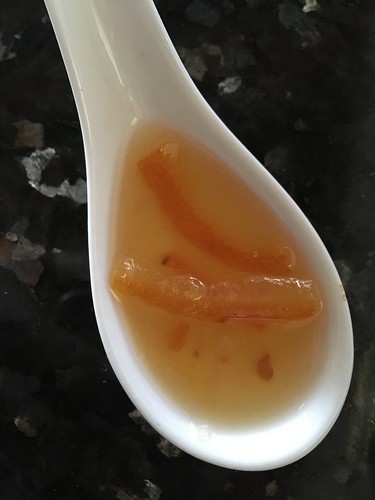
Etrog Breakthrough

Etrog
Etrog perfume has been in the making since 2008, when I started collecting tinctures of the fruit (the first batch was created for me by my dear mother). It's been a long process, which was undermined by the scarcity of the fruit, which is precisely what makes it so appealing to create a perfume for.

Shortage of supplies is the first most difficult thing in creating this perfume. The fruit is grown in two places - Calabria (Italy) and in Israel - where it has a religious significance and is grown especially for display during the holiday of Sukkot. So much so, that at single fruit (and not even a very good quality at that - we're most likely looking at fruit that has traveled by boat and whose peel is very far from being plump and fresh) - would start at $40 each.

Thankfully, in Sukkot 2008, I stumbled upon the Sukkah Mobile driven by the very kind and generous Rabbi Binyomin Bitton of Chabad Downtown in Vancouver. He not only told me where I can find citron fruit for myself, but also was happy to donate his own Etrogim at the end of the holiday for all of my perfuming needs. Of course, that year it was not possible because it was a "Shmita" year - and these etrogim were not allowed to be used for any other purpose but for displaying and praying upon during Sukkot. So I had to wait another year before receiving 4 etrogim from him and his sons. Ever since then, he saves me the Etrogim every year!

Meanwhile, there were other elements missing. Green myrtle, which I finally found the oil for. As well as citron peel oil, which I still kept looking for despite its scarcity. It finally turned up, and I have just received the shipment this week!

The oil, however, does not quite resemble the fresh fruit as I imagine it from childhood; nor the (not so fresh fruit) which one can purchase from Chabad or other synagogues in the fall before Sukkot. It does not quite do justice to the heavenly, aromatic, perfumed more than a typical citrus note would be - which resembles pineapple, flowers and is delicate and sublime (that is the best way I can describe citron's scent). It's more lemony than I would have liked it to be. Far too lemony, albeit very lively.

April snow

Thankfully, along with the same package of oils, I've also received another floral note which I was never too keen on working with but curious nevertheless: Poplar bud absolute. Pouring this scent into its bottle, it looks like melted butter, dotted with milk solids that couldn't quite melt in the heat. However, it has an aroma that is more medicinal than floral. More than anything else it reminds me of propolis (the intense smelling sticky resinous substance bees use to seal their hives with; it's also extremely valuable for its therapeutic uses:it's an antibiotic, anti microbial and anti fungal, strengthens the immune system, and is useful in treating burns as well). But it also reminds me of the white part of the citrus peel - which is exactly what I was after with the Etrog perfume. So now that my main theme oils are in (citron and myrtle - both of which are symbols of the holiday of Sukkot), and my floral heart is figured out, I think I can finally get into full swing of my perfume creation, and have it ready for you in the summer. It will be a Jewish Eau de Cologne!

Labels: , , , , ,

Wednesday, January 11, 2012

Grin Body Oil Reviewed by Beauty Huile

"...ostensibly minimalist in the bottle, but profoundly dazzling on the skin. Her experiments with melding florals with earthy anything seem to pour forth with the suggestion of some unworldly ebb & flow and energy".
Visit Beauty Huile blog to read Nav's review of my Grin Body Oil.

Labels: , , ,