Monday, April 08, 2013

Vetiver Rouge OOAK Perfume

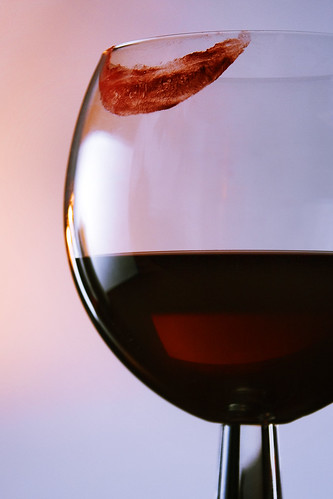
Lipstick by 96dpi
Lipstick, a photo by 96dpi on Flickr.

And while we are on the theme of red, I want to announce a new One-Of-A-Kind perfume I recently added online. Back in 2007, I was on a vetiver roll and created several vetiver-centered fragrances. Out of these, my favourite, Vetiver Racinettes, was added to my permanent collection of natural perfumes.

However, the road of vetiver was as fascinating and quirky as the finished result - 5 different mods, Wilde Vetyver, Vetiver Blanc, Vetiver Noir and a Vetiver Truffle - a solid perfume with black summer truffle oil that melds together the luxurious and the earthy. Six years later, I returned to the sketch book of the 4th in the series, Vetiver Rouge, and felt inspired to elaborate on the theme of red vetiver.

This time around, I've played with the meaning of the name, and took it to the complete opposite direction than my other vetiver scents. It is far more soft, round, sweet and feminine. While is still maintains the mysterious depth and complexity of the darkest of vetiver essences, it had the audacity and It has the red spectrum with notes that in my mind have deep reddish hues.

Complex and ambitious, the most tenacious vetiver notes from around the world are accompanied with the elusive, distinctive, intensely licorice-sweet and somewhat powdery - tarragon absolute. The red-copper tainted Ruh Khus from India is combined with a co-distillation of vetiver with Mitti attar (baked Indian earth) and juxtaposed with the earthy luxury of deep cacao liquor. Add to that a slice of juicy, raspberry-like blood orange, red rooibos red tea, geranium absolute from the tropics, red champaca absolute and exotic tomar seeds form India, and there is a concoction that is like a kiss of thick rouge and a sip of a deep red wine.

Notes: Attar Mitti, Blood Orange, Champaca, Cocoa Absolute, Davana, Geranium Absolute Ginger, Nutmeg, Rooibos (Red Tea) Ruh Khus, Tarragon Absolute, Tomar Seed, Vetiver Indonesia, Vetiver Sri-Lanka, Zantoxylum

Labels: , , , , ,

Friday, December 12, 2008

Vetiver Series Sample Package

Due to popular demand, I'm pleased to announce that the entire Vetiver Series is now available via my Etsy shop. This little gift-wrapped jewelry box contains all 4 mods that lead to Vetiver Racinettes: Vetiver Blanc, Vetiver Noir, Wilde Vetyver and Vetiver Rouge.

Thank you for your interest and support of this fascinating project!

Labels: , , , , , ,

Monday, June 16, 2008

Vetiver Racinettes - New Perfume


Ayala Moriel is proud to present a new, limited-edition perfume for summer 2008:
Vetiver Racinettes.

Vetiver is the root of a tropical grass native to India, Indonesia and Java. It is known for its calming and cooling effect on both mind and body, and is considered “The Scent of Tranqulity” in India.

Ruh Khus is wild vetiver from India distilled in the wilderness, in portable copper still. Its distinct earthy, copper-like aroma, married with the intense licorice sweetness of tarragon absolute creates an outstanding aroma never to be explored before in the realm of the vetiver perfume genre. Along with vetiver from four other countries, Vetiver Racinettes is at once earthy, sweet and cool like the aromatic roots and rootlets brewed to a bubbly rootbeer.

Vetiver Racinettes was born out of a long period of intensive study of this singular note, which really was part of a personal journey to better understanding of my own physical and emotion connection. At that time last year, I had a deep need for its therapeutic qualities and cooling effect and I have become aware of vetiver's many virtues and its particular connection to the well being of the people and the planet in present day. Vetiver is a purifying, sacred root with a woody aroma, and in many ways I feel that it takes on a similar role that was once reserved to sacred woods such as sandal and oud.

The result of my vetiver journey is a perfume that contains all of the elements that I've ever loved in the vetiver scents I've tried, as well as my own conclusions from my journey in the route of vetiver. It has the warmth of earth and firey spices and at the same time - the coolness of clay and vetiver curtains sprinkled with water; the medicinal dryness of herbs and grasses and the luxurious tenacity of woods; the sweetness of tarragon and earth with the bitterness of coffee and mud.

Vetiver Racinettes starts off warm and spicy, and will remain that way for a while when worn in a cool weather - accentuating the sweet tarragon, spice and coffee notes. However, in the heat of the summer it will quickly transform into a cooling elixir, bringing a quiet calm to one's physical and emotional existence, like drinking fresh water from a cool well, directly from the spout of a clay jar.

Top notes: Black Pepper, Fresh Ginger, Cardamom, Kaffir Lime Leaf
Heart notes: Haitian Vetiver , Nutmeg Asbolute, Coffee, Spikenard
Base notes: Ruh Khus, Indonesian Vetiver, Vetiver Bourbon, Attar Mitti, Tarragon Absolute, Cepes

Vetiver Racinettes is a limited edition fragrance that will be available throughout Summer 2008. We are currently sold out of the first batch, and the next batch will be ready on the official launch date, June 21st, is the first day of Summer. Advance orders are available through the website and will be shipped on a first-come first-serve basis, so hurry up - our batches are very small!

Vetiver Racinettes is available in 9ml parfum extrait flacon ($110), Perfumed Pendant ($150) 10ml perfume-oil roll-on bottle ($130) and 5ml perfume-oil roll-on bottle ($65).

Labels: , , , , , ,

Wednesday, May 02, 2007

Vetiver Rouge


Root Beer, originally uploaded by Just Peachy!.

My recent vetiver experiments concluded with a fourth liquid (alcohol based) perfume, which I temporarily named Vetiver Rouge. From all of my vetivers, this is the most complex and ambitious in a sense. I was trying to create a more rounded, multifaceted fragrance. Still, vetiver is the theme. But to the vetiver I added a note which I have never seen together before: the elusive, distinctive, intensely licorice-sweet yet somewhat green - Tarragon Absolute. I used again a few types of vetiver, but the most tenacious of them, the Ruh Khus and the Ruh with Attar Mitti (baked earth) dominate with their copper undertones (origininated at the traditional Indian still, which is made of copper).

This brew of myriad little sweet rootlets, a rooty beverage, reminiscent of the “Sous” (licorice roots iced tea) that the Arab merchants used to carry in tapped copper kettles on their backs alongside the sour & salty Tamarhind and (the less exciting) lemonade.

Of all my vetiver scent, this is the one I am most excited about. We’ll see where this will lead me…

* If you wish to try Vetiver Rouge, or the previous three vetiver (Vetiver Blanc, Vetiver Noir and Wilde Vetyver) samples can be obtained via email. The price is the same for all my other samples ($5.99 plus shipping). If you order all four, you will also get a free sample of the solid vetiver perfume (to be announced here tomorrow).

Labels: , , , ,

Friday, March 16, 2007

Vetiver Noir


Cuppa Coffee and Jack, originally uploaded by CaymanGirl.

One of the most original vetiver accords I’ve smelled is Black Vetyver Café by Jo Malone. I was so impressed with this imaginative combination, yet hoped the coffee note will linger longer. Given that coffee note is a heart note and not a base note dictates that it cannot last for too long on the skin. But in Black Vetyver Café it is more of a top note than a heart note and disappears really fast, leaving behind mostly woody vetyver. Therefore, I simply could not resist the temptation to try my hand at combining these two essences in their natural form – black coloured just like the dark-roasted coffee beans and vetiver oils from around the world in different proportions.

I decided to go wild with earthy vetiver varieties from India, including the co-distillation with Mitti Attar. The pungency and the earthiness and a hint of brash greenness seems to provide an interesting counter point to the coffee. And also by staying away from the “woody” I was hoping to create something different, albeit not original (Jo Malone deserves all the credit for thinking of this combination!). Indonesian vetiver adds a rough smoky touch, and the wild Indian vetiver oil (Ruh Khus) adds a sweetness that is well rounded and complex. To this I added nutmeg absolute. There is something about nutmeg absolute that just works so well with vetiver. It’s so sweet and rich (not like the oil, which is quite sharp and peppery!). It adds warmth to the sweet yet cool earthiness of vetiver. I could barely resist the temptation to sneak in a few drops of cardamom CO2, which goes so fantastically with coffee. But I don’t like to repeat myself.

I am really enjoying this vetiver mod. Perhaps it is not my favourite so far of all the three, but I feel I am getting somewhere in exploring the possibilities that vetiver has to offer. Hopefully by the end of this journey I will come up with something that I can truly call my own vetiver.

I like the complexity in this scent, even though it only has three elements: vetiver, coffee and nutmeg. It is earthy-sweet and warm, and feels rooty and almost edible without being obviously spicy or sweet. I am wondering what would happen if I chose a more mellow vetiver as a pivotal point, maybe the Sri-Lankan oil. Or add another woody element such as patchouli, or sandalwood or agarwood. Yet I think I should be trying a new mod before drawing any conclusions. In fact, I much rather keep blending vetiver-dominated scents and discovering the interaction between vetiver and other notes. It’s a fascinating study and it really should never end.

Samples of Vetiver Noir, Vetiver Blanc and Wilde Vetyver (Khus Khus) are available for you to try, you can get all three samples for $15 including shipping world wide. Just email me and let me know, or simply PayPal me and I will ship it to you immediately.

Labels: , ,

Wednesday, March 14, 2007

Vetiver Fans for Vetiver Fans


Vetiver Fan, originally uploaded by Ayala Moriel.


Marcia Elston from Samara Botane kindly sent me a lovely Vetiver Fan. This is going to be a must have for all vetiver fans, pun intended!
The fan is weaved from vetiver rootlets and surrounded by an outline of firmer branches to hold up its shape. It is recommended to use during the hot summer days after sprinkling it with water or better yet - vetiver hydrosol.

I will be taking this with me on my travel to warmer parts of the world so I can report on the effectiveness of combating heat. A real challenge.

To order your own vetiver fan, contact Marcia.

Labels: , , ,

Saturday, March 10, 2007

Khus Khus (Wilde Vetyver)


putting down roots, originally uploaded by Splat Worldwide.

In my second mod of vetiver I wanted to focus on the unique Ruh Khus, a traditional East Indian distillation of wild vetiver. The note is challenging for the uninitiated-Khus-Khus-nose. As I mentioned earlier, this distillation in copper alembics makes for a very unusual note, not just because of the raw, earthy tone of the root itself, grown in Indian soil, but also because some of the copper remains in the oil and adds colour as well as olfactory residues.

I wanted to go wild all the way with the Ruh Khus, and bring out its characteristics by adding two additional oils that are quite unusual as well: Attar Mitt, which is a distillation of baked Indian earth into sandalwood oil, and also a co-distillation of both vetiver and Mitti (earth). All three oils, Ruh Khus, Attar Mitti and the co-distillation of Indian vetiver and baked earth make for a genuinely earthy olfactory experience.

To balance some of the sharpness from the copper tones of the Ruh Khus I also added a bit of the milder varieties of vetiver in my possession: the woody vetiver from Sri Lanka, and the sweet & tart Haitian vetiver. I also used a bit of the Indonesian vetiver to add body and intensity, and balanced it all out with a tad of Peru balsam, for a rounding, smooth sweetness.

The result was at first alarmingly earthy, but it mellowed with time. Last week I sensed in the mid-top notes a certain aromatic green sweetness that made me recall the unusual scent of unripe guavas. This has subsided a week later (and about 4 weeks after maturing the mod), and now presents a new olfactory resemblance to freshly uprooted root-vegetables, particularly garden carrots, dug out of the garden in a cold winter day and eaten by the enthusiastic gardener after rubbing in the wet grass – which inevitably means that some dirt is consumed along with the crispy sweet vegetable.

The dry down is indeed showcasing the natural, earthy complexity and simple harmony of Ruh Khus. The connection to earth cannot be portrayed in a more immediate way than these particular essences. Once you delve into it, I hope you will understand why it is called “The Oil of Tranquility” in India.

Samples of Wilde Vetyver (Khus Khus) are available for $8 including shipping internationally. You may also order

Labels: , , , ,

Saturday, March 03, 2007

Vetiver Blanc


dear aga,, originally uploaded by _kasia_.

Starting with a blank sheet of paper… Focusing just on vetiver, the very basics, with the barest additions possible. I prefer to name mods with a real name, this way they have a certain personality and existence. I also find numbers utterly confusing when used as a labeling method. They are great for showing chronology, but terrible for helping me to recall which one was my favourite…

My first attempt was to create a vetiver that would be clean and woody, and almost simplistic. As a pivotal point I chose a vetiver that I was not so familiar with: the vetiver from Sri Lanka. As I mentioned earlier, it has a far more woody aroma, a softer presence. I paired it with very few other essences: bits of other vetiver oils (Haitian and Indonesian), and besides this, nutmeg absolute and fresh ginger oil. The fresh yet warm presence of the spices is very subtle, and fades out very quickly, leving a trail of very woody vetiver, almost like sandalwood and powdery sawdust…

If you want to try Vetiver Blanc, email me and I will make sample sizes available for purchasing via PayPal (the price is $8 including shipping worldwide).

Next Saturday you will hear about my following vetiver mod: Wilde Vetyver.

Labels: , ,

Vetiver Mods

I told you earlier about my new fascination with vetiver. And I promised I will let you in on bits of my process for making a vetiver “soliflore” – well, that would be a single note, not a single “floral” literally, because vetiver is a root. Not a flower. I am not sure where this vetiver adventure is going to lead me. I am hoping to discover new things about vetiver, as well as new and exciting combinations that will go with the different varieties at my disposal. I may launch a perfume that is all about vetiver, or I may not. This is an experiment and a study of vetiver made public on this blog, and I hope you will enjoy your ride with me here.

What I do know is that I will publish here on my blog my notes and thought and descriptions of my different mods, and if you are curious to try, I will make sample sizes available for purchasing upon request (the price is $8 including shipping worldwide). It will be like an open-ended dialog about vetiver, and you will witness some of the process here on SmellyBlog.

Another thing that I would like to do during this vetiver marathon, is take a moment to observe some of my olfactory relationship with vetiver, as well as some particular ways I utilized it in some of my perfumes. I think this will provide an interesting insight into the versatility of vetiver and how it can contribute to perfumes that are very very different from one another. But this has nothing to do with the mods for vetiver, so let's begin in the beginning: Vetiver Blanc.

Labels: , , ,

Thursday, March 01, 2007

Back to the Roots


Vetiver Roots 03, originally uploaded by Ayala Moriel.

Yesterday I got my shipment from Penn Herbs, including dried, chopped Vetiver roots. The main objective of the order was to tincture dried deer tongue leaves for the rich coumarin sweetness for another project I am working on (which you will hear about very soon!). I glanced through the website and spotted vetiver roots, and added them to the shopping basket with no hesitation.

What I found when I opened the ziplock bag is the incredible richness of the full plant roots – cleaned from the soil, of course, and with an earthy, grassy, bittersweet scent, and that familiar dry woven basket aroma. All I could do is chug the ziplock with my nostrils, and suck in all the fragrant air. I want to do so many things with those magical roots – put them in a pillow for easy inhale around bedtime, make a bathing sponge out of them (don’t ask me how, because I haven’t figured it out), grind it into body scrubs – you name it.

Penn Herbs labels this as a stimulating tonic, and recommends to drink it as a tisan (1 cup of boiling water to ½ or 1 tsp. of the dried roots, steep for 4-7 minutes and drink as is or with honey and/or lemon), and counter indicates it for pregnant women.

Labels: , , , , , ,

Monday, February 26, 2007

Oil Bath with Coconut and Vetiver


S.P.L.A.S.H, originally uploaded by Nidriel.

Following the previous line of thought about vetiver and its healing properties, I decided to treat myself to an oil bath this evening. Unlike a "bath oil" this is actually bathing in oil, with no water at first. It is a special ritual you can do for yourself on a daily basis or as often as you wish. Paying attention to every part of your body and self-massaging with the oil to smooth out pains and strains and release tension can make all the difference in how you feel. Aside from nourishing your skin with the rich, nutritious oil, you will be taking care of each and every part of your body, making sure it gets positive attention.

Most of us avoid self-massaging and leave it either to the "professional" (which we usually see only when we are already in real trouble), or wait patiently for our significant other to come around and find the moment to treat us to one. This is where the biggest advantage of self-massaging lies: you can give it to yourself as often as you want and as long as you want!
Although there is the obvious disadvantage of not being able to reach all body parts in an equal ease and apply the same amount of pressure, you will still find self massaging to be quite special and beneficial because you know your body best and you know what places need more attention than others.

For the Oil Bath:

Simply fill a small bowl with three tablespoons of organic virgin coconut oil, (this evening, mine had the consistency of smooth icing). Coconut oil liquefies in warm temperatures and solidifies in cool temperatures. The only time I've seen it clear and mobile was when I heated it gently on the stove, but that's because I live in Vancouver; If you live in a warmer climate, your coconut oil might be completely liquid.

Add two drops of vetiver oil, either wild crafted or or organic. I used my wild Haitian vetiver, which is my favourite for its completely inoffensive qualities - it is sheer pleasure. In aromatherapy, I learned, more is less; I recommend not using more than three drops for this ritual of self-healing. The therapeutic qualities of the oil will be more effective when it is used in the smallest doses possible. High doses may be counter-productive, especially when applied on large areas of the skin.

Stand or sit in the bath, and scoop large dollops of the semi-solid oil with your fingers. If the oil is liquified, just dip your fingers in it as needed. Massage onto your body, starting with the head and the shoulders, smoothing out rough corners and focusing on areas that need attention. Move from head and shoulders downwards to your lower back and legs. Don't forget to apply oil and massage your arms as well - they will be working hard all this time. Once your entire body is oiled and lubricated, you can use a gentler touch, trying to push out gently any excessive stress that may still remain behind, directing it outwards of your body. You may also gently massage your face - forehead, cheeks, chin - with whatever oil is left on your fingers (you won't need to oil your face like the rest of the body...

When you are finished, fill the bath with warm water and relax. You may choose to either wash the coconut with soap, or you may leave it on your skin. You skin will remai soft and nourished, and with a gentle yet very noticeable scent of coconut and just the slightest hint of wood from the vetiver.


Labels: , , , , , ,

Vetiver in Ayurvedic Medicine and Aromatherapy

It would not be doing vetiver justice to mention it without taking into consideration its therapeutic properties and the long history of healing trailing behind this note. Vetiver is highly esteemed in the ancient Ayurvedic medicine. It also has many uses in modern Aromatherapy practices.

In Aurveda, vetiver is considered cooling to Pitta (the dosha which is made of fire and water). A vetiver paste may be applied to the skin in order to reduce fevers and cool the body. A self-massage in the morning with the cooling oil of vetiver root in a base of coconut oil (also considered cooling oil) is recommended for balancing the Pitta, and in general, for individuals with Pitta is their dominant dosha.

Vetiver is also esteemed for its pacifying powers to the Vata (the dosha of air and ether). Its actions are considered to bring calm and comfort to the mind. The relaxing aroma of vetiver helps to cope with stress, deepen concentration and acts as a rejuvenating tonic to the nervous system.


Small amount of vetiver oil can be applied to the oil used in Shirodhara – anointing of the “third eye” with a steady, delicate stream of warm sesame oil to the forehead. This oil can be scented or unscented, depending on the purpose of the Shiodhara to the specific individual.

Other ayurvedic uses of vetiver:
- In lotions for women to enhance the breasts, as vetiver is considered to have gentle estrogen-like qualities
- Soothing the muscels after physical strain.
- Treatment of rheumatic pain
- Prevent stretch marks in pregnancy, also a good anti-aging agent for the skin, because of its skin-regneration powers.
- The vetiver plant also seems to have a healing role in the environment, as it has the ability to absorb toxins and therefore purify the environment – the earth and the water – from pollutants.


dewsandwaves.com, originally uploaded by dewsandwaves.

In modern aromatherapy, vetiver is valued for its ability to treat various conditions of the nervous system, skin, muscles, joints and circulation as well as promoting emotional balance. The terpenes in vetiver act as a tonic and an astringent to the nervous system.

Vetiver is calming, grounding, protective, sedative, soothing, toning and uplifting. Vetiver stimulates the circulation and the production of red corpuscles.

The Nervous System and Balancing Emotions: Vetiver is particularly valuable in treating conditions such as insomnia, nervous tension and stress, nervous exhaustion and fatigue, as well as depression. Use several drops in a bath before bed time if you are experience insomnia. A massage with vetiver-scented oil can alleviate stress and bring a feeling of well-being and tranquility.

Circulation, Muscles and Joints: It also helps to relieve rheumatic and muscular pain and stiffness of the muscles and joints, as well as arthritis.

Skin care: Vetiver is also an antiseptic, and can be used in aromatherapy skin products and preparations to treat conditions such as acne, cuts, wounds and sores, and also helps to reduce oiliness of both scalp and skin.

References:
Julia Lawless, Encyclopedia of Essential Oils
Julia Lawless, Aromatherapy and the Mind
Valerie Ann Worwood, The Complete Book of Essential Oils & Aromatherapy
Victoria H. Edward, The Aromatherapy Companion
Jeanne Rose, The Aromatherapy Book

Labels: , , , , , ,

Thursday, February 22, 2007

Decoding Obscure Notes Part VII: Vetiver - Earthy? Woody? Green?


In my series “Decoding Obscure Notes” I try to shed light on some notes that have a confused identity or such vague characteristics that they truly required some more explanation.

Vetiver is not quite an obscure note, but there is a lot to be learned and explored in the realm of vetiver. The reason I decided to add it to the series after all is three-fold:
1) Vetiver varieties differ so vastly between each other that the identity or characteristics of “what vetiver truly is” is a bit vague and open to interpretation. Is vetiver a woody note? Is it earthy?
2) Vetiver has been treated in myriads of ways as a soliflore, to the point that I suspect it is a bit misleading. Particularly for consumers who haven’t experienced an authentic vetiver oil. When we look at the different “vetiver soliflores” offered, the source of the confusion and lack of clarity is evident. I am hoping that in the vetiver perfume reviews that will be posted over the next while some of these mysteries will unveil themselves to you.
3) Vetiver as a note is classified in may different ways that can also be quite confusing: it is most often described as “woody” even though it is not a “wood” at all. In other instances it is described as “earthy”, and more recently I have encountered reference to vetiver as being “green”.

Can vetiver be actually be so many things at once?
Let’s try to find out!

So let’s start from the beginning:

WHAT IS VETIVER?
Vetiver (Vetiveria zizanoides) is a tropical grass originated in India. It is relative to other tropical grasses such as lemongrass, palmarosa, nagramotha (aka cyperus – not cypress!) and citronella.

Vetiver is now cultivated in many tropical countries in Asia, Africa, Brazil and other places. The best, or the most popular vetiver oils come from Haiti, India, Indonesia, the Bourbon Islands, Sri Lanka and Java.

Unlike most grasses, vetiver roots grow inwards, rather than expand to the sides. The root is quite large and can reach very deep (up to 2-4 meters!) into the ground. This root structure as well as the manner in which vetiver multiplies make it very easy to control (as opposed to most grasses, which pretty much take over any earth-space they inhabit, ever expanding and multiplyin, and very difficult to control!). This makes vetiver an excellent plant to combat erosion in the tropical climates where it grows. Vetiver is cultivated to protect rice puddles and keep the soil in place despite of the monsoons, without harming the agricultural species.


OTHER USES FOR VETIVER
We mentioned the role of vetiver in preventing erosion. Vetiver has other uses which make it very popular world wide. The plant has a cooling effect in traditional East Indian medicine and folklore, and is considred to be “The Oil of Tranquility” in India, where most of the local vetiver, particularly the “Ruh Khus” (copper distillation of wild vetiver).

Vetiver is also used to cool off in the hot tropical climate. Blinds of vetiver are dampened in the heat, and the cool scent comes in to the house with the breeze. The dried roots are alsoused in pot pourris. Vetiver hydrosol is used in sharbats (cool drinks) and sweets too (I never tried these yet, but I am determined to do so!).

Vetiver is also used for many other useful purposes: the straw is used in the construction of huts in Africa, and the roots are used as a fuel; The rootlets are used to protect domestic animals from vermin, and the essential oil is used to protect cotton and linen from moth, much like patchouli. Sachets of the rootless can be placed in drawers for the same purpose, and are also hang inside Russian fur coats for protection from insects. Beside their cooling effect and the lovely scent they release, the window screens mentioned above, woven from vetiver roots also help to keep bugs and insects ou of the house. Essential oil of vetiver is added to vegetable preserves, particularly asparagus. To find out more click on this informative link.

HOW IS VETIVER PROCESSED FOR PERFUMERY USE?
Vetiver essential oil is steam distilled from the root of the plant, and is the main type of essence used in perfumery. I am not aware of any other essences (i.e.: absolute or concrete) produced for perfumery use. The root is quite large and can reach very deep (up to 2-4 meters!) into the ground. The yield of oil is quite high as well and so vetiver is one of the more economic building blocks.

The distillation process involves uprooting the plants, washing them from the dirt, than drying them for an extended amount of time. Before distillation they are soaked in water again. After distillation the oil is left to mature several months before being marketed and used. It is quite a process - yet because the yield is large (and the plant matter comes in large doses) it makes it quite an affordable oil, comparing to, for instance, orris root - which also requires a similar process of maturing. Orris, in contrary, is prohibitively expensive.

WHAT DOES VETIVER SMELL LIKE?
Depending on the country of origin, different vetiver oil varieties smell completely different. They represent in many ways the soil they are coming from, and this makes the different distillations (from different origins) quite unique. Some are darker and earthier, some are lighter and almost citrusy, some are smoky, some resemble wood, etc. What all vetiver oils have in common is the presence of vetiverol, which gives them their common sweetness and woody, rooty characteristics. Other principle constituents of vetiver oil are vitivone and terpenes such as vetivenes (based on Julie Lawless' The Encyclopedia of Essential Oils.

I have recently became particularly curious about vetiver and have collected a few interesting specimens from around the world. There are still many vetiver distillations which I’ve never smelled. The following will give you some idea of how vastly different vetivers are from one another, and perhaps lure you into the world of soil, wood and greenery that vetiver evokes so whole heartedly.

Indonesian Vetiver
This was the first vetiver I’ve encountered and I am reluctant to say I was quite repulsed by it in the first place. It reminded me of the dark, yeasty Marmite spread (click here if you are not familiar with this curious British condiment). I quickly learned that it was a very valuable note, even from this less-than-perfect distillation, although it still to this day creates a strange sensation in me when I smell it within a composition, as if it is stuck in my throat (perhaps a Marmite reminder – a spread I have never quite got accustomed to despite the recurrent efforts of my parents, who spent the best years of their youth eating it while studying in the UK). This vetiver could be described as earthy and perhaps a tad smoky and woody and quite musky. It goes very well within herbal as well as floral compositions, but one needs to be cautious as to how much is used, as this is quite a tenacioius variety. I recently acquired an Indonesian vetiver that is finer, but from a different manufacturer, and it still had almost the same characteristics, yet a tad mellower. I like using the Indonesian vetiver where its harsh qualities will be most useful: in leather and chypre compositions. There, paired by equally tenacious aromas it will add to the mix rather than overwhelm with its presence.

Haitian Vetiver
This is the vetiver that made me fall in love with vetiver as a building block. Up until than, I thought it was only chemicals that made commercial vetivers smell so fresh and lemony. I presume that this vetiver is the variety most suitable for fresh, clean, almost “green” vetiver colognes. It is ethereal and sublime, light and almost airy - and smells almost citrusy on its own, but not quite. The variety I have is of wild vetiver from Haiti. If I had to pick only one vetiver to use, this would be it. I also tried another variety (not the wild one), which is similar only with a top note reminiscent of Jerusalem Artichokes - very rooty and earth-invoking, yet somewhat heady and sweet; and with a body note that is quite woody and reminiscent of Amyris (aka West Inidian Sandalwood).

Vetiver Bourbon
My personal second favourite (even though it is considered finer than Haitian vetiver, right next to vetiver from Java – both of which are extremely rare to come across), this vetiver is still very smooth, but warmer, rounded and just a touch smoky.

Sri-Lankan Vetiver
This vetiver is so different I almost didn’t believe it was vetiver. Now, talking about woody… This one has almost no trace of earth. It smells like wood – driftwood to be precise – and you’ll almost think it is some kind of a fake sandalwood. I use this variety when I am looking for a woody note, without the need for a recognizable vetiver note. It is particularly marvelous with florals, lending a rich, deep woody fixative but still letting the florals stay at the centre of the stage.

Madagascan Vetiver
I haven't worked much with this variety, but I do have a sample of an organic oil from Madagascar. It is closest to the Haitian vetiver, only woodier and with a certain floralcy to it. It's not as smooth and woody as the Sri Lankan vetiver, but it has the typical underlining clean/earthy/sweet that makes vetivers so charming.

Indian Vetiver
Indian vetiver is the most earthy and rich of all the vetiver I’ve smelled. I would like to mention to particularly interesting specimens I have recently got from White Lotus Aromatics. Christopher McMahon, the proprietor, is a self-confessed vetiver connoisseur, and I think I got infected by his passion – which is quite understandable: there is something utterly intimate about getting in touch with the roots of foreign countries. Vetiver roots being fully enveloped in earth for the longest time, soak many of the qualities of the land they come from. This makes for a very interesting experience of visiting far away countries with a simple uncorking of a vial…

Inidian Vetiver co-distilled with Mitti (Baked Earth)
As if Indian vetiver wasn’t earthy enough to begin with, this artisan distillation marries the essence of vetiver with that of baked Indian earth. What does it smell like? You guessed it: dirt.

Ruh Khus (Wild Indian Vetiver)
While all the other vetiver oils I mentioned earlier are in different shades of amber, Ruh Khus is a dark blue-green. The reason is simple: this oil is distilled in the traditional Indian way, in copper vessels. The copper lends its unique colour of oxidation (turquoise) to the oil, as well as a tinge of metallic aroma. Copper vessels are relatively light and the Indian perfumers have the custom to travel with them to the place of harvest, to gather the plants and distill them on the spot. This flexibility is highly important for the traditional Indian perfumers, because this way they can easily travel from place to place and distill rare essences in remote places – as opposed to importing the raw harvest to a remote atelier, by which time the essences will be either gone or spoiled.

There are two more interesting vetiver varieties that I am interested in trying, and I will add them later to SmellyBlog once I’ve obtained and evaluated them. I am curiosu to explore more distillations of vetiver from around Madagascar - Reunion, Comoro and the Bourbon islands, and also of South African Vetiver.


VETIVER’S ROLE IN PERFUMERY
The versatility of vetiver as well as its wide availability, reasonable price and high yield of essential oil make it an extremely valuable note in the perfumer’s palette. Whether if you are looking for a fixative for a floral bouquet; a woody nuance in an incense, oriental or chypre scent – or if you simply wanting to go all the way with the earthy characteristic of this abundant root – vetiver proves to do its job and do it well.

Vetiver is said to be used in about 36% of perfumes today. I anticipate that now, with the decline of the use of oakmoss, vetiver demand will be increasing (until it is going to be listed for an IFRA embargo like most valuable natural essences; I hope to be proven wrong in that matter).

MY PERSONAL DISCOVERY OF VETIVER
As first I was quite repulsed by it personally. The variety I first came across smelled an awful lot like marmite, as I mentioned above.
What made me more drawn to vetiver was the perfume Mitsouko. I first found it to be very dry (a characteristic that the vetiver highly amplifies). But after I worn it a few times, carefully observing its metamorphosis over time, the peculiar scent of vetiver has captured my heart: being at once dry, woody, earthy, clean and sweet. It sounds like an impossible combination, but that is what vetiver is to me.

My favourite is the Haitian vetiver. It has a very clean, cool scent, and feels light - almsot citrusy. The vetiver in Guerlain's Vetiver smells a lot like it.

I am currently so intrigued by vetiver that I am determined to create my first non-floral soliflore with the theme of vetiver. I am hoping to share the phases and ideas of development here on SmellyBlog, as well as share the scent with you as it evolves and takes shape.

RECOMMENDED PERFUMES WITH RECOGNIZABLE VETIVER NOTE
Agent Provocateur
Black Vetiver Cafe (Jo Malone)
Megumi (Ayala Moriel)
Mitsouko (Guerlain)
No. 5 (Chanel)
No. 19 (Chanel)
Sabotage (Ayala Moriel)
Sycomore (Chanel)
Turtle Vetiver (LesNez)
Vetiver (Guerlain)
Vetiver Extraordinaire (Frederic Malle)
Vetiver Racinettes (Ayala Moriel)
Vetiver Tonka (Hermes)
Vetiveru (Commes de Garcons)
Some of these perfumes and a few more will be reviewed over the next few weeks as part of a "Vetiver Marathon".
You can also find reviews for these Vetiver titled perfumes, though in my opinion they are not good representatives of the note (yet interesting perfumes on their own rights):
Vetiver 46 (Le Labo)
Vetiver (Lorenzo Villoresi)
Vétiver Oriental (Serge Lutens)

* If you have a favourite vetiver that you'd like to see reviewed on SmellyBlog and does not appear on the above list, please let me know. I will do my best to review it if I can find it in Vancouver (or if you are willing to send a sample). The above are vetivers that I tried and liked and have access to.

SUMMARY
To make a long story short – I will try to answer the question posed in the title of this essay: Is vetiver earthy, woody or green?
The answer is, of course, “all of the above”.
Some varieties are earthy (particularly the Indian and Indonesian distillation), which makes particular sense, considering the fact that vetiver is a root covered a few meters deep in soil.
Some are woody (the Sri Lankan vetiver exemplifies that) which should’t be such a shock if recalling that patchouli oil, distilled form leaves of a plant from the mint family, is also considered woody (as well as earthy).
And some vetivers are considered green (such as the Haitian Vetiver variety), as if they were some leaves or grass – which actually is exactly what vetiver is! For whatever reason, some varieties amplify the grassy or green characteristics more than others.

The quality of vetiver all depends on the soil in which it originated from, as it soaks up many characteristics of the earth.
Vetiver is a very important perfume material, and is used in more than third of the perfumes today, and in all fragrance families.

References ("Real Book" Bibliography, besides the links sited above):
Perfume and Flavour Materials of Natural Origin by Stephen Arctander
The Encyclopedia of Essential Oils by Julia Lawless
Aromatherapy and the Mind by Julia Lawless

Labels: , ,