Thursday, July 11, 2019

Neriko Collection

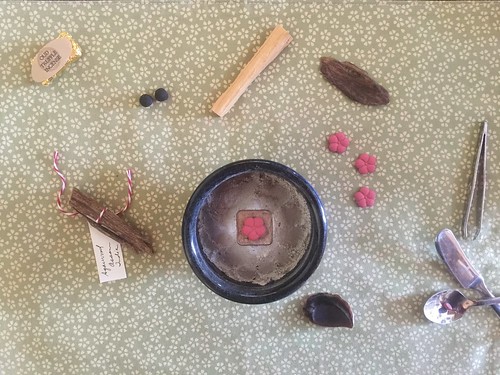
Hanami Nerikoh
Nerikoh is a traditional Japanese kneaded incense that is hardly known in the West. Neriko is unique in its aroma and method of burning. The aroma develops because of its intensive and laborious process that is required for its creation: Precious woods, herbs and spices are finely ground and bound together with honey and dried fruit, then rolled into tiny balls. Probably this method was first used to compound edible and less foul-tasting medicines, before capsules were invented. But the most lengthy part of the process is the aging of nerikoh: they are left to ferment underground in a clay vessel for several months or even years.

Nerikoh incense is not meant to be burnt, but rather warmed in traditional Koh-Doh cup, or for more convieneinct and accessible technique - place on top of an electric incense heater or aromatherapy lamp/diffuser. You'll only need a tiny pinch of each ball to scent a room for hours on end, releasing  gentle yet enveloping and exotic aroma.

In Japan, Nerikoh is most typically burnt during the tea ceremony because they are a refined and smoke-free form of incense and beautifully complement this occasion. The scents are generally most suitable for fall, when their warm, spicy and honeyed aroma.

I am thrilled to share with you the following kneaded incense creations. I've been playing with shaping my nerikoh into seasonally-appropriate shapes such as leaves, sakura and seashells, but this process takes f o r e v e r -  so keep in mind most of them are rolled into balls the traditional way.
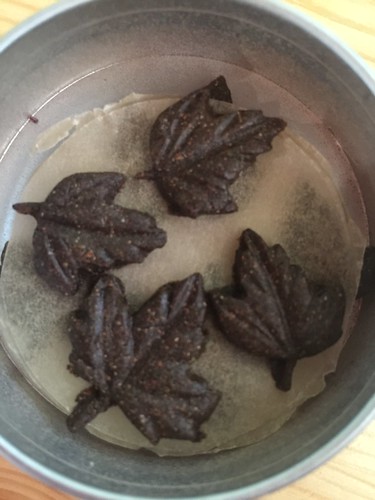
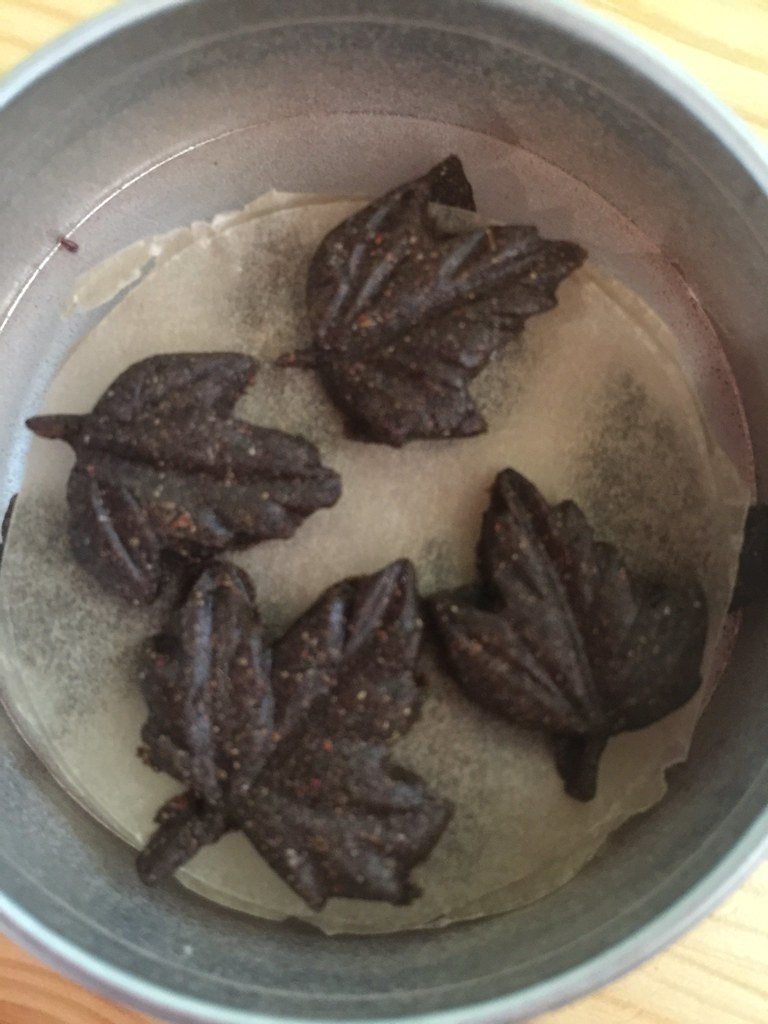
Autumn Leaves Nerikoh
Precious woods, spices and moss in a base of organic, uncultured apricots and wild honey.
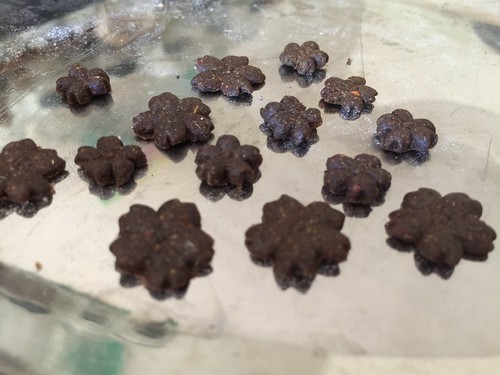
Hanami Nerikoh
Hanami Nerikoh
Delicate woods, iris, botanical musks and precious woods kneaded together with honey and apricots produce a unique floral-almond aroma that evoke the season of sakura and ume (Japanese plum) blossoms.
Ras El Hanout Incense, Three Ways
Oasis Nerikoh
Exotic Ras El Hanout spices and precious resins blneded with dates and wild summer honey to evoke the era of the spice caravans camping in a desert oasis.
Fireflies (Summer Neriko)
Dragonfly (Summer) Nerikoh
Classical Japanese scent evoking the ephemeral moment of a blue dragonfly touching the water in a temple's garden pond on a hot summer day. Borneol camphor creates the feel of shimmering light on the dragonfly's wings and the calm water.

Handful of Nerikoh
Saturn Nerikoh
Sophisticated planetary incense that is deep with dark myrrh resin, cedar, cypress, patchouli, cassia, vetiver, agarwood and a touch of honey to balance its heaviness.
Burn on Saturdays, or when you require grounding, material wealth, support as well as discipline to achieve your goals.

Labels: , , , , , , , , , ,

Monday, April 29, 2019

Autumn Leaves Nerikoh

Autumn Leaves Nerikoh
Incense is occupying my mind a lot these days, as well as most of my creative endeavours. I'm working on different techniques, and also adaptations of some of my perfumes into incense form. The Japanese art of incense is poetic and technically versatile in a way that sparks my imagination.

Today I've tried my hand at crafting Nerikoh (kneaded incense) using dried fruit instead of honey. I notice apricot used in several of the Nerikoh offerings from Shoyeido, so I decided to give it a try. It seemed especially befitting for an adaptation of Autumn perfume that I wanted to make. It's akin to translating an idea from perfume into incense format.
Autumn Leaves Nerikoh
Autumn was a perfect candidate, as Nerikoh is traditionally used in tea ceremonies in the fall season.  Additionally, it being a Chypre Fruity with spicy notes and labdanum gave it an extra advantage over most of my other perfumes. Labdanum is one of the classic notes in Japanese Neirkoh, and along with the sticky dried apricot fruit, that would have been a great way to bring both worlds together. Other traditional incense materials are sandalwood, cinnamon and cloves, which are also in the perfume. Of course it has some oakmoss too! An early burn over a tea light smells promising already. Sweet yet earthy, complex yet brings on a feeling of serenity of fallen leaves. I even went as far as molding some into maple leaf shapes. And now I regret not doing it with the rest. The experiment seems to have gone well, so there will be more shaped incense pellets to come.  I just have to be sure they don't get suck inside the mold or break once they dried, before meticulously shaping an entire batch. And then there is also the question of packaging...

The Autumn Leaves Nerikoh won't be ready till fall, as they need at least six months to cure or age - and this is a shortcut: traditionally they will be buried in the ground in a clay vessel for 3-4 years! That means they will be ready around Halloween. I can't wait to smell them then, when the temperatures here will finally become cooler again after a long summer.

Labels: , , , , , , ,

Monday, February 18, 2019

Ras El Hanout Incense, Three Ways

Ras El Hanout Incense, Three Ways
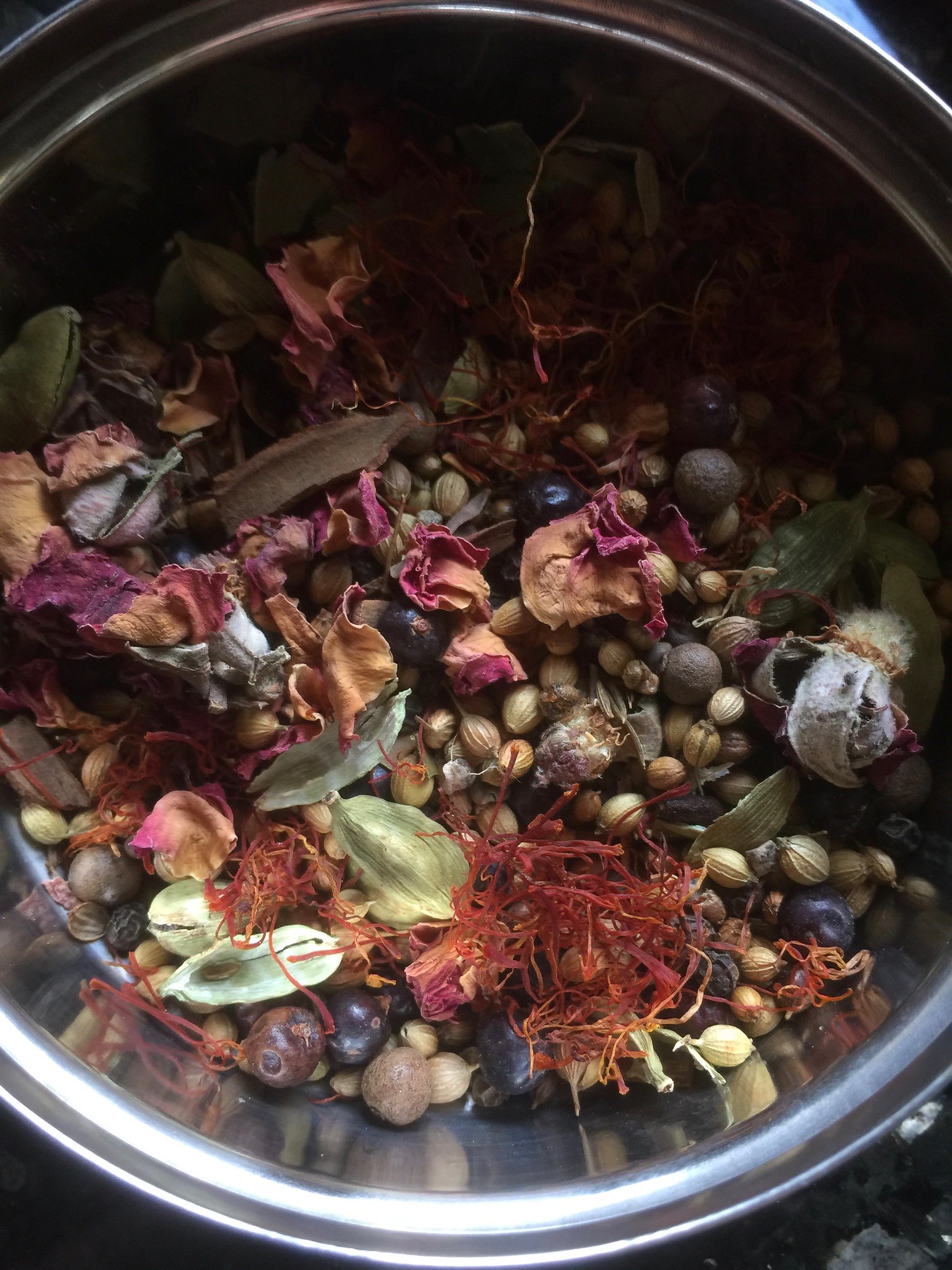
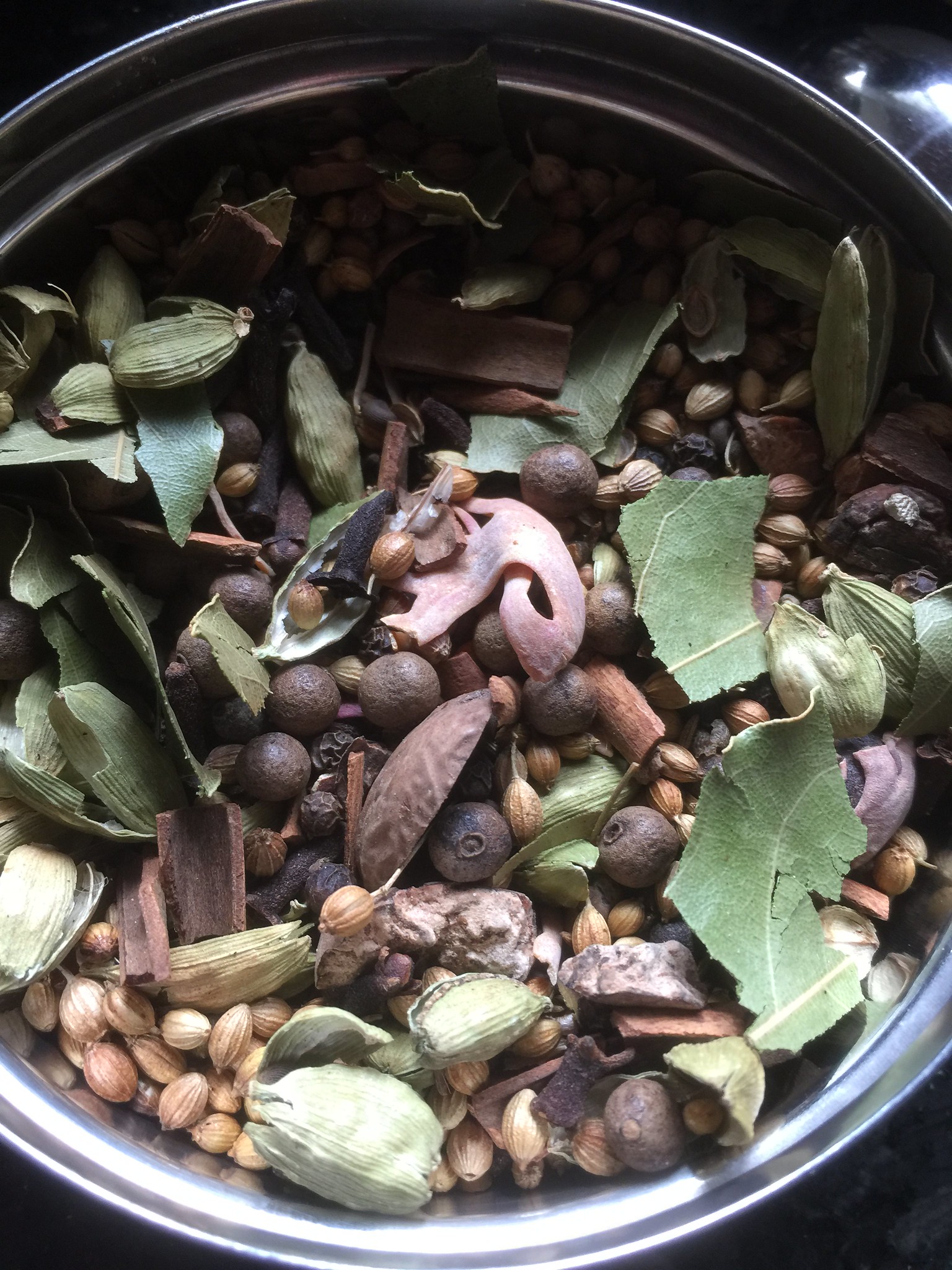
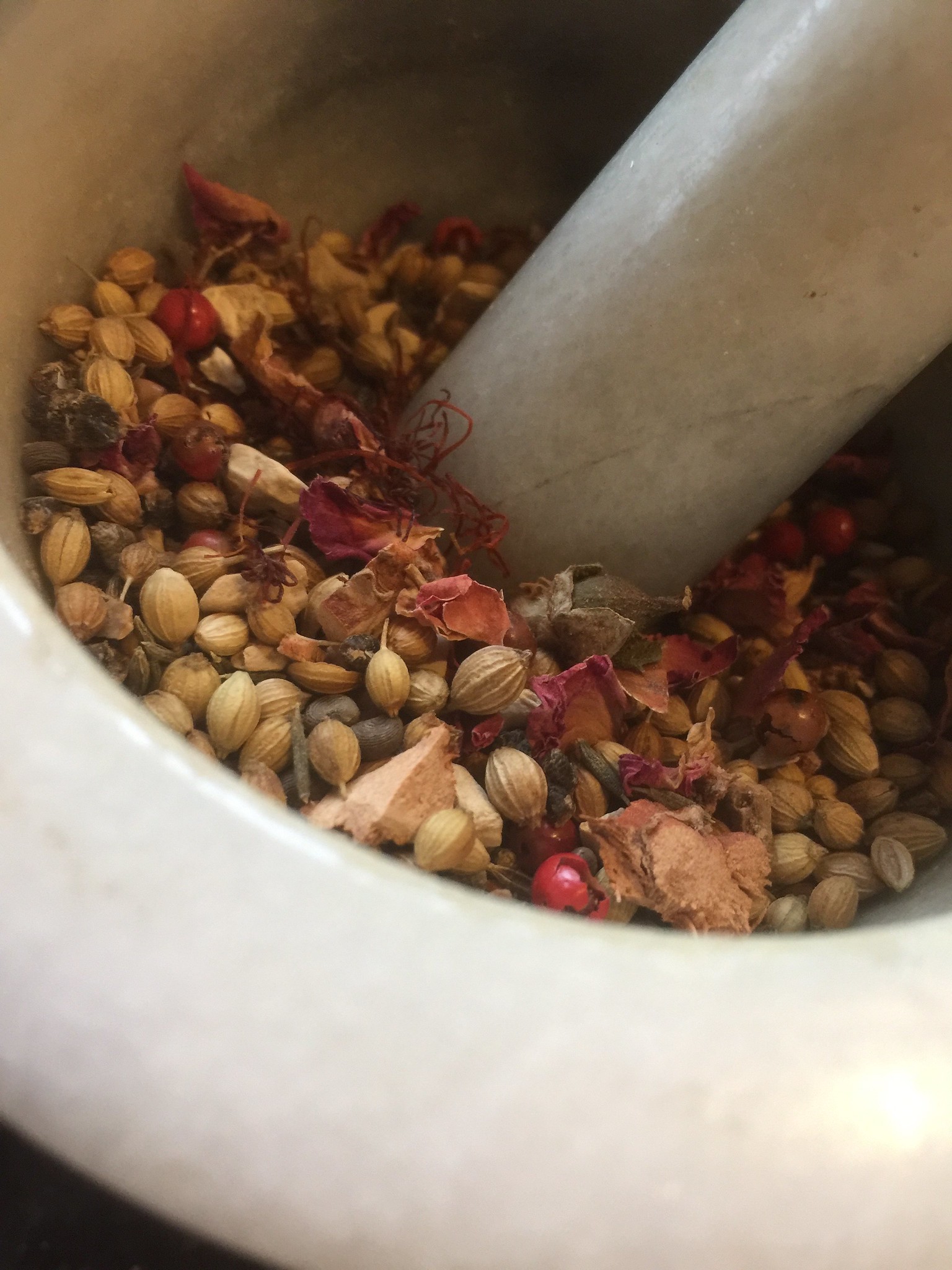
I ran out of my Ras El Hanout mixture (which I always make myself, using very peculiar spices from my overflowing spice rack). You can see some of them in the images below (how many of them can you guess?).
Ras El Hanout

Ras El Hanout

Ras El Hanout
Most of the grinding is done the old fashioned way using mortar and pestle, as it should be. I believe it is a more direct connection to the material because this way I can smell them as I crrrrrrrush them! Whatever I'm unable to grind fine enough, I will pass on to the electric grinder. I kept most of it for my cooking (nothing beats a homemade couscous topped with a homemade couscous stew spiced with my very own Ras El Hanout!). But some I just felt compelled to burn as incense.
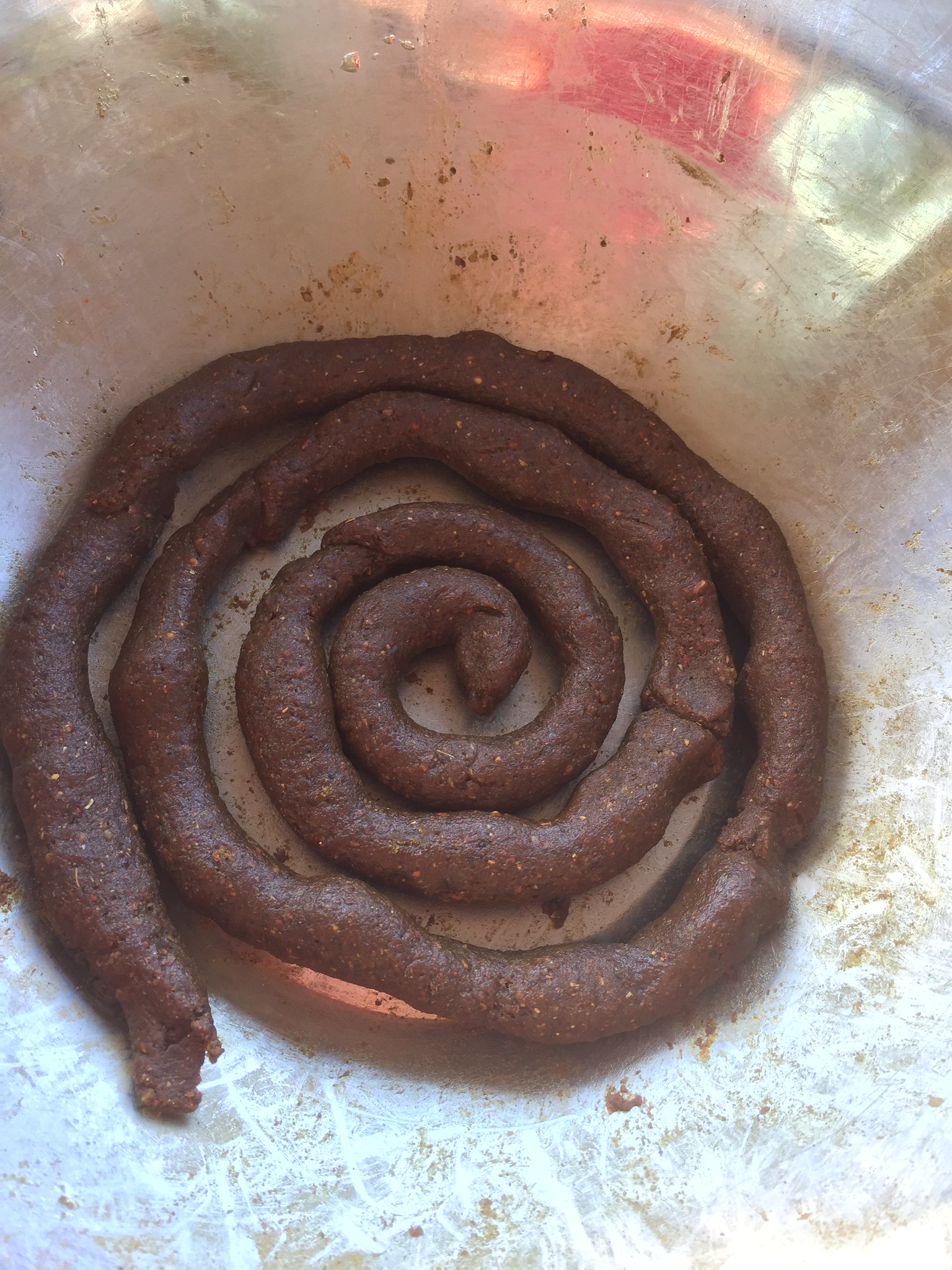
Ras El Hanout Nerikoh Snake
My first idea was making it into nerikoh (kneaded incense, which is not actually burnt but placed on a hot micah plate). Nerikoh traditionally uses honey or plum paste. For this experiment I used a combination of dates and honey. I named these Oasis Nerikoh.
In the picture you are seeing the incense dough shaped as a spiral, and waiting to be hand-rolled into tiny balls.
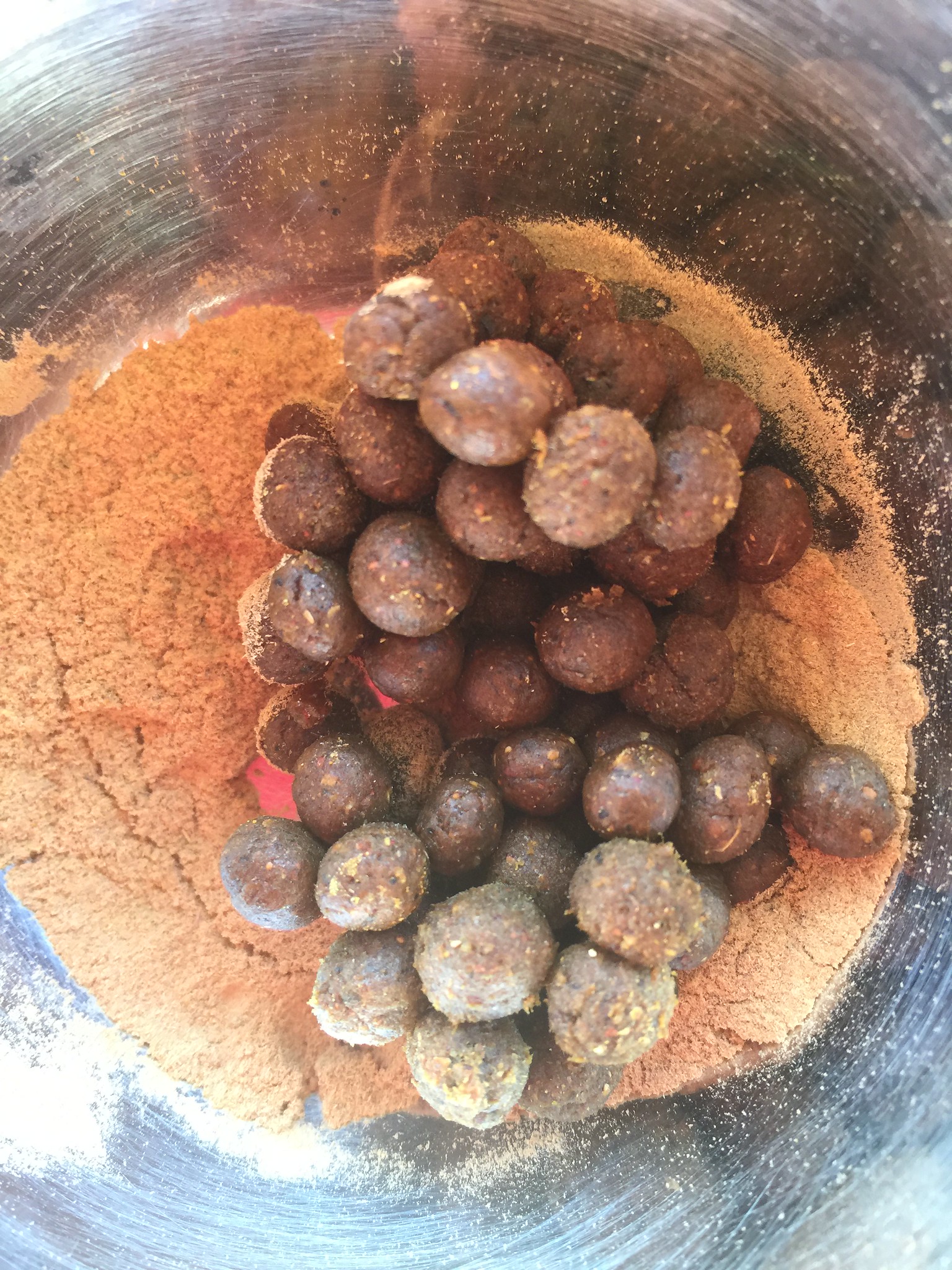
Ras El Hanout Nerikoh
Ras El Hanout Nerikoh (kneaded incense balls), rolled into a mixture of ras el hanout and sandalwood powder.
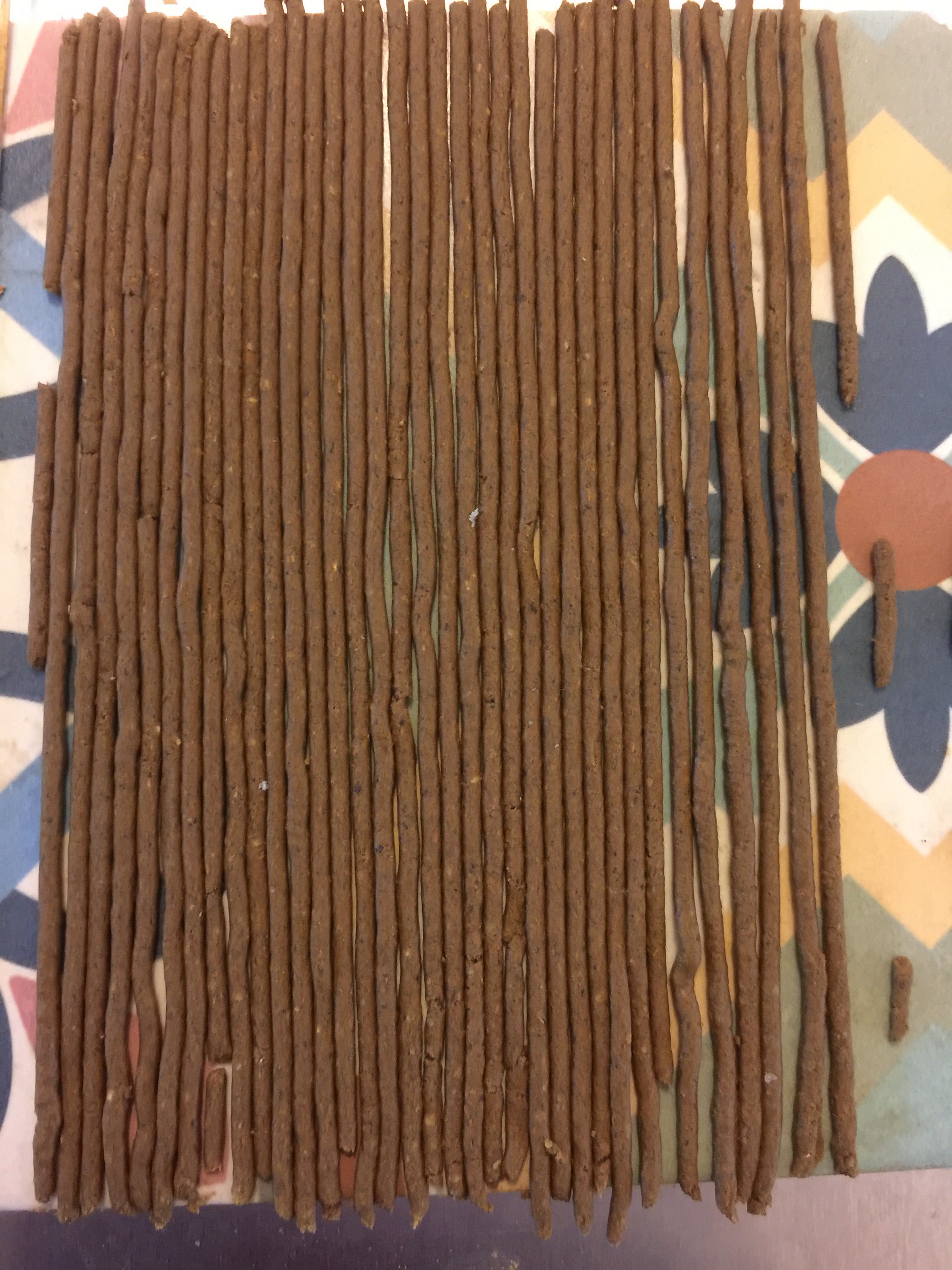
Ras El Hanout Incense Sticks
My second attempt at making incense sticks! Practice will eventually make perfect I hope.
 Ras El Hanout Incense, Three Ways
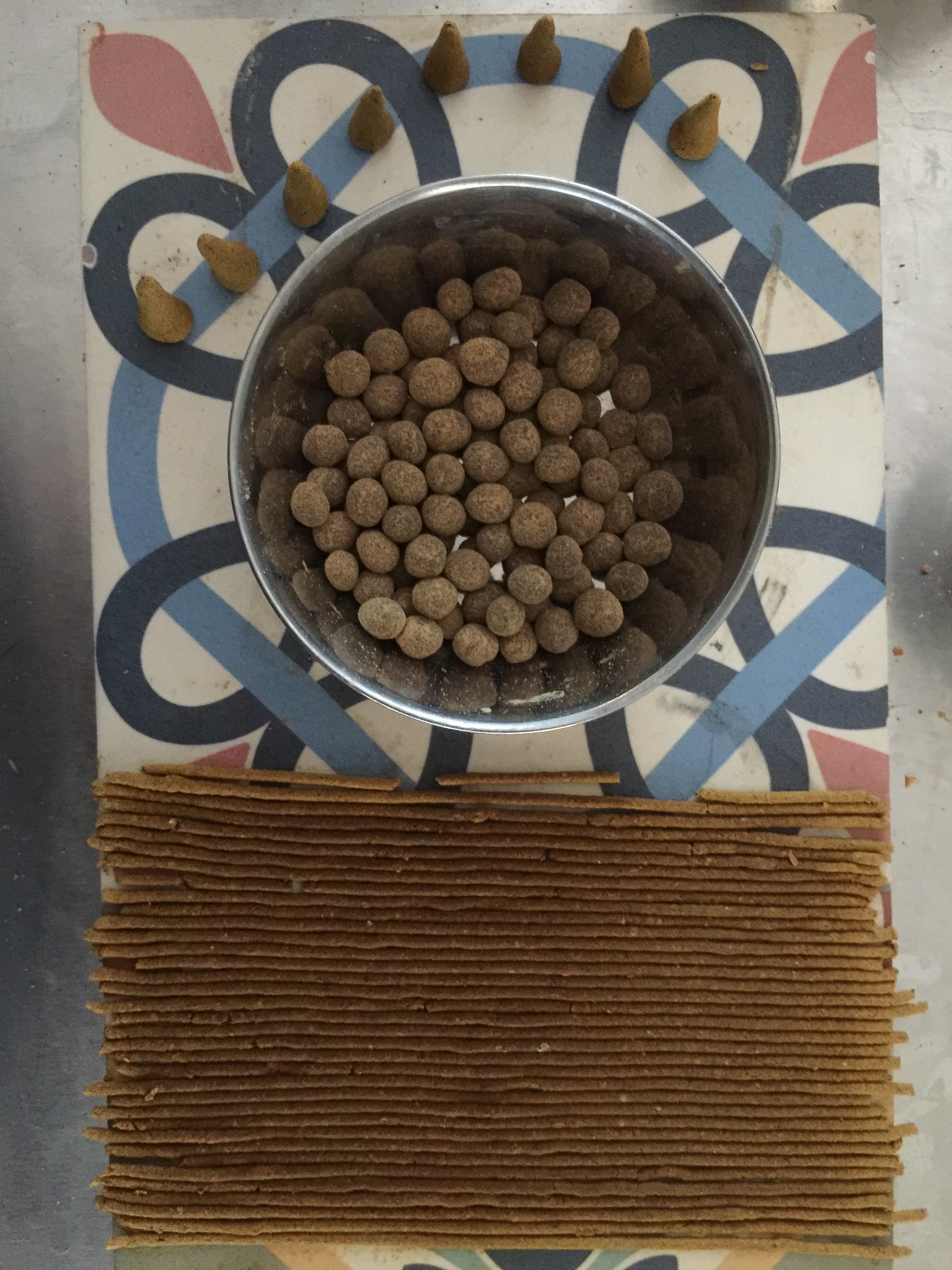
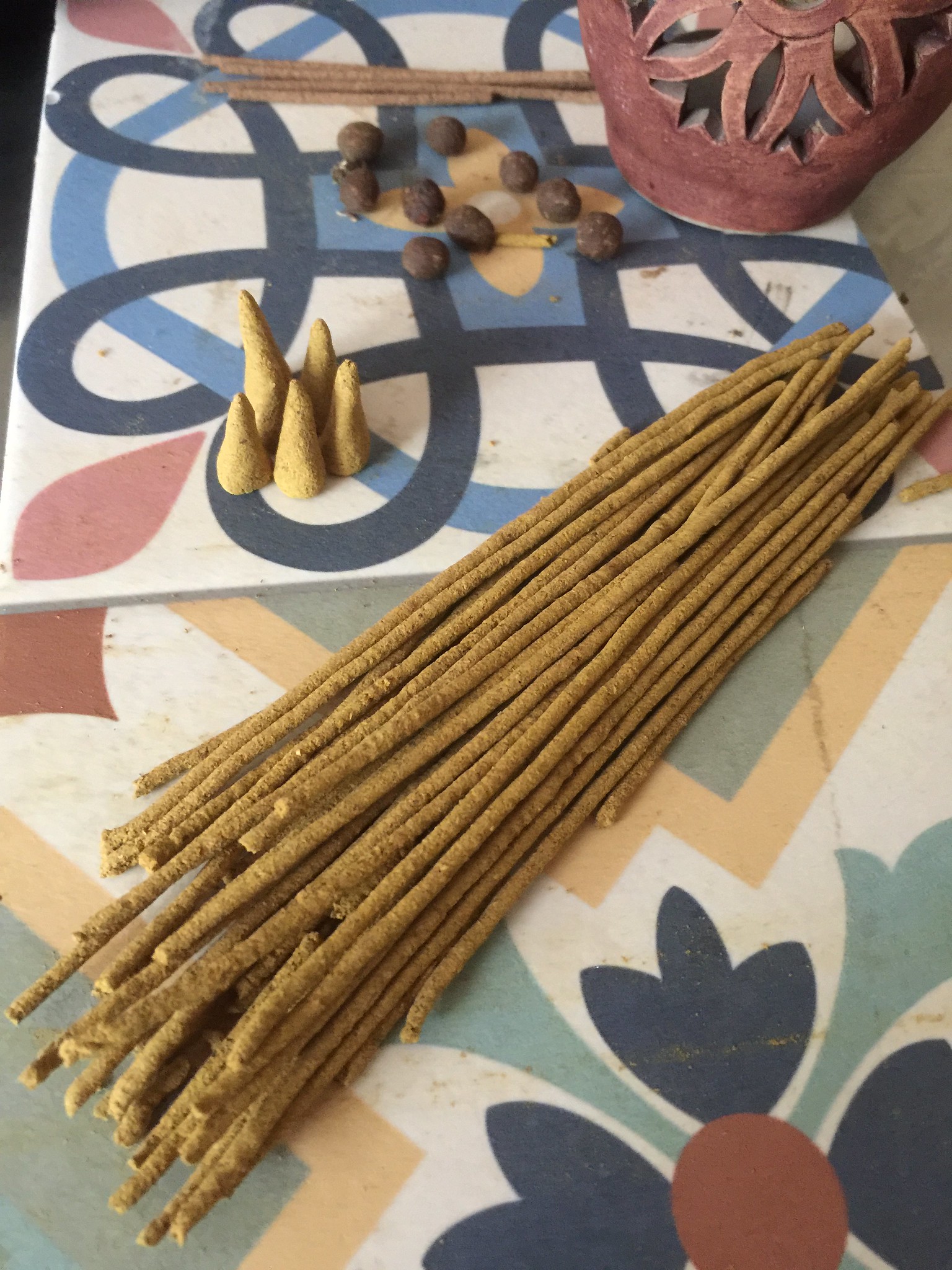
The whole line up, from top to bottom: Ras El Hanout Incense cones, norikoh, incense sticks.
Ras El Hanout Incense, Three Ways
Here they are, all dried up and ready to use! The ornamental brown ceramic dish in the background is my aromatherapy diffuser, which I use to heat up nerikoh.

Labels: , , , , , , , , , ,

Saturday, September 15, 2018

Nerikoh

Handful of Nerikoh

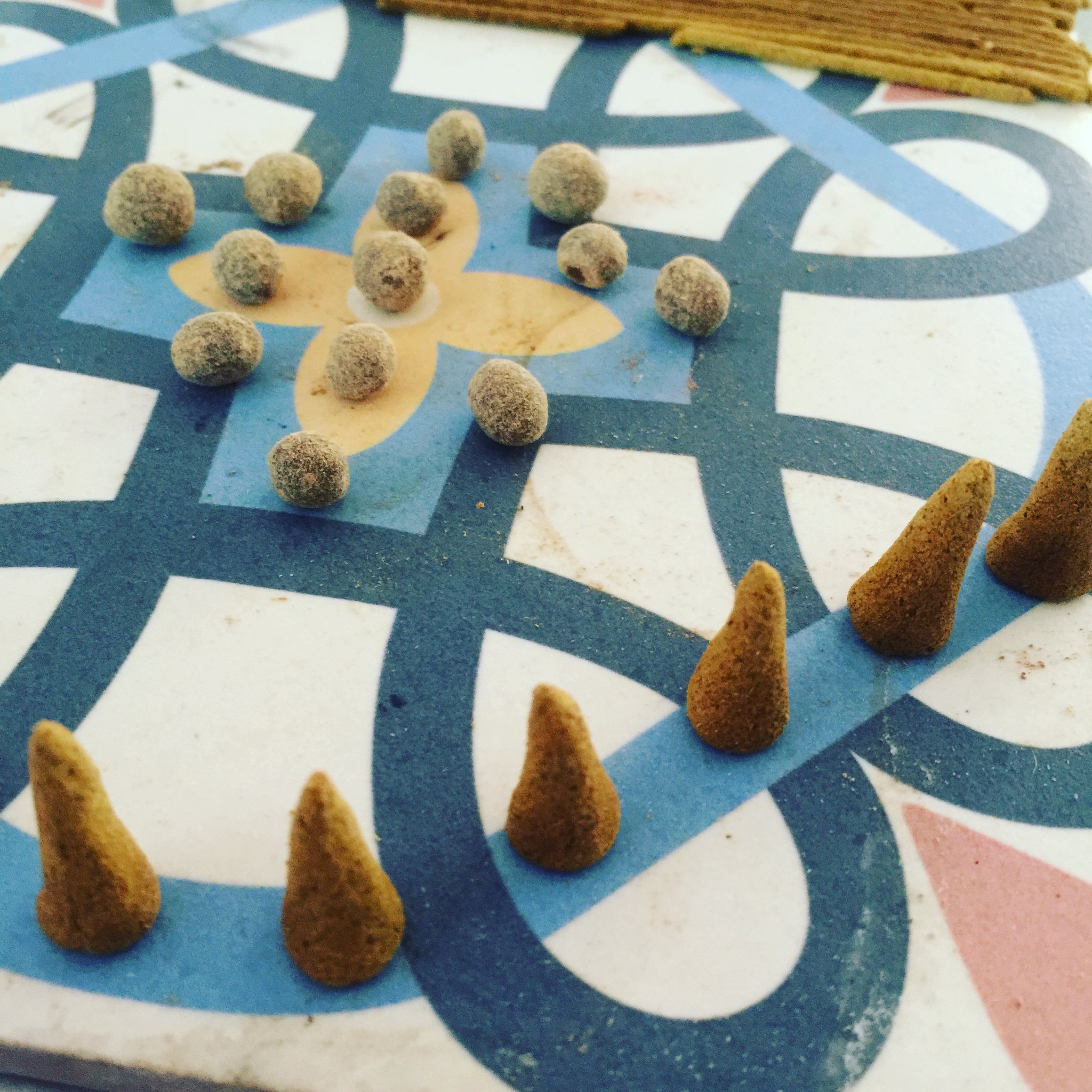
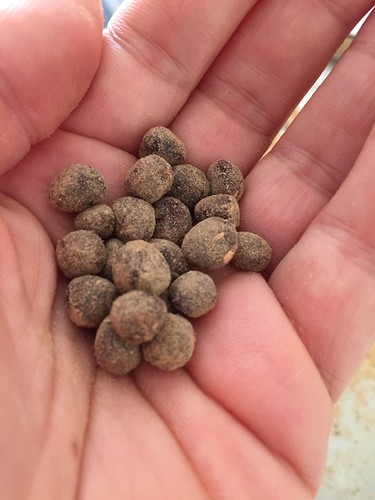
Here's a handful of shaped and rolled nerikoh - incense balls from a Saturn planetary blend. The last one to complete my series of Planetary Incense Pastilles. It was a long journey to get to this point, so let me share the steps with you. Unbeknownst to you, I hav been working on a series of incense pastilles for the Seven Ancient Planets. It all went swimmingly well (not counting the years of trial and error prior to that, which began in 2001 when I first tried to make such pastilles, and abandoned it pretty quickly to move onto making the perfumes you've been enjoying all these years).

When I came to compounding the incense for Saturn, I got stuck. I went back to some of the ingredients I've used originally, and that are associated with Saturn: Myrrh, cassia, patchouli, vetiver, cedar and cypress. I changed the formulation to make it a little less harsh. Also I had actual Arizona cypress, which smells amazing - both leaves and twigs - added to this blend, rather than cypress essential oil which I used in the original formula. I was rather happy with the smell albeit it dry and bitter/acrid character (which is rather typical to Saturn energy). However, there was one problem: despite the large amount of resin, these did not form into pastilles when alcohol was added. I really did not want to turn these into incense cones. After consulting some of my incense friends, they've advised me to turn these into Nerikoh, which are Japanese incense pastilles. These are made with any compounded fragrant woods, spices and resins but are glued together with sweet sticky materials such as plums or honey.

Nerikoh for Rosh HaShanah

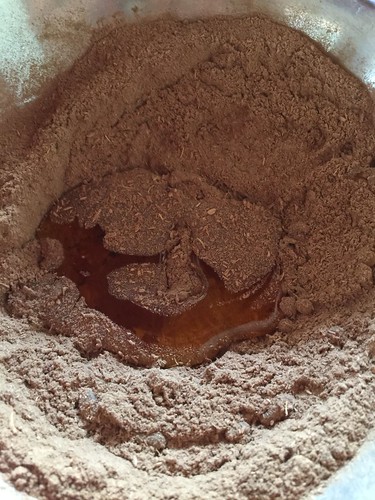
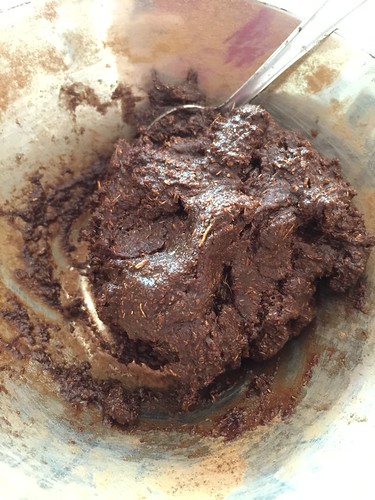
I made a tiny experiment with just one ball of Nerikoh before leaving for my trip to Canada. It worked well, and didn't get super hard, even though I added some makko powder prior (with the thought of turning this into incense cones). Adding honey to my Saturn planetary incense blend on Rosh Hashanah seems very appropriate. And this is what I did on Rosh Hashanah even. Of course, I added too much honey, so I left it to dry for a few days... In the above photo you can see the first step in making Nerikoh. It looks and feels very much like baking - but smells quite different!

Nerikoh
Now the honey is all mixed in to form a dough. This has a very sticky consistency, not unlike the  honey cookies I make every year for Rosh Hashanah!

Shaping Nerikoh

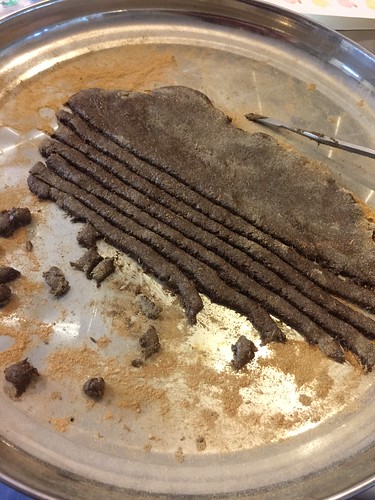
Shaping the nerikoh begins with making a "pitta" from the sticky "dough" and scoring it into stripes and then further cutting into small tiny squares. From these we'll make little balls, as close in size as possible. The tricky part is that it's a very sticky dough! A little like making honey cookies for Rosh HaShanah. Of course, if your mass is less sticky than the one I made, it would be easier. I also imagine that having a better surface would also help. I imagine a granite or marble surface would be better than the screechy stainless steel I have here. Although it does work quite okay.

Making Nerikoh

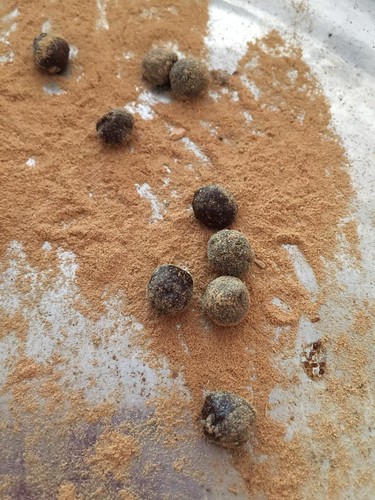
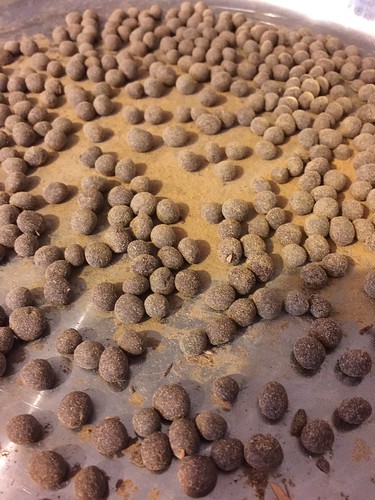
Forming the nerikoh dough into tiny balls. A little like making minature chocolate truffles... But way stickier! I used extra powder of sandalwood to avoid stickiness. And even then I had to go over the balls several times in the following days because they kept sticking together. Blame it on humidity. Oh, and the overdose of honey which obviously haven't dried out quite well yet.

Nerikoh
Nerikoh is ready... Almost. Needs to be cured for 6 months though before it is properly dried and develops its full character. And then it can be warmed on a micah plate atop charcoal buried in ash to fully enjoy its aroma. This can be also done with an incense heater, or even an aromatherapy diffuser (a little bowl set above a tea light).


Labels: , , , , , , , , ,

Thursday, March 22, 2018

Incense Ceremony for Spring Equinox 2018

Spring Koh-Doh

Ceremonies are a combination of the meticulously planned steps and procedures, and the chemistry or effect this process has with the people attending. I believe it's the latter who really sets the tone and brings out the essence or spirit of the ceremony and its intent.

Yesterday I conducted an incense ceremony to celebrate the arrival of spring. Things did not go quite as planned in terms of attendance. So I ended up actually having two ceremonies: A prep one with Miss T, my Sister-in-law, 3 nephews, and baby niece, in which we had lots of laughs trying not to blow off the ashes in which the charcoal is buried.
We started off by "warming up" our noses with a few simple ingredients (patchouli, vetiver, sandalwood, ambrette seeds; then we went through all the six ouds I have in my collection and finished off with some special neriko that was gifted to me by incense friends). I spent most of the night before in a sweat lodge and felt it was really important, after all the cleansing and sweating and burning off negativity and challenges - to invite sweetness into the spring.

Here are some brief notes from the ouds we've experienced that afternoon:

Hakusi (spicy/hot incense from Vietnam): Musky, animalic, woody, changes a lot throughout burning. Perhaps can be classified as Manaka.

Ogurayama (sweet incense from Vietnam): Sweet indeed, dreamy and rich. My nephew called out with a big smile: "It's a Garden of Eden for candy".

Kokonoe no Kumo (Indonesian raw aloeswood): Powdery, mild and bittersweet. Reminiscent of marzipan, playdoguh and heliotrope. 

Tsukigase (Vietnamese raw aloeswood): Weak and a little hot/peppery.

Assam Aud (gift from Persephenie): Camphoreous, hot-spicy, yet at the same time dry, yet sweet; or perhaps cool-sweet. Smells a lot like Japanese body incense.

Papua Shimuzu (Gift from Ensar Oud):Desert-dry at first, woody, bitter, acrid and perhaps a little sour to. A little like sandalwood. Perhaps can be classified as Rakoku.

The evening ceremony I actually had to cancel because of too many last minutes cancellations, and still there was someone who did not register at all, and actually was the only one who showed up (!). I forgot those things tend to happen, and feel bad that those who intended to come missed out. We had an impromptu ceremony that was not quite as I planned, but still fantastic. We burned what I felt intuitively was the right materials for her, and we had a pace that was responsive to her experience, in terms of toning down or up the intensity and switching materials when she had an overwhelming reaction to something. We burnt patchouli, vetiver, sandalwood and one type of oud (Papua Shimuzu).

Last but not least, here are the details of what was my intended ceremony. Koh-doh ceremonies are at an interesting cross between oud-binge, poetry reading, calligraphy and olfactory identification games. In that spirit, I planned out an event to celebrate Hanami's anniversary with the poem that inspired it. This poem and the associations I have with it dictated which materials we were going to burn, each symbolizing a particular aspect of the poem:

Metro Station: Vetiver rootlets, for their dusty, cool-woody and somewhat metallic scent

Faces in the Crowd: Costus root, for its oily scalp smell like many people on a train and the forced intimacy that happens in such crowded areas.

Sakura Blossoms: Either a Rose Nerikoh (by Yuko Fukami), cherry blossom incense stick, or ume blossom incense pellets that are shaped as actual flowers (see above photo).

Wet, black bough: Oud of some sort - preferably one with more "watery" or "cool" feel to it, rather than the hot, bitter, sweet ones, etc. For example: Assam agar wood.


Labels: , , , , , , , ,

Thursday, January 14, 2016

Serge Noire

Japanese Temple Incense

I'm much behind on checking out "new" scents, including this "recent" offering from the leading niche house of Monsieur Lutens... I've been skimming through new releases with very little interest in the past few years (in case you haven't noticed the waning volume of perfume reviews here). And when yet another fragrance with artificially blackened subtitle showed up, I've become not even in the least curious about it... However, aside from the (lame) name, Serge Noire was a pleasant surprise: it is the liquid version of Zu-koh, AKA Japanese body incense.

My first encounter with Serge Noire gave me the impression that it's yet another violet-cedar oriental, full of ionone and cedrol. Then, when I tested it at Sephora it smelled entirely different, and totally won my heart: Camphoreous-woody and underlined with balsamic sweetness. I was smelling a whiff of of borneol camphor at first, sprinkled with cassia and over a looming backdrop of dark woodsy notes of patchouli, cedar wood and sandalwood. The finishing touch is a base of powdery, comforting puff of amber and vanilla. And it is a dead ringer to Tokusen by Shoyeido, which I adore.

If you're unfamiliar with the experience of body incense (zu-koh), this is a special blend of powdered woods and spices that were originally intended for purification before prayer. Instead of washing one's hands before entering a temple, you'd sprinkle your hands with this powder and rub your palms with it. It can also be worn much like liquid perfume - a sprinkle on the chest or behind the ears and on the wrists and inside bend of the elbows. You'll be enveloped in a dusty cloud of spice and wood, and enjoy the benefits of incense (minus the smoke) or perfume (sans the alcohol). I'm very fond of this perfume, and it makes one feel both sensual and spiritual at the same time... It is how I'd imagined the "char black" perfume that is mentioned in Memoir of a Geisha... It is sensuous, and at the same time also inspired meditation and contemplation, bringing instantly a magical, ancient feeling of serenity and deep thought, as deep as the roots of the trees it came from.

Surprisingly, Serge Noire is the first Lutens in many years that I feel the urge to purchase. However, to my dismay, the carded sample I originally got still smells too much like the signature Lutens cedar-honey-violet accord which was originally introduced in Feminite du Bois. It's not so much about my personal preference but more about how much this style was copied over and over by "niche" brands that made it feel redundant and no longer original... Such is the nature of trends, unfortunately. I'll have to go to Sephora to try it again and make sure the bottles they carry are more like the body incense and less like artificial cedar and violets. Alternatively, I can just revisit my Tokusen zu-koh and enjoy what I have.

It also reminds me very much of a special Japanese incense that my friend Noriko brought me from a temple in the countryside.

Labels: , , , , , , ,

Friday, July 13, 2012

Listening to Incense

Koh-Doh Ceremony with Yuko Fukami of Perfume Phyto
And as if walking all around the botanical gardens wasn't amazing enough for one day - there were more to come as the evening unfolded. Yuko Fukami (Parfum Phyto) has invited Lisa Fong (Artemisia Perfume) and me to her home. She has just come back from Japan and wanted to share with us some of the rare woods she brought with her.

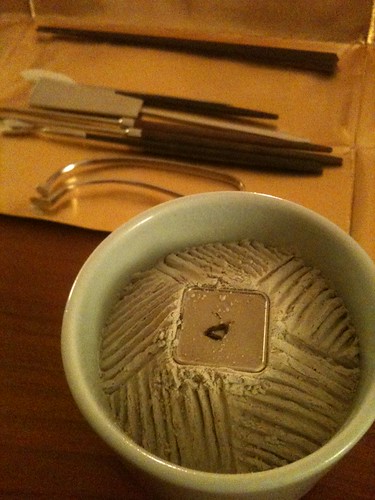
It was my first time ever experiencing incense-burning the Koh-Doh style. In this technique, the woods are not burnt, but rather warmed up on a paper-thin mica plate. The plate is placed on top of a heap of ash that is carefully decorated like raked sand in a Zen garden; and conceals a burning ember - a natural coal that was placed in there before hand.

Koh-Doh Ceremony with Yuko Fukami of Perfume Phyto

Lisa had no idea what was awaiting us, as she's never heard of Koh-Doh (the way of incense) and so everything was completely new to her. As for me - even though I have some of the basic koh-doh tolls (the ash bowl, ash and neat square bamboo coals) - nothing in the world could have prepared us to the experience we were about to have.

Yuko spend most of her life in the USA, so there was non of the strict code of silence you'll have to obey in Japan. She explained to us every step and what she's experienced in Kyoto in a traditional incense ritual.

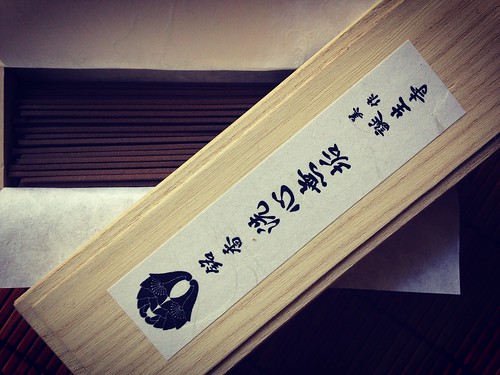
Once the charcoal was warm, and the pattern was formed on top of the rice ash, Yuko began opening each one of the little packets which were placed on the rainbow-shaped wooden tray. Everything in Koh-Doh is wrapped in beautiful handmade Japanese paper (including the tools you see next to the bowl).

There is a single purpose for everything in Japanese ceremonies. Yuko and I were particularly excited about the feather - a new tool in her collection, which I knew of but had no idea what it's used for. It's sold purpose is to brush the sides of the bowl in order to clear it of any excess ash, after the pattern has formed. This way the bowl looks neat and tidy.

each of the six packets were carefully labeled in Japanese calligraphy. Using tiny tongs, Yuko placed each peace of agarwood shaving (as thin as a mosquito's leg!) over top the warm mica plate. She demonstrated the cupping technique, in which the hands protect the precious smell from escaping and allows it to penetrate one's nostrils and entire being. The cup is passed in a a specific way so the pattern is always facing outwards. It might seem from the outside as if each participant is inhaling the steam of a very fine tea, and savouring it (we will get into the aroma later).

Everything is done in silence and each person in this unique commune would write their impressions later on a piece of paper, or if prompted to discuss it, the ceremony's recorder would write it on a rice paper scroll (which Yuko got to keep from the ceremony she attended in Japan). Each woods is passed several times until its aroma is too faint.

Now that I explained the process, you're probably dying to hear what the smell was like. We smelled only one type of wood: agarwood, or kyara (prounouced "Ka-Rah", with a rolling Japanese "R", of course). Each had its own specific characteristic and country of origin. However, although they were all agarwood, they did not smell the same at all. Some were sweet and flowery, while others more spicy and warm. Others were smoky and animalic. The interesting thing was that there was no real smoke involved - only gentle heating of the wood to release its rare aroma, to redeem its soul and unite with it for a few precious moments. The experience was like no other - neither incense burning, nor experiencing pure agarwood oils; and believe me, I've burnt some amazing incense in my life already, and smelled enough agarwoods to be able to tell that they can be strikingly different from one another...

It felt as if we were not burning incense, but communing with ghosts. There was a real presence and personality to each wood, and although the experience is very different from that of perfume - there seemed to be phases similar to the top/heart/base in Western perfumery, that are innate to the wood itself. As the aroma dissipated different facets revealed itself - what at first smelled minty, would have ended smelling more woody-clean.

Agarwood is such an incredibly powerful plant, that it might feel as if you're completely intoxicated when inhaling its deep aroma. It's very difficult to describe the scents, and even more difficult to recall it over a week later. At some point in our conversation, I realized that describing the different woods is defeating the purpose of Koh-Doh: savouring the aroma, diving into it and allowing it to possess you, and sharing this precious moment it with the other participants. But I could be wrong - as categorizing and describing is a huge part of classic Koh-Doh.

Only one thing was for certain: each wood had its own personality, and we were having way too much fun. The hours just went by and it wasn't till about midnight that we left, not completely sure that our state of mind was safe enough to drive.

Labels: , , , ,

Monday, April 20, 2009

Japanese Incense @ Blunda

The selection of incense at Blunda is extraordinary, and includes Indian incense, house blend of loose incense similar to Egyptian Khyphi but blended with Native Indian herbs and resins, Koh-Doh tools and accessories (and pretty porcelain incense holders as in the picture above); and high quality Japanese incense from Shoyeido. I was particularly smitten with the Chai and Frankincense sticks from their Gourmet collection. There is also a plum blossom incense for heating on the mica plate (rather than burning directly on charcoal). These pretty incense pellets are fashioned in the shape of pink plum blossoms and arranged as if to decorate a fan!

The Chai incense is milky and warm like a Cashmere sweater. I haven't burnt the Frankincense yet but it smells like a Japanese take on church incense. The coil in the photo above is Shoyeido Nijo coiled incense (Avenue of the Villa). It smells more traditional Japanese with camphor and agarwood.

Labels: ,

Tuesday, December 09, 2008

Japanese Incense, Sachets and Meditation Candle

As if to rescue me from drowning in the holiday rush - the package from my friend Yoko in Japan today brought a bit of peace and tranquility to my space, even if just for a short moment inbetween one task to another.

This thoughtful package contained incense, sachets and meditation candle from Ise Jingu, one of the most sacred and powerful places in Japan.
There were three types of incense sticks:
Eien no Ima
Byaku-dan (Sandalwood)
Kyara (Agarwood) - I researched a bit on that one, and this is the finest kind of agarwood incense, which is very dark (the stick is black in colour) due to the black "resin" in the agarwood (it really is the result of the decay from the parasites that growin in aged agarwood trees and impart the uqnie agarwood scent to the wood).

And three sachets-stuffing (or refills):
Amakuchi
Gokuhin
Joh-hin

I've burnt the Kyara and it has an immediate effect on me of centering, grounding, balancing and relaxing. Exactly what I needed in this hectic time of the year!

There was also a traditional Japanese candle in the box, made of hazenoki wax (this is the object that looks like a little rolling pin in the photo above). The wick in these candles is made of Japanese handmade paper.

Labels: , , , , , , , , ,

Japanese Neroli Sachet

In perfect timing with my last post, today I received a package form my friend in Japan, full of fragrant surprises, one of which is this elegant Japanese neroli (Citrus tachibana - aka Tachibana orange) sachet.

As most things Japanese, it is very balanced: even though it is fresh smelling, it has a depth and interest. I have a reason to believe (even without opening the sachet itself - I have a feeling this will end in a disaster!) that is has a base powder very similar to that of the Japanese body incense - most likely a mix of sandalwood, camphor, cloves and other woods and spices and here it must have been also infused with some of the above mentioned neroli essential oil. It’s fresh but not shallow.

Japanese sachets are very similar to Japanese incense in aroma, and are usually packaged in scraps of Kimonos, silk or barocade fabrics. Most of the Japanese incense houses also make their own unique sachets.

Everything is accompanied with Japanese literature so I am hoping to find out more later on this evening after I meet with my Japanese-Canadian friend here in Vancouver for some interpretation... I will update this post accordingly later on.

Labels: , , , ,