Wednesday, March 13, 2019

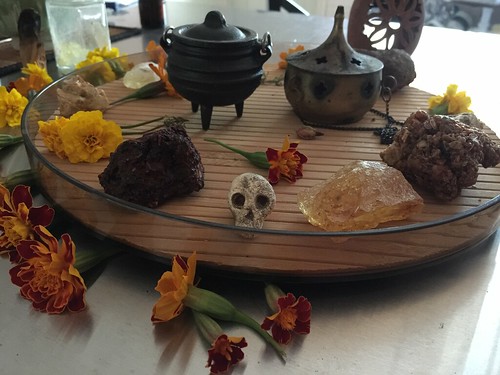
Four Copals Incense

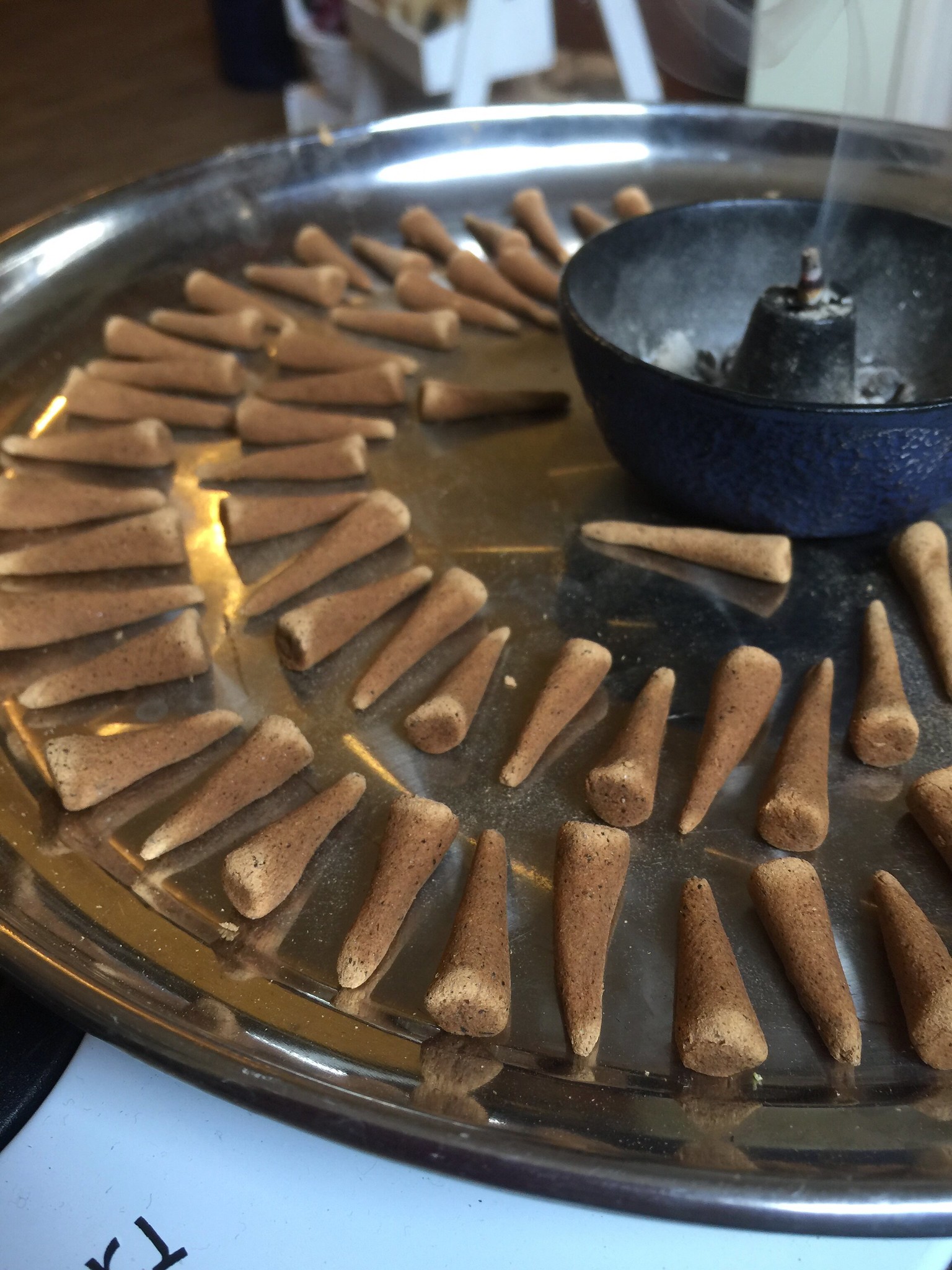
Four Copals Incense Cones Drying
I'm getting deeper into the world of incense again, which is like coming a full circle (for those who don't know me, my perfume path began with incense). I enjoy the earthiness of this occupation, taking into consideration other aspects that are not relevant to the ethereal perfume making, such as shape, colour, texture of all the materials and how they need to be processed by hand. And also I'm a bit of a self-confessed incense addict when it comes to burning good incense. It's a great way to start the day with and clear all the cooking smells after breakfast. It helps me to concentrate when I want to practice Pilates or meditation. And it changes the atmosphere in the room within a few moments, sometimes also making people who are terribly chatty and obnoxious swoon and start to really listen to what's around them. This is especially pertinent to large groups that sometimes visit my studio.

It's much trickier than making perfume, so I am progressing very slowly. And find it a challenge on all fronts - first of all there is the challenge of designing the fragrance to smell good in all stages, including after the burn (aiming for that wonderful afterglow you find in a room long after an incense has been lit in). This is affected by many other factors besides the actual materials, including the shape of the incense. And this is where I'm still struggling majorly.
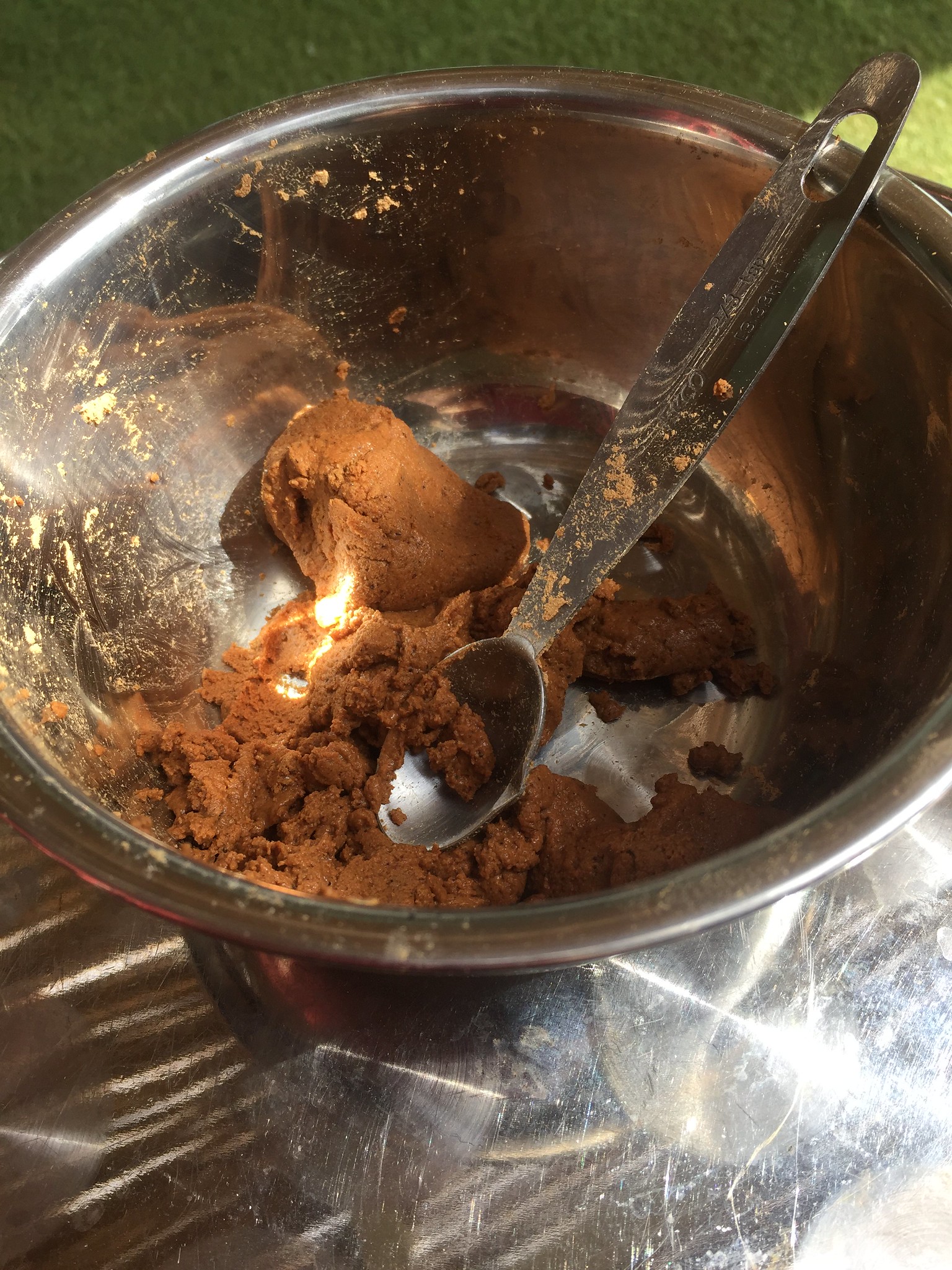
Four Copals Incense Making (Dough stage)
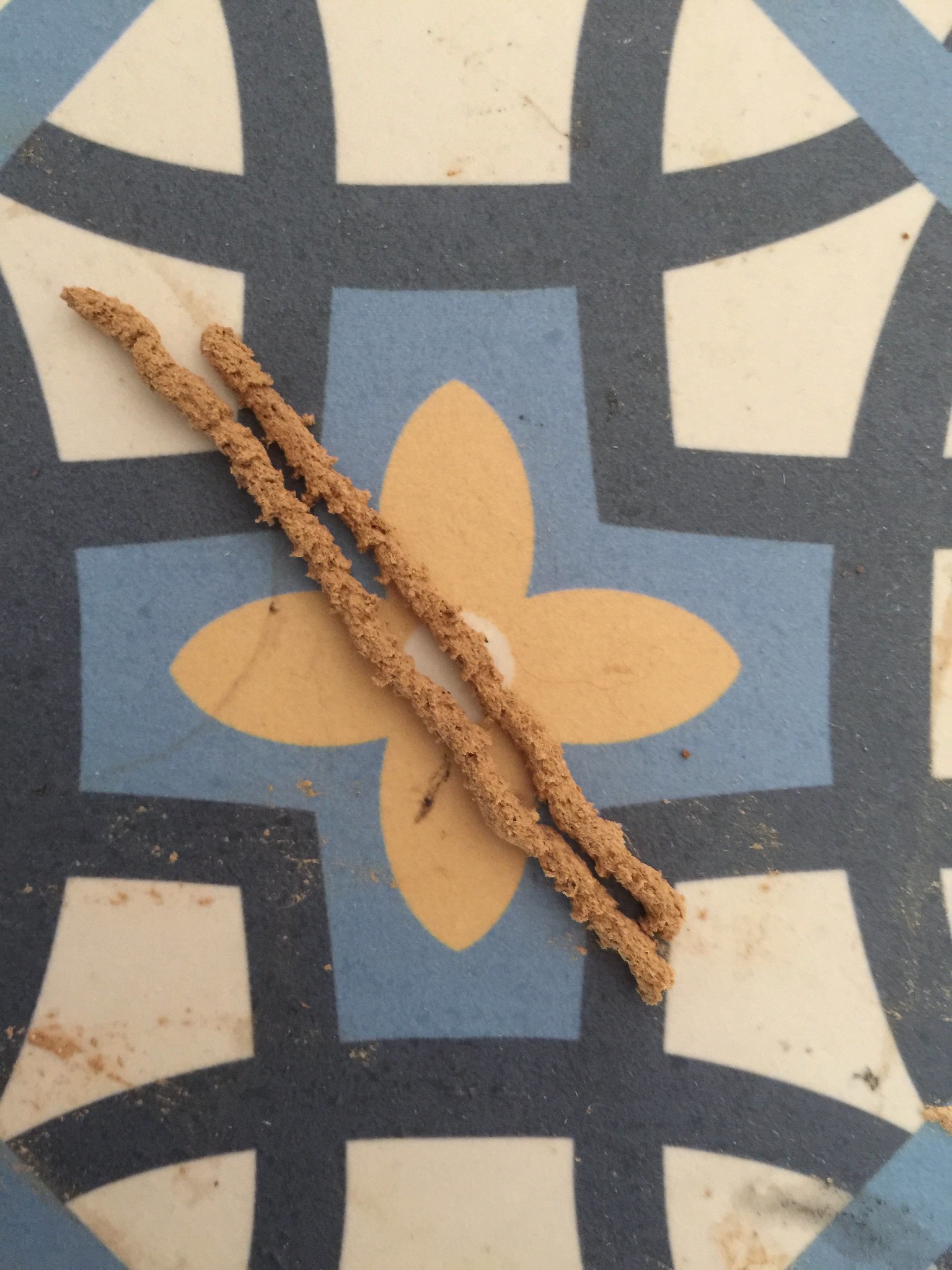
I've been trying to form incense sticks and almost every time I make a batch specifically for that shape it ends up impossible to make them properly (these fuzzy sticks in the pic below are not what I'm after!).
Untitled
So again, I resorted to making cones. These are lovely looking albeit labour intensive to shape by hand. What I like about them is that they stand on their own and don't scatter ashes all over the place. They can be placed on any heat-proof surface and will hold their shape after combustion. What I like less about them is how fast they burn and how much smoke they make. Because their circumference of ember keeps growing, they only intensify in smoke as they progress down the cone.
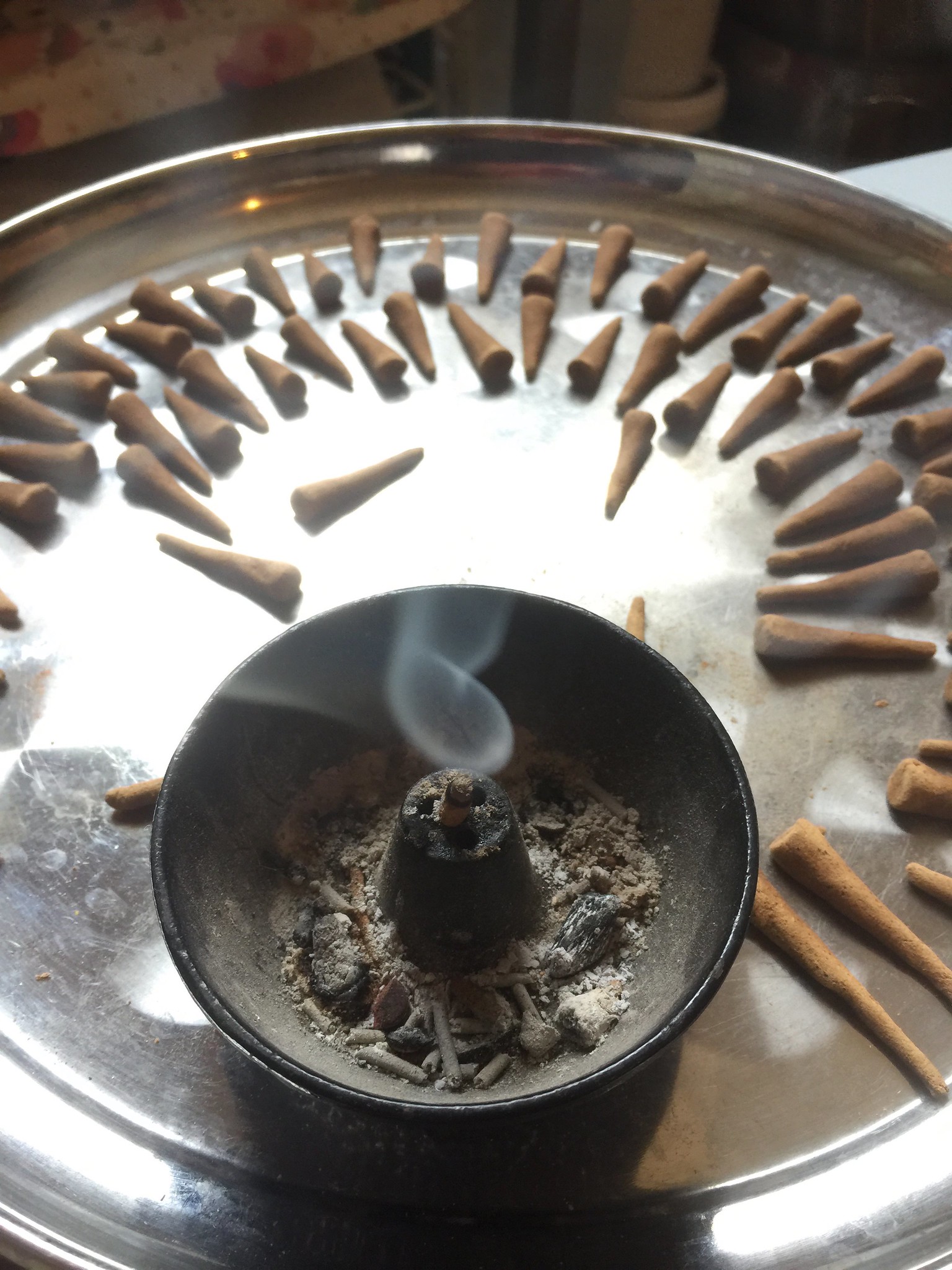
Four Copals Incense Testing
The result of these Four Copals incense cones is almost as perfect as I wished them to be. Their base is a combination of sandalwood and trailing arborvitae, the latter was added as a last resort because the mixture was far too soft and moist. I wish I added something more neutral - I have a feeling this creates extra smoke. But I was worried about making it sandalwood-dominant. It has a pinch of Palo Santo, and other than the sandalwood, it is very heavy on the copal: four types were used and ground by hand in a marble mortar and pestle: Mayan Copal, Gold Copal, Black Copal and White Copal. They are now available for purchase (very small amount was made, but I will happily make more if you like!).

Labels: , , , , , , , , ,

Wednesday, October 31, 2018

Perfumes to Honour the Dead

IMG_2075
October 31st marks a special time of the year, from astronomic point of view: Tonight marks the halfway point between the Autumnal Equinox and the Winter Solstice. This is the entrance to the darkest part of the year. It is the night when the barriers between this world and the world of the dead or the spirit world are very thin, allowing passage from one realm to the other. 

Even if you don't celebrate Samhain, Hallowe'en or Dia de los Muertos (Day of the Dead) - this night is a befitting time to remember our ancestors, far and near. Light a candle to those we don't remember because they died before we were born, or we were too young when they passed. And for those who were near and dear - this can be done joyfully by preparing their favourite food, or wearing their perfume. 
Incense and scents in general, for their invisible presence, have historically been the gateway for the underworld, the spirit realm and divinity. Many cultures still use incense in their rituals related to death, funerals and memorials. 

The Egyptians were especially elaborate about their preparations for the last journey: They would pack their dead's chambers with all their belongings, including vials of perfumes and cosmetics, and most famously - ensured the body stays as true to form as possible through a meticulous process of mummification, which involved many fragrant aromatics, such as myrrh, pine resin, cedar, cinnamon, juniper and later also frankincense (in the Roman era). 

In both China and Japan, incense is burnt daily in domestic altars, to honour the ancestors. In China it is mostly a sandalwood based incense, and in Japan incense sticks of many complex aromatics. In India, incense is burnt on the funeral pyres, to help elevate the spirits of the dead to higher realms, and also to mask the intense smell of burning flesh. Of course, the wealthier the deceased is, the more incense can be burnt. I've even read of using sandalwood as the fuel for pyres of the richest people. 

Tobacco is used by the First Nations to communicate with the spirits - almost as a key to their world.  It is also believed that offering tobacco will tell other plants that we're seeking their help and guidance. The Cree people would bury their dead holding tobacco and sweetgrass incense, and also personal belonging that would be considered as an extension of themselves, such as their pipe. 

The Mexicans use copal incense to show the ancestors' spirits the way back into our world for their annual visit, so that they won't get lost. Marigold flowers adorn the graves and portals through which these spirits are expected to enter. This tradition is rooted in the Aztec customs of giving the Gods offerings of maize (corn), or else - copal moulded to the shape of maize foods, such as grains or ears of corn, and even tamales and tortillas. They also buried the dead with pieces of "jade" - copal resin painted in green, as food for their last journey. 

Some of the practices are kept alive today, and others faded away while others disappeared because they seemed to have very little hold in our current reason-obsessed culture. However, one thing is for certain: when you bring forth a scent or an aroma associated with a beloved person who has passed away, you're making that person alive, even if just in your memories. 

Tonight I will slice a red grapefruit and uncork a bottle of Old Spice in memory of my grandfather. These fond memories and the love our ancestors poured into us are eternal. 

Labels: , , , ,