Monday, April 06, 2009

The Boy who Cried Wolf


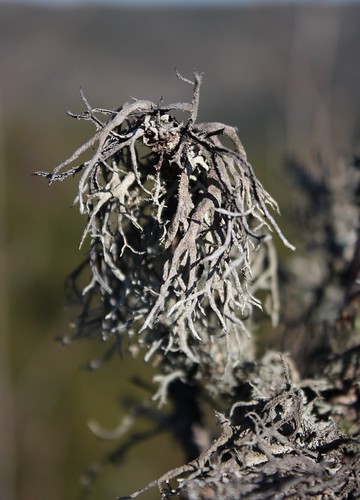
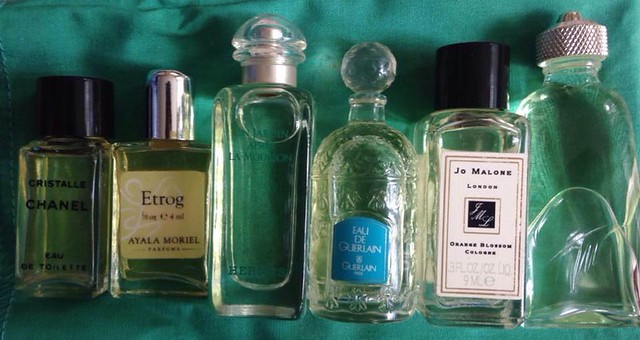
The Boy who Cried Wolf, originally uploaded by bris1969.

The Boy who Cried Wolf, originally uploaded by bris1969.

Rather than let panic rule my actions, reactions and emotions, following the Perfume Shrine's intelligent commentary on the supposed threat on oakmoss and perfumery as we know it, as well as personal correspondence from Helg for an official statement, I decided to visit again one of my favourite websites - IFRA.org, to check out the status on Oakmoss. I also immediately contacted my suppliers to see if they know of any change in the supply of oakmoss in the near and not so near future.

As of the end of last year, neither of my oakmoss suppliers were no longer carrying complete oakmoss absolute. The sensitizing elements were removed, as per IFRA's regulations. Which is not surprising, since oakmoss is grown and harvested in the EU (mostly in former Yugoslavia), and most of the perfume industry at large is still concentrated on that continent. To my pleasant surprise, even at this manipulated state, oakmoss still presented the full spectrum of performance it always had, and was just as good as ever for creating chypres, fougeres and adding nuances to florals, orientals and citrus (oakmoss, in case you didn't know, is used in all fragrance categories for both its fixative qualities, and its fragrance profile - adding a dry, salty, mossy, earthy and edgy nuance to any composition) and having a powerful diffusiveness.

According to IFRA's "Fragrance Material Specifications" on the Oakmoss pages in the 43rd amendment:

"Oak moss extracts used in fragrance compounds

must not contain added tree moss, which is a source of resin acids.
Traces of resin acids may be carried over to commercial qualities of oak moss in the
manufacturing process. These traces must not exceed 0.1% (1000 ppm) dehydroabietic
acid (DHA) in the extract.
The concentration of resin acids in oak moss can be measured with an HPLC Reverse
Phase – spectrofluorometry method.

Further, levels of atranol and chloroatranol should each be below 100 ppm in oak moss
extracts".

Another interesting point is, that oakmoss was last reviewed in 2008, and the next review date is scheduled for 2013. If IFRA is planning anything drastic for changes in oakmoss regulations in 2010, they surely aren't saying anything about it on their 43rd ammendment.

For all I know and care, oakmoss will still be in production and in use by the perfume industry at large at least until 2013, although its designation as a restricted substance (meaning: for many applications oakmoss canbe only used in 0.02-0.1% concentration, depending on if it's used for products that have skin contact or not). While this certainly has implications on the economy of oakmoss production, making harvesting and distilling less feasible - this is not the end of this building block as it is still so widely in use (even if to a lesser concentration), and it's importance indispensable. And since I don't live in Europe, I intend to keep using oakmoss the same way I've always have. This is the least I can do to support the oakmoss distillers and to ensure that they can keep producing oakmoss absolutes and that entire families of fragrances will not be erased from the face of the earth.

What I found may be enough to comfort you oakmoss lovers (and chypre and fougere wearers in particular); but as much as I agree with the author this time (and this it would have been a great response IF indeed oakmoss levels were to be further lowered next year) - also leaves one with puzzlement about the motives for posting such doom and gloom claims in a magazine. Bad news do sell more papers though I heard.
Or perhaps, just like in the story about the boy who cried wolf, eventually no one will listen and that's when oakmoss will quietly disappear? I will leave this to the conspiracy theorist to figure out.

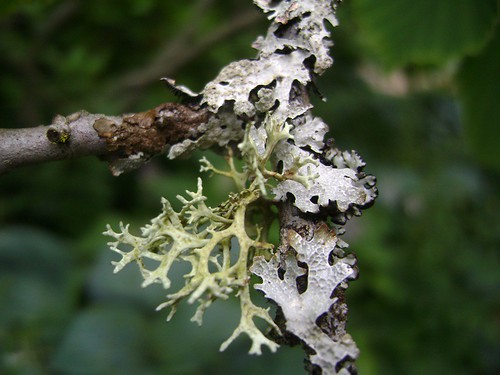
Evernia prunastri (Oakmoss lichen) (?), originally uploaded by OK Thomassen.

Labels: , ,

Tuesday, October 12, 2010

Moss


Moss & Trees, originally uploaded by Ayala Moriel.

In continuation of the autumn aromas theme... Here comes moss, in all its glory and various forms it comes in. The moss used in perfumery not the true, green moss (as seen in the photo above) - but the gloomy looking lichen that hangs out of trees and usually looks silvery-grey and mushroom green at best (see photo below).

There are several types of the so-called "mosses" used in perfumery, and they vary slightly. The most famous one is oakmoss, which has the richest and most versatile fragrance. Oakmoss has a scent reminiscent of the forest floor in Autumn, which is why Chypres are always considered so suitable fo rthe season. It is somewhat musky at first but develops into a sweeter, almost ambery scent. Oakmoss can also be reminiscent of the seashore and seaweed with a hint of saltiness that is more apparent in the current EU regulated absolute that undergoes a mandatory process to remove the atranol from it.

It is taken from moss that likes the trunks of oak trees and grows primarily in former Yugoslavia. There is brown oakmoss and green oakmoss, and both are quite similar in scent, actually. The brown is perhaps more on the ambery side, and the green one is a bit more salty. Both are equally important because of their essential presence in Chypre, Fougere and literally every fragrance family imaginable benefits from having a little oakmoss thrown in for extra good measure... Not only for its fixative qualities but also for creating an interesting depth even in very low concentrations - in citrus, florals, woodsy types and also in Oriental perfumes.


Moss 30-06-2007, originally uploaded by Ayala Moriel.

But Oakmoss is not the only fragrant moss!
There are less known mosses that are used in perfumery, and although they are harder to find, they provide an interesting backdrop to perfumes that need that extra mossy boost, yet with their own special nuance that sets them apart from what could become an inevitable oakmossal cliché...

Cedarmoss has the dryness of cedar, and is more wody and less sweet than oakmoss. It is more salty as well and I love how it works out in l’Ecume des Jours with the seaweed oil – it’s an element that certainly saved this perfume from being a mishmash of expensive florals drowned in a bucketful of lichen.

Another moss that I’m yet to use in perfume is Pine Moss. This is a bit more difficult and actually more dark and also opaque in character, not to mention painfully sticky (or more rock-like, actually). The scent itself is more of a challenge: resinous, sweaty, reminiscent of immortelle absolute. I’ve finally tinctured this monster down recently after having it in the vault, completely ignored, for years and years and years. I think it will make a beautiful autumn perfume with immortelle absolute. It is just waiting for the right moment of inspiration, I guess.

Labels: , , , , ,

Tuesday, November 07, 2006

The Dawn of Pink Chypres


Since the early 90’s, IFRA and other European regulatory organization have gradually tightened their embargo on the use of oakmoss in perfumes. Ever since than, slowly but surely, the rich heritage of Chypre is gradually collapsing. First, with the sneaky reformulation (partially rumours from devoted Chypre consumers, partially official statements from renown houses) of what seems to be all the mainstream chypre classics; Currently, the minimum amount of oakmoss allowed in a fragrance have reached the lowest of lows: a mere 0.1%. Reformulating all the classics – Miss Dior, Jolie Madame, Mitsouko – must have taken a few good years. It is now a sad but true common knowledge amongst fragrance aficionado that the chypre of today is not what we learned to love and cherish. This article, however, is about what we are gradually conditioned to perceive as the Chypre of Tomorrow.

The motives and the reasoning behind the IFRA regulations is something I prefer not to delve in. It opens up issues that are complex and quite puzzling, full of contradictions and conflict. Unfortunately, the recent developments in the Chypre world force me to open this Pandora Box at least a tiny bit, and I hope I will not be tempted to look back as I might just petrify right there and than. I will, however, refer you to this article on Cropwatch, which addresses some of the issues that every modern perfumer that is interested in using certain natural aromatics is now facing.

Until very recently (perhaps just until last year), perfume labels were mysterious and vague. They usually looked like this:

Alcohol, Parfum (as shown on my box for Miss Dior parfum extrait from 4 years ago). If it happened to be an EDT or an EDP, there will also be “Aqua” in there. Occasionally, maybe, also a name of one other the other colouring agents.

Now they look like that:
Alcohol, Parfum (Fragrance), Aqua (Water), Hydroxycitronellal, linalool, alpha-isomethyl ionone, hydroxyisohexyl 3-cyclohexene carboxaldehyde, cinnamyl alcohol, coumarin, limonene, benzyl benzoate, benzyl alcohol, evernia furfuracea (treemoss) extract, citronellol, geraniol, evernia prunastri (oakmoss) extract, hexyl cinnamal, eugenol, amylcinnamal, cinnamal, benzyl salicylate.

(This is from the package of the Miss Dior EDT I bought a few weeks ago; and no, this is not the actual formula for the perfume inside the bottle, it’s just a list of all the ignredietns that are suspicious as allergens or sensitizers). My apologies for any spelling mistakes in the above list. Neither me or my computer know chemistry well enough to run a spell check through it.
To read more about the oakmoss ban, I urge you to read through the Cropwatch site, as well as read Elena's excellent article on Perfume Shrine.

But if you think that the solution for that lies in reformulation alone, you are mistaken. In the 90’s we have witnessed a new trend in perfumery, that was at first silent and polite towards the old-timers Chypres that we have learned to know and love (and spend lots of money on because they deserve it). Compositions that are not quite floral; not quite musky; not quite anything that we know really, and contain a safe 0% concentration of oakmoss; yet they have a certain appeal to the exact same perfume-user-group that adores Chypres. I can’t point out which scent has started it all, but lets just assume it was Agent Provocateur (2000), a stunning seductress that gives off the impression of a classic floral-animalic Chypre of yesteryear, without using as much as a single drop of oakmoss or even labdanum for that matter. Agent Provocateur uses a combination of aldehydes, along with spicy and floral notes over a base of vetiver and musk to create a seamless, old-fashioned shamelessly erotic scent that fits with the Femme Fatale image of the lingerie brand that created it. Though the first impression of Agent Provocateur is very Cypre, in the last phase of dry down, there is none of the typical forest-floor, decay and earth-like warmth that is always found at the bottom of each true Chypre. Instead, we find a new kind of musk. A sensual musk, nevertheless, yet a clean and dry one, rather than the heavily warm and powdery suffocating musks of the era that Agent Provocateur reflects in its first phases of development.
What is to follow in the next seven years is a slowly but steadily growing number of releases that use the word chypre either as their classification or as a note. Yet there is no oakmoss (or labdanum) to be detected, and unlike Agent Provocateur, which ironically lived up to its name as a provocateur of the so-called new concept of Chypre. Lets assumed it was just sent out there to test the waters: would people notice if we DON’T use oakmoss? Would they still think it’s a Chypre? The answer is yes. But this is because Agent Procovateur is so well crafted and also has enough natural ingredients in it to resemble the rich floral bouquets at the heart of most Chypres that live up to their classification. What has followed is nothing shorter than horrifying, from a Chyprophile perspective.

Coco Mademoiselle (2001) has an alternating classification floriental or fruity-chypre. As charming as it may be (and this scent has wide fan-base) here is nothing in this composition to resemble Chypre even in the wildest of dreams. This younger sister of the bombshell oriental of 1984, Coco, maintains only a few ideas from the original, such as it’s expanding sillage that is equally sweet and spicy, charmingly bold yet with a certain unique transparency. Coco Mademoiselle is a concoction of fruity citrus, litchi and a marine accord over a floral heart and a base of clear patchouli, vetiver, musk and vanilla. But it couldn’t possibly have prepared us for the upfront sacrilege of what was about to come from the esteemed house of Chanel in 2003, in the form of a round Wheel-of-Fortune bottle of Chance. Chance is officially classified as a fruity chypre, and while it shares some similarities with Coco Mademoiselle, it fails to have any connection whatsoever with any true Chypre family member. Where this concoction of marine and fruity notes had let down many old-time Chanel fans it sure has attracted some new client base of (probably younger) consumers. With watery fruity-floral marine accord of pineapple, hyacinth, jasmine, and spicy pink pepper over a base vetiver (again) and patchouli (yet again) and musk, this is one slap in your face if you actually know what Chypre is. Of course, if you don’t, you might buy into it just the same as you would if you didn’t know that the whole idea behind keep all the bottles the same was a sign of classy minimalism and pure good taste. Which also happens to give more importance to the fragrance rather than the packaging.

Also in 2003, and this time classified as a Chypre-Floral – Escada Magnetism. This is more fruity than floral if you ask me, opening with mouthwatering pineapple, black currant, melon and litchi. The heart may be floral (official notes are magnolia, rose and jasmine) But don’t be deceived, this develops into something completely different and original (and I am not being sarcastic): once dried down, it’s the most sensational milky scent of orris, muted heliotrope, creamy sandalwood, and (although not listed as a note) white chocolate. Like other modern Chypre wannabes, this also has vetiver and patchouli at the base, though I can’t claim I noticed them too much. Again, no oakmoss in the horizon of this Roman milk bath.

Following the same train of thought of the two Cocos, we are now facing in 2006 something that couldn’t be more tragic: Miss Dior is being blessed with a baby sister, but this time it is a vicious one who threatens to replace the original. The bottle design is very similar (unlike Chanel, who for the most part use the same bottle design for all their fragrances, Dior is known for coming up with very different designs for most of their creations; so the same bottle is a huge statement; and in a visual world like ours, many people accidentally miss the word “Cherie” at the end and buy it by mistake – for themselves or for others – while intending to purchase the original. Even the scent ribbons has that “New Look” – white stripes, yet with silver lettering). Miss Dior Cherie is now the “New Chypre”, classified as a fruity chypre, this time strawberries, paired with the less than agreeable combination of patchouli and caramel popocorn. The result, I am afraid to say, is horrid. Especially when knowing the chances that Miss Dior (the original lady) will survive are very slim - what with that glamorous looking sister around paired with the toning down of oakmoss in its reformulation.

Pure Turquoise by Ralph Lauren was launched this year as well (2006), the same year where we see the reformulation of many beloved all-time-classic Chypres. This scent is quite nice actually, with intense grapefruit top notes that linger longer than usual, and a very clean, dry base of refined (meaning very synthetic smelling) patchouli. In between there are all kinds of fantasy notes such as cactus flower and night blooming cereus and even rum (which I couldn’t find there at all). This is all nice and fun and refreshing, but to call this is Chypre is going completely overboard.

Another turning point was the release of Narciso Rodriguez For Her (2003). At first I was ambivalent towards it not only because of its popularity, but also because it is a very obscure scent. Since than it has become a staple in my perfume wardrobe, and I couldn't agree more with what Ms. Shortell had to say about it. Behind its prettiness hides quite a revolutionary concept and I am quite certain that a few decades down the road, it will be considered a milestone in fragrance history. This fragrance has a unique subtlety and is completely abstract (despite of the fact that certain “real plant essences” are listed in the brief, such as orange flower, osmanthus, vetiver). It’s a unique combination of manmade musk with abstract woods and florals. Although it’s categorized differently in different places, it was quite clear with defining the 2005 release of the Eau de Parfum version as a “Pink Chypre”.

Following Narciso Rodriguez we can now enjoy a few other scents that have a very similar concept – obscure florals, musky base with abstract, refind woody notes. Lovely (2005) by Sarah Jessica Parker has musk paired with refined patchouli, crisp alcoholic apple notes and abstraction of Paperwhites (a species of narcissus); Kisu (2006) by Tann Rokka explores rosewood and cedar along with musk and an abstract ylang ylang note. Incidentally, this perfume was developed by Azzi Pickthall, the same nose who created Agent Provocateur.

The bottom line question is: are oakmoss and labdanum being replaced by synthetic patchouli, vetiver and musk as the necessary requirements for the Pink ((aka New) Chypre? And why would we do so when there are so many fragrances out there who has been using patchouli and vetiver for decades if not centuries, but were classified as oriental, woody or florals?

These last scents mentions (Narciso Rodriguez, Lovely, Kisu) are all unique fragrances that stand apart from other “pink chypres” (i.e. combinations of fruit, patchouli and vetiver) so to speak. They have something new to add to the perfume sphere. Classifying them as chypres poses a serious question about the reasons behind that. I am no paranoiac, but there might just be a silent scheme to gradually phase out the concept of Chypre and replace it with something new. I can see in my mind a boardroom full of perfume industry market researchers trying to figure out what is it they can give Chypre lovers that does not contain oakmoss. Perhaps they even did a cat scan of huge focus groups of chypre perfume users to find out what else they have in common, scent wise, besides oakmoss. Are perfume industry marketing professionals afraid of creating a new fragrance family with a new name? Or maybe, they just want to capitalize on the Chypre market just before they completely take away the real chypres? These questions, for now, remain unanswered, unless, of course, you attempt to answer them by leaving a comment.
Image Credit: Salmon Pink Dawn, originally uploaded by Steiner62

Labels: , , ,

Saturday, September 17, 2011

Chypre Through the Ages - A Timeline, Sorta...

This is an article in progress, as I attempt to create a timeline for the Chypre fragrance family. Please add comments if you have information (dates, noses) for some of these perfumes or are aware of other perfumes that I missed here...

Chypre perfumes originated in the island of Cyprus, and were based on labdanum as the most significant and characteristic ingredient. The island is where the remnants of the most ancient perfume factory was found, where local plants such as labdanum, bay laurel, anise, coriander, sage, pine, parsley, almond, bergamot and others were infused into olive oil and distilled to produce perfumes that were supplied to the royalty, nobles and the wealthy in the ancient world (Egypt, Persia and Rome) until 1850, where it was ruined in an earthquake.

The first Chypre "perfumes" in Europe were Oyselets de Chypre - fragrant pastilles molded in the shape of little birds used as potpourri or fumagating pastilles. The first formulations were made of labdanum resin, styrax and calamus (sweet flag) ground and made into a paste with gum tragacanth and than could be sculpted or moulded. They became popular in Europe after the crusaders arrived in the island of Cyprus (in the 12th century).
At the end of the 14th Century Eau de Chypre, the Chypre scent (based primarily on labdanum, and only later on oakmoss was added) became quite popular in Europe. At this point oakmoss was added - some formulas were simple, containing white moss and animal materials such as musk, ambergris and civet; some were more sophisticated and called for oakmoss, orange blossom, benzoin, styrax, civet, almond, cardamom, rose, clovewood, sandalwood and camphor.

Coty's Chypre was not the first of its kind than, not even the first one that appeared in the 20th century as we can see from the numerous perfumes titled "Chypre" at that time:
1909 Chypre de Paris (Guerlain)
1911 Chypre (Forvil)
1912 Chypre (d'Orsay)
1917 Chypre (Coty)
1919 Mitsouko (Guerlain) - Jaqcues Guerlain
1920's Chypre (Sauzé Freres)
1922 Nuit de Noel (Caron) - Ernest Daltroff
1925 Chypre (Chanel)
1925 Le Chypre (Lanvin)
1925 Crêpe de Chine
(Millot)
Chypre (Dana)
Chypre (Rigaud)
1933 Vol de Nuit (Guerlain) Jacques Guerlain

During World War II, this legendary perfume was created
1944 Femme (Rocahs) - original formulation by Edmond Roudnitska

Europe post WWII was swiped by a surge of optimism and renewal with Christian Dior's "New Look" that had its iconic fragrance parallel with the sensual yet fresh green notes in Miss Dior (Originally created by master perfumer and author Jean Carle, only to be later reformulated more times than can be counted... The green notes must have been subcontiously craved because of a need for renewal after the traumas of the war.
1946 Ma Griffe (Carven) - Jean Carles
1947 Miss Dior (Dior) - original formulation by Jean Carles
1947 Vent Vert (Balmain) - original formulation by Germaine Cellier

1953 Jolie Madame (Balmain) Germaine Cellier
1962 Chant d'Aromes (Guerlain) Jean-Paul Guerlain

The 1970's were characterized by perfumes for the career oriented woman - angular, clean, bitter and dry, with soapy tendencies. Green florals and Chypres were among them, including these classics:
1969 Chamade (Guerlain) Jean-Paul Guerlain
1971 No. 19 (Chanel)
1973 Private Collection (Estee Lauder)
1971 Aromatics Elixir (Clinique)
1972 1000 (Patou) Jean Kerleo
1979 Jean-Louis Scherrer
1980 Ivoire (Balmain) - Germaine Cellier

1980's Chypre (Body Shop) - Please comment if you have info about this scent

The 1980's and 1990's marked the beginning of significant reformulations of some of the classic chypres, most likely because of an attempt to make them more appealing to larger audiences and "update" them.
1989 Rocahs (Femme) reformulation by Olivier Cresp
1989 Madame Rochas (Rochas) reformulation by Jean-Louis Sieuzac & Jacques Fraysse
1990 Vent Vert (Balmain) reformulation by Calice Becker

In the new millenium there is a renewed interest in Chypre especially among the niche perfumery houses, with perfumes such as:
2006 Chypre Rouge (Serge Lutens)
2007 Une Histoire de Chypre (Aedes de Venustas)
2008 Les Elixirs Charnels - Chypre Fatal (Guerlain)
2009 Un Rose Chyprée (Tauer)
2009 Priate Collection Jasmine White Moss (Estee Lauder)
Dark Chypre / Chypre Noir (Ava Luxe)
Chypre Fruite (Montale)
Chypre Vanille (Montale)
Aromatic Chypre (Pecksniff's)
Chypre Green (Pecksniff's)
Chypre (Dupetit Natural Products)
06 / Chypre (Patyka)

The early millennium also marked the growing threat on the core natural ingredients that are required for composing the classical Chypres; and the influence of regulatory bodies in Europe and the tightening restrictions of IFRA (the perfume industry's self-regulatory body), resulting in the rise of a new genre of faux chypres that I call "pink chypres". These oakmoss-less fragrances rely on synthetic musks and dry woodsy notes (synthetic or low-cost naturals such as vetiver, cedarwood and patchouli) to create an unsweet effect as a counter-balance to the many heavily gourmand and stickily sweet fruity florals of that decade. These scents were to appeal to a similar consumer group that would have picked classical Chypres if it weren't for the strict regulations. The fact that these new so-called Chypres are relying on synthetic and cheap naturals that are considered "safe" for now in regulatory terms only serves as a proof that this genre is the child of both political and economical circumstances and is the industry's way of directing consumers to buy what they want to make, while constantly butchering classic formulas of yesteryear (often to the point of no recognition). Oakmoss levels being reduced to 0.1% in IFRA's (latest but not last...) 43rd amendment, and the atranol removed to meet regulatory requirements in all oakmoss extracts produced for the fragrance industry today have changed the character of Chypres all around.
Here are some examples of oakmoss-less Chypres:
2000 Agent Provocateur
2001 Coco Mademoiselle
2003 Narciso Rodriguez For Her - Francis Kurkdjian & Christine Nagel
2005 Lovely (Sarah Jessica Parker /Coty) - Laurent Le Guernec & Clement Gavarry
2005 Pure Turquoise (Ralph Lauren) - Annie Buzantian
2005 Miss Dior Cherie
2005 Chinatown (Bond No. 9) Aurélien Guichard
2007 31 Rue Cambon (Chanel) - Jacques Polge - an oakmossless Chypre with an accord of iris and pepper that supposed to substitute for its dry and woodsy character.
2008 Deseo (Jennifer Lopez/Coty) - Ellen Molner & James Krivda

In summary, strangely enough, Chypre is going a full circle - from being based on labdanum as the primary ingredient, to oakmoss being a must in the formulas, and now when this is becoming less and less possible (if wanting to comply with IFRA) - it is being omitted altogether from the modern incarnation of this fragrance family.

Labels:

Friday, October 13, 2006

Members of the Chypre Family

The Chypre family is versatile, inclusive, tolerant and embraces many different nuances and variations on the chypre theme. It is, perhaps, the very loose and laid-back attitude of Chypre that is working against them now in the prolonged and painful process of extinction, as the Chypre family adopts bastard chypre-wannabes that do not contain even a drop of oakmoss!
More about that in the future article “The Dawn of Pink Chypres”. This is a sad story… But before we start weeping, let’s see what are the different sub-categories of the large and beautiful Chypre Family!

CHYPRE FRUITY
Heavy with a peach-like fruitiness. Often combine notes of peach, plum and apricot – which highly complement the dark earthy notes and the sparkling citrus notes of Chypre. This division of the family includes trendsetting classics such as Femme and Mitsouko, and also more modern scents such as Y (YSL) and my very own Autumn perfume, which is in fact an Homage to Femme, using natural essences only.

CHYPRE FLORAL ANIMALIC
The most innovative and of all the Chypre family, Chypre Animalic Florals sometime have a leathery, dry effect that may suggest masculinity. Dzing! (l’Artisan Parfumeur) is one extreme example, also bordering on the leather; Agent Provocateur reeks with indole, musk and aldehydic florals; and there is also the classic Miss Dior, originally underlined with sizzling-hot civet base (review of different versions and concentrations of Miss Dior will be posted here very soon), and similar to it is also Ma Griffe. My personal addition to this sub-category is one of my most avant-guarde creations – Schizm, which pairs intense tuberose, orange blossom, jasmine and pepper over a base of oakmoss, cedar and wild mushrooms (which lend the animalic quality).

CHYPRE FLORAL
Originally, these were gardenia infused Chypre. Chypre Florals now contain many other florals as well – such as rose, jasmine, tuberose. Patchouli is added to the base, for emphasizing the floral notes. Here you will find Soft classics such as Le Dix (Belanciaga), the bold American Knowing (Estee Lauder), aldehydic princesses such as Parure (Guerlain) and fragile florals such as Chant d’Aromes (also by Guerlain).

CHYPRE FRESH
Though extremely long lasting, these Chypre feel fresh and radiant and usually have pronounced citrus notes. The sparkling hedionic jasmine and citrus infused Eau Sauvage, Diorella and Le Parfum de Therese (all by genius perfumer Edmond Roudniska) are the beacon after which everybody else followed – including, for instance, Annick Goutal’s most successful and delicate Eau d’Hadrien, Chanel’s brilliant and sparkling Cristalle, and my very own ArbitRary. This category, for the most part, tends to be unisex oriented.

CHYPRE GREEN
These are often the lightest chypre – usually with a leafy-green, at times herbaceous and coniferous notes. Galbanum is one of the most popular additions to green Chypres. These are often border-line with green florals.
These are usually extremely elegant and clean-cut composition, including No. 19 (Chanel), a masterpiece of galbanum, citrus, jasmine, rose, orris, woods, oakmoss and a hint of leather; Ivoire (Balmain), a refined dry composition of roses, greens, moss, and a hint of leather sweetened with raspberry; Private Collection (Estee Lauder) juxtaposing galbanum, orange blossom, rose, jasmine and oakmoss; Chamade (Guerlain), which is also an unusual cross between green chypre and aldehydic floral, with notes of galbanum, hyacinth, ylang ylang, oakmoss and vanilla; Ayalitta, which is an earthy-green Chyprey; and my recent Spring release newest version of Grin, in which the green of galbanum announces the presence of green dewy florals such as freesia, boronia and rose, underlined with oakmoss, vetiver and precious woods.

CHYPRE WOODY
Prominent base notes of sandalwood, patchouli and vetiver add a dry, clean edge to those Chypre compositions – usually (but not always) these are very masculine. Somehow I went almost completely blank trying to find examples for Chypre woody perfumes besides Mitsouko, even though it's not particularly masculine strictly speaking; Agent Provocateur, an unusal Chypre as it is not truly mossy but achieved the diffusive mossy effect by using massive amounts of vetiver and aldehydes; and my own Democracy, which is masculine and somewhat ambery-animalic, and Megumi, which rather feminine and floral. If you have any suggestions, please post your comments...

CHYPRE LEATHERY
Dry, smoky compositions those are dark and masculine. These include the Cuir de Russie pungent-dry leather compositions (Chanel, Piver, Creed, etc.), Jolie Madame (Balmain) which interestingly uses sweet violets as well as generous amounts of moss; Bandit (Piguet), Miss Balmain (Balmain), Yatagan (Caron), Bel Ami, and Caron’s legendary Tabac Blond.

CHYPRE CONIFEROUS
With an outdoorsy scent – these are sporty and refreshing, and usually masculine in nature. Pino Silvestre and Rainforest are the best examples I can come up with at the moment (if you know of other suggestions, please comment!).

Labels: , , ,

Wednesday, January 08, 2014

Bal à Versailles

Versailles by Ayala Moriel
Royal Boudoir, a photo by Ayala Moriel on Flickr.
Smelling Jean Desprez's Bal à Versailles is what I can imagine Jean-Louis Fargeon (Marie Antoinette's personal perfumer) would concoct especially for her: in his dusty apothecary in Paris, he would measure into the beaker with much abundance the costliest of all extracts: tuberose, jasmine and jonquil enfleurage from Grasse, attar of rose from Morocco, shipped across the Mediterranean, aged orris root tincture, tincture of vetiver, oakmoss from the Albanian forests, collected by wolverines in the moonlight, and every animal extract he could get a hold of: Ambergris? you got it! Tonquin musk? Oh yeah. Civet? Sure, but only a little bit...

Although I've been reading a lot of reviews that go on and on about the civet being the star of the show, I beg to differ. Bal à Versailles, although I still think agree that it could have been more aptly named - my suggestion would not be "Orgie de Versailles" (which is what it would have been if civet were the star of the show - as it is in Tabu, for instance), but rather more delicately, as in "Boudouir de Versailles".

The Eau de Toilette I have on hand is vintage, probably from the 90's, or late 80's at the most. It is redolent of black pepper, opulent flowers and dry, musky oakmoss. While it has a definite carnal energy about it, it is not due to civet, but rather, musk and white flowers. I was scratching my head for a while trying to recall what it reminds me of. And when I got it, I was a bit surprised - more than anything at all, it reminds me of my very first version of Schizm, when I was so naive that I thought that the "black musk" that was sold at the Persian Arts jewellery and antique store in Pacific Centre were in fact vintage perfume bases (hence containing synthetic musks, including the defunct musk ambrette and deliciously animalic musk ketone). The old Schizm was just like this - a surge of pepper, tuberose, narcissus, oakmoss and musk, with a bit of cedarwood accentuating the dry aspect at first, and turning into something sweet (taken over by the oakmoss) in the end.
And sure enough, the drynenss of oakmoss' top notes, the cedar and pepper bows and lets the sweeter song of raspberry-lined musks to make their coiffed entrance, powdered wigs and all. Vanilla, dark and real, is not too loud but makes its presence known, like a seasoned seductress partly hiding behind a black laced fan. And just like this confident woman in black, which does not need find the urge to flash her assets to be noticed, you'd also find a hint of the leathery, a nuance of fur and purring with its dry breath of isobutyl quinoline.

This early version of Schizm was never sold commercially, therefore I realize this comparison is not the most relateable. To give you a more familiar point of reference, I'd say that Bal à Versailles, despite it being a child of the 60's (launched in 1962) reminds me of the good old Caron fragrances: it has the same dry-peppery feel as Poivre and the delicious muskiness of Parfum Sacré
(well, this is not really old, it's from the 90's yet it has the same vintage feel), yet at the same time an underlining dark, almost dirty, boudoir feel of Nuit de Noël. In short: don't let it scare you. While very old-fashioned in feel, it is neither dense nor overbearing. It is very easy to wear, although I would definitely reserve it for special occasions, or at least for the evening, when you can truly savour it, sipped slowly like a glass of spicy Syrah.

Top notes: Black Pepper, Cedarwood, Citrus 
Heart notes: Tuberose, Jasmine, Orange Blossom, Narcissus, Orris Butter
Base notes: Oakmoss, Musk, Patchouli, Vanilla, Amber, Leather

Labels: , , , , , , , , , ,

Saturday, October 13, 2007

Fougère, Coumarin and the Bittersweetness of Green


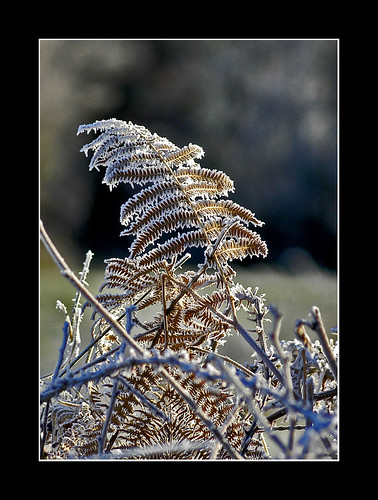
Fougère, originally uploaded by Christian Bachellier.

It is the coumarin that adds the crystalline quality to Fougères, as well as its over all warm bitter-sweetness. Perhaps this is why I enjoy wearing Fougères at this time of year. It has the quiet melancholy of Fall, yet with a cuddly softness added to it.

It was Fougère Royale (1882) by Houbigant that marked the birth of modern perfumery. While many consider Jicky (1889) as the mother of modern perfumery, it was in fact precedent by the legendary Fougère Royale, unlike the prehistoric fern it was named after, didn’t survive as well and the fragrance is no longer in production. However, it’s fame can be measured not by its survival achievements, but by the fact that an entire masculine fragrance family (or perfume genre) is named after it. Despite of that, a closer look at the perfume timeline reveals that the concept of Fougère has existed earlier:

In 1873 English Lavender by Yardley was released, blending notes of Lavender, Bergamot, Rosemary, Eucalyptus, Geranium, Clary Sage, Cedarwood, Tonka, Moss and Musk. Considering that tonka bean contains mostly coumarin, and that all the other important elements of Fougère (lavender, oakmoss, coumarin and herbs) are present, this might have been the first Fougère .

1877 brought Wild Fern by Geo F Trumper (with notes of oakmoss, basil and amber), again with both a name and a composition that suggests a Fougère (but who had smelled it that could confirm???).

Fougère, or Fern in French, is most known for its remarkable botanical versatility and resilience (as I said earlier, it has been probably been around since the days of the dinosaurs, it is such an ancient life form that it reproduces with spores and has no real leaves, but “fronds” ) and little known for its scent. However, ferns have a rich usage in human history for various uses: the dried underground stems of several species used to be ground into a starchy meal-like substance that is nourishing in times of famine (and in particular - Pteris esculenta in the Pacific Islands they have been a staple food); and the ashes of burnt fern in Wales were formed into balls and sold as “Ash Balls” and performed similarly to soap because of their high alkali levels (Poucher, W.A., “Perfumes, Cosmetics & Soaps, Vol.2). Certain ferns might be extracted for medicinal purposes (for their filmarone content – a yellow, amorphous acid which chases away worms).


Natural Sources of Coumarin, originally uploaded by Ayala Moriel.

In perfumery, however, any Fougère composition will have very little power for vermifuge purposes. It is simply a name for a complex blend of an aromatic, herbal nature. The key for compounding a Fougère is using the essential accord of lavender and linalol (either synthetic or from natural source – i.e. Ho Leaf or Rosewood), oakmoss absolute and coumarin (of synthetic or natural source – i.e. tonka bean or liatrix).

There are several sub-categories for the Fougère family:

Fougère Fresh
Dominant lavender freshness and dryness. These Fougères are herbaceous, spicy, fresh and woody. For example: l’Herbe Rouge

Fougère Ambery
Additional vanillic notes may increase the softness, to create a Fougère Ambery fragrance. These are soft and enveloping, and somewhat powdery. Canoe by Dana is an example of such composition, which is further sweetened by tonka and heliotropin.

Fougère Woody
Additional woody notes such as sandalwood, agarwood and vetiver create a cleaner and drier impression.

Fougère Floral
These Fougères are very complex, with the addition of bright florals such as neroli, lily of the valley, and cyclamen. The dryness of lavender and spicy, ambery and woody notes makes these more masculine. Jicky (Guerlain) is a good example for such floral – with neroli at the heart, and a soft tonka and amber base accompanying the Fougère accord.

The Modern “Face” of Fougère
Many modern masculine fragrances are touted as being Fougère. Scents such as Cool Water (for men) by Davidoff are such examples, and so are many others. However, the overdose of synthetic molecules (such as calone and other aquatic aromachemicals) and the declining percentage of important natural such as lavender and oakmoss in those compositions render the Fougère in these perfumes nearly absent. A good fougere in my mind has a balance of those intense, isolated molecules with a good measures of naturals that give it its aromatic flavour.

How To Make A Natural Fougère?
Start with the basics – excellent quality building blocks that are essential for Fougère: oakmoss absolute, lavender essential oil, absolute and concrete, rosewood or ho leaf (for a touch of linalool), and last but not least – a naturally sourced coumarin note, either from tonka bean absolute or liatrix tincture (you can make your own by soaking the dried leaves in 200 proof alcohol). Other useful notes are patchouli and vetiver. To these essentials, you may want to choose additional notes that would add a particular character to your Fougère. The following are suggested notes to choose from for a Fougère composition:

Top notes:
Lavender
Rosewood
Ho Leaf
Rosemary essential oil
Bergamot
Cedarwood, Virginian
Petitgrain, French
Neroli, French
Bitter Orange
White Grapefruit
Juniper Berries

Heart notes:
Lavender absolute
Clary sage
Rose Geranium
Jasmine absolute
Rose absolute
Rosemary absolute
Ylang ylang
Tuberose absolute
Lemongrass
Litsea Cubeba
Orange Blossom Absolute
Clove bud
Carnation absolute
Guiacwood

Base notes:
Oakmoss absolute
Tonka bean absolute (or tincture)
Liatrix tincture (or absolute)
Patchouli
Vetiver
Sandalwood
Agarwood
Cedarwood, Atlas
Vanilla
Benzoin
Myrrh
Cassie
Tarragon absolute
Clove bud absolute

Labels: , , ,

Wednesday, July 07, 2010

Rosemary & Sea


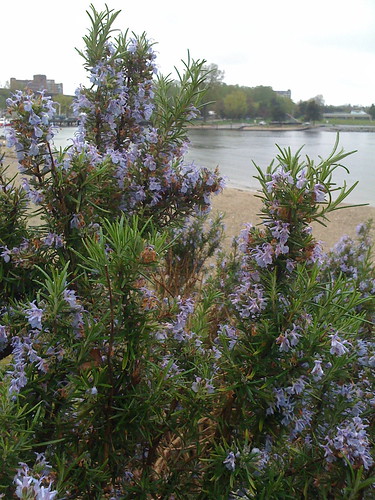
Rosemary & Sea, originally uploaded by Ayala Moriel.

Before I went on to another bottle, I made some adjustments to what I told you about earlier. I sharpened and accentuated a few ideas – i.e.: increasing the seaweed a bit, as well as the spruce absolute and added some cypress to flesh out the woody element and in hopes of making it more “masculine” so to speak. I also increased the violety presence by adding a smidgeon of cassie absolute. I also added some citrus notes – bergamot and lemon – to brighten things up a bit and give the whole thing a lift. Egyptian geranium was necessary for added body at the heart notes, and to accompany it - a bit of a very high quality palmarosa, which added a clean yet floral freshness, expansive airiness to the composition. This still remained true to the original concept but just a little more developed.

I was also hoping to increase the salty levels in the composition by adding some atranol-free oakmoss, which I find to be more sheer and marine-like than the nearly ambery-musky full-profile oakmoss absolute (all oakmoss absolute sold these days have the atranol removed. It’s part of EU regulations, and since all oakmoss is produced in Europe – usually harvested in former Yugoslavia and extracted in Grasse) that’s all we’ve got, unless we stashed some oakmoss away.

At the same time, I felt that the rosemary was still quite strong, and the seaweed was not enough present. Which is quite strange given how potent it always seems on its own and how light the rest of the notes were.

Labels: , , , , ,

Thursday, July 21, 2016

Citrus List

Citrus List

Citrus are universally liked, and you'd be hard-pressed to find anyone who does not find citrus notes appealing to at least some degree or another. Despite the fact that citrus trees are rather picky about growing conditions, their protective peel makes them easily transportable and therefore most people in the world, even in sub-polar climates are usually familiar with them. Growing up with a family citrus orchard, I've known many citrus varieties quite intimately, from twig to flower to fruit. Also, I've got plenty of fond memories from citrus-scented herbs that we'd grow in our herb garden and brew as relaxing and delicious tisanes: lemongrass and melissa (lemon balm) and lemon verbena (aloysia citriodora). The latter is perhaps one of my favourite smells from a very young age.

With all that being said - the words "interesting" and "citrus" do not generally go together in my world. Citrus are the one fragrance family that I don't care for - they are short-lived, lack depth and complexity, and generally leave me unimpressed. On days when I choose to wear citrus in the morning, I know that it will be covered with something else by lunchtime or at least early afternoon. They are fleeting, noncommittal, and therefore wearing them should be easy and fun.

Most citrus fragrances are like the fragrance equivalent of ADHD kid in the classroom in the perfume world. They may get your attention quickly with their opening burst of freshness, and may even have a bit of an intrigue from the start; but this will quickly fade away, and give in to a yawn-inducing phase of the fixatives that were used (generally without much success) to make the scent last long(er). These tend to be along the lines of sandalwood, orris, benzoin tonka bean, musk, vetiver and sometimes a bit of deeper notes such as oakmoss or even patchouli. And it is often apparent that this phase was not very well thought through.

Disappointment from the cologne and citrus family can come in many forms, for example - trying to "upgrade" what needs to remain a very simple and humble. The delight of citrus is precisely in their simplicity and utilitarian origins. For example - in my humble opinion, Chanel's Eau de Cologne, which has a very balsamic heart, and a very woody, almost acrid dry down that tries to make it smell "expensive" and fit with the rest of the collection. I don't think this does much to the genre - not really creating anything new (it makes it very clear from the start that it wants you to think of it as an Eau de Cologne - yet pay an arm and a leg for it). Then, of course, there is the horrid modernized approach, loaded with Iso-E Super (Mugler's Cologne took that to the extreme, but it would be a lie to say it's the only one that tries to turn the natural cleanliness of citrus into a chemical treatment). And of course there are the faux high-class colognes, such as Tom Ford's Neroli Portofino, which is exactly how I'd imagined the WWII hookers in Catch-22 to smell like - a cheap cocktail of linalyl acetate and bleached musk, bottled in an icy looking clear blue bottle that makes it look there is more to it.

Last but not least: many modern citrus and colognes are fathomed after the "tea" fantasy accord, and vice verse - many of the so-called "tea" perfumes are more like a different interpretation for the bergamot-linalyl acetate accord that is central to eaux de colognes, only with ionones added to the mix to create that ephemeral tea connotation. This genre gets me less annoyed than others, because there is something elusive about them, and they are so difficult to smell (I must be partly anosmiac to ionones) - and how can you get angry with something you can barely smell?

The following roundup is more than just a citrus list, but generally summarizes ten citrus treatments that work, and themes that I actually find interesting - or at least fun and enjoyable.

1. Orange Blossom Replacing Neroli:
The main challenge I have with eau de colognes is that they are dominated by neroli and petitgrain, two notes that simply don't smell too great on my skin - smelling sharp and overbearing even though they could be quite wonderful when not so dominant. I find that when orange blossom is used instead of neroli, this problem disappears and I can enjoy the citrus more. Also, more depth to the base notes also helps a great deal. Case in point is Jo Malone's Orange Blossom Cologne, which is lovely, and Eau d'Orange Verte with which I fell in love when waiting in Heathrow between flights many moons ago. It remains my favourite citrus, and probably the only one I actually own.

Eau d'Orange Verte is undoubtedly one of the best citrus ever created, and never disappoints. Oh, wait, except that is was reformulated by Jean-Claude Elena to smell nothing like the glorious green bitter orange zest, neroli and oakmoss and cedarwood elegance that it used to be - replacing all this goodness with something flat, synthetic shadow of itself, whose only sorta-redeeming point is some green mango accord, which makes it a bit more interesting. But it is still disappointing nevertheless. Stick to the original!

2. Classic (Read: Old World) Eaux de Colognes: 
As much as I try to love 4711, it just always smells too sharp, too linen-like on me. But guess what? It is not the only classic eau de cologne that deserves our love and attention, and not all of them are as sharp an dominated by neroli.
Eau de Guerlain is a prime example. It begins very fresh, classic eau de cologne accord with hint of mint. But it has more facets to it than what meets the eye at first. There are some florals in its midst, and the dry down is the famous guerlinade - tonka bean, orris, vanilla and even a tad of patchouli and oakmoss. There is a floral richness to it so if you want a "deep" eau de cologne fragrance, this is it. It lasts for a long time as a result, and also has different stages and evolves on the skin, inviting the wearer for wrist-re-sniffing rather than reapplying. At some stage the tonka bean is more apparent, and at a later stage the orange blossom surprisingly shines through. 
I also fondly remember Eau de Clogne de Coq and Eau de Fleurs de Cedrat - but it's been many years since I've had access to either, so I can't pinpoint now what I liked about them. All I can say is Guerlain sure knows how to make citrus well (and more about that in a bit). 

3. Spicy Citrus:
Citrus and spice are as old as potpourri. But this is not the only way to utilize this bacteria-busting combination.
Florida Water is a modern-ish play on the eau de cologne theme, using New World aromas such as Mexican lime and a healthy dose of cloves and cinnamon to create a mouthwatering, refreshingly disinfectant concoction for the tropics. Florida Water have become also an interesting part of Shamanism practices on North America, and are used for cleansing and multiple other purposes. This past couple of years I've been honoured to work with a Angela Prider, local healer and shamanic teacher and practitioner, and have created an all-natural Florida Water type of fragrance for her, and customizing it for her particular energy work, which is greatly inspired by feminine archetypes from New Mexico, Ireland and Australia. I can't wait to share more with you - but I must wait till her website is up.

4. Citrus Fantasy: 
Whenever I meet a citrus I actually love, I usually discover it really belongs to the "Citrus Fantasy" sub-family. Which also proves that my citrus "problem" These truly are Chypre citrus compositions and can be very different from one another. They all have a prominent citrus top note, of course, but there is also something intriguing in the heart (more floral notes, for example) and of course there's got to be some oakmoss in the base as well (which ultimately contributes to their longevity. Innovative perfumes such as Eau Sauvage and Ô de Lancôme, Le Parfum de Thérèse and Diorella belong to this category.

Eau Sauvage perhaps does not only belong here, because it also can be categorized as a Chypre Fresh. It has plenty of depth and longevity - so all the things that I like to complain about citrus don't apply here. But honestly, I like anything with basil, really (so no surprise that I also like Lime, Basil & Mandarin Cologne by Jo Malone and Aqua Allegoria Mandarin Basilic, and have created ArbitRary with a very similar core of basil, citrus, oakmoss and jasmine). What makes Eau Sauvage so exceptional (before they messed up with the formula and removed all the oakmoss) is the play on hedione (a jasmine-inspired synthetic molecule), which makes up no less than 40% of the formula. It gives the heavy oakmoss, vetiver, hay and patchouli a "lift" and opens them up to receive the airy, fleeting citrus. To this day I find Eau Sauvage jaw-dropping gorgeous, a very similar reaction if your man walked out of a shower with a towel like the illustrations that made it so famous. Other fantastic citrus fragrances of that genre include Ô de Lancôme - but it does not work on my skin quite as well.

5. Citrus Tisane: 
Herba Fresca, from the Aqua Allegoria line, is another proof that Jean-Paul Guerlain really knows how to make citrus and is not afraid of adding depth and complexity to this shallow family, without taking away from their cheerful glee. Herba Fresca always reminded me of the herb garden of my childhood I've mentioned before. It's dewy and green and citrusy all at once. My only problem I have with it is its sharpness. It has a powdery-green-musky element that is just too piercing to my nose - creates an effect that is almost like screeching chalk on the blackboard. So after using it more as a room spray for a while - I had to give it away to my citrus-loving brother. Curiously, he also used it in the same way.

6. Citrus & Greens: 
Another winning combination that makes citrus more interesting is adding green galbanum note to it. It simply makes the citrus smell more alive. One of my favourites from this genre is Artemisia's Yuzu Citrus. It's also in Cristalle by Chanel (which is more complex and floral than your typical citrus - it belongs to the Citrus Fantasy/Chypre Fresh families. And recently I played with this theme in Lost Lagoon (which FYI is more on the Chypre and Floral Green spectrum rather than citrus per se).

7. Citrus Woods
The combination of citrus and conifers is nothing surprising, but it simply works. There is a certain elegance and harmony to it that can't be denied. Limonene is a common molecule and they seem to work well together., effortlessly. But what if the part of the conifer used was the heartwood, rather than the needles? There are several fragrances that rely on this marriage of woodsy notes and citrus, and often (but not always). there is cedar involved.
Citron Citron  (Miller Harris) with its elegant underscore of dry Virginian cedar, and piquancy from cardamom and pepper is a citrus that I find thoroughly enjoyable; and Sweet Lime & Cedar (Jo Malone) breaks free from the classic eau de cologne by using not only a lot of musk, but also petitgrain combava (AKA kaffir lime leaf) and sweet notes of Atlas cedar.
Last but not least, Eau d'Hadrien (Annick Goutal) uses cypress note, which although it is actually distilled from the leaves and twigs - but possesses a very woodsy, dry character that smells like a tree, rather than straight-up coniferous. It is an elegant, clean citrus with a very Mediterranean character. 

8. Sulfur, Yesss!
Pamplelune has always been a controversial fragrance even amongst Guerlain's fans. The reason being that the sulphur is really obvious here, even more than with actual grapefruit oil. The grapefruit is lusciously fruity,  robust and almost velvety; and its floral character is accentuated by ylang ylang and underscored by patchouli - both of which give it a dirty, sultry persona. Other treatments of grapefruit I find to be too masculine and untrue to this delightful zesty note (Jo Malone's Grapefruit Cologne); or too mineral and pretentiously "minimalist" (Hermes' Eau Pamplemousse Rose, which is really a replay of the flinty qualities of Terre d'Hermès). However, when I do crave that mineral type of grapefruit quality, I prefer Pure Turquoise (not technically a citrus either - and categorized as a modern "Chypre") -  which really takes this idea to the extreme with its dryness.

9. Citrus Candy:
When I created Fetish I wanted to create a citrus that isn't boring, lasts a bit longer than average, yet at the same time remains true to the playful and fun attitude of the family. I did that by using lemony heart notes (lemongrass and litsea cubeba) and echoing that citrus quality with fir absolute at the base, which gives the vanilla extra sweetness but also balances it a bit. Later on I also "met" Sugar by Fresh which has a very similar attitude, only with an abundance of musk at the base that gives it more of a  cotton-candy feel.

10. Yuzu & Etrog Mysteries:
The novelty of new scents from faraway lands never fails to surprise and excite, and yuzu is case in point. This Japanese citron is rarely found fresh outside of Japan, and smells like a delightful mix between grapefruit and Meyer lemon, but with much more pizzazz and oomph than either.

Oyédo by Diptyque is dominated by this note, and has an unusual composition with similar structure to traditional eaux de cologne, yet makes a bold, intense statement. Its vibrancy and originality is always nose-catching and enjoyable. What it does is take all the usual eau de cologne elements - wood, citrus and herbs - and amplify them ten-fold. Yuzu is a dominant, unmistakable note to begin with, with a sulphuric pungency not unlike grapefruit's, along with the orange-blossom like floralcy of yellow mandarin; and instead of sticking only to the typically sporty mint - the perfumer also added thyme, which has an unusual bitter and almost pungent bite to it. The base is that of the wonderfully elegant and mysterious Japanese wood, hinoki and has a slightly fruity musk at the base as well.

There are only two fragrances I'm aware of that use the elusive citron fruit: L'Etrog by Arquiste, and my very own  Etrog Oy de Cologne. If I could have my way, there will plenty more of them. Both have more depth and layers than the average citrus - in l'Arquiste's, this comes from a balsamic date-like note, and a woodsy-musky vetiver base.

P.s. Please note that although typically tutored as "summery" scents, citrus oils are highly phytotoxic and should not be worn on areas of the skin that are going to be exposed to direct sunlight.

Labels: , , ,

Thursday, October 19, 2006

Eau Sauvage

From the moment I met Eau Sauvage, it was steaming passion. It’s sparkling clarity and bold sensuality are seductively well-mannered. Eau Sauvage is what I would want to immediately splash onto a man’s chest and than bury my head into... This would probably be my one recommendation, aside from necessary precautions, for a blind-date gadget (whether if you are a man or a woman)… It radiates good taste and vibrates with a lively charm. Eau Sauvage has the sensuality of clean, freshly showered skin, smooth just-shaved cheekbones, the sweater of a lover left behind for further cuddling and sniffing, permeated with the impeccable scents of sweat sweet hay.

As a side note I may ad: I wasn’t exposed to the Eau Sauvage ads featuring showers and mysterious men just about to take off their black sweater – and was pleasantly surprised to find them fitting to my own internal image of the scent (which is quite unusual in the world of perfume ads).

It wasn’t until I became a perfumer that I learned that the magic charm here lies with the oakmoss. Oakmoss has the power to add a rich, complex underlining base to what otherwise would be just another one of the many fleeting eaux de citrus & herbs. And so while Eau Sauvage is unmistakably sparkling with citrus, it is also one of the first Chypre for men, and actually a revolutionary fragrance in its time.

Eau Sauvage was one of the very few significantly different fragrances for men. The fragrant history around the world (Arabia, India, Ancient Greece and Rome) tells us that men indulged shamelessly in a diverse selection of aromatics: from sweet and indolic flowers (rose and jasmine) to heavily sweet balsams, incense, musk and ambergris. Contrary to that, the modern Western man, since perhaps the days of Napoleon or even earlier, submitted themselves to a painfully limited palette of aromas: citrus, aromatic herbs, woods and some musk. Anything sweeter, heavier or more floral was reserved for women. Of course – there were a handful of significant and unusual scents for men prior to Eau Sauvage: Jicky (Guerlain, 1889, considered the first modern perfume but also one that dared to question the gender boundaries of perfume), Mouchoir de Monsieur (Guerlain, 1904), Pour Un Homme (Caron, 1934), Old Spice (originally released by Shultan in 1937 and was actually marketed for women but happily adopted by men).

What reserves Eau Sauvage such a special place in perfume history are two things: its composition, of course, but also it’s timing. It was released in 1966, a time when men were perhaps ready to start breaking out of the strict olfactory boundaries that locked them in a clean prison of citrus and herbs. Other scents released around this era are Tabac Original (1959), Chanel’s Pour Monsieur (1955), Pino Silvestre (1955), Monsieur de Givenchy (1959) and Creed’s Cuir de Russie (1953). These paved the path to the revolution of men’s scents, a quiet revolution that is still happening and morphing quietly into a rebel against the exact same things that restricted Western men, olfactory-wise, for the past two centuries. Eau Sauvage was a milestone in breaking out of the norm – starting with the use of substantial amounts of oakmoss and patchouli at the base, and hedione and jasmine in the heart. Only few people at the time knew that the Maestro had an even more revolutionary scent in stock – the one reserved for his wife Therese (designed for her earlier, in 1960). In Eau Sauvage, Roudniska used only a bare amount of the hedione comparing to his masterpiece for his wife, and none of the aquatic melony notes used in Le Parfum de Therese. But the use of citrus and basil and an expanding jasmine heart created a very similar effect, yet one that was be more easily acceptable by his audience.

Another departure from the norm was its mass appeal to both men and women. Since the release of Jicky, there wasn’t as much olfactory “gender-confusion”, and everybody felt comfortable stealing each other’s cologne, as long as it was Eau Sauvage. Diorella was sooon to follow, perhaps to shut down the cologne-kidnapping complaints and cologne-custody court battles that followed Eau Sauvage and threatened to break too many marriages… Diorella was a toned down version of Le Parfum de Therese, and a floraler version of Eau Sauvage (more hedione, and more jasmine, with the addition of melon). Where Diorella failed (marketing wise), other houses gained and started releasing many more unisex scents ever since – O de Lancome (1969), Diptyque’s l’Eau (1968), Santa Mari Novella’s Melograno (1965), Goutal’s Eau d’Hadrien (1981) – and than the explosion (or shall we say inflation?) in unisex fragrance in the 90’s, accompanying and/or following Calvin Klein’s One (1994).

The use of basil, citrus and oakmoss is genius, and along with the jasmine, considering it’s time, it is also daring. To me it will always stay at the top – the epitome of masculine fragrances, and fragrances at large.


Top notes: Lemon, Pine, Lime


Heart notes: Basil, Jasmine, Carnation


Base notes: Oakmoss, Patchouli, Musk, Hay


Image credits:
Posters from
VintagePosterArt.com
Bottle image from Dior.com

Labels: , , , , , , , , , , ,

Friday, April 07, 2006

Paloma’s Corner: Vintage Chypre by Coty

A couple of years ago Paloma, a fine lady from the Perfume Addicts forum, sent me a gift of a lifetime: about 30 or so samples of rare vintage perfumes. To her this corner is dedicated, and I am hoping to be able to live up to the challenge of decoding the mysteries of these antique beauties.

Finding vintage Chypre by Coty at the midst of the stash was a dream come true. My unconditional love for chypres is infamous. My most favourite perfumes of all are chypres – Mitsouko, Vol de Nuit, Femme, Miss Dior… In fact, I love composing Chypres just as much as I love wearing them. The basic materials for Chypre compositions rely heavily on naturals (some of them restricted or even banned), including oakmoss, bergamot, patchouli, and my love of all times (yes, since skipping on the rocky and thorny hills with wild goats as a 4 year old): Labdanum. The behaviour of these building blocks is nothing shorter than magical. They transform other building blocks into a different realm, and so they do with the soul of the person who wears and smells them.

So it is no surprise that I have taken this precious sample with me on my trip. And it is no surprise that a few minutes after wearing this and starting to write my little essay about Chypre, my grandmother came in the door, and told me how wonderful I smell. When I told her what it was, I was soon informed that it was the scent of her departed mother – this and 4711 were the two she always worn. So I can proudly conclude that the love for Chypre runs in my family for the 4th generation – we are devoted to this genre since its very intention, as my great grandmother must have been a young lady when it was launched.

But my chypre bias put aside, smelling Chypre after digging through the stash, and more so, wearing it on my skin, is akin to searching for treasures in my grandmother’s treasure box she kept for us on a high shelf as children. Besides a stuffed lioness and a white seal which she kept from my baby-days, it was full of fancy fake jewelry and exotic beaded necklaces made of dyed tropical seeds and carved wood. Along with a couple of empty perfume bottles, this was sure to occupy me for hours. One of the empty flacons was Judith Miller’s signature scent, in a Biblical-inspired swirled-brownish gold glass bottle with a long neck. Altogether, this smelled like Coty’s Chypre which rests on my wrist this very moment.

There is something mysterious and delicate and muted about vintage scents. They are never cloying, and the scents are so well married to one another after years of living together in the same bottle, that it is far more difficult than before to discern the notes from one another. To begin with, Chypres possess the phenomenal quality of sucking in all the notes and transforming them in such a way that they are highly disguised and hardly separated from one another. This is due to the unusual characteristics of both oakmoss and labdanum.

In vintage Chypre, the sharpness of sage calms down after marrying for years with jasmine, roses, oakmoss, labdanum, patchouli and bergamot. There is something magical about sage that makes it soft and plump as a peach after it has been fully matured surrounded by those elements. Although bergamot is known for its importance in Chypre compositions, and this is what made Chypre the special and groundbreaking perfume it is – do not expect to find a citrus bergamot top note in this perfume. The bergamot serves as a counterpart to the mossy and earthy base, only to complement its sweetness and uplift the deep base notes. The top notes are more aldehydic than anything else. Chypre possesses the old fashioned softness that became the trademark of many a French perfumes to come. If Chypre is not the first chypre composition you ever smelled, you will probably not be knocked off your feet. But dlest we forget: this IS the first one. And that is where the genius of Chypre lies. Without it there would be no Mitsouko, Femme, Vol de Nuit, Miss Dior, Eau Sauvage, Le Parfum de Therese, Chant d’Aromes, Ma Griffe, Jolie Madam, Cuir de Russie, Private Collection, Paloma Picasso, No. 19, Christal, and the list goes on and on. Chypre is perhaps the single most versatile fragrance family that there is.

Upon application, Chypre is a gentle yet powderful aldehydic floral with hints of green sage and thyme. It softens to reveal a floral and somewhat soapy heart of jasmine and rose and a warmth of spice that is very subdued (only warmth, no sharpness). The quiet and persistent waves of oakmoss and labdanum gradually wash the shores with a sweet mossy earthiness that is only slightly honeyed and animalistic. As it softens further, it becomes more woody with a hint of well aged patchouli which never overpowers this balanced garden of Mediterranean aromas refined to become the definition of classic French perfumery.

Top notes: Sage, Thyme, Bergamot
Heart notes: Jasmine, Rose, Spices
Base notes: Oakmoss, Labdanum, Patchouli, Civet

Labels: , , , ,

Tuesday, January 21, 2014

Diorella


Before I begin, I have two announcements to make: First of all, I want to thank the generous Joanna for sharing a decant of vintage Diorella with me. This review is based on my subsequent wearings of this beautiful rendition, prior to the oakmoss banning days. My second confession is that some ten or so years ago, when Diorella was quite widely available (and before oakmoss was so ridiculously restricted) and it did not quite capture my heart. While I liked its freshness and similarity to the brilliant Eau Sauvage, here was something about it that I disliked - a combination of the heaady floral note of honeysuckle, and the soapy aldehydes at the opening. Time perhaps has been kind with Diorella, because she has aged gracefully. Or perhaps it is an even earlier formulation of the same one. But it is certainly different from the scrubbed and lathered version you’ll find on the Dior counters nowadays.

Way before its time, Roudnitska was at ease incorporating fruit salad elements in his fragrances in a most refreshing, light-weight manner... created in 1972, Roudnitska’s fruit has thankfully no affinity with the syrupy, unbearably sweet fruity-gourmand florals of the new millenia; but rather posessed a cheerful lightness paired with complex substance from more earthy and floral notes of natural raw materials. So again, these are far superior to the light, watery fruity-florals of the 90‘s, though these were strongly influenced by the asthetics that Roudnitska developed with the creation of Eau Sauvage, which introduced the concept of space and expansion to modern perfumery.

Diorella is munching on a honeydew melon (or is it a cantaloupe?). It is ripe, juicy yet somehow still crisp, as it is brilliantly paired with citrusy notes of lemon and bergamot and a touch of spicy-sweet green basil. Her peach-toned skin emanates a scent that is similar to white peach’s delicate, milky and slightly nutty aroma, due to the use of peach aldehyde and peach lactone. These unique fruity notes were both brilliantly used in a non-edible way (as Edmound Roudnitska explains beautifully in Michael Edward’s book, Perfume Legends - French Feminine Fragrances). Rather, it brings freshness and a unique texture to the jus. It is brilliantly paired with effervescent, ethereal and soapy honeysuckle, crushed basil leaves and a tad of the oily aldehydic notes backed with ionones, that simultaneously give the clean impression of triple-milled soap, and the dirty allusion to hosiery that’s been worn and sweated in for at least half a day. That dichotomy between anti-bacterial herbs and animal/human secretion seems to be at the core of Diorella.

The oily aldheyde and peach notes fades rather quickly, allowing the basil and citrus notes more breathing room. Orris butter is present yet very subtle, giving a soft-focus background to the composition, and making it somehow smell more feminine. What truly moves to the forefront is jasmine. Pure, unadulterated, indole-rich jasmine at its best. And it is that indole that will accompany Diorella throughout her strut on the skin and the surrounding air - first an ethereal jasmine, and later on a full, unabridged indolic jasmine, with its fruity, jammy peach-like and earthy and animalic character beautifully showcasing this gorgeous phenomenon. The similarity to Le Parfum de Thérèse as well as Eau Sauvage are striking; but what surprised me what the affinity I discovered with Eau d’Hermes. Also a perfume that is all about jasmine, yet from a very different point of view - more warm, sweet-earthy and spicy. It is probably the juxtaposition of jasmine with ionones that creates that olfactory connection for me.

Last but not least, it’s time to talk about the base notes, the foundation of Diorella. No matter how much Roudnitska denies any connection to Eau Sauvage, the similarity is striking, despite the differences. There is definitely oakmoss, but not nearly as much as in Eau Sauvage, which gives it more of a green, dry and woody character rather than a dense, brown-earthy and musky feel. Vetiver also supports it in this direction. Even the patchouli, which appears in both, seems to be toned down and instead of the big-warm-oily patchouli hug you get in some feminine Chypres such as Miss Dior - there is just a single brush stroke of it, done in aquarelle. Last but not least, where Eau Sauvage has a generous dose of hay, which gives it an almost-fougere quality, Diorella has a subtle sprinkle of tonka bean (or perhaps just pure synthetic coumarin - in reality there is a very small difference between the two), giving it a slightly bitter finish, but with that feminine soft-focus that reflects the orris from earlier on.

Diorella is a very Mediterranean perfume, and truly reminds me of Grasse and the surrounding area, including the perfumer’s home and garden (which I visited in 2009). It also reminds me of a perfume that his son, Michel Roudnitska created way into the future - Eau Emotionelle - also playing on the cantaloupe-jasmine-ionone theme, but in oil-pain strokes rather than the sheer aquarelle of his father's. The culture in that area is greatly influenced by Italy and Spain, and there is something very Italian about it, especially in the opening notes. If Diorella was a woman, she would be one with a very outgoing, young spirit. A woman that loves to laugh and enjoy life’s pleasures, and just goes with the flow - but isn’t audacious or dominant by any means, and is very kind, generous and open but without ever being vulgar in the least. There is something truly carefree, open, fun, bursting with life and joie de vivre about it. In case you didn’t know already - it’s a true masterpiece. It has been relatively recently re-introduced along with the other classic retro Dior-fumes: Diorling, Dioressence, Diorama... I’m sure the new version pales in comparison but I’m nevertheless intrigued to find out what they’ve done to it to overcome the restrictions on jasmine levels and the industry’s new (low) standard of avoiding oakmoss at all costs (even though it is still allowed - the washed-down version of atranol-free absolute, and at only very low percentage).

Top notes: Bergamot, Lemon, Basil, Melon, Aldehydes, Peach
Heart notes: Jasmine, Honeysuckle, Hedione, Orris, Violet
Base notes: Oakmoss, Patchouli, Vetiver, Coumarin

Labels: , , , , , , , , , , , , ,

Monday, October 16, 2006

The Love and Death of Miss Dior

FALLING IN LOVE
I have a soft spot for Miss Dior. It was my first true introduction to Chypre.
My first encounter with it was actually a “blind buy”. I bought a set of Dior minis in one of my travels, about 5 or 6 years ago, without ever sniffing the lady before. The Miss Dior bottle wasn’t closed properly, so about half of it spilled all over the case containing the collection, making them all smell unanimously wonderful.

What stroke me as most special about Miss Dior when at first was how warm and round it was. No one note stood out in particular. It was a true “perfume” in the sense that the sum was greater than its parts… The spilled Miss Dior diffused soft, thick, almost oily molecules in the air, surrounding me with a constantly vibrating aura that feels utterly erotic. The following is what I wrote a few years ago about my impressions from the EDT that resided in that mini bottle 6 years ago (half of which evaporated away to the atmosphere, and the rest soaked into my skin and poisoned it with Chypre love). I still have about 0.5ml left to remind me slightly of what it used to be, and luckily also a vial of a vintage Eau de Cologne to remind me of the glorious days of Miss Dior before the reformulation.

So here is how I raved: “This wonderful and timeless Chypre is as smooth and as round as could be, so well orchestrated that the different notes blend in harmoniously and act together rather than compete with one another or "show off". It is young-spirited and sophisticated at the same time, therefore appealing to women of all ages that are seeking a classic, refined expression of their feminine self, without feeling overly girly...
Though different olfactory stages and notes can be detected, they are not as pronounced or separated from one another as you might expect. Rather, they lead to one another with a harmonious continuation that makes the complete experience magical and seductive. Which is, after all, the secret for the charisma and sex-appeal of Chypres – the way they blend different notes without leaving too-obvious hints as for what they really are. You know the notes are in there, but you smell them all at once, singing in one beautiful accord!
The top notes of galbanum, gardenia and citrus are accompanied by no other that the relatively harsh herbal notes of sage which surprisingly converts the top note accord into a peach-like fruitiness. The top notes appear fresh and soft simultaneously, and lift up the Chypre nuances of patchouli and labdanum from the base.

Once the initial green frutiness has mellowed, Miss Dior reveals her round, feminine floral heart of jasmine, neroli and rose, completely balanced as no note is dominating the other.

This all dries down to a base accord of a warm and somewhat wild Chypre accord: patchouli, oak moss, labdanum, as well as civet notes which contributes to the roundedness and fullness that links the phases altogether. Some refined, subtle woody notes of vetiver and agarwood appear late on, adding a clean, somewhat “sour” nuance, neither making the composition dry or bitter by the half, nor taking away from it’s overall luscious femininity.
It is definitley a must for all Chypre fans!”


CHYPRIC ENLIGHTENMENT

A couple of years after the mini EDT, I was fortunate to spot a small flacon of the parfum extrait for an unusually reasonable price, and was surprised at the difference between the two concentrations. The Parfum was a lot more fruity and round than the Eau de Toilette – the sharp (almost metallic lead-like) top notes of the sage and galbanum were softened and smoothed that for a while I was almost convinced it was similar to Diorella’s fruitiness. There is a cedar note in there as well, and along with the sage, it strangely makes me recall the magical Vol de Nuit now. I would have never thought I would find any resemblance between the two. There is a smooth, almost powdery-woody feel to it. But the base is as oakmossy as could be, with the pulsating raw energy of civet tamed only by whatever you can do to hide the long lasting, recurring waves of chypric orgasm that lasts for as long as you let it lick your skin.

Top notes: Galbanum, Sage, Gardenia
Heart notes: Jasmine, Rose, Neroli

Base notes: Patchouli, Oakmoss, Labdanum, Civet

THE TRAGIC REFORMULATION
There is a rumour about Miss Dior being reformulated. I wasn’t so worried until I actually got a new bottle of the EDT. This smelled like Miss Dior, no doubt. However, to my disappointment, the animalic quality has been tampered with. Forget about those erotic waves of pleasure… The new EDT now opens with a sparkling note of lemon and lemon leaf, goes through a floral phase that is a pale, watered down reflection of its former “New Look” satin-white-corseted-waist, and than dries down to a chypre base that is dominated by no other than VETIVER. Yes, you heard me right. Vetiver. The clean, tart, almost citrusy, woody root. Not oakmoss. Not civet, but vetiver. It may be a non-sensitizer (for now, anyways) but by no means can it replace oakmoss!
If that makes you feel better, though, the new formulation does include oakmoss (it’s even listed on the ingredients on the box). It also has tree moss, actually. But overall, instead of the refined sexuality, it is more of an eau suited for summer since the addition of citrus at the top (formerly, the chypre effect was mostly achieved by the presence of aldhydic greens and galbanum, and the citrus nuance was actually a neroli note, rather than a citrus peel oil). It is still better by all means than many of the watered down florals out there; but the new formulation has caused it to lose a significant amount of its edge and originality. To top this off, Miss Dior is now followed everywhere by a trashy copy of her original self threatening to inherit her fame without any merit of her own: the “Miss Dior Cherie” – a strawberry and popcorn brat that never heard of oakmoss and dares calling herself a Chypre. I can only imagine how many people bought Miss Dior Cherie as a gift by mistake just because of the similar name.
I propose a moment of silence in memory of Miss Dior of the New Look.
And plenty of angry letters to Dior Fragrances.

Image credits:
New Look photo originally uploaded by Deignucdavis
Bottle image from Amabilia.com
New Look Sketch

Labels: , , , , ,

Sunday, July 29, 2012

Eau d'Orange Verte

white shirt and tree by JuliaGardner
white shirt and tree, a photo by JuliaGardner on Flickr.

Eau d'Orange Verte was recently re-introduced and heavily reformulated by Hermes. I was fortunate to snatch a bottle from a retailer that still had the former version, just as the new trio of Eaux de Colognes were introduced to Hermes counters world-wide.
This review is for the former version (perhaps not the original 1979 version (designed by Francoise Caron), but rather the 1997 re-orchestration (if you know who was the perfumer behind that, please comment), which still has a healthy dose of good ol' oakmoss lurking underneath, and before the inclusion of mango notes (2009's remake by Jean-Claude Elena, which is a completely different fragrance altogether).

Eau d'Orange Verte was a scent I first "met" on a long haul flight to Israel via Heathrow many years ago. There were a few hours to kill, and thankfully an Hermes boutique to be my accomplice in time-murder. I rarely reach for an eau de cologne type scent, but flights are an exception: the tired recycled air full of free radicals and foreign viruses makes me want to escape to the simple, hygenic and familiar eau de cologne genre. Also, it's a very safe travel scent as it is light and can endure any anxiety or physical uneasiness that is the side effect of long trans-Atlantic journeys.

To this day, it is one of the very few scents that strongly resonates with a very relaxed, fantasy Mediterranean lifestyle of a vacation where all you need is sandals and thin white cotton clothing. Rather than a mood or a story, it simply is that: vacation in a bottle, which sums up to two colours: white and turquoise.

Eau d'Orange Verte is bitter orange at its best: brisk, juicy, effervescent and with that bitterness that is reminiscent of grapefruit zest, juice and pith (the white parts of the peel). It is slightly aromatic, but not as masculine as some eaux de colonge can often time invoke.

Bitter [sweet] by Ravi Vora
Bitter [sweet], a photo by Ravi Vora on Flickr.

This brilliant composition is charming in how it takes the freshness of bitter orange to the extreme, and makes it feel interesting and lingering, yet without the common mistake - at the expense of interest or originality. It has the initial "mouthfeel" and nasal impression of a sparkling white wine: light citrusy and fruit-ester notes, which give it a very bright, sprightly texture. The bitter orange is the main theme, but rather than the common sweet orange, bitter orange's elegant, slightly dry and rather floral complexity is what gives the scent its edge. There is a very slight touch of herbs (peppermint and tiny bit of basil, to be exact) that reinforces the aromatic, non-perfumey quality of this "eau"; and only a hint of flowers (jasmine and orange blossom), which if anything contribute to the fruity aspect (which is something that magically happen when you pair jasminey notes with herbaceous ones) and the final drydown is the beloved oakmoss (which I doubt ever made it to the new formulations of the "eaux de cologne" mini series created by Jean Claude Elena in 2009). Oakmoss accentuates the "verte" part of the perfume, as when it's in a very light concentration, it feels more green and leafy rather that musky and mossy. It's a tad masculine, but not nearly as much as others in this category - i.e.: Eau Sauvage, O de Lancome, so if you're a lady you won't need to wear any extra something to prove your gender. You can just be yourself, enjoy the scenery and relax.

Top notes: Bitter Orange, Grapefruit, Lemon, Mandarin, Mint

Heart notes: Jasmine, Orange Blossom

Base notes: Oakmoss, Cedar

For more information about this eau de cologne formula and packaging changes through the years, check out this discussion on Basenotes.

Labels: , ,